Best face Care Routine for Combination Skin
Combination skin presents a unique challenge—oily in the T-zone, dry on the cheeks, and constantly shifting with the seasons. It’s the most common skin type, yet finding products that balance both concerns without making either worse feels like guessing in the dark.
More people are searching for targeted solutions now because generic “one-size-fits-all” skincare simply doesn’t work. Combination skin needs a thoughtful approach that addresses multiple needs simultaneously without overcomplicating your routine or your bathroom counter.
Table of Contents
What Makes Combination Skin Care Different
Combination skin requires a zoning strategy rather than uniform treatment. The goal isn’t to eliminate oil completely or over-moisturize dry areas—it’s to bring both zones into equilibrium.
Products designed for this skin type typically use lightweight, non-comedogenic formulations that hydrate without adding excess oil. They focus on regulating sebum production in oily areas while strengthening the skin barrier in dry patches.
The science behind effective combination skin care involves ingredients that balance pH levels, maintain natural moisture without clogging pores, and adapt to what your skin needs at different times of day or year.

Key Benefits of a Proper Combination Skin Routine
- Reduced shine in the T-zone without creating tightness or flaking elsewhere
- Fewer breakouts because products don’t trigger congestion in oily areas
- Improved texture consistency across your entire face
- Better makeup application when skin is neither too oily nor too dry
- Less reactive skin as your moisture barrier strengthens over time
- Simplified decision-making when you understand what actually works for your specific needs
Best Products for Combination Skin
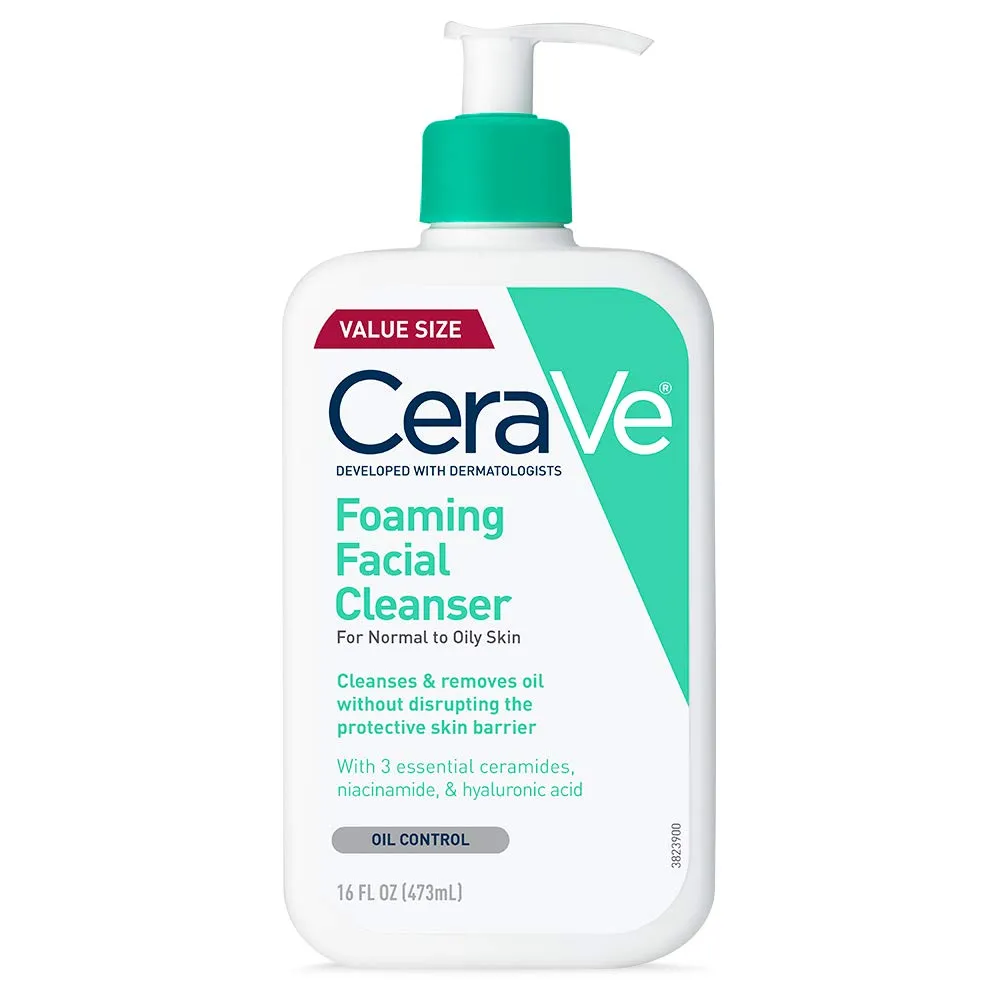
CeraVe Foaming Facial Cleanser (USA)
Best for: Daily cleansing without stripping natural oils
This gel-based cleanser uses ceramides and hyaluronic acid to clean oily zones while protecting drier areas. The foaming action removes excess sebum and impurities without disrupting your skin’s natural barrier.
Pros:
- Fragrance-free and gentle enough for twice-daily use
- Contains three essential ceramides that repair skin barrier
- Non-irritating formula suitable for sensitive combination skin
Cons:
- May not remove heavy makeup completely on first cleanse
- Pump bottle can dispense too much product if pressed firmly
If you’ve struggled with cleansers that either leave your skin tight or don’t control oil well, this offers a genuinely balanced middle ground worth testing.
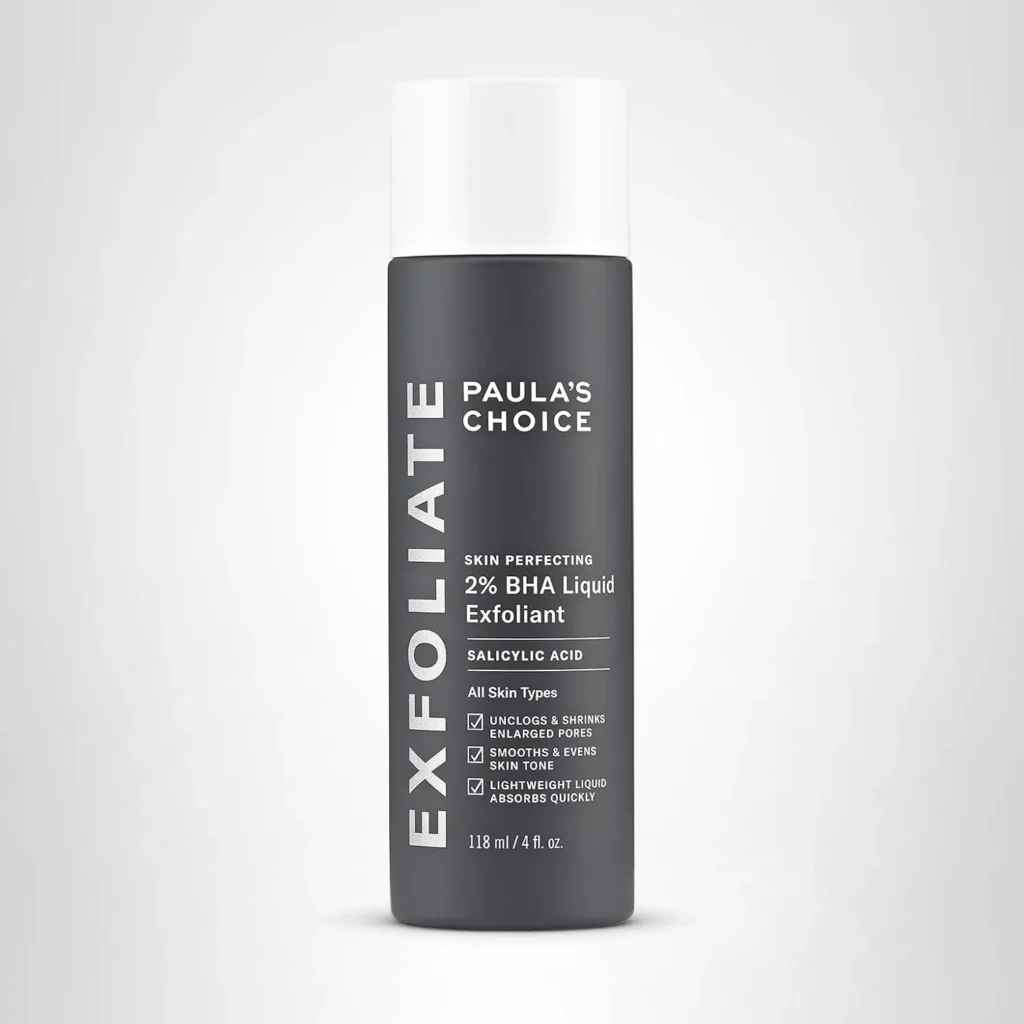
Paula’s Choice 2% BHA Liquid Exfoliant (USA)
Best for: Unclogging pores in oily zones and smoothing texture
Salicylic acid penetrates oil-filled pores to dissolve debris while improving cell turnover. The liquid formula allows targeted application—use it primarily on your T-zone and any congested areas.
Pros:
- Reduces blackheads and minimizes pore appearance over consistent use
- Gentle enough for daily use once skin builds tolerance
- Works on existing breakouts while preventing new ones
Cons:
- Can cause initial purging as pores clear out
- Requires sunscreen use during the day (which you should use anyway)
This exfoliant genuinely changes how combination skin behaves when used consistently for 6-8 weeks.
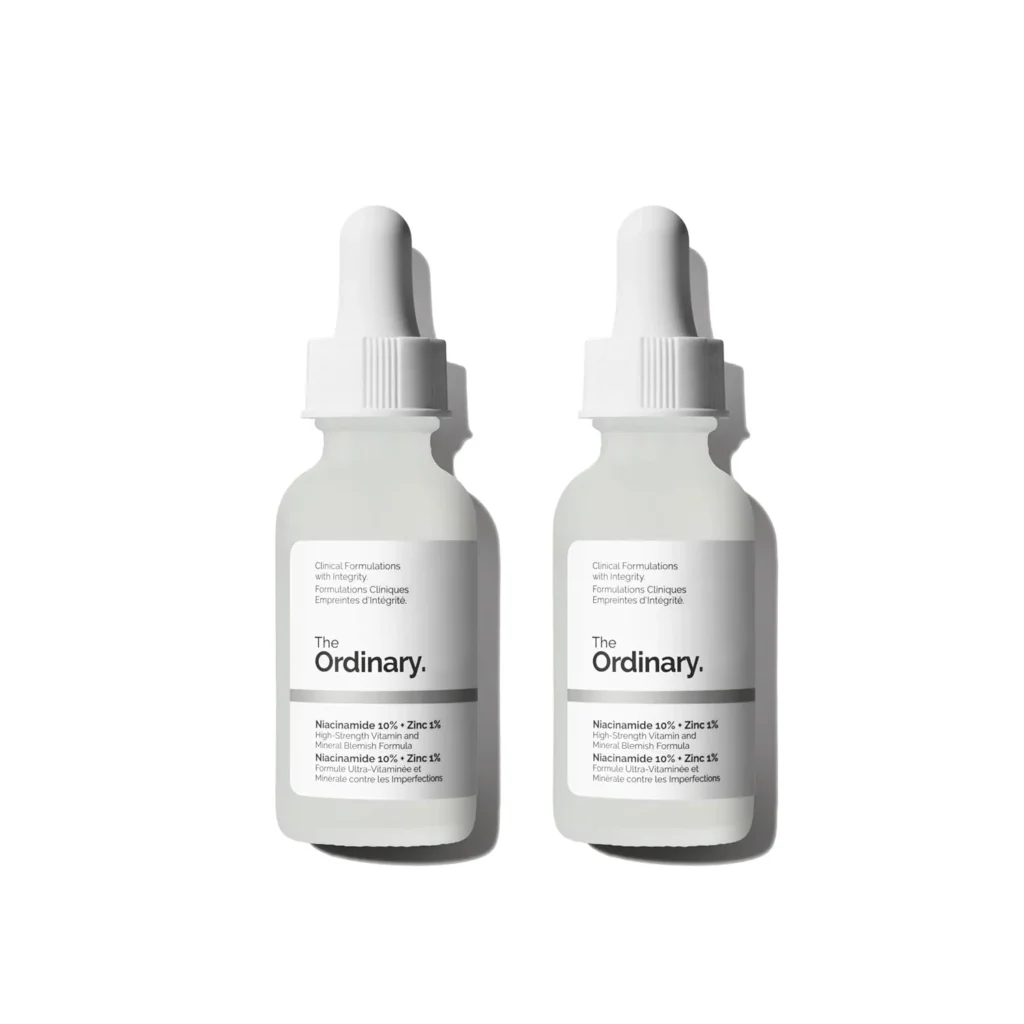
The Ordinary Niacinamide 10% + Zinc 1% (Canada)
Best for: Regulating oil production and reducing inflammation
Niacinamide balances sebum production while zinc calms redness and irritation. This serum works on both combination skin concerns simultaneously—controlling shine while strengthening compromised areas.
Pros:
- Visibly reduces pore size with regular use
- Affordable without sacrificing effectiveness
- Layers well under other products
Cons:
- Can pill under certain moisturizers or sunscreens if not fully absorbed
- Higher concentration may irritate very sensitive skin initially
The visible improvement in T-zone oil control within two weeks makes this serum a practical addition to any combination skin routine.
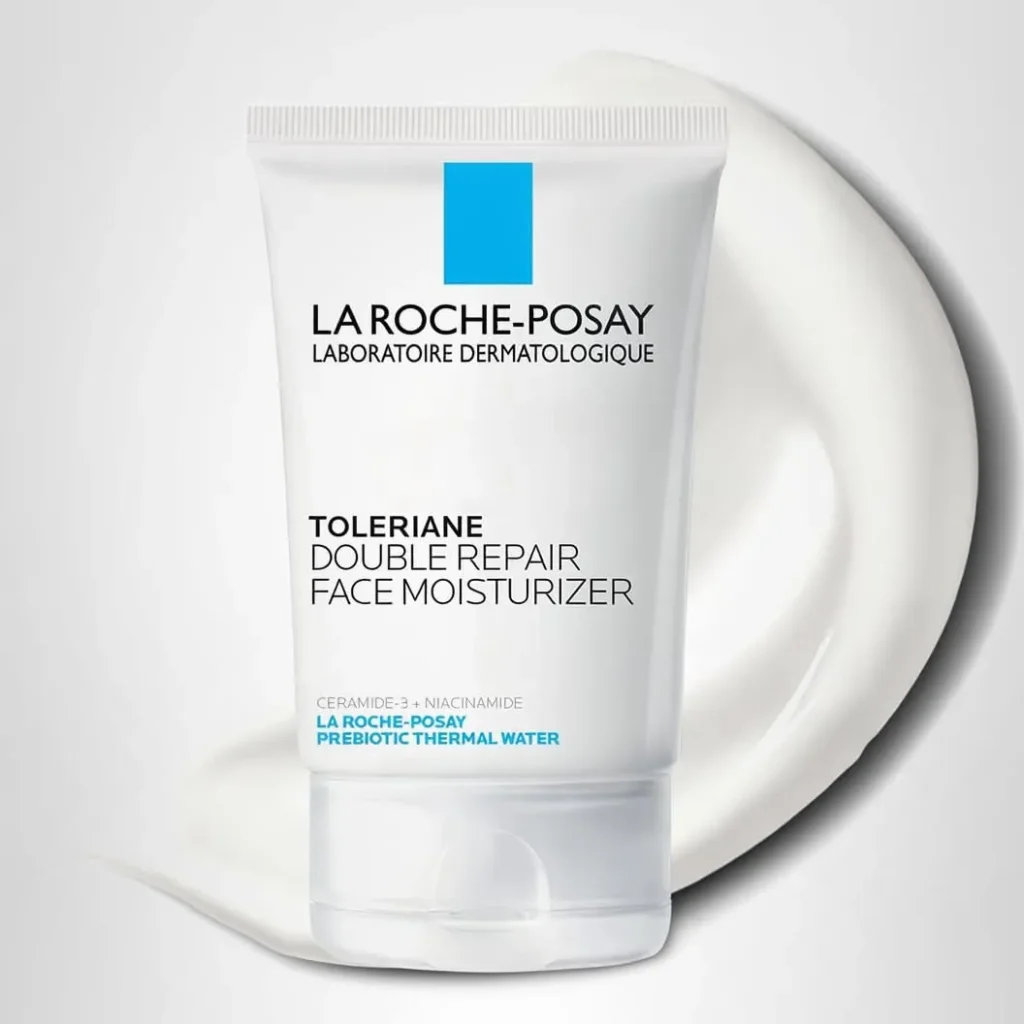
La Roche-Posay Effaclar Mat Moisturizer
Best for: Mattifying oily zones while hydrating dry patches
This moisturizer uses micro-exfoliating LHA and oil-absorbing particles to control shine for up to 8 hours while maintaining hydration. The formula is surprisingly lightweight yet effective.
Pros:
- Creates a smooth, matte base for makeup
- Doesn’t clog pores or feel heavy
- Thermal spring water soothes irritation
Cons:
- May need supplemental moisture on very dry cheek areas in winter
- Slightly higher price point than drugstore alternatives
For combination skin that leans oilier, this moisturizer delivers visible mattifying results without the typical drying trade-off.
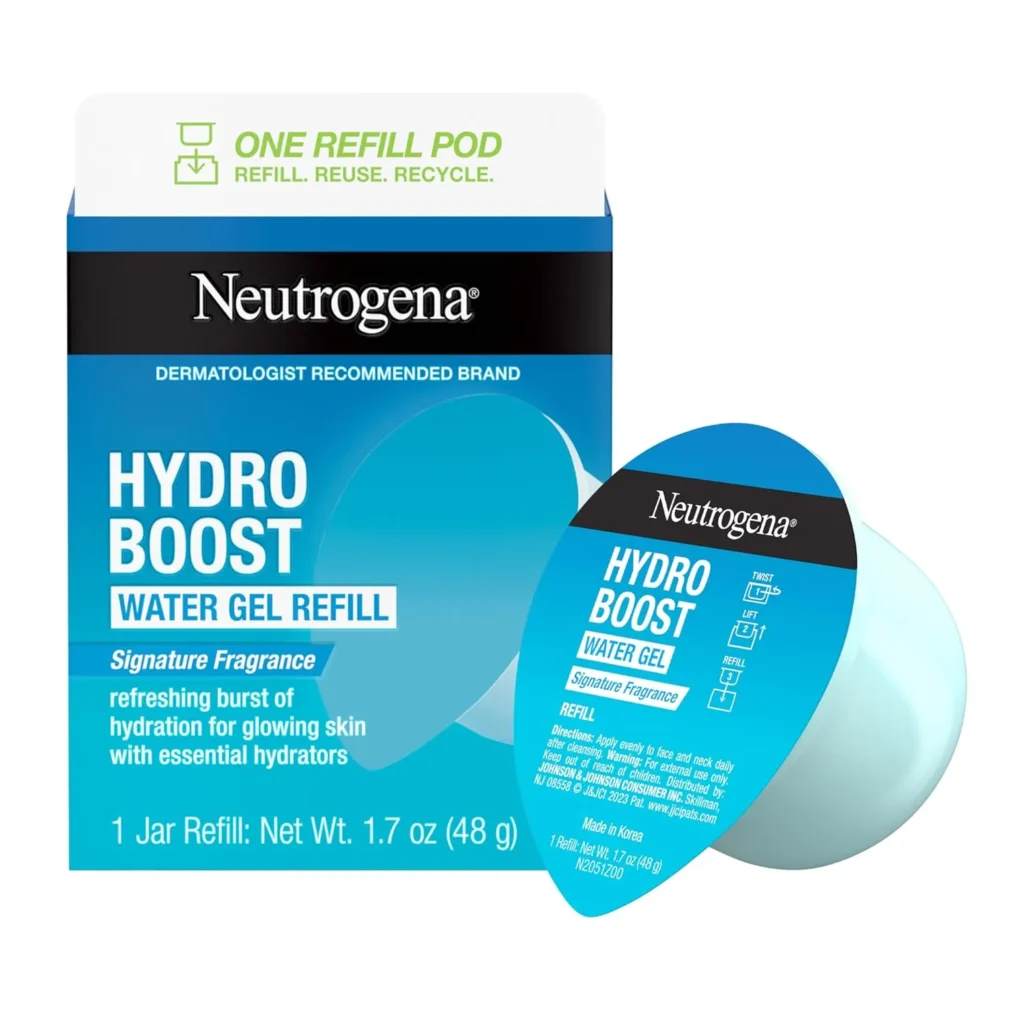
Neutrogena Hydro Boost Water Gel
Best for: Lightweight hydration that doesn’t trigger oil production
Hyaluronic acid draws moisture into skin without leaving a greasy residue. The gel texture absorbs quickly and works well in humid climates or for combination skin that leans normal-to-oily.
Pros:
- Oil-free formula won’t congest pores
- Boosts hydration without adding weight
- Works under sunscreen and makeup seamlessly
Cons:
- May not provide enough moisture for very dry patches in harsh weather
- Fragrance in the standard version (fragrance-free version available)
This gel offers reliable daily hydration that respects combination skin’s complex needs.
Simple Combination Skin Care Routine
Morning:
- Cleanse with lukewarm water and foaming cleanser
- Apply BHA exfoliant to T-zone and congested areas (3-4 times weekly)
- Layer niacinamide serum across entire face
- Apply lightweight moisturizer
- Finish with broad-spectrum SPF 30 or higher
Evening:
- Double cleanse if wearing makeup or sunscreen
- Apply BHA exfoliant on alternate nights from morning use
- Layer niacinamide serum
- Apply moisturizer, adding extra to dry areas if needed
- Use targeted treatments for specific concerns
Key timing note: Allow each product 30-60 seconds to absorb before layering the next.
Choosing the Right Products for Your Version of Combination Skin
If your T-zone is very oily: Prioritize the Paula’s Choice BHA and La Roche-Posay mattifying moisturizer. Use lighter hydration on cheeks.
If dryness dominates your cheeks: Focus on the Neutrogena Hydro Boost and apply a richer cream exclusively to dry areas at night.
If you’re acne-prone: The niacinamide and BHA combination addresses both prevention and treatment without over-drying.
If you have sensitive combination skin: Start with CeraVe cleanser and fragrance-free Hydro Boost, introducing actives slowly.
If texture is your main concern: Regular BHA use with consistent niacinamide creates the most noticeable smoothing effect.
Frequently Asked Questions
Can I use different moisturizers on different face zones? Yes, this “multi-masking” approach works well for combination skin. Apply mattifying formulas to your T-zone and richer creams to dry areas. It takes slightly more time but delivers better results.
How long before I see results? Oil control often improves within 1-2 weeks. Texture changes and reduced congestion typically take 6-8 weeks of consistent use as your skin completes multiple renewal cycles.
Should I skip moisturizer on oily areas? No. Skipping moisture can trigger increased oil production as your skin compensates for dehydration. Use lightweight, oil-free formulas instead.
Can combination skin change over time? Absolutely. Hormones, climate, age, and stress affect your skin’s behavior. Reassess your routine seasonally and adjust products as needed.
Do I need separate products for day and night? Not necessarily, but morning routines should prioritize oil control and sun protection while evening routines can focus on treatment and repair when skin regenerates most actively.
Final Thoughts
Combination skin care isn’t about finding perfect products—it’s about building a flexible routine that responds to what your skin needs today, this week, this season.
Start with the basics: gentle cleansing, targeted exfoliation, balanced hydration. Add treatments slowly and give each product at least a month before deciding if it works.
Results vary based on your specific skin behavior, lifestyle, and consistency. What transforms someone else’s skin might not work identically for yours, and that’s normal.
The goal is progress, not perfection. Even small improvements in oil control, hydration, or texture make daily life easier when you’re not constantly managing skin that feels like two different types.