Natural hair care products for curly hair
Curly hair demands more than standard products. It craves moisture, definition, and ingredients that work with its unique structure—not against it. Yet most people with curls spend years battling frizz, dryness, and breakage using formulas designed for straight hair.
Natural hair care products for curly hair have surged in popularity as more people recognize the damage caused by sulfates, silicones, and synthetic fragrances. For curly hair especially, switching to plant-based, gentle formulas can mean the difference between lifeless waves and healthy, defined spirals.
Table of Contents
What Makes Natural Products Different for Curly Hair
Natural hair care products rely on botanical oils, plant extracts, and moisture-binding ingredients instead of harsh detergents and coating agents. They clean without stripping essential oils, which curly hair desperately needs since its spiral shape prevents natural sebum from traveling down the hair shaft.
Unlike conventional products that offer instant shine through silicone buildup, natural formulas strengthen hair over time. They improve elasticity, reduce breakage, and enhance your curl pattern gradually. This approach requires patience but delivers lasting health rather than temporary cosmetic fixes.
Key Benefits of Natural Curl Care
Moisture retention without heaviness – Natural humectants like aloe vera and flaxseed gel draw water into hair strands while remaining lightweight.
Reduced scalp irritation – Plant-based cleansers minimize inflammation and itching common with synthetic sulfates.
Enhanced curl definition – Botanical gels and butters encourage clumping without the crunch or stiffness of conventional styling products.
Long-term hair strength – Proteins from sources like quinoa and rice repair damage at the cuticle level, preventing future breakage.
Environmental safety – Biodegradable ingredients reduce water pollution and packaging waste compared to synthetic alternatives.
Best Natural Products for Curly Hair
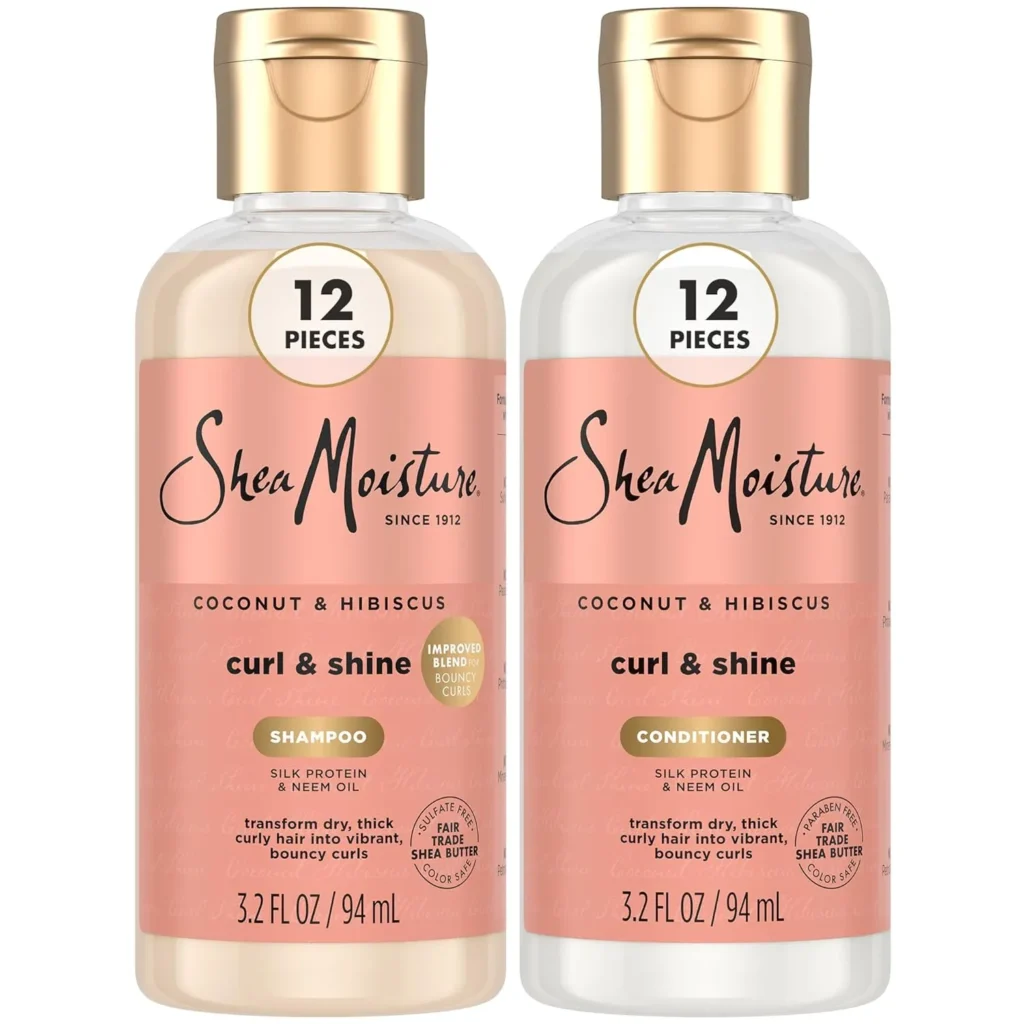
SheaMoisture Coconut & Hibiscus Curl & Shine Shampoo (USA)
Best for: Thick, coarse curls prone to frizz and dullness
This sulfate-free cleanser uses coconut oil and silk protein to gently remove buildup while maintaining moisture balance. The hibiscus extract adds natural shine without weighing down curls.
Pros:
- Affordable and widely available
- No sulfates, parabens, or mineral oil
- Works well for high-porosity hair
Cons:
- May be too heavy for fine curls
- Coconut oil can cause protein sensitivity in some users
If your curls feel constantly dry despite conditioning, this shampoo offers a gentle reset that cleanses without stripping.
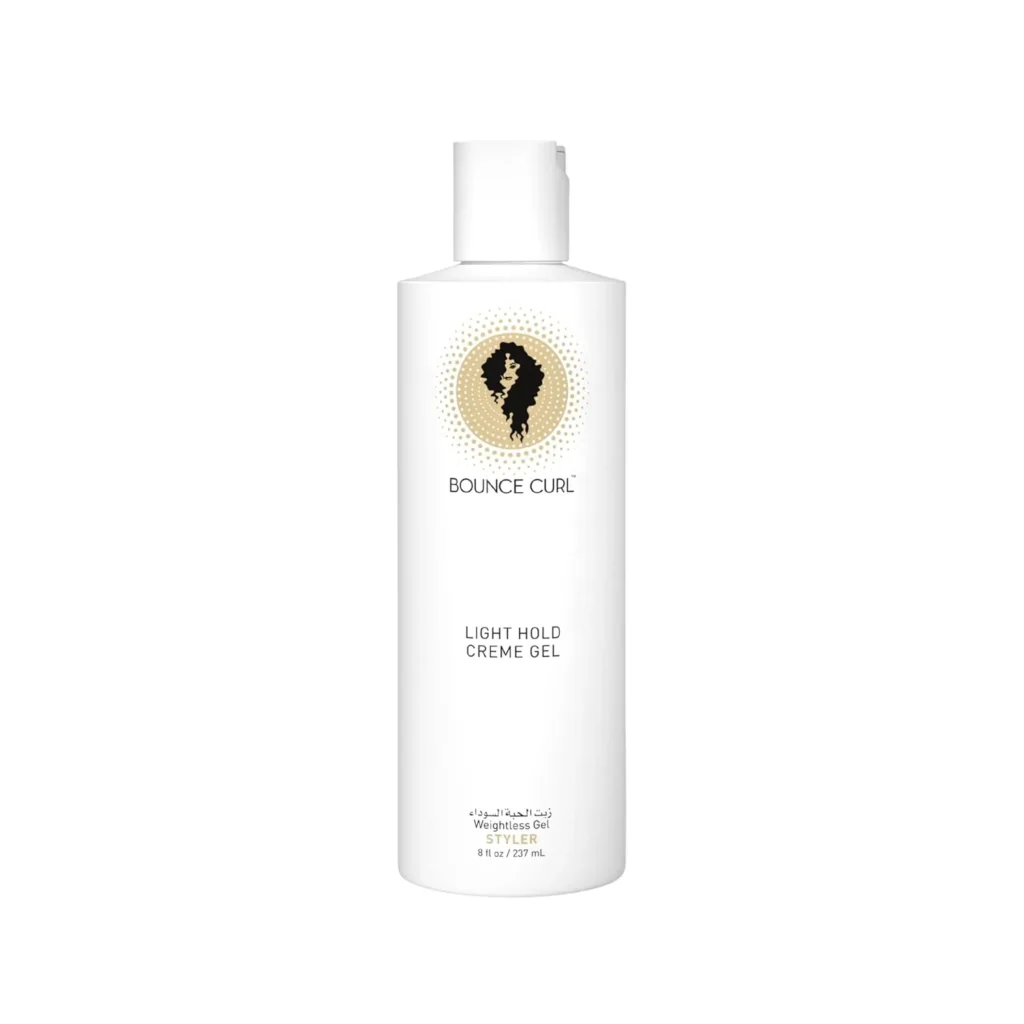
Bounce Curl Light Creme Gel (USA)
Best for: Fine to medium curls needing hold without crunch
This aloe-based gel contains moringa oil and green tea extract for flexible hold and frizz control. It defines curls without the stiff, sticky feeling of traditional gels.
Pros:
- Lightweight formula suits most curl types
- Can be layered for more hold
- Reduces shrinkage while maintaining softness
Cons:
- Higher price point than drugstore options
- Requires proper application technique for best results
Try this if you’ve given up on gels because they left your hair feeling hard or crunchy.
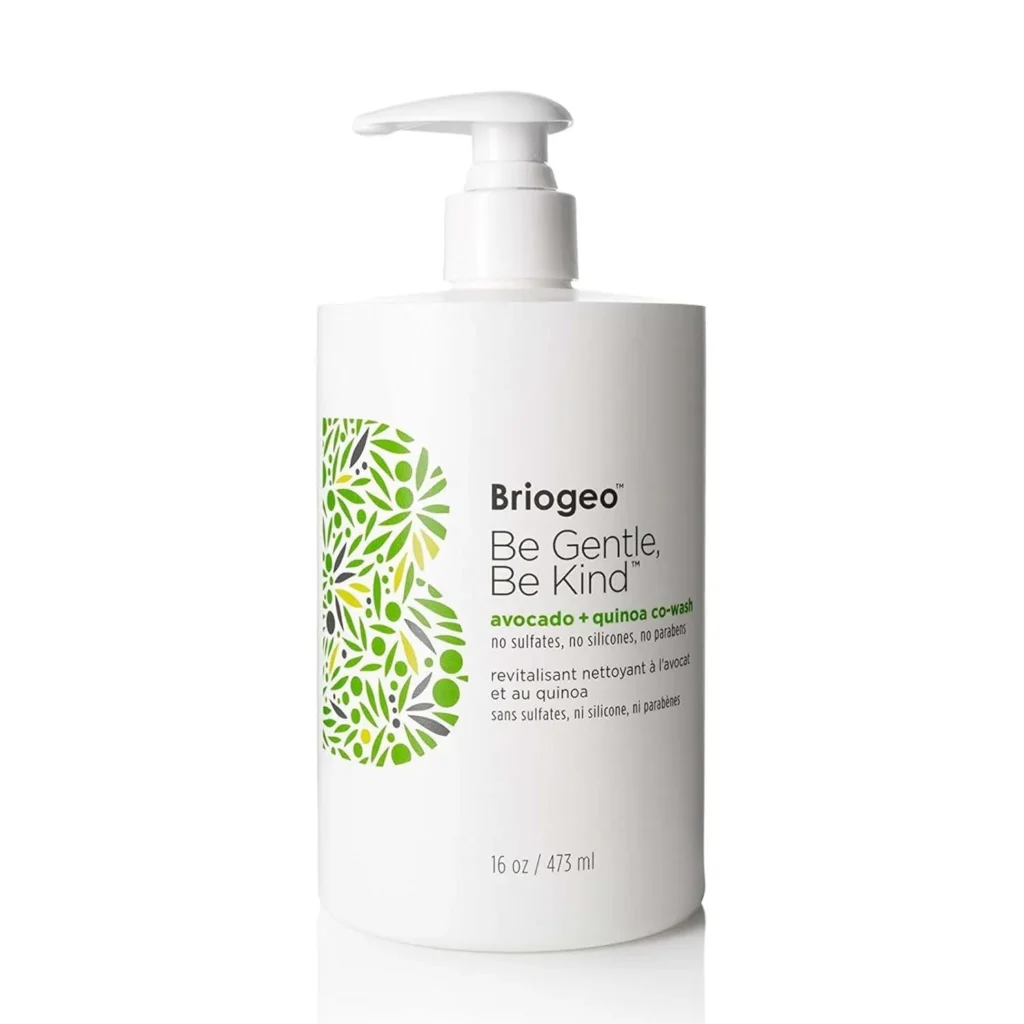
Briogeo Be Gentle, Be Kind Avocado + Quinoa Co-Wash
Best for: Low-porosity curls and those transitioning from conventional products
This cleansing conditioner removes light buildup using fatty acids from avocado oil while quinoa protein strengthens each strand. It’s gentler than traditional shampoo for maintaining moisture.
Pros:
- Sulfate-free cleansing for sensitive scalps
- Suitable for frequent washing
- Contains UV filters to prevent color fading
Cons:
- Won’t remove heavy silicone buildup
- Not enough cleansing power for oily scalps
Consider this product if your curls feel weighed down by regular shampoo but still need more than just conditioner.
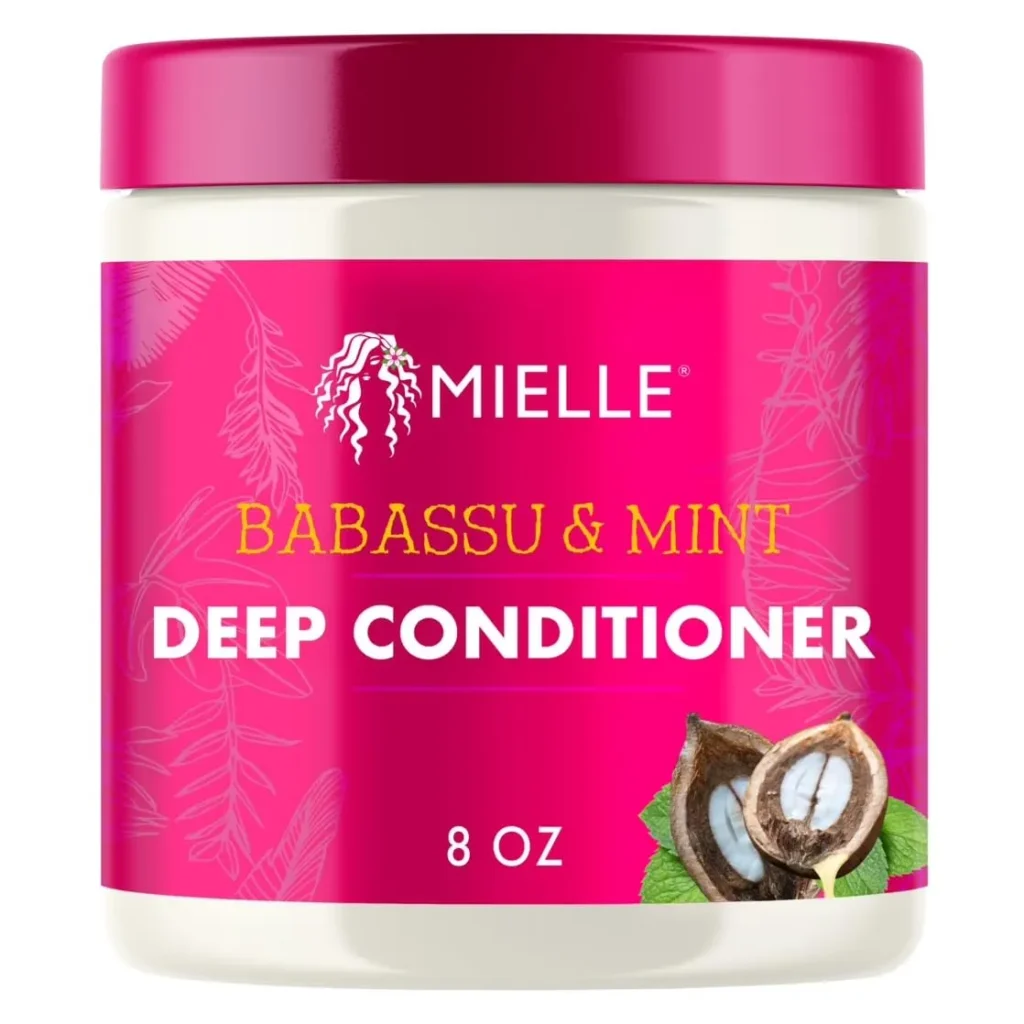
Mielle Organics Mongongo Oil Protein-Free Hydrating Conditioner (USA)
Best for: Protein-sensitive curls with normal to high porosity
Mongongo oil from Namibia provides deep moisture without adding protein, which can make some curl types feel stiff. Baobab extract and ginger root improve elasticity naturally.
Pros:
- Completely protein-free formulation
- Rich slip for easy detangling
- Addresses moisture without adding weight
Cons:
- Takes time to rinse out completely
- May not provide enough strength for severely damaged hair
If conditioners with protein leave your curls feeling rough or straw-like, this formula focuses purely on hydration.
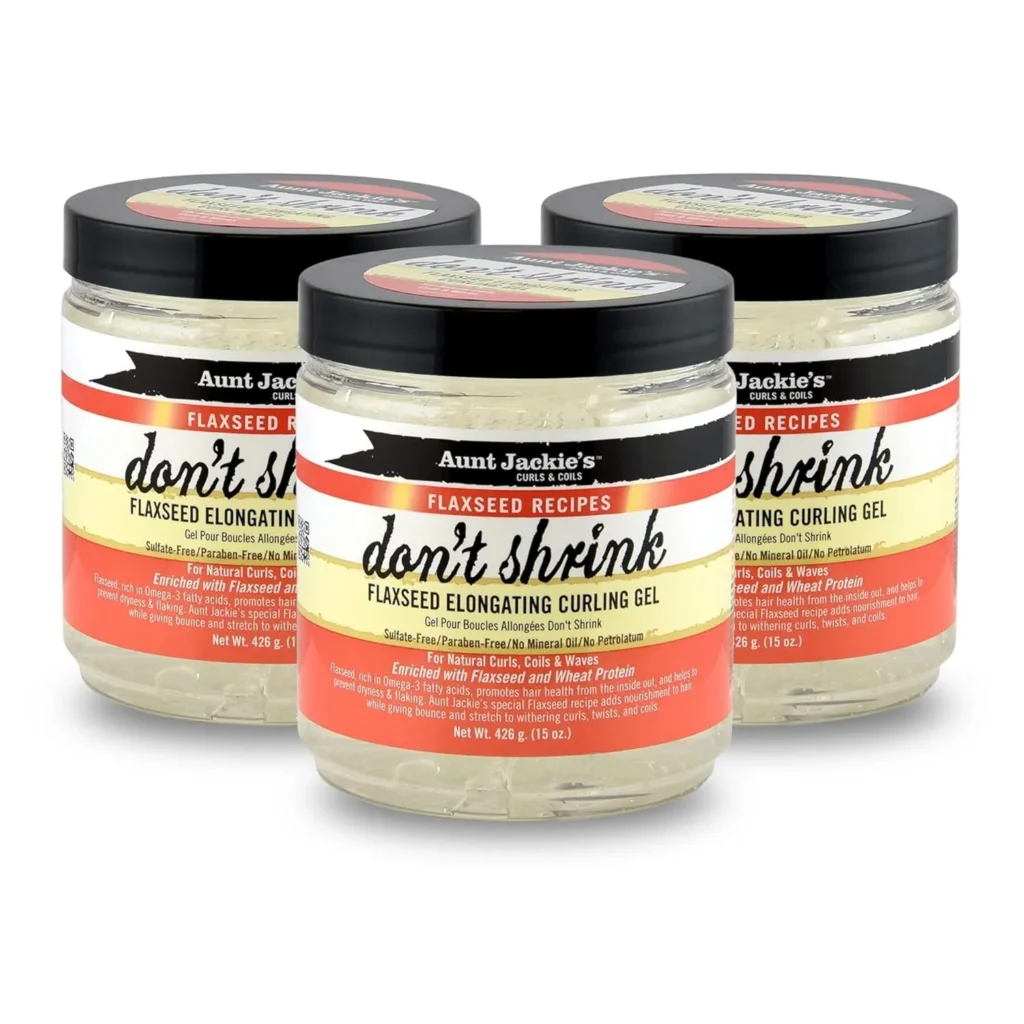
Aunt Jackie’s Flaxseed Recipes Don’t Shrink Flaxseed Elongating Curling Gel
Best for: Type 4 coils seeking length retention and definition
This gel uses flaxseed as a natural curl enhancer and elongator. Shea butter and extra virgin olive oil prevent dryness while providing long-lasting definition.
Pros:
- Reduces shrinkage noticeably
- Budget-friendly option
- Works well for twist-outs and braid-outs
Cons:
- Can feel sticky during application
- Strong scent may not appeal to everyone
Give this a try if you want to stretch your curl pattern naturally without heat or manipulation.
Simple Natural Curl Care Routine
Step 1: Pre-shampoo treatment – Apply oil (jojoba, argan, or olive) to dry hair and leave for 20 minutes. This protects hair during washing.
Step 2: Cleanse gently – Use a sulfate-free shampoo or co-wash, focusing on the scalp. Massage with fingertips, not nails.
Step 3: Deep condition weekly – Apply a moisture-rich conditioner from mid-length to ends. Cover with a shower cap for 15-30 minutes.
Step 4: Style on soaking wet hair – Apply leave-in conditioner, then gel or cream. Use praying hands or scrunching motions.
Step 5: Air dry or diffuse on low – High heat disrupts curl patterns. If using a dryer, keep it on cool or low settings.
Choosing the Right hair care products for curly hair
Fine curls (2B-3A): Look for lightweight gels and avoid heavy butters. Choose water-based leave-ins that won’t weigh down your pattern.
Medium curls (3B-3C): You can handle richer creams and oils. Balance moisture and protein every few weeks to maintain elasticity.
Coarse curls (4A-4C): Prioritize thick butters, oils, and deeply moisturizing products. Layer multiple products for maximum hydration.
Low porosity: Use light oils like argan or grapeseed. Avoid heavy products that sit on the hair shaft without penetrating.
High porosity: Seal moisture with heavier oils like castor or avocado. Look for products with humectants and protein.
Frequently Asked Questions
How long before I see results with natural products?
Most people notice improved moisture and manageability within 2-3 weeks. Significant changes to curl definition and strength typically appear after 6-8 weeks of consistent use.
Do natural products clean hair effectively?
Yes, but differently than sulfate shampoos. Natural cleansers remove dirt and oil without harsh foaming agents. You may need to adjust your washing frequency initially.
Can I use natural products if I have scalp conditions?
Many natural ingredients like tea tree oil and aloe vera actually help with dandruff and irritation. However, always patch-test new products and consult a dermatologist for persistent issues.
Will my hair go through a transition period?
If you’re switching from silicone-heavy products, expect a 2-4 week adjustment. Your hair may feel different as it releases buildup and adapts to gentler ingredients.
Are natural products safe for color-treated curls?
Most natural products are gentler on color than conventional formulas. Look for UV protection and avoid products with high pH levels that can strip color.
Final Thoughts
Natural hair care for curls isn’t about perfection—it’s about understanding what your hair needs and responding with patience. These products work gradually, building health from the inside rather than masking problems temporarily.
Results vary based on hair history, porosity, and individual sensitivity to ingredients. What transforms one person’s curls might not work identically for yours. Start with one or two products, observe how your hair responds, and adjust from there.
Consistency matters more than any single product. Give your routine at least a month before making major changes, and remember that healthy curls are a journey, not a destination.