Best Natural Skin Care Essential Oils in 2026
Your skin deserves more than synthetic fragrances and lab-made fillers. That’s why more people are turning to essential oils —concentrated plant extracts that have nourished skin for thousands of years. Unlike mass-market products loaded with questionable ingredients, essential oils offer targeted benefits backed by both traditional use and modern research. Whether you’re dealing with dryness, breakouts, or early signs of aging, there’s likely an essential oil that can help. This guide will show you how to choose and use them safely.
What are the best Natural Skin Care Essential Oils in 2026 ?
Table of Contents
What Makes Essential Oils Different from Regular Skincare
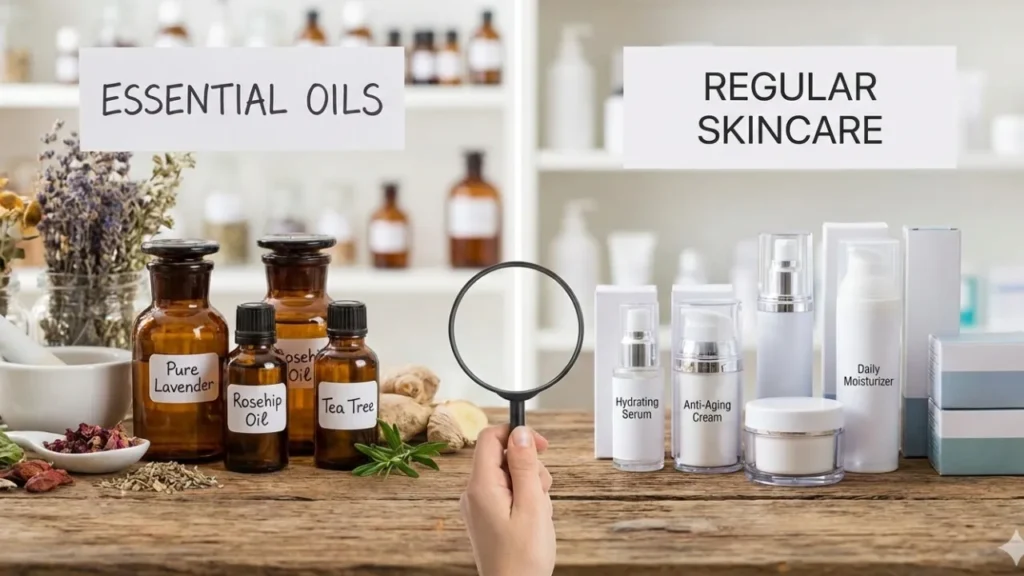
Essential oils are highly concentrated compounds extracted from plants through steam distillation or cold pressing. A single drop contains hundreds of active molecules that can penetrate skin layers conventional creams can’t reach.
Unlike water-based lotions that sit on your skin’s surface, essential oils are lipophilic—they merge with your skin’s natural oils. This allows their active compounds to work at a cellular level, supporting repair, reducing inflammation, and protecting against environmental damage.
The key difference? Essential oils work with your skin’s natural processes rather than masking problems temporarily. You won’t see overnight transformations, but consistent use over 4–8 weeks often brings noticeable improvements in texture, tone, and resilience.
Key Benefits of Essential Oils for Skin
- Deep hydration without clogging pores – Certain oils balance sebum production rather than adding excess oil
- Natural antimicrobial action – Many oils fight acne-causing bacteria without the harshness of benzoyl peroxide
- Anti-inflammatory properties – Reduces redness, irritation, and sensitivity from environmental stressors
- Antioxidant protection – Neutralizes free radicals that accelerate aging and damage skin cells
- Improved skin barrier function – Strengthens your skin’s protective layer, reducing moisture loss
- Gentle enough for sensitive skin – When properly diluted, most are safer than synthetic alternatives
Best Natural Skin Care Essential Oils in 2026
Lavender Essential Oil
Best for: Sensitive skin, minor irritations, and overall skin balance
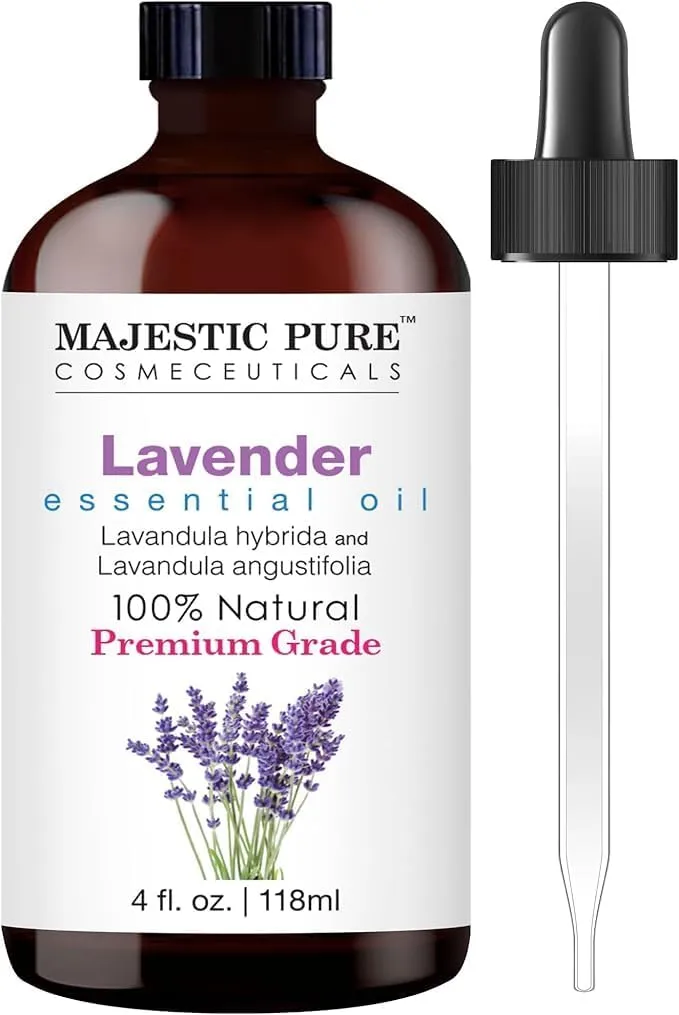
Lavender oil contains linalool and linalyl acetate—compounds proven to calm inflammation and promote skin healing. It’s one of the gentlest essential oils, making it ideal for people who react badly to harsher treatments.
Pros:
- Suitable for nearly all skin types
- Helps reduce redness and irritation quickly
- Promotes faster healing of minor blemishes
- Pleasant, calming scent supports relaxation
Cons:
- May be too mild for severe acne
- Quality varies significantly between brands
- Can cause reactions if not diluted properly
If you’re new to essential oils or have reactive skin, lavender is the safest place to start.
Tea Tree Essential Oil
Best for: Acne-prone and oily skin
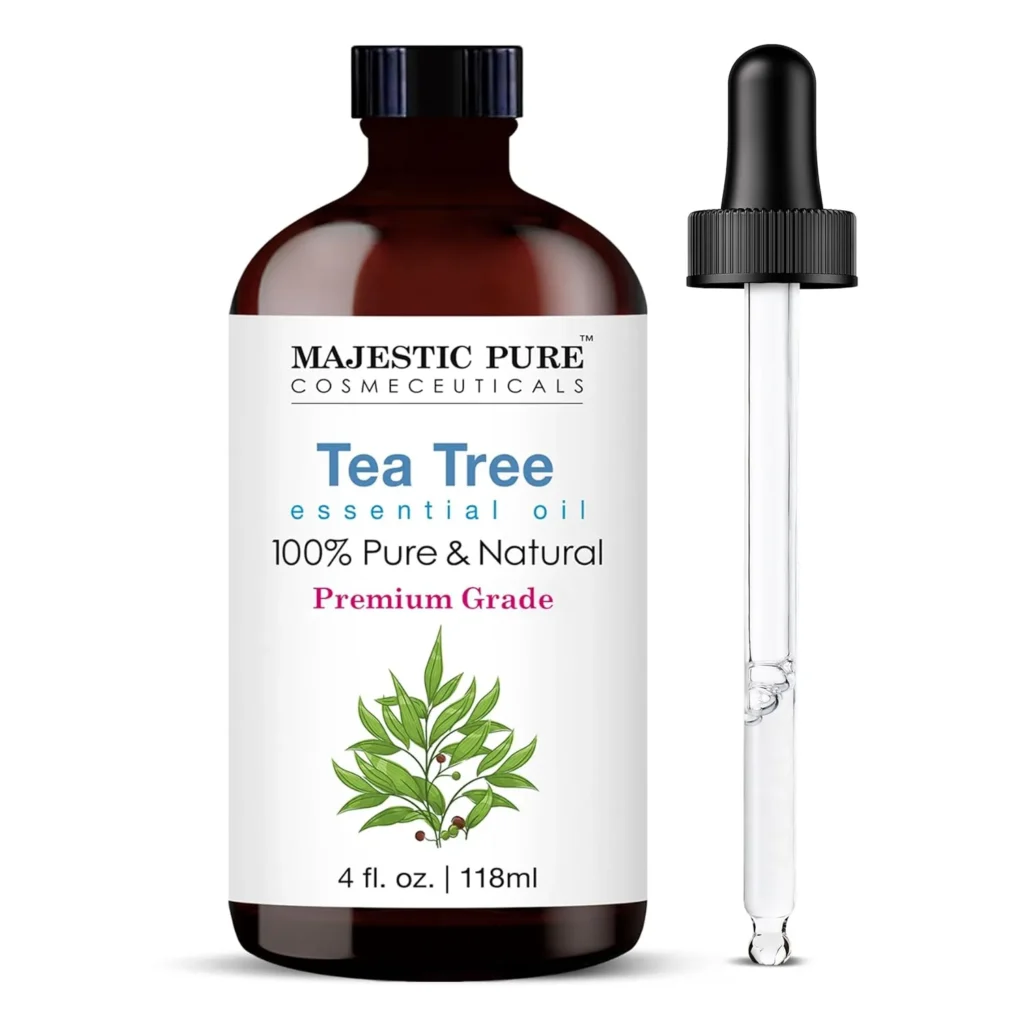
Tea tree oil’s terpinen-4-ol content gives it powerful antibacterial properties comparable to conventional acne treatments, but with less irritation when used correctly.
Pros:
- Clinically proven to reduce acne lesions
- Controls excess oil without over-drying
- Works on both inflammatory and non-inflammatory acne
- Also effective for scalp issues
Cons:
- Strong medicinal scent some find unpleasant
- Must be diluted—never use undiluted on skin
- Can be drying if overused
For stubborn breakouts that haven’t responded to gentler options, tea tree deserves a spot in your routine.
Frankincense Essential Oil
Best for: Mature skin and fine lines
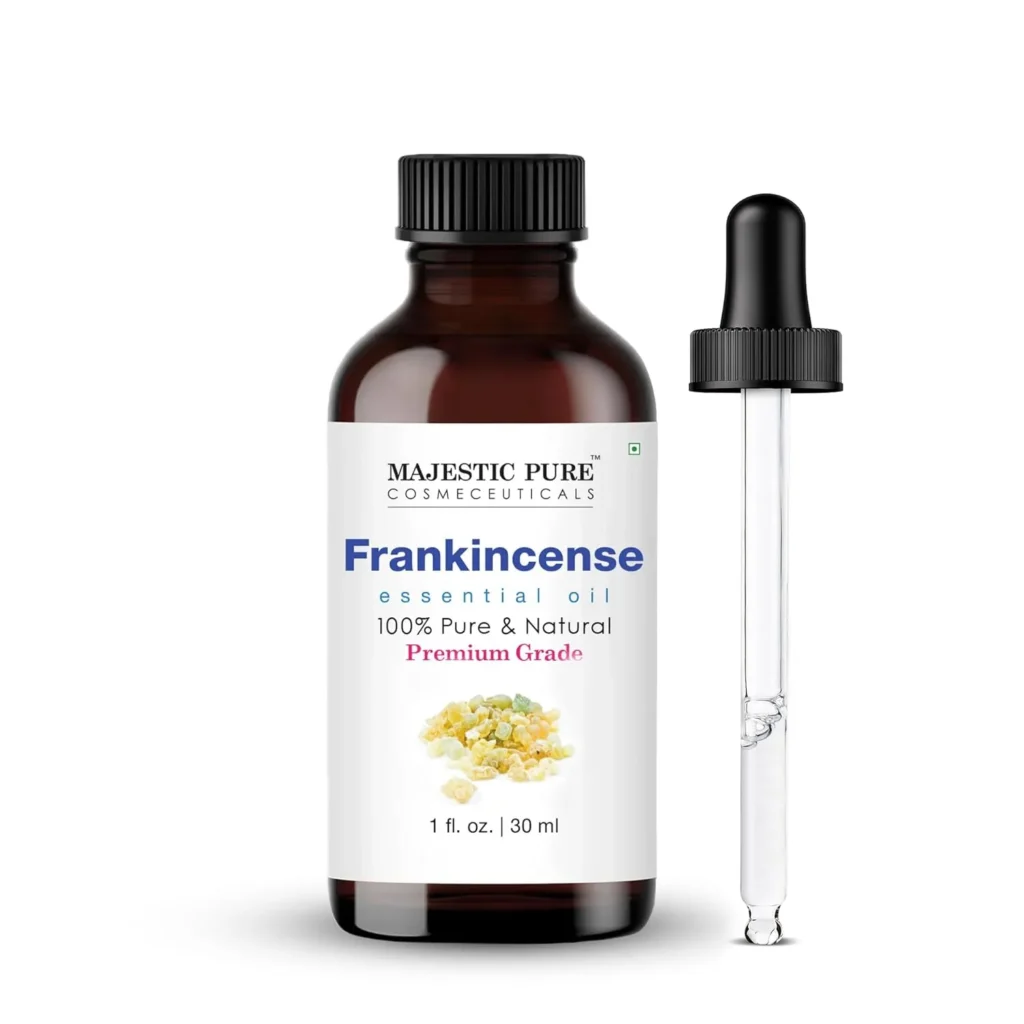
Frankincense contains boswellic acids that support skin cell regeneration and improve elasticity. It’s been used in Middle Eastern skincare for centuries, and modern studies confirm its anti-aging potential.
Pros:
- Visibly improves skin texture over time
- Reduces appearance of fine lines and scars
- Tightening effect without harsh chemicals
- Blends well with carrier oils for facial serums
Cons:
- Premium quality can be expensive
- Results take 6–8 weeks of consistent use
- Earthy scent isn’t everyone’s preference
If you’re looking for a natural alternative to retinol without the irritation, frankincense is worth the investment.
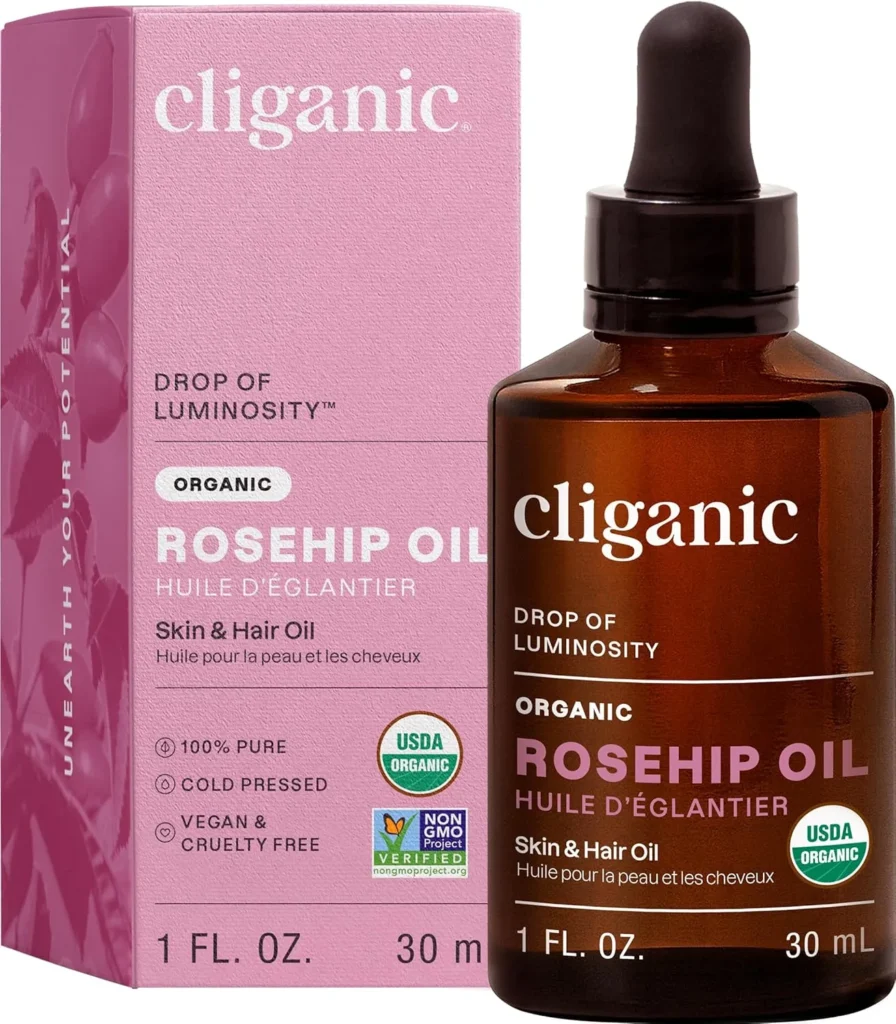
Rosehip Seed Oil
Best for: Dry, damaged, or scarred skin
Technically a carrier oil but often grouped with essential oils, rosehip is rich in vitamins A and C plus essential fatty acids that repair skin barrier damage.
Pros:
- Fades hyperpigmentation and acne scars
- Deep hydration without heaviness
- Absorbs quickly, works under makeup
- Safe for daily use on face and body
Cons:
- Shorter shelf life (refrigerate after opening)
- Nutty scent some find off-putting
- Not ideal for very oily skin
For anyone dealing with post-acne marks or sun damage, rosehip delivers visible results.
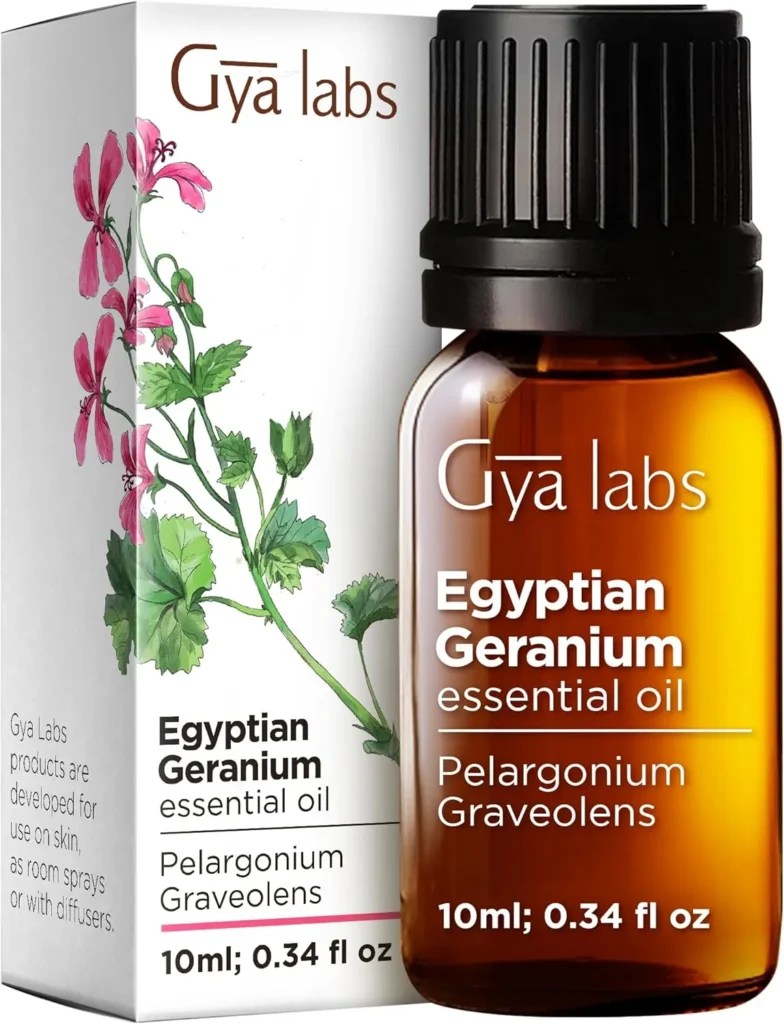
Geranium Essential Oil
Best for: Combination skin and hormonal breakouts
Geranium balances sebum production, making it uniquely suited for skin that’s both dry and oily in different areas.
Pros:
- Regulates oil production naturally
- Helps with hormonal acne flare-ups
- Brightens dull, uneven skin tone
- Floral scent most people enjoy
Cons:
- Can be stimulating for very sensitive skin
- Requires consistent use for best results
- May interact with certain medications (check with your doctor)
If your skin behaves differently throughout your cycle, geranium can help maintain consistency.
Simple Essential Oil Skincare Routine
Step 1: Always dilute essential oils in a carrier oil (jojoba, sweet almond, or argan). Standard dilution is 2–3 drops of essential oil per teaspoon of carrier oil.
Step 2: Cleanse your face with a gentle, oil-free cleanser and pat dry.
Step 3: Apply 3–4 drops of your diluted oil blend to slightly damp skin. This helps absorption.
Step 4: Massage gently in upward circular motions for 30–60 seconds.
Step 5: Allow 2–3 minutes for absorption before applying sunscreen (morning) or heavier moisturizer (evening).
Frequency: Start with once daily (evening) for the first week, then increase to twice daily if your skin responds well.
Choosing the Right Essential Oil for Your Skin
For dry or mature skin: Frankincense, rosehip, or sandalwood (mixed with rich carriers like avocado oil)
For oily or acne-prone skin: Tea tree, geranium, or clary sage (with lighter carriers like jojoba)
For sensitive or reactive skin: Lavender or chamomile (heavily diluted in calendula-infused oil)
For combination skin: Geranium or ylang-ylang (adjust carrier oil richness to different face zones)
For hyperpigmentation: Rosehip, carrot seed, or lemon (always use sunscreen—citrus oils increase sun sensitivity)
Frequently Asked Questions
Can I apply essential oils directly to my skin?
No. Essential oils are too concentrated and can cause burns, irritation, or allergic reactions when used undiluted. Always mix with a carrier oil first.
How long before I see results?
Most people notice initial improvements in 2–3 weeks, with more significant changes appearing after 6–8 weeks of consistent use. Skin cell turnover takes time.
Are essential oils safe during pregnancy?
Some are, some aren’t. Lavender and chamomile are generally considered safe, but avoid rosemary, clary sage, and others. Always consult your healthcare provider first.
Can essential oils replace my entire skincare routine?
They’re powerful additions but work best as part of a complete routine that includes cleansing, sun protection, and hydration. Think of them as targeted treatments, not total replacements.
What if I have an allergic reaction?
Do a patch test first: apply diluted oil to your inner forearm, wait 24 hours. If you experience redness, itching, or swelling during use, discontinue immediately and rinse with carrier oil (not water).
Final Thoughts
Essential oils offer a legitimate path to healthier skin, but they’re not magic potions. Results come from choosing the right oil for your specific concerns and using it consistently at proper dilutions.
Start with one oil, give it at least a month, and pay attention to how your skin responds. Quality matters—look for organic, therapeutic-grade oils from reputable suppliers. Store them properly (cool, dark places) and replace them when they smell off.
Your skin’s needs may change with seasons, age, and hormones. What works beautifully now might need adjustment later, and that’s completely normal.
Individual results vary based on skin type, environmental factors, and product quality. This information is educational and not a substitute for dermatological advice. If you have severe skin conditions, consult a healthcare professional before starting any new treatment.