What are the The Best foundations for Dry Skin
Dry skin and foundation don’t always get along. If you’ve ever applied makeup only to see it clinging to flaky patches or settling into fine lines by midday, you’re not alone. The challenge isn’t just coverage—it’s finding a formula that hydrates while it perfects.
More people are searching for foundations suited to dry skin because standard formulas often contain mattifying ingredients that strip moisture. The right foundation should feel like skincare, not just color. This guide breaks down what works, why it works, and how to choose a formula that leaves your skin looking naturally radiant instead of parched.
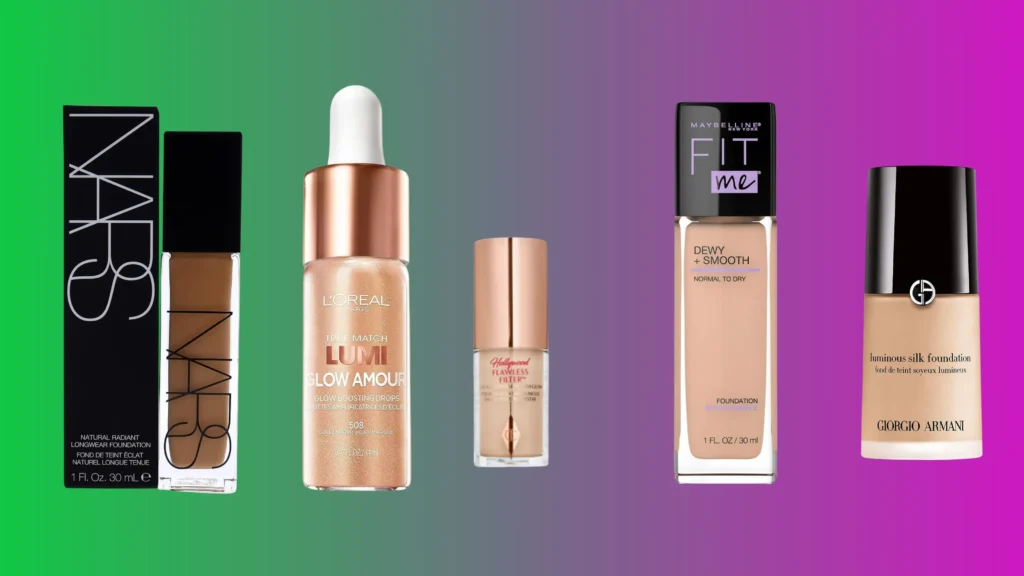
Table of Contents
What Makes Foundations for Dry Skin Different
Foundations designed for dry skin contain humectants like hyaluronic acid and glycerin that pull moisture into the skin. They’re typically built on emollient bases—oils and butters that create a protective barrier without feeling heavy.
Unlike matte or oil-free formulas, these foundations skip alcohol and high amounts of powder. Instead, they often include nourishing ingredients like squalane, vitamin E, or ceramides that support the skin barrier throughout the day.
The long-term benefit isn’t just better makeup application. Using a hydrating foundation daily can actually improve your skin’s texture over time by preventing trans-epidermal water loss and reducing irritation caused by drying ingredients.
Key Benefits of Hydrating Foundations
- Prevents makeup from emphasizing dry patches by creating a smooth, moisturized canvas
- Reduces the appearance of fine lines since hydrated skin naturally looks plumper
- Delivers skincare benefits while providing coverage, saving a step in your routine
- Maintains a natural, dewy finish that doesn’t look flat or cakey by afternoon
- Works well under setting spray or powder without disrupting the base layer
Best Foundations for Dry Skin
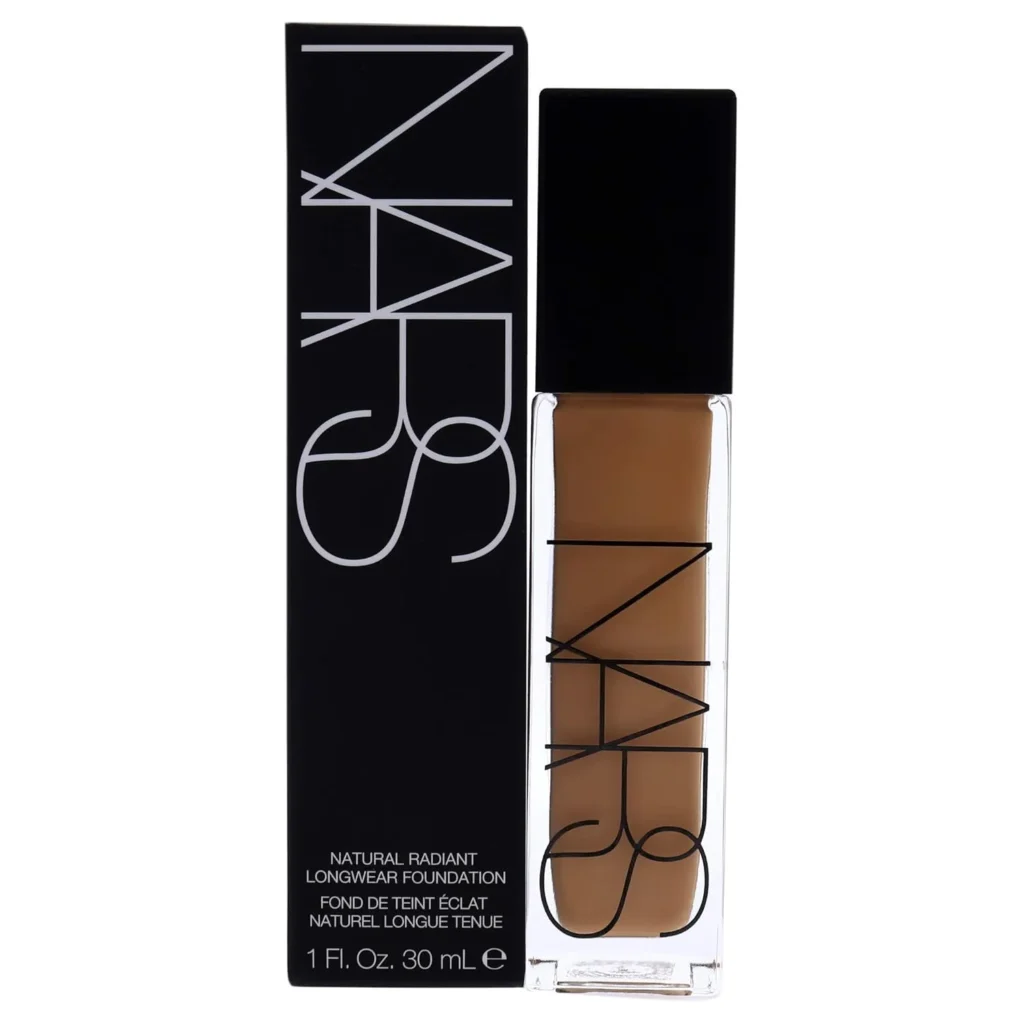
1. NARS Natural Radiant Longwear Foundation
Best for: Dry skin that needs full coverage without heaviness
This foundation combines raspberry, apple, and watermelon extracts with a buildable formula that doesn’t dry down completely matte. The lightweight texture feels almost serum-like but delivers impressive coverage that lasts 12+ hours.
Pros:
- Hydrating enough for very dry skin
- Wide shade range (33 options)
- Doesn’t oxidize or separate on dry patches
Cons:
- Higher price point
- Can be too dewy for combination zones
If you’ve struggled with foundations that start beautifully but look patchy by lunch, this formula’s staying power while maintaining moisture makes it worth trying.
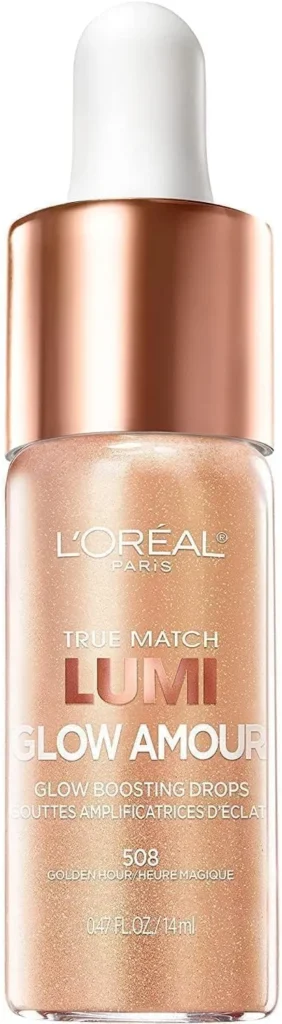
2. L’Oréal Paris True Match Lumi Glow Amour Glow Boosting Drops
Best for: Customizable radiance and light coverage needs
These aren’t a traditional foundation but work brilliantly for dry skin when mixed with moisturizer or used alone. The glycerin-rich formula contains light-reflecting pearls that give skin a subtle glow without shimmer.
Pros:
- Extremely affordable
- Mixable for custom coverage
- Adds radiance without looking oily
Cons:
- Limited coverage on its own
- Requires mixing for best results
For days when your skin feels tight but you want some coverage, mixing a few drops into your moisturizer creates a natural, hydrated finish.
3. Giorgio Armani Luminous Silk Foundation
Best for: Mature dry skin or anyone seeking a luxury formula
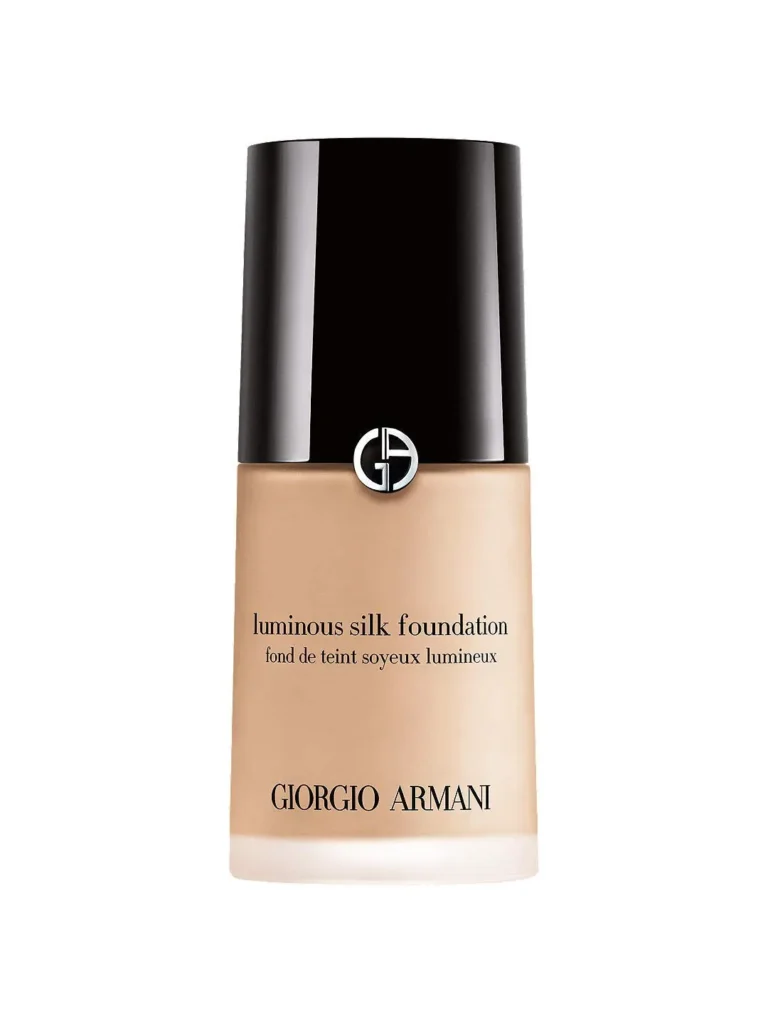
This cult-favorite contains glycerin and is formulated with Micro-fil technology that allows the foundation to meld with skin rather than sitting on top. It’s neither fully matte nor overly dewy—just naturally radiant.
Pros:
- Looks like real skin
- Medium coverage that’s buildable
- Wears beautifully for 8+ hours
Cons:
- Premium pricing
- Pump dispenser can be wasteful
The silky texture makes this ideal if you have dry skin with some texture concerns and want a polished, professional finish.
4. Maybelline Fit Me Dewy + Smooth Foundation
Best for: Budget-conscious shoppers with normal to dry skin
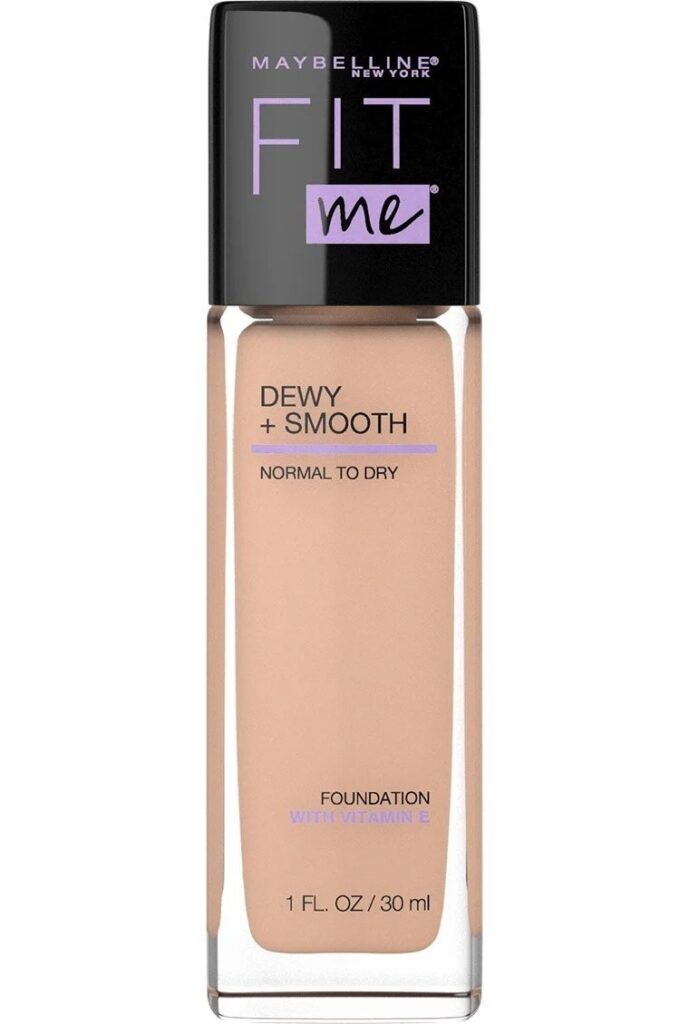
This drugstore option contains water and glycerin high on the ingredient list, creating a hydrating base that won’t break the bank. The finish is naturally dewy without looking greasy.
Pros:
- Very affordable
- Easy to find in stores
- Lightweight feel
Cons:
- Shade range could be more inclusive
- Light to medium coverage only
If you’re new to hydrating foundations or prefer a no-fuss approach, this delivers reliable moisture and coverage for everyday wear.
5. Charlotte Tilbury Hollywood Flawless Filter
Best for: Dry skin wanting a luminous, filtered look
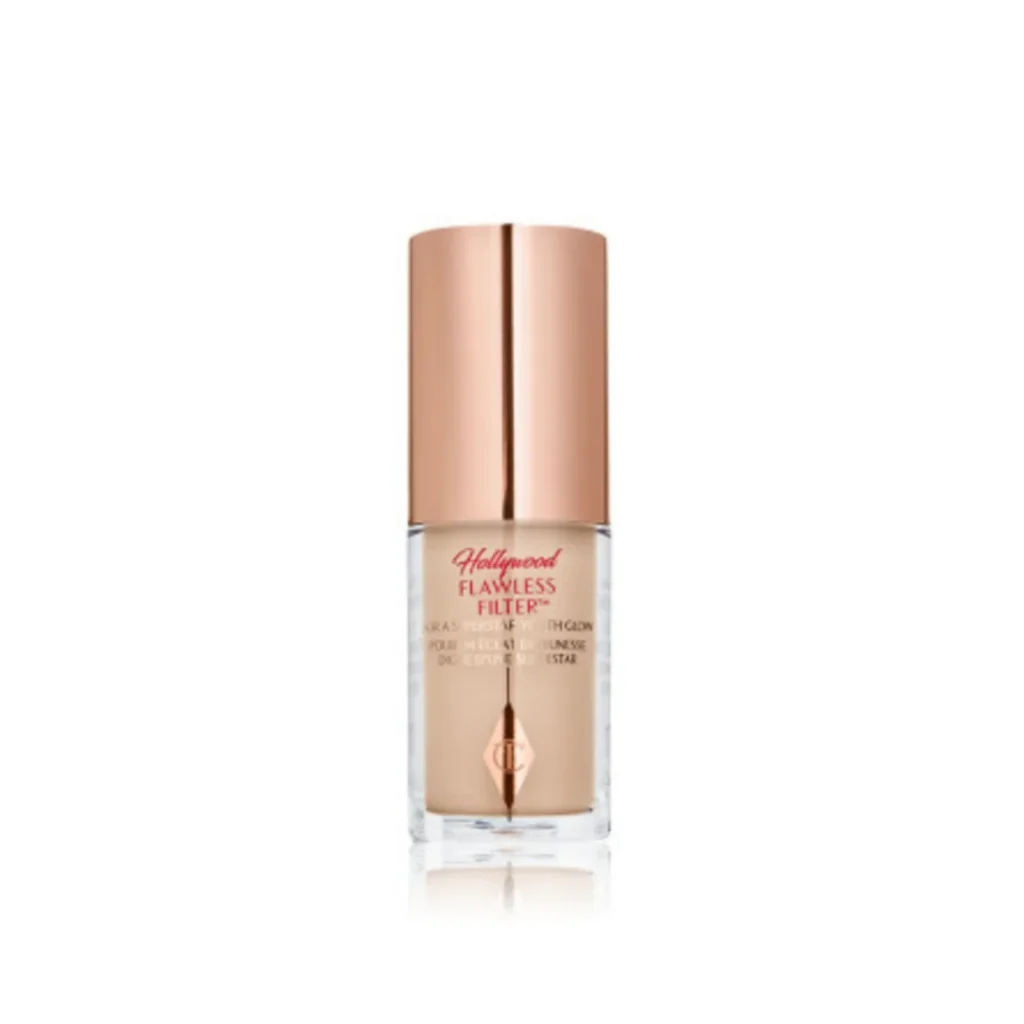
Technically a complexion booster, this works as a foundation alternative for dry skin. It contains hyaluronic acid and light-reflecting particles that blur imperfections while hydrating.
Pros:
- Creates an instant glow
- Can be layered or worn alone
- Photographs beautifully
Cons:
- Not ideal for oily areas
- More of a skin enhancer than true foundation
For special occasions or when you want your skin to look exceptionally radiant, this product delivers a healthy, lit-from-within glow.
How to Apply Foundation to Dry Skin
Step 1: Start with a hydrating serum or face oil. Let it absorb for 60 seconds.
Step 2: Apply a moisturizer suited to your skin type. Don’t skip this—it’s your foundation’s foundation.
Step 3: Use a damp beauty sponge or stippling brush to apply foundation. Avoid dragging motions that can lift dry patches.
Step 4: Build coverage gradually. One thin layer looks more natural than one thick application.
Step 5: Set only where needed (T-zone) with a finely-milled powder. Leave cheeks and other dry areas untouched.
Step 6: Finish with a hydrating setting spray to meld everything together.
Choosing the Right Foundation for Your Specific Needs
Very dry, flaky skin: Look for cream or cushion foundations with oils in the first five ingredients. Avoid anything labeled “oil-free” or “matte.”
Dry skin with fine lines: Choose formulas with hyaluronic acid or peptides. Avoid powder foundations entirely—they settle into creases.
Dry sensitive skin: Opt for fragrance-free options with minimal ingredients. Mineral foundations can be drying, so test first.
Combination-dry skin: Use a hydrating formula and set your T-zone lightly. Apply less product where you’re oilier.
Mature dry skin: Seek out foundations with anti-aging ingredients like vitamin E or niacinamide. Luminous finishes are more forgiving than matte.
Frequently Asked Questions
Can foundation actually hydrate my skin?
Foundations can help lock in moisture and prevent water loss, but they shouldn’t replace your skincare routine. Think of hydrating foundations as an added layer of protection, not a treatment.
Why does my foundation look cakey on dry skin?
Usually because the skin isn’t properly moisturized beforehand, or you’re using too much product. Prep is everything—invest time in skincare before makeup.
Should I use primer with hydrating foundation?
A hydrating or illuminating primer can help, but it’s not always necessary. If your moisturizer provides enough slip, you can skip it.
How often should I replace my foundation?
Most foundations last 12–18 months after opening. If it smells off, separates, or changes texture, replace it immediately.
Can I use setting powder with these foundations?
Yes, but sparingly. Use a light hand and focus only on areas prone to oiliness. Over-powdering defeats the purpose of a hydrating formula.
Final Thoughts
Finding the right foundation for dry skin is about matching formulation to your specific needs, not chasing trends or claims. What works beautifully for someone else might emphasize your dry patches, and that’s completely normal.
Consistency matters more than the price tag. Even a budget-friendly option will outperform a luxury formula if it’s applied to well-moisturized skin and suits your coverage preferences.
Remember that results vary based on climate, skincare routine, and how your skin changes seasonally. Give any new foundation at least a week of testing before deciding if it’s right for you. Your skin deserves a foundation that works with it, not against it.