Obagi Skin care Review: Best Products Ranked
If you’ve spent time researching serious skincare solutions, you’ve likely come across Obagi. This isn’t your typical drugstore brand—it’s a physician-dispensed line that targets stubborn concerns like hyperpigmentation, acne scars, and visible signs of aging.
People are searching for Obagi now because they’re tired of surface-level results. They want formulas backed by dermatological research, not just marketing. But with premium pricing and prescription-strength ingredients, it’s fair to wonder: does Obagi actually deliver, or is it just expensive hype?
Table of Contents
What Makes Medical-Grade Skin care Different
Medical-grade skincare like Obagi contains higher concentrations of active ingredients than over-the-counter products. This means faster, more visible results—but also a higher risk of irritation if not used correctly.
These products work at a cellular level. Instead of temporarily smoothing the skin’s surface, they promote cell turnover, boost collagen production, and inhibit melanin formation. The trade-off? You’ll need patience during the adjustment period, and consistency is non-negotiable.
Results typically appear within 6–12 weeks, not overnight.
Key Benefits of Obagi Skin care
- Targets deep pigmentation issues other products can’t touch
- Clinically proven formulations developed by dermatologists
- Addresses multiple aging concerns in one comprehensive system
- Prescription-strength actives without needing a prescription for most products
- Long-term skin transformation, not just temporary improvement
Best Obagi Products: What Actually Works
Obagi Nu-Derm System
Best for: Moderate to severe hyperpigmentation, melasma, and photodamage
This is Obagi’s flagship system—a complete transformation protocol that includes cleansers, toners, correctors, and hydrators. The star ingredient is hydroquinone (in prescription versions) or arbutin (in non-prescription versions), combined with tretinoin to accelerate cell renewal.
The system works by suppressing melanin production while exfoliating damaged surface cells. It’s intensive and requires commitment.
Pros:
- Dramatic improvement in dark spots and uneven tone
- Comprehensive approach addresses multiple concerns
- Results backed by decades of clinical use
Cons:
- Expensive (full system costs $300–$400)
- Causes initial peeling and redness
- Requires strict sun protection
- Some versions need a prescription
If you’re serious about correcting stubborn pigmentation and willing to invest both time and money, the Nu-Derm system has a proven track record worth considering.
Obagi Clinical Vitamin C Serum
Best for: Dull skin, early signs of aging, antioxidant protection
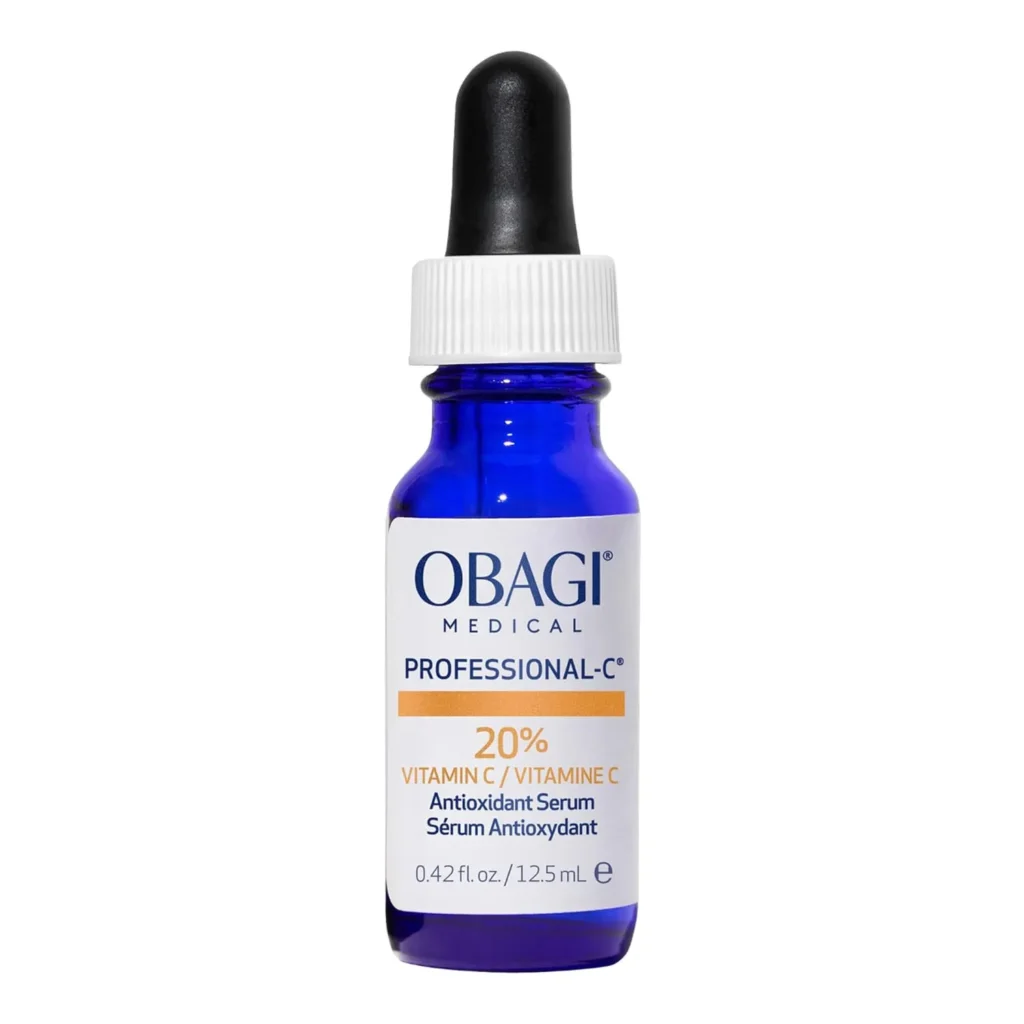
This 10% L-ascorbic acid serum brightens and defends against environmental damage. It’s formulated at an optimal pH for stability and absorption, which many vitamin C products fail to achieve.
The lightweight texture layers well under moisturizer and sunscreen without pilling.
Pros:
- Stable formulation that doesn’t oxidize quickly
- Visible brightening within 4–6 weeks
- Suitable for most skin types
- Can be used long-term safely
Cons:
- May sting sensitive skin initially
- Requires refrigeration for maximum shelf life
- More expensive than comparable vitamin C serums
For those building a solid prevention routine, this is a reliable vitamin C option that actually stays potent.
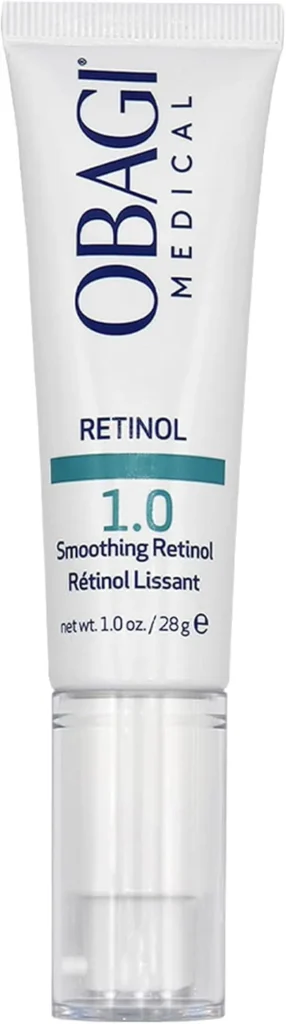
Obagi Retinol 1.0
Best for: Fine lines, texture issues, acne-prone skin without prescription access
Not everyone wants or needs tretinoin. This 1% retinol cream offers meaningful anti-aging benefits with less irritation than prescription retinoids.
It’s formulated with a time-release delivery system that minimizes the adjustment period while still delivering cell turnover benefits.
Pros:
- Effective concentration without prescription
- Less irritating than tretinoin
- Improves both texture and tone
- Can be incorporated gradually
Cons:
- Still requires careful introduction
- Not as powerful as prescription options
- Premium price point for a retinol
If you want retinoid benefits but aren’t ready for prescription strength, this bridges the gap effectively.
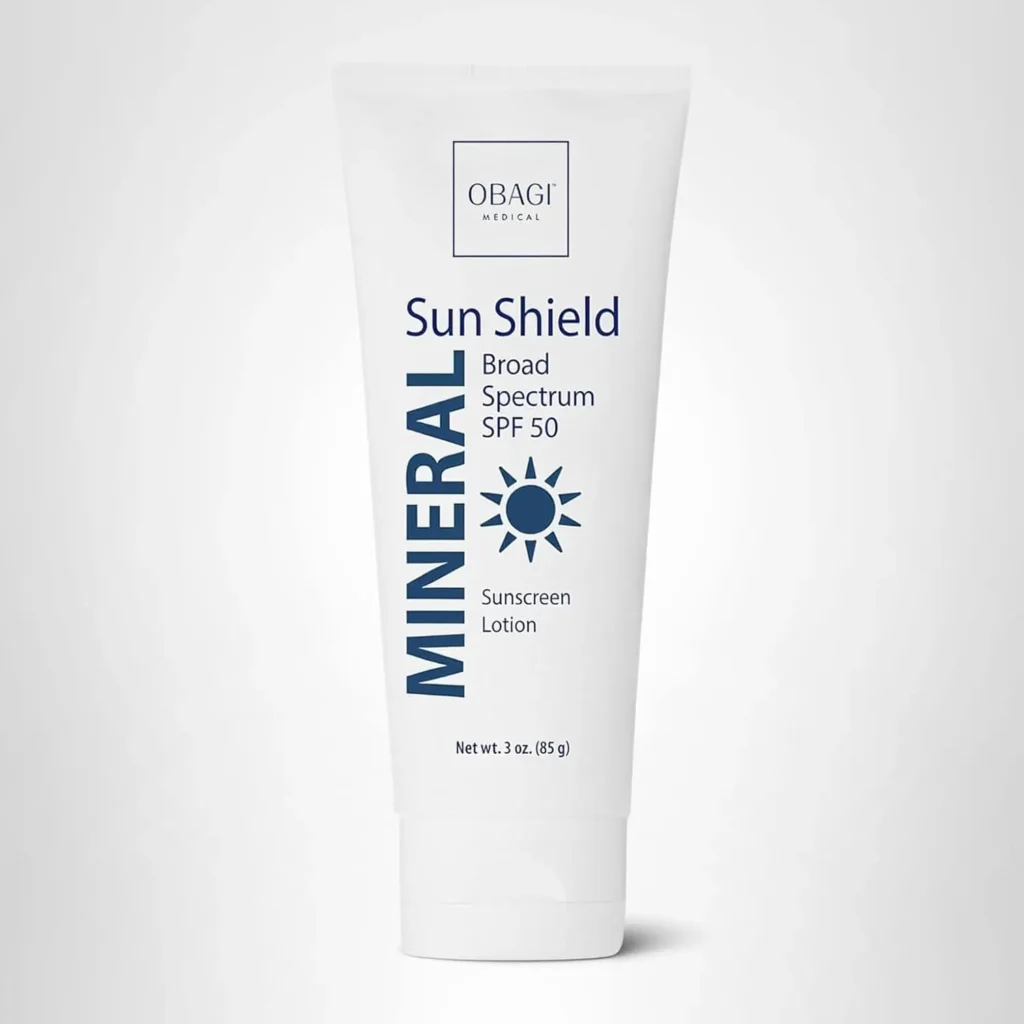
Obagi Sun Shield Matte SPF 50
Best for: Anyone using active skincare, especially with oily or combination skin
Using Obagi actives without proper sun protection is pointless—and potentially harmful. This broad-spectrum mineral sunscreen provides strong UVA/UVB defense with a matte finish that works under makeup.
The formula contains zinc oxide and is fragrance-free.
Pros:
- True broad-spectrum protection
- Matte finish controls shine
- Doesn’t leave a white cast
- Dermatologist-recommended formula
Cons:
- Can feel slightly heavy in humid climates
- Needs reapplication like all sunscreens
- Higher price than drugstore options
Investing in active skincare without quality sun protection undermines your entire routine—this sunscreen completes the equation.
How to Build an Obagi Routine
Morning:
- Cleanse with a gentle, pH-balanced cleanser
- Apply Vitamin C serum to dry skin
- Follow with moisturizer if needed
- Finish with SPF 50 sunscreen (non-negotiable)
Evening:
- Double cleanse to remove sunscreen and debris
- Apply retinol or prescription tretinoin (start 2–3x weekly)
- Use a hydrating cream to support barrier function
- Spot-treat with targeted correctors if using Nu-Derm system
Important: Don’t start everything at once. Introduce one active ingredient at a time, waiting 2–3 weeks between additions.
Choosing the Right Obagi Product for Your Skin
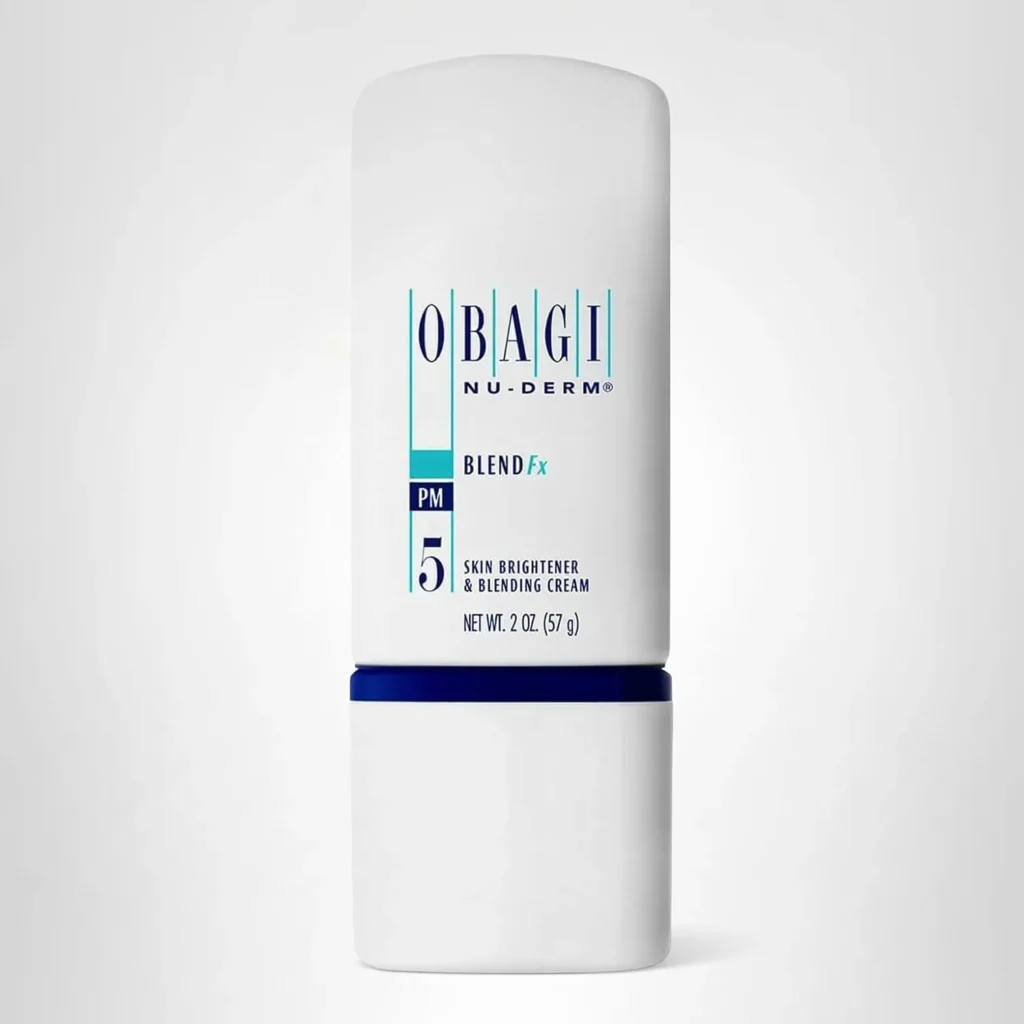
For stubborn dark spots: Nu-Derm Clear or Blender (prescription versions work fastest)
For general anti-aging prevention: Vitamin C serum + Retinol 1.0 combination
For sensitive skin: Start with the Professional-C Serum 10% before advancing to stronger actives
For acne-prone skin: CLENZIderm system (specifically formulated for acne)
For mature skin with deep wrinkles: Consider prescription tretinoin through the Nu-Derm system
Don’t guess—consult with a dermatologist or licensed aesthetician to match products to your specific concerns.
Frequently Asked Questions
Is Obagi suitable for sensitive skin?
Obagi products are potent. If you have sensitive skin, start with lower concentrations and introduce slowly. The Professional-C line is generally gentler than Nu-Derm.
How long before I see results?
Expect 6–12 weeks for pigmentation improvements, 8–16 weeks for texture and fine lines. Immediate results are not realistic with legitimate skin transformation.
Why is Obagi so expensive?
Medical-grade formulations use higher concentrations of research-backed actives and undergo more rigorous testing than cosmetic-grade products. You’re paying for efficacy, not just packaging.
Final Thoughts
Obagi isn’t for everyone, and that’s okay. These are serious formulations designed for specific skin concerns, not vanity purchases.
If you have stubborn hyperpigmentation, advanced sun damage, or haven’t seen results from gentler products, Obagi may be worth the investment. But it requires commitment—both financial and in terms of following the protocol correctly.
Results vary based on skin type, concern severity, and consistency. No skincare product delivers miracles, regardless of price.
Start with a consultation, introduce products gradually, and give your skin time to respond. Realistic expectations and patience are just as important as the products themselves.