Best Dread Hair Care Products in 2026
Dreadlocks require specific care that contradicts much of what we’re taught about hair maintenance. The unique structure of locs—intentionally matted and compressed hair—needs products that clean without loosening, moisturize without causing buildup, and strengthen without weighing down.
More people are searching for specialized dread care products because mainstream hair products often contain ingredients that work against loc formation and maintenance. Residue-heavy conditioners, waxy pomades, and petroleum-based moisturizers can prevent locs from tightening properly or cause long-term buildup that’s nearly impossible to remove.
This guide focuses on products specifically formulated for dreadlocks at every stage, from starter locs to mature, years-old growth.
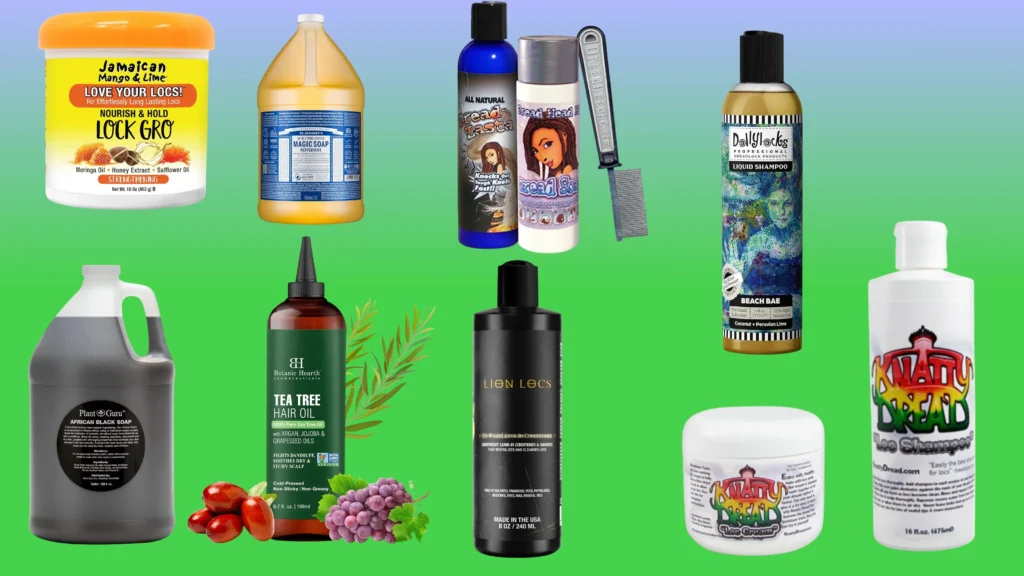
Table of Contents
What Makes Dread Hair Care Products Different
Dread-specific products are formulated to work with your hair’s locked structure rather than trying to “fix” it. Unlike conventional hair products that aim to separate and smooth strands, loc products promote compression and maintain the intentional texture.
The best products are residue-free, meaning they rinse completely clean without leaving coating or buildup inside your locs. This prevents the musty smell, mildew growth, and weakening that comes from trapped product.
Quality dread products also account for the increased drying time locs require. They help moisture penetrate the compressed hair structure while allowing proper airflow during the drying process.
Key Benefits of Using Specialized Dread Products
- Prevents buildup that causes odor and weakens locs over time
- Promotes proper locking without interfering with the matting process
- Reduces drying time compared to heavy conventional products
- Maintains scalp health despite less frequent washing
- Strengthens hair structure from inside the loc
- Extends time between retwists by keeping locs neat longer
- Prevents lint attraction that makes locs look dull and dirty
Best Dread Hair Care Products
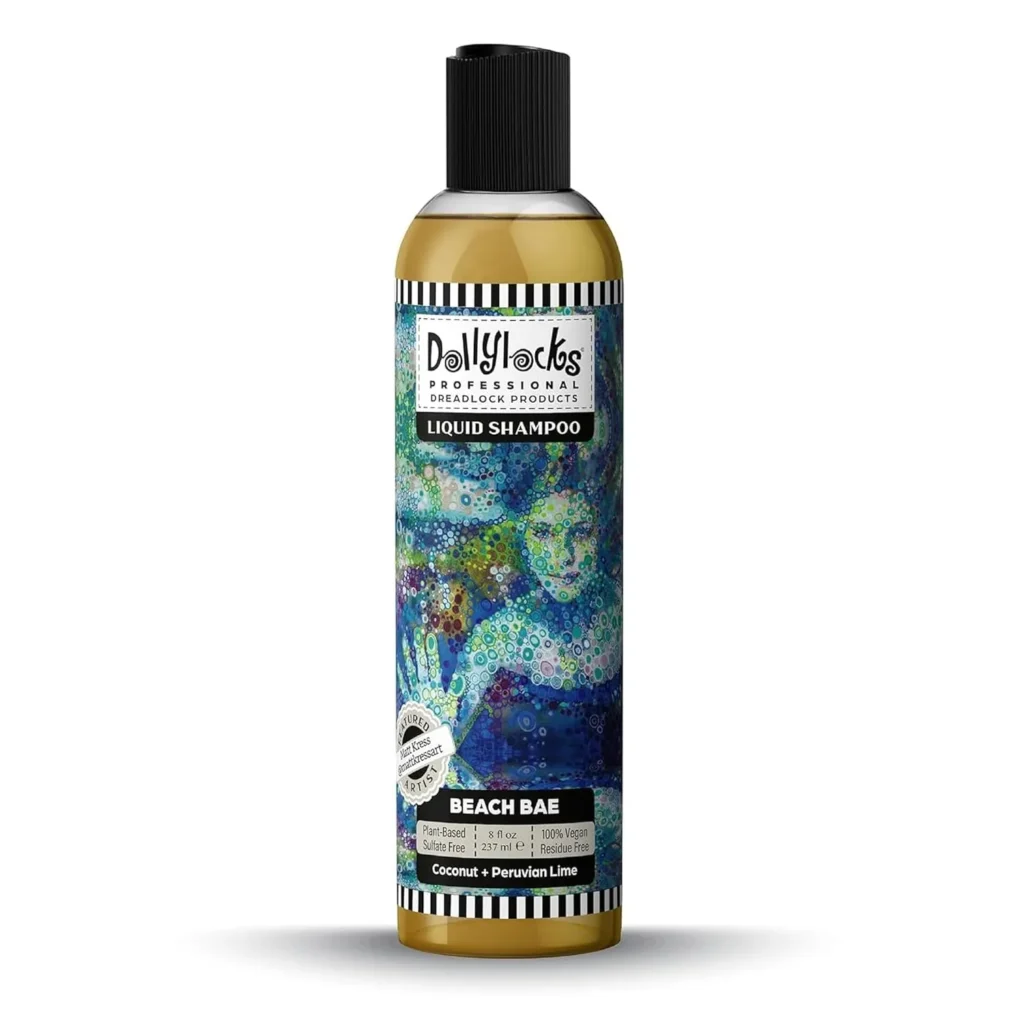
Dollylocks Coconut Lime Shampoo Bar (USA)
Best for: All loc stages, especially mature locs needing deep cleaning
This concentrated bar formula provides thorough cleansing without sulfates or residue-causing ingredients. The solid format also eliminates water weight, making it travel-friendly.
Pros:
- Completely residue-free formula
- One bar lasts 80+ washes
- Pleasant natural scent
- Works in hard or soft water
Cons:
- Takes adjustment if you’re used to liquid shampoo
- Not moisturizing (which is intentional but may feel drying)
- Higher upfront cost despite long-term value
If you’ve struggled with product buildup or loc odor, switching to a residue-free shampoo bar will solve the problem within a few washes.
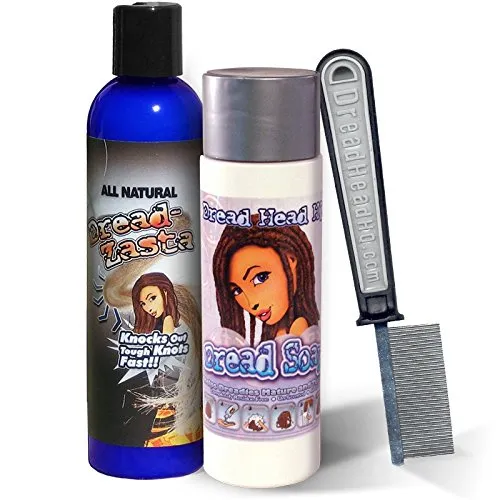
Knotty Boy Dreadlock Removal Kit
Best for: Those considering removing locs or dealing with severe buildup
While primarily a removal product, the deep-cleansing conditioner in this kit also works for occasional clarifying treatments on locs you’re keeping.
Pros:
- Removes years of buildup effectively
- Can save locs that seem beyond repair
- Includes multiple treatment steps
Cons:
- Expensive for regular maintenance
- Time-intensive process
- May loosen newer locs if used too frequently
Even if you never plan to remove your locs, having a serious buildup treatment option gives peace of mind.
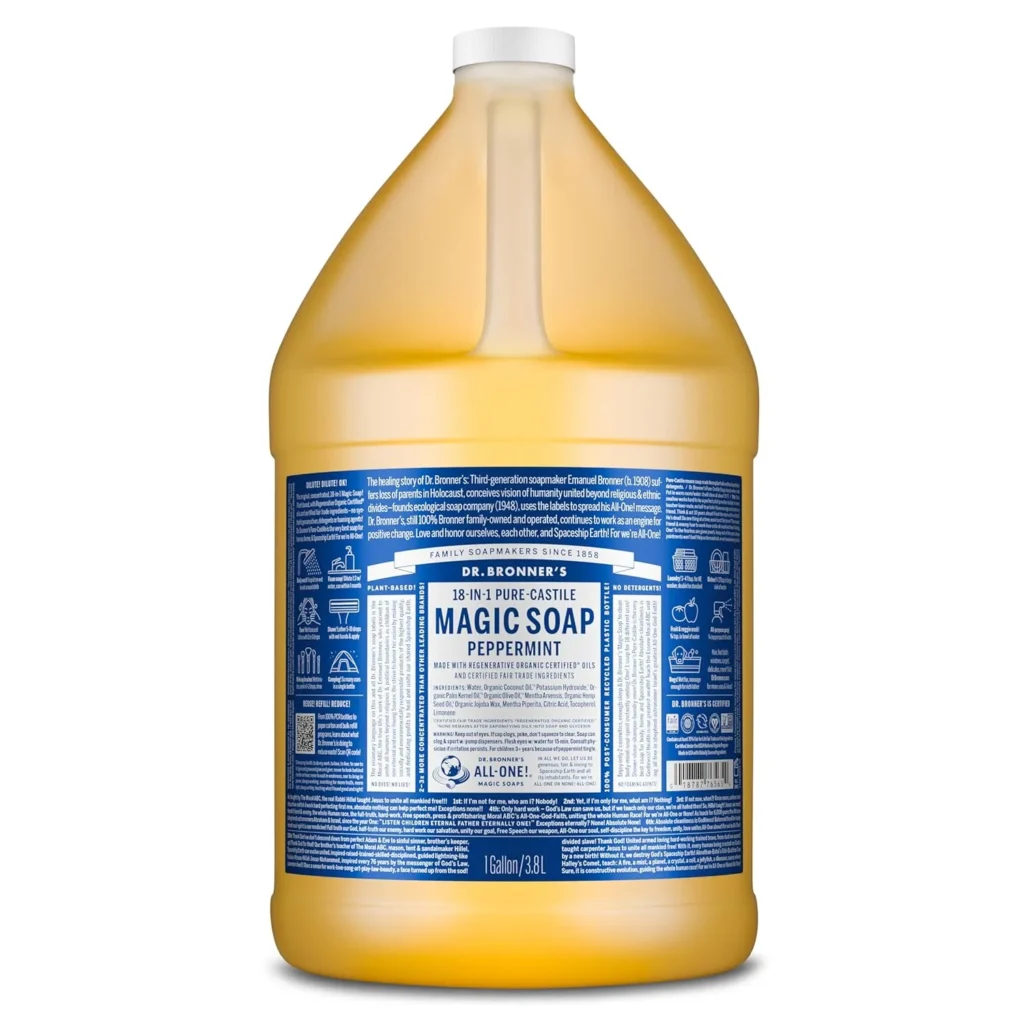
Dr. Bronner’s Pure Castile Soap
Best for: Budget-conscious loc wearers, sensitive scalps
This concentrated liquid soap dilutes significantly, making it economical. The simple ingredient list works for those with allergies or sensitivities.
Pros:
- Extremely affordable per wash
- Multiple scent options including unscented
- Organic and fair-trade certified
- Versatile for body and home use too
Cons:
- Must be properly diluted or it’s drying
- Can leave residue if not rinsed thoroughly
- No loc-specific instructions on bottle
Diluting properly is essential—use 1 tablespoon per cup of water for best results.
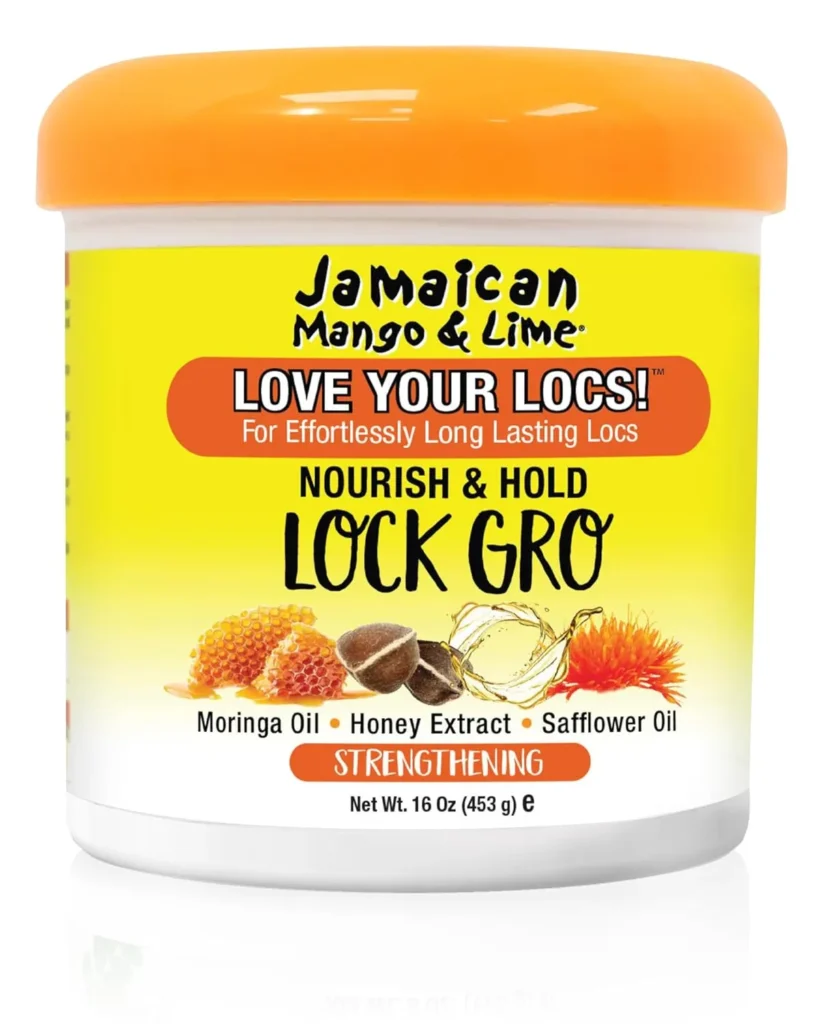
Jamaican Mango & Lime Tightening Gel
Best for: Palm rolling maintenance and retwisting
This gel provides hold for styling and retwisting without flaking or creating crunchy texture. The formula rinses out completely when you wash.
Pros:
- Strong hold for new growth control
- Doesn’t leave white residue
- Works on all hair textures
- Affordable and widely available
Cons:
- Contains some alcohol (can be drying with overuse)
- Sticky during application
- Scent is strong and not everyone’s preference
Use sparingly—a little goes far, and overuse leads to unnecessary buildup.
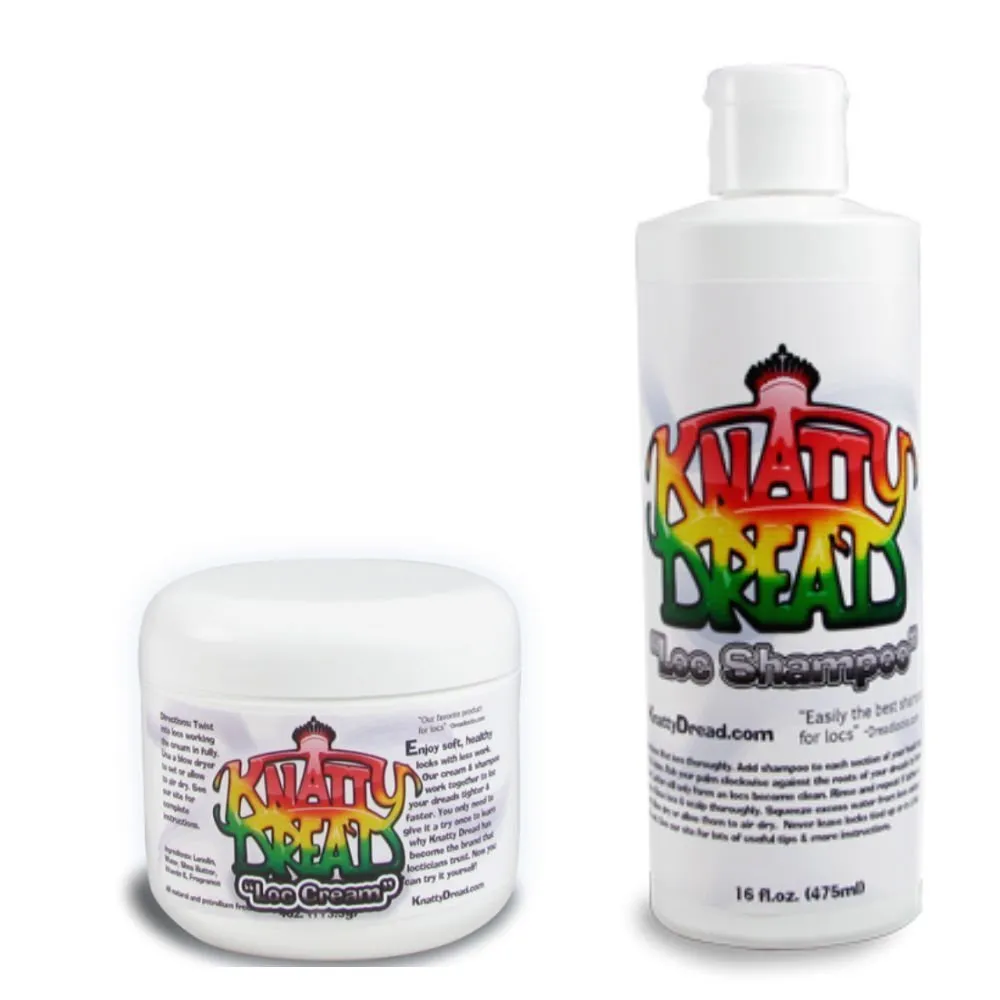
Knatty Dread Cream
Best for: Moisturizing mature locs without heaviness
This lightweight cream penetrates locs to deliver moisture without sitting on the surface. The non-greasy formula won’t attract lint or dust.
Pros:
- Absorbs quickly into compressed hair
- Light herbal scent
- Doesn’t require washing out
- Small amount covers many locs
Cons:
- More expensive than DIY oil mixtures
- Jar packaging isn’t travel-friendly
- May not provide enough moisture for very dry climates
For locs that feel brittle or look dull, this provides internal moisture rather than just surface shine.
Lion Locs Loc Supa Conditioner
Best for: Occasional deep conditioning without loosening locs
Unlike regular conditioners that can unravel locs, this formula is designed to condition without lubricating strands apart from each other.
Pros:
- Strengthens without softening texture
- Penetrates without coating
- Safe for all loc stages
- Pleasant natural ingredients
Cons:
- Not suitable for weekly use
- Requires longer rinse time
- Pricey for the bottle size
Use monthly or quarterly depending on your hair’s porosity and environmental exposure.
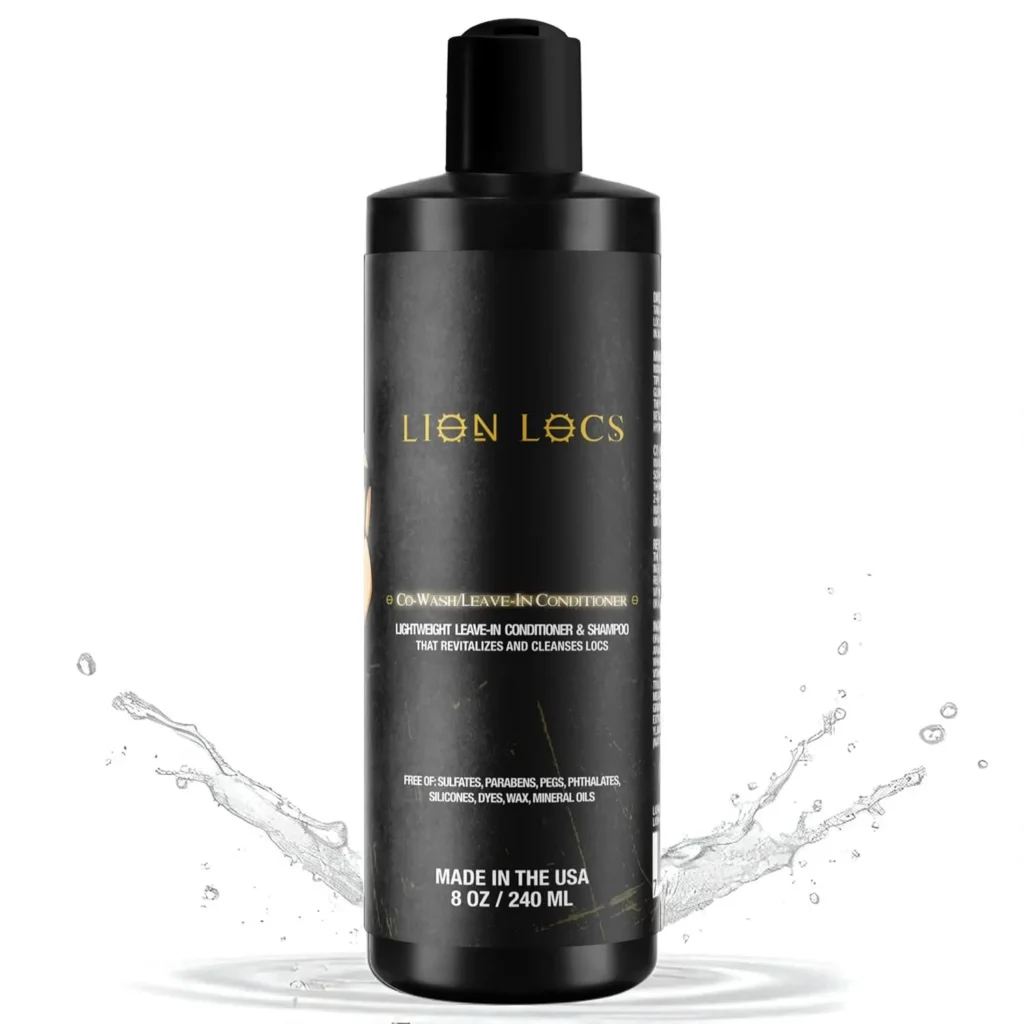
Tea Tree Oil (Various Origins, Global)
Best for: Scalp health, dandruff control, and odor prevention
Pure tea tree oil added to shampoo or diluted in water provides antibacterial and antifungal benefits crucial for healthy locs.
Pros:
- Prevents scalp issues before they start
- Natural and chemical-free
- Multi-purpose for skin issues too
- A little bottle lasts months
Cons:
- Must be diluted—never use full strength
- Strong medicinal scent
- Can cause irritation if overused
Add 5-10 drops to your shampoo or spray bottle for safe, effective use.
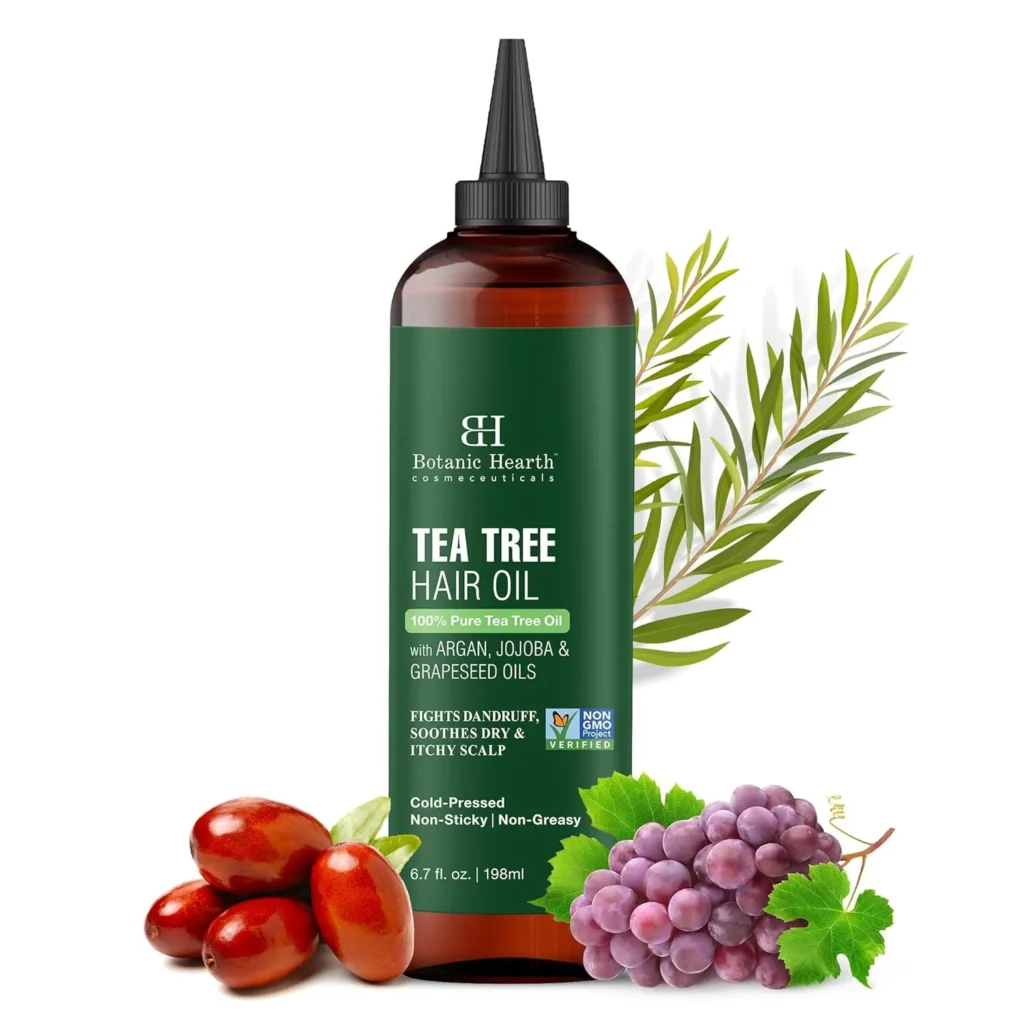
Liquid African Black Soap (Ghana/West Africa)
Best for: Clarifying washes and buildup removal
This traditional soap deep-cleans without harsh detergents. It’s particularly effective for removing styling product buildup.
Pros:
- Natural ingredients including plantain and cocoa pod ash
- Clarifies without stripping
- Helps with scalp conditions
- Authentic product supports African communities
Cons:
- Can be drying without follow-up moisture
- Leaves hair feeling squeaky (normal for this product)
- Slight learning curve for proper use
Use monthly as a reset wash, followed by your regular moisturizing routine.
Complete Dread Hair Care Routine
Week 1-2: Washing Schedule
Wash locs every 7-10 days with residue-free shampoo. New locs may need less frequent washing to encourage locking.
Washing Process
Wet locs thoroughly with warm water. Apply diluted shampoo directly to scalp, massaging gently. Squeeze suds through locs from root to tip—don’t rub or create friction. Rinse until water runs completely clear, which takes longer than regular hair.
Drying Technique
Squeeze excess water out gently. Wrap in microfiber towel or t-shirt for 20-30 minutes. Air dry completely—this can take 4-8 hours for thick or long locs. Never sleep on damp locs.
Moisturizing Routine
Apply lightweight loc cream or oil spray to dry locs 2-3 times weekly. Focus on the length and ends, not just the roots.
Maintenance Schedule
Retwist or palm roll new growth every 4-6 weeks. Use minimal gel or wax, only at roots. Over-twisting damages hair and causes thinning.
Deep Treatment
Perform clarifying wash with African black soap or apple cider vinegar rinse monthly to prevent buildup. Follow with conditioning treatment quarterly.
Choosing Products Based on Your Loc Stage
Starter locs (0-6 months): Minimal product use. Focus on residue-free shampoo and light gel for twisting only. Avoid heavy moisturizers that prevent locking.
Teenage locs (6-18 months): Continue residue-free washing. Begin incorporating light moisturizers as locs solidify. Still avoid anything that could loosen progress.
Mature locs (18+ months): Full product range is safe to use. Focus on moisture and scalp health. Can handle occasional conditioning treatments.
Thick, coarse hair: Needs more moisture. Use cream-based products and oil sprays more frequently.
Fine, thin hair: Lightweight products only. Minimize manipulation and product use to prevent thinning and breakage.
Color-treated locs: Gentle, sulfate-free products essential. Increase deep conditioning frequency to prevent dryness and breakage.
Frequently Asked Questions
How often should I wash my dreads?
Every 7-10 days for most people. Less frequent washing doesn’t help locs form faster—it just creates scalp problems and odor. Very active people or those in humid climates may need to wash weekly.
Can I use regular conditioner on my locs?
No. Regular conditioner lubricates hair to prevent tangling, which works directly against the locking process. Use only conditioners specifically formulated for dreadlocks, and even then, sparingly.
Why do my locs smell even after washing?
Trapped moisture and product buildup cause odor. Ensure locs dry completely after washing—this can take most of a day. Switch to residue-free products and do a clarifying wash to remove existing buildup.
Is it normal for locs to feel dry?
Some dryness is normal because locs can’t distribute scalp oils like loose hair. Combat this with light, water-based moisturizers. Avoid heavy oils that sit on the surface and attract lint.
Can I use regular hair oil on my dreads?
Coconut, jojoba, and argan oil work well in moderation. Avoid mineral oil, petroleum jelly, and heavy butters that cause buildup. Always use oils sparingly—a few drops warmed between palms is enough.
Final Thoughts
Caring for dreadlocks is simpler than maintaining loose hair once you understand the fundamental principle: less is more. Your locs don’t need daily styling products, constant moisturizing, or frequent manipulation.
Focus on cleanliness, proper drying, and minimal product use. The most common loc problems—odor, buildup, thinning, and breakage—come from using too much product or the wrong products, not from using too little.
Your loc journey is unique to your hair texture, lifestyle, and environment. What works perfectly for someone else might need adjustment for you. Pay attention to how your locs respond and adjust your routine accordingly.
Results vary based on hair texture, loc age, climate, and product selection. These recommendations provide general guidance but may require personalization. Consistent care produces healthier outcomes than product choice alone.