How to keep hair healthy
Healthy hair isn’t about finding the right shampoo or the latest treatment. It’s about understanding how hair actually works — and then adjusting the habits that damage it. Most people don’t realize that the choices they make every day, from how they wash, dry, and style their hair, have a bigger impact than any product on the shelf. If your hair has been feeling dry, brittle, or lifeless lately, the answer is almost certainly in your routine, not in your bathroom cabinet. This guide breaks down exactly what to change and why.
Table of Contents
How Hair Actually Works
Before jumping into tips, it helps to understand one simple thing: hair is not alive. Once it grows out of your scalp, it can’t repair itself the way skin can. Every strand is made up of layers — an outer layer called the cuticle, and an inner structure that gives hair its strength and shine.
When the cuticle is smooth and intact, hair looks healthy, feels soft, and holds moisture well. When it’s damaged or lifted, hair looks dull, feels rough, and breaks easily. Almost everything that goes wrong with hair comes back to cuticle damage.
Knowing this changes how you think about hair care. The goal isn’t to fix damaged hair after the fact. It’s to protect what’s already there.
Key Reasons Hair Gets Damaged
- Heat damage — Blow dryers, flat irons, and curling irons break down the cuticle layer quickly, especially at high temperatures.
- Over-washing — Washing too frequently strips the natural oils your scalp produces to keep hair moisturized and protected.
- Rough handling when wet — Wet hair is significantly weaker and more prone to breakage than dry hair. How you treat it in that state matters a lot.
- Sun exposure — UV rays dry out hair and lift the cuticle over time, especially on the ends.
- Tight hairstyles — Ponytails, braids, and buns that pull on the hair constantly cause stress and breakage at the point of tension.
- Lack of hydration — Hair needs moisture to stay flexible. Without it, it becomes stiff and snaps easily.
How to keep Hair Healthy
Wash Less, But Wash Better
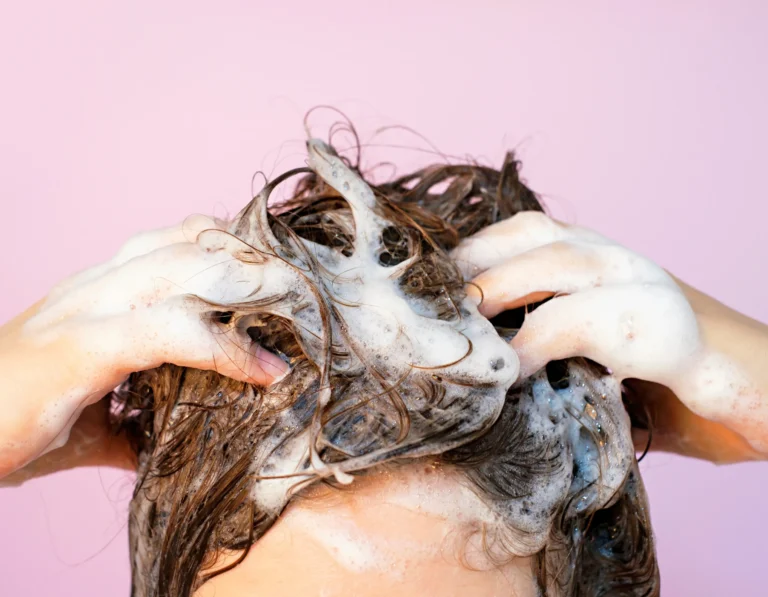
Most people wash their hair every day out of habit, not necessity. For the majority of hair types, two to three times a week is enough. Washing more often than that strips your scalp of the natural oils it produces — oils that travel down the hair shaft and keep it moisturized.
When you do wash, use lukewarm water, not hot. Hot water opens the cuticle and dries the hair out. And when you apply anything to your hair, focus on the roots and mid-lengths. The ends don’t need the same treatment as the scalp, and they’re the most vulnerable to drying out.
Be Gentle When Hair Is Wet
This is one of the most overlooked rules of healthy hair. Wet hair can stretch up to 30 percent more than dry hair, which sounds good — but it also means it’s far more likely to break under pressure.
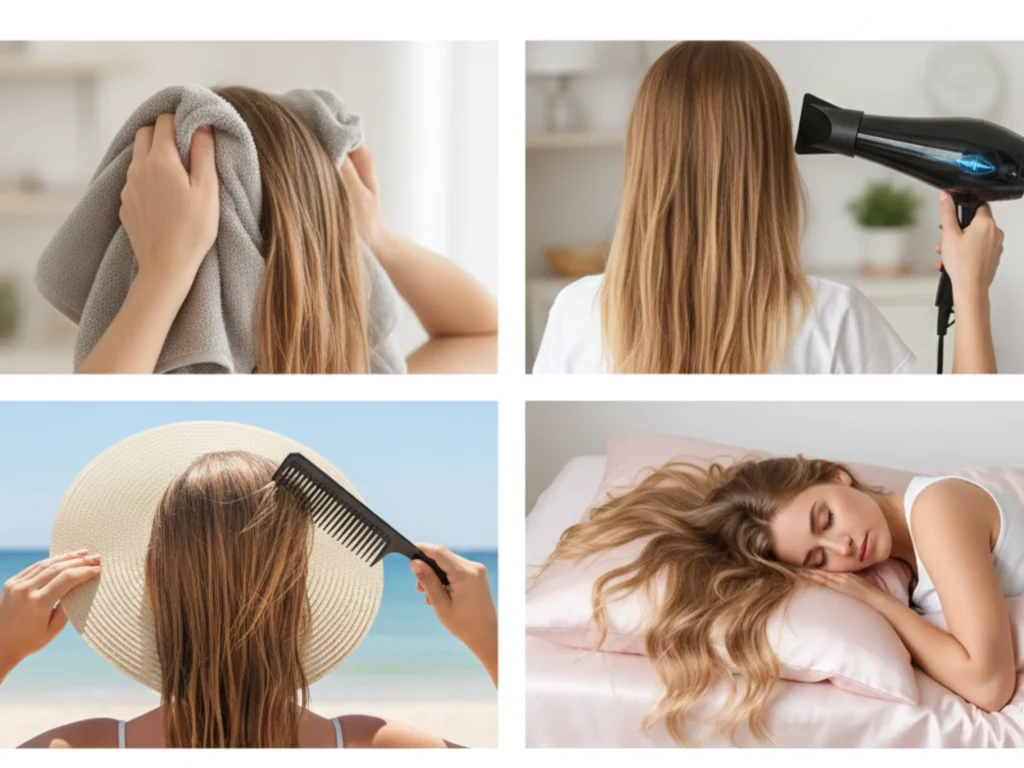
Don’t rub your hair dry with a towel. Squeeze out excess water gently, then press a towel against it softly. If you use a brush or comb on wet hair, start from the ends and work your way up slowly. Never yank through tangles from the root down.
Air drying is the gentlest option when you have time. If you don’t, use a blow dryer on a low to medium heat setting and keep it moving — never hold it in one spot.
Limit Heat Styling
Heat is the single fastest way to damage hair. Flat irons and curling irons can reach temperatures that literally melt the proteins hair is made of. If you use heat tools regularly, reduce how often you use them.
When you do use them, always let your hair dry fully first. Styling wet or damp hair with a hot tool causes significantly more damage than styling dry hair. And keep the temperature as low as possible while still getting the result you want. Higher isn’t better — it’s just more damaging.
Protect It From the Sun
Most people think about protecting their skin from UV rays, but hair is just as vulnerable. Prolonged sun exposure dries out hair, fades color, and lifts the cuticle over time. If you spend a lot of time outdoors, wearing a hat or scarf is the simplest way to shield your hair without adding anything to your routine.
Eat Well and Stay Hydrated
Hair health starts from the inside. Hair follicles need specific nutrients to produce strong, healthy strands. Protein is the most important one — hair is made almost entirely of a protein called keratin. If your diet is consistently low in protein, your hair will show it.
Iron, zinc, and vitamins A, C, D, and E all play a role in hair health too. You don’t need to obsess over supplements. Just make sure your diet includes a reasonable variety of whole foods — eggs, leafy greens, nuts, lean meats, and fruits. Staying hydrated matters just as much. Dehydration shows up in hair before most people notice it elsewhere.
Be Careful With Towels and Pillowcases
The surface your hair rests against matters more than you’d think. Cotton towels and pillowcases are rough on the hair cuticle. Switching to a microfiber towel for drying and a silk or satin pillowcase for sleeping reduces friction significantly. It’s a small change that adds up over time.
Avoid Tight Hairstyles Every Day
Ponytails and buns are convenient — but wearing them tightly and consistently creates a weak point in the hair where it’s under constant tension. That tension leads to breakage, especially around the hairline and nape.
If you need to tie your hair back, use a loose style. Rotate where you place the elastic. And give your hair days where it’s completely down and free from any pull.
A Simple Daily Approach
You don’t need a complicated system. Here’s what consistency actually looks like for healthy hair:
Wash two to three times a week with lukewarm water. Squeeze out water gently — never rub. Let hair air dry when possible, or use low heat. Style with heat only when necessary, and never on damp hair. Protect from the sun when you’re outdoors. Sleep on a smooth surface if you can. Eat a balanced diet and drink enough water.
That’s it. None of these steps are difficult or time-consuming. The challenge isn’t knowing what to do — it’s being consistent enough for the results to show.
How Long Before You See a Difference
Hair grows about half an inch per month. That means the healthiest hair you can have right now is the hair closest to your scalp — the newest growth. The ends of your hair have been through months or even years of wear and tear, and no routine can undo that damage.
What you can do is protect the new growth. Within four to six weeks of changing your habits, you’ll start to notice the difference in the hair closer to your roots. Over several months, as healthy new hair grows out, the overall look and feel of your hair will improve noticeably.
Be patient. Healthy hair is a result of consistent small habits, not a single fix.
Frequently Asked Questions
How often should I really wash my hair? It depends on your hair type and lifestyle, but for most people, two to three times a week is plenty. If your scalp gets oily quickly, you can wash more often — but focus on cleansing the roots, not over-processing the ends.
Does brushing hair make it healthier? Gentle brushing helps distribute natural oils from the scalp down the hair shaft, which is good. But over-brushing or brushing wet hair aggressively does more harm than good. Once or twice a day with a wide-tooth comb is enough.
Is it bad to let hair air dry? No — air drying is actually the gentlest option. It avoids any heat damage entirely. The only downside is time. If you’re in a rush, use a blow dryer on a low setting instead of cranking the heat.
Why does hair break more at the ends? The ends are the oldest part of your hair. They’ve been exposed to the most washing, heat, sun, and friction over time. That’s why they’re usually the driest and most damaged part. Keeping them moisturized and handling them gently slows that process down.
Can a bad diet actually affect hair health? Yes. Hair follicles need protein, iron, and several vitamins to function properly. A consistently poor diet — especially one low in protein — can lead to thinner, weaker hair over time. It’s one of the most underestimated factors in hair health.
Should I brush my hair before or after washing? Before. Brushing dry hair before a wash removes tangles and loose strands gently. Doing it after when hair is wet and weak leads to more breakage.
Is it bad to wash my hair every day? For most hair types, yes. Daily washing strips natural oils your scalp produces to protect and moisturize hair. Two to three times a week is enough for the majority of people. If your scalp gets oily fast, dry shampoo on off days can help.
Should I condition my hair every time I wash it? Yes — but only from the mid-lengths to the ends. Applying conditioner to the roots can weigh hair down and make the scalp oily faster. The ends need the most moisture, so that’s where to focus.
Final Thoughts
Healthy hair doesn’t come from a bottle. It comes from a set of small, consistent habits that protect what’s already there and support new growth from the inside out. None of the steps in this guide require special products or extra time in your day. They just require a shift in how you think about hair care — from treatment to protection.
Start with one or two changes. See how your hair responds. Then build from there. That’s the most sustainable path to hair that genuinely looks and feels healthier over time.
Results vary depending on hair type, genetics, and lifestyle factors. This article is for informational purposes only and is not a substitute for professional advice. If you are experiencing significant hair loss, consult a dermatologist.