Best Anti Inflammatory Skin care Products
Redness, irritation, and persistent sensitivity aren’t just cosmetic concerns—they’re signs your skin is stuck in a cycle of inflammation. Whether triggered by environmental stress, harsh products, or underlying conditions like rosacea or eczema, chronic inflammation accelerates aging and weakens your skin’s protective barrier. More people are searching for anti inflammatory skin care now because traditional “fix everything” products often make reactive skin worse. The goal isn’t perfection—it’s balance.

Table of Contents
What Makes Anti Inflammatory Skin care Different
Anti-inflammatory products work by calming overactive immune responses in the skin rather than stripping or over-correcting. They contain ingredients like niacinamide, azelaic acid, colloidal oatmeal, and centella asiatica that reduce inflammatory markers at the cellular level.
Unlike aggressive treatments that promise overnight results, these formulas rebuild your skin’s resilience over weeks. They help restore the moisture barrier, reduce reactive flare-ups, and create an environment where healing happens naturally. Think of it as lowering the volume on your skin’s alarm system instead of ignoring the signal entirely.
Key Benefits
- Reduces visible redness and blotchiness without masking the issue with heavy coverage
- Strengthens the skin barrier to prevent moisture loss and environmental damage
- Minimizes breakouts caused by inflammation, not just surface bacteria
- Slows visible signs of aging since chronic inflammation breaks down collagen
- Improves texture and tone by allowing normal cell turnover to resume
- Decreases sensitivity to triggers like temperature changes, stress, or certain ingredients
Best Anti Inflammatory Skin care Products
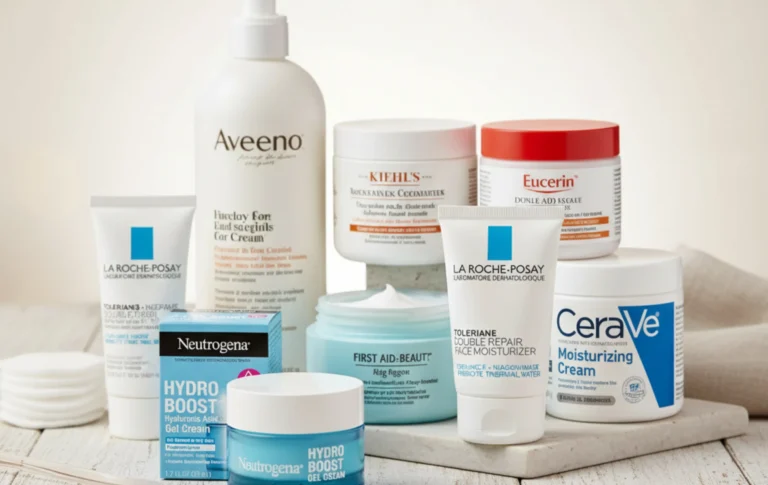
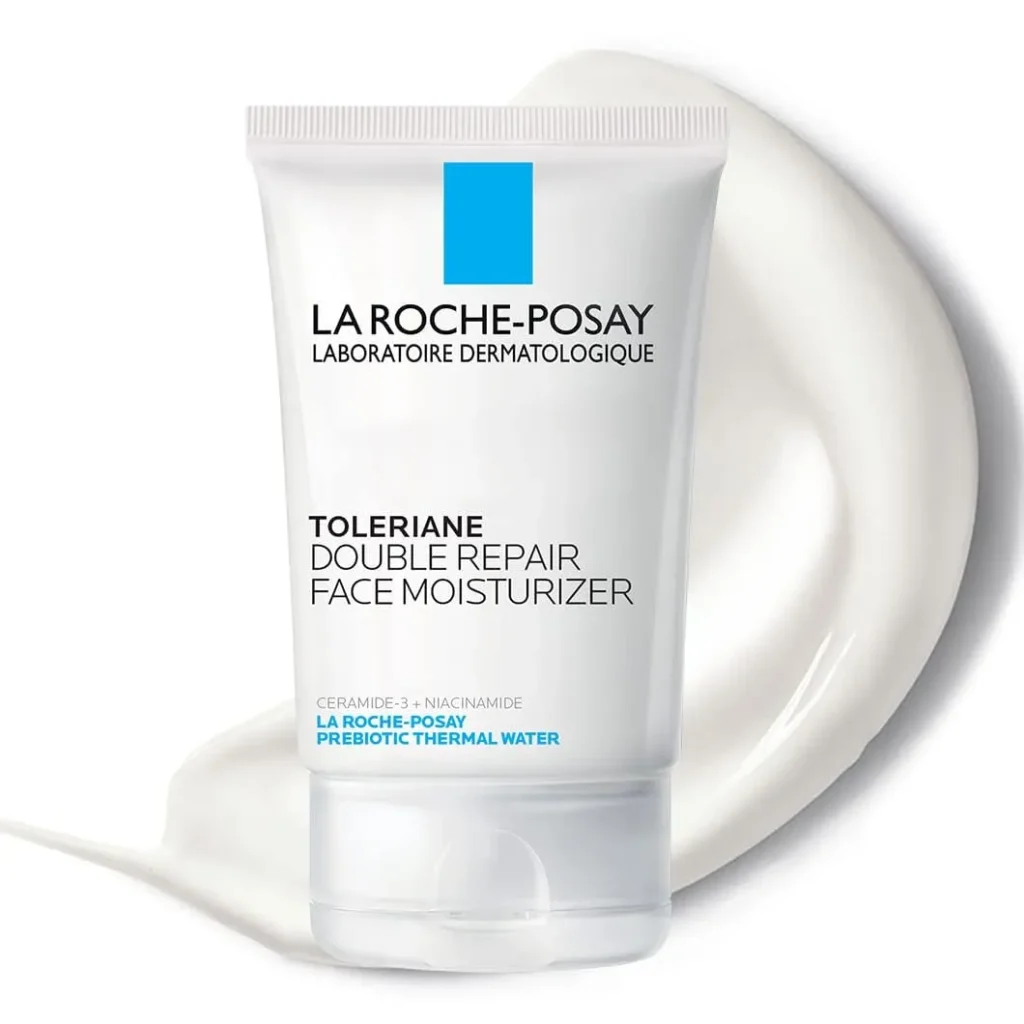
La Roche-Posay Toleriane Double Repair Face Moisturizer
Best for: Sensitive, barrier-damaged skin that reacts to almost everything
This lightweight moisturizer combines prebiotic thermal water, niacinamide, and ceramides to repair the skin barrier while calming irritation. It’s fragrance-free and works well under makeup or alone.
Pros:
- Non-comedogenic and dermatologist-tested
- Affordable for daily use
- Suitable for all skin types, including acne-prone
Cons:
- May feel slightly tacky in humid climates
- Takes 2–3 weeks to see noticeable calming effects
If your skin stings with most products, this is a gentle place to start rebuilding tolerance.
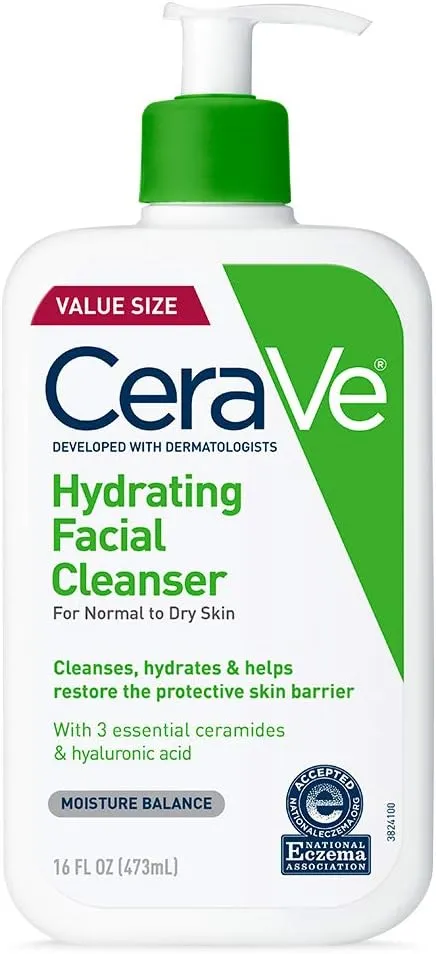
CeraVe Hydrating Cleanser
Best for: Washing reactive or dry skin without triggering tightness
This creamy, non-foaming cleanser uses ceramides and hyaluronic acid to clean without stripping. It removes makeup and sunscreen while maintaining the skin’s natural pH.
Pros:
- Extremely gentle—suitable for eczema-prone skin
- Affordable and widely available
- No sulfates or fragrance
Cons:
- Doesn’t remove heavy waterproof makeup in one pass
- Some find the texture too thick
Cleansing shouldn’t make your skin feel “squeaky clean”—that’s actually damage. This keeps things balanced.
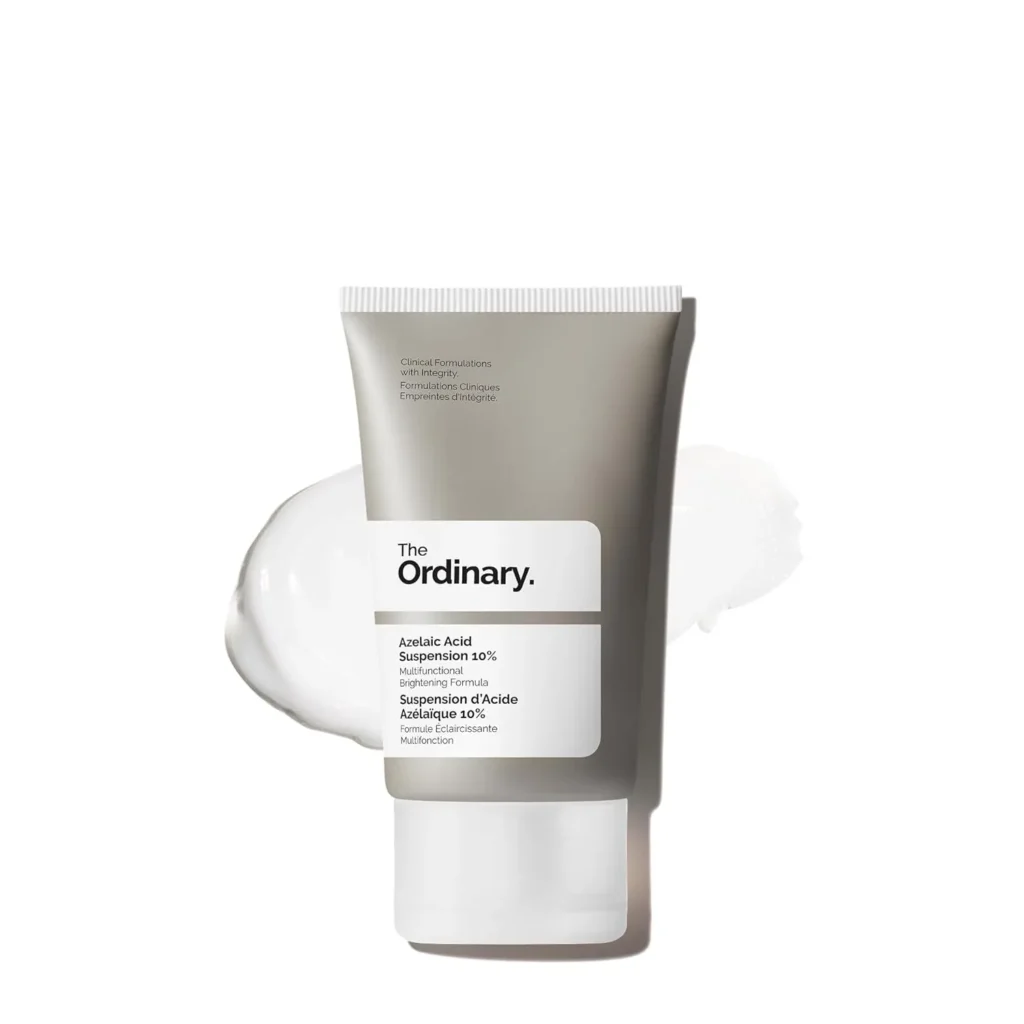
The Ordinary Azelaic Acid Suspension 10%
Best for: Redness, post-inflammatory hyperpigmentation, and mild acne
Azelaic acid is a multitasker: it calms inflammation, fades dark spots, and gently exfoliates without the irritation of retinol or AHAs. This silicone-based formula has a slight texture on application but absorbs well.
Pros:
- Addresses multiple concerns at once
- Can be used morning or night
- Budget-friendly
Cons:
- Slight pilling if layered with certain moisturizers
- Takes 6–8 weeks for visible brightening
For those dealing with both acne scars and ongoing sensitivity, this bridges the gap without aggression.
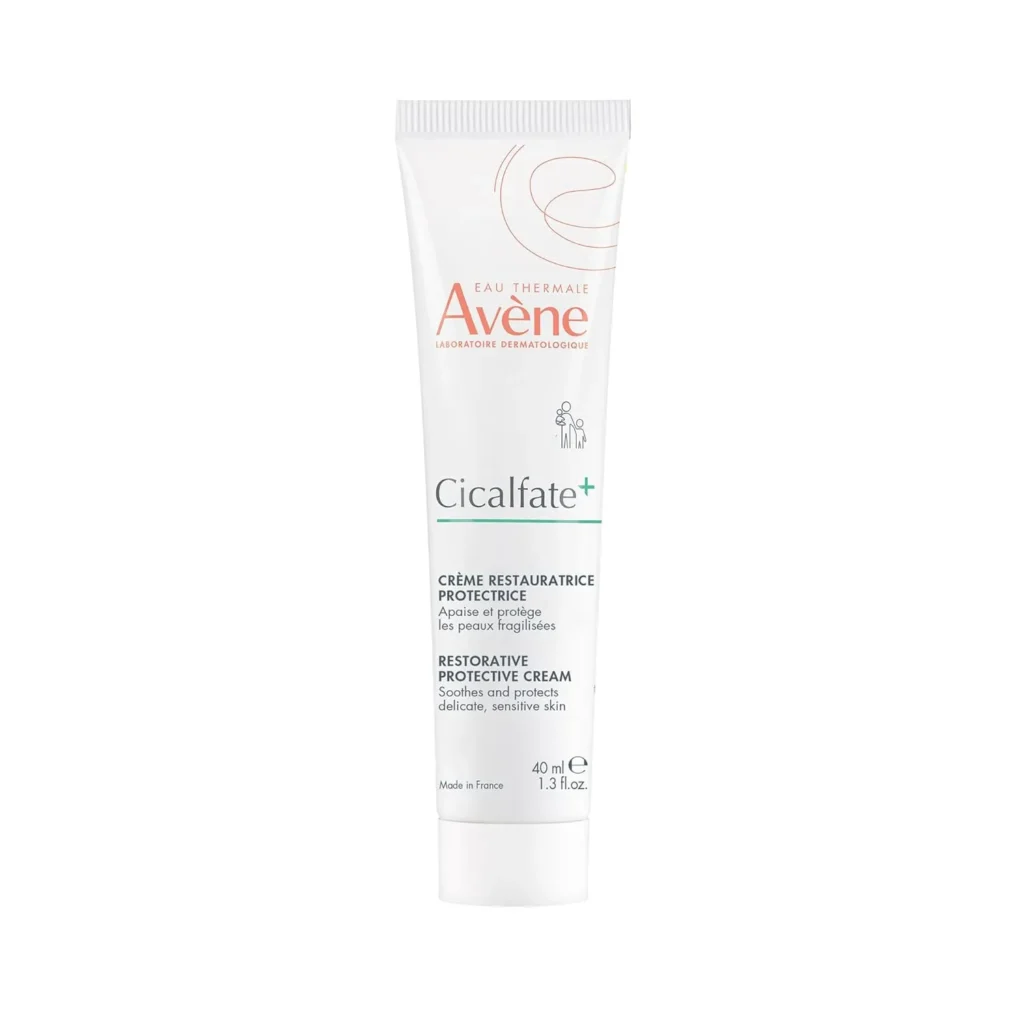
Avène Cicalfate+ Restorative Protective Cream
Best for: Acute irritation, post-procedure recovery, or eczema flare-ups
This intensive repair cream uses copper-zinc complex and thermal spring water to actively heal compromised skin. It’s thick but non-greasy, creating a breathable protective layer.
Pros:
- Clinically proven to speed barrier repair
- Safe for use on face and body
- Fragrance-free and sterile packaging
Cons:
- Too rich for oily skin as an all-over moisturizer
- Higher price point for the size
When your skin is truly damaged—not just sensitive—this acts like a medicated balm without needing a prescription.
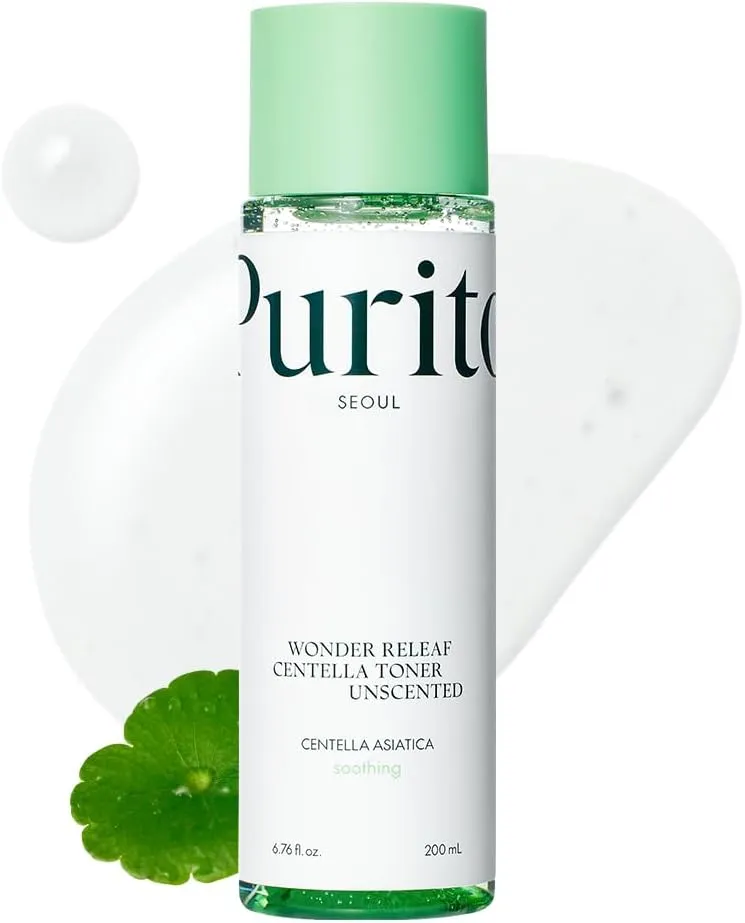
Purito Centella Green Level Calming Toner
Best for: Prepping reactive skin to absorb treatments without stinging
This watery toner contains 10% centella asiatica extract, known for wound healing and anti-inflammatory properties. It hydrates and preps without added oils or alcohols.
Pros:
- Lightweight and layerable
- Suitable for all skin types
- Vegan and cruelty-free
Cons:
- Subtle results—works best as part of a routine
- Glass bottle isn’t travel-friendly
Toners often get skipped, but this one genuinely improves how your skin handles the next steps.
Simple Anti Inflammatory Skin care Routine
Morning:
- Rinse with lukewarm water or use a gentle cleanser (CeraVe Hydrating Cleanser)
- Apply calming toner while skin is damp (Purito Centella Toner)
- Use a barrier-repair moisturizer (La Roche-Posay Toleriane)
- Finish with a mineral SPF 30+ (zinc oxide and titanium dioxide are less irritating)
Evening:
- Double cleanse if wearing makeup (oil cleanser first, then gentle cleanser)
- Apply treatment (The Ordinary Azelaic Acid on problem areas)
- Layer with a richer moisturizer or repair cream (Avène Cicalfate+ if needed)
- Use a humidifier in dry climates to support overnight healing
Weekly:
- Skip exfoliation during active flare-ups
- Use a soothing sheet mask with calendula or aloe if skin feels stressed
Choosing the Right Product
For dry, flaky skin: Prioritize ceramide-rich moisturizers and creamy cleansers. Avoid foaming washes.
For oily, acne-prone skin: Use lightweight gels with niacinamide or azelaic acid. Skip heavy occlusives except on very dry patches.
For rosacea or persistent redness: Look for products with thermal water, centella, or colloidal oatmeal. Avoid physical exfoliants and fragrance.
For post-procedure or compromised barriers: Use minimal products—cleanser, repair cream, and SPF only until healed.
For combination skin: Zone-treat: lighter products on the T-zone, richer formulas on cheeks.
FAQ
How long before I see results?
Most people notice less reactivity within 1–2 weeks, but visible redness reduction takes 4–6 weeks of consistent use.
Can I use anti-inflammatory products with retinol?
Yes, but introduce retinol slowly and only after your barrier is stable. Use calming products on alternate nights initially.
Are these products safe during pregnancy?
Most are, but avoid azelaic acid concentrations above 10% and check with your doctor about specific active ingredients.
Will my skin become dependent on these products?
No. Unlike steroids, these ingredients support your skin’s natural repair process rather than suppressing it artificially.
Can I use these if I don’t have diagnosed skin conditions?
Absolutely. Prevention is easier than correction. Anti-inflammatory care benefits everyone, especially in urban or high-stress environments.
Final Thoughts
Anti Inflammatory Skin care isn’t about erasing every imperfection—it’s about creating an environment where your skin can function optimally. Results vary based on individual triggers, genetics, and lifestyle factors. What works immediately for one person might take another several weeks.
The key is consistency and patience. Switching products every few days disrupts the process. Give your routine at least a month before deciding what stays or goes.
This article provides educational information and personal recommendations. It is not a substitute for professional medical advice. Consult a dermatologist for persistent or severe skin concerns.