Best Shampoos for Dry Hair
Dry hair isn’t just about appearance—it’s often a sign that your hair needs more moisture, gentler care, or a different approach altogether. Whether you’re dealing with frizz, breakage, or that straw-like texture, the right shampoo can make a real difference.
More people are searching for dry hair solutions now because we’re finally understanding that healthy hair starts at the wash stage, not just with conditioners or masks. The shampoo you choose sets the foundation for everything else.
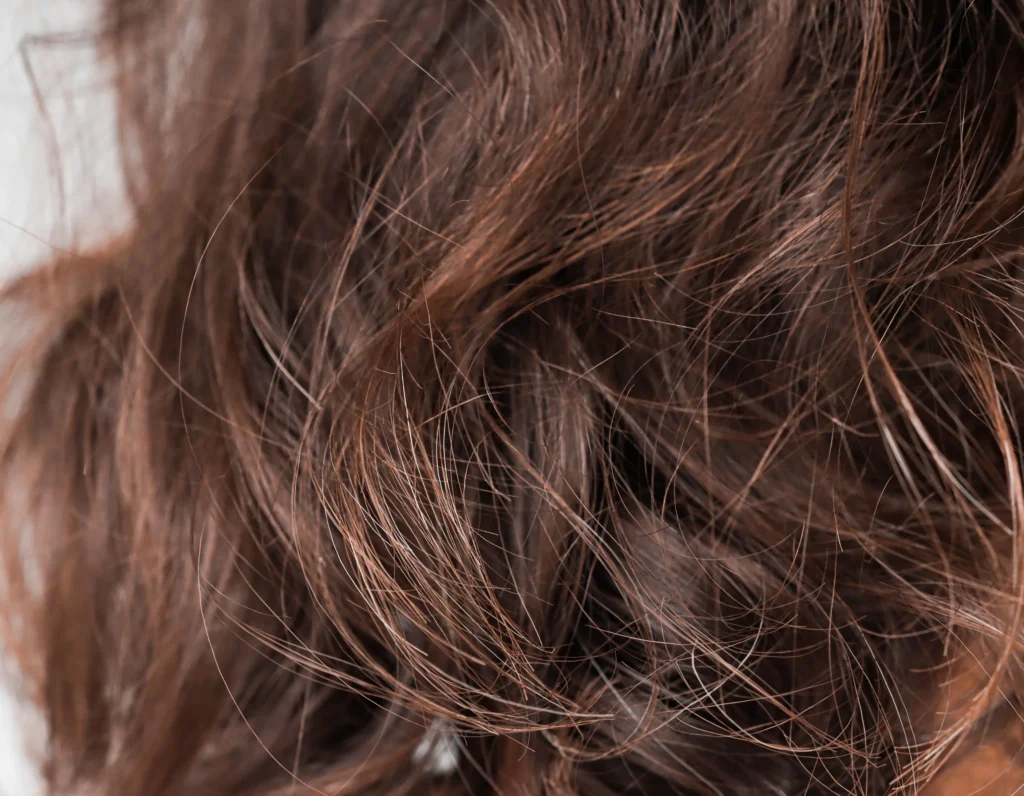
Table of Contents
What Makes Shampoos for Dry Hair Different
Unlike regular shampoos that focus primarily on cleansing, formulas designed for dry hair work to preserve your hair’s natural oils while still removing dirt and buildup.
They typically contain fewer sulfates (the harsh detergents that strip moisture) and include hydrating ingredients like oils, proteins, or humectants that attract water to the hair shaft.
The goal isn’t to coat your hair in silicones that create temporary smoothness. It’s to genuinely improve your hair’s ability to retain moisture over time, which means results build gradually with consistent use.

Key Benefits of Using the Right Shampoo
- Reduced breakage: Moisturized hair is more elastic and less prone to snapping
- Better manageability: Hydrated strands are easier to detangle and style
- Less frizz: Properly moisturized hair doesn’t seek humidity from the air
- Improved scalp health: Gentle cleansing doesn’t trigger oil overproduction
- Color protection: Many dry hair formulas are sulfate-free, which helps color last longer
- Natural shine: Real moisture reflects light better than surface coating
Best Shampoos for Dry Hair
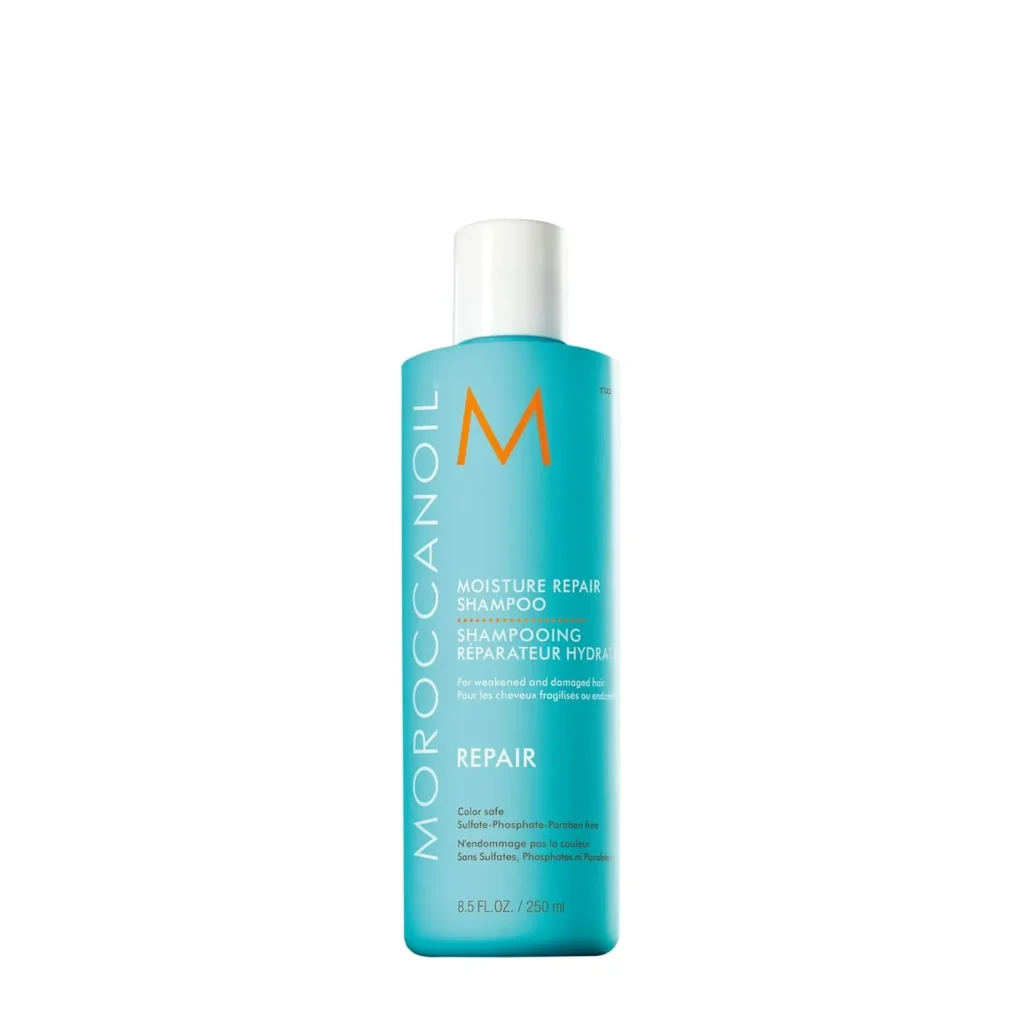
Moroccanoil Moisture Repair Shampoo
Best for: Color-treated dry hair with damage
This sulfate-free formula uses argan oil and keratin to rebuild the hair structure while adding moisture. It’s particularly effective if your dryness comes from chemical treatments.
Pros:
- Gentle enough for daily use
- Doesn’t weigh down fine, dry hair
- Pleasant, subtle scent
Cons:
- Higher price point
- May take 2-3 weeks to see full results
- Not ideal if you have oil-prone roots
If your hair feels both dry and fragile, this might be worth trying as part of a consistent routine.
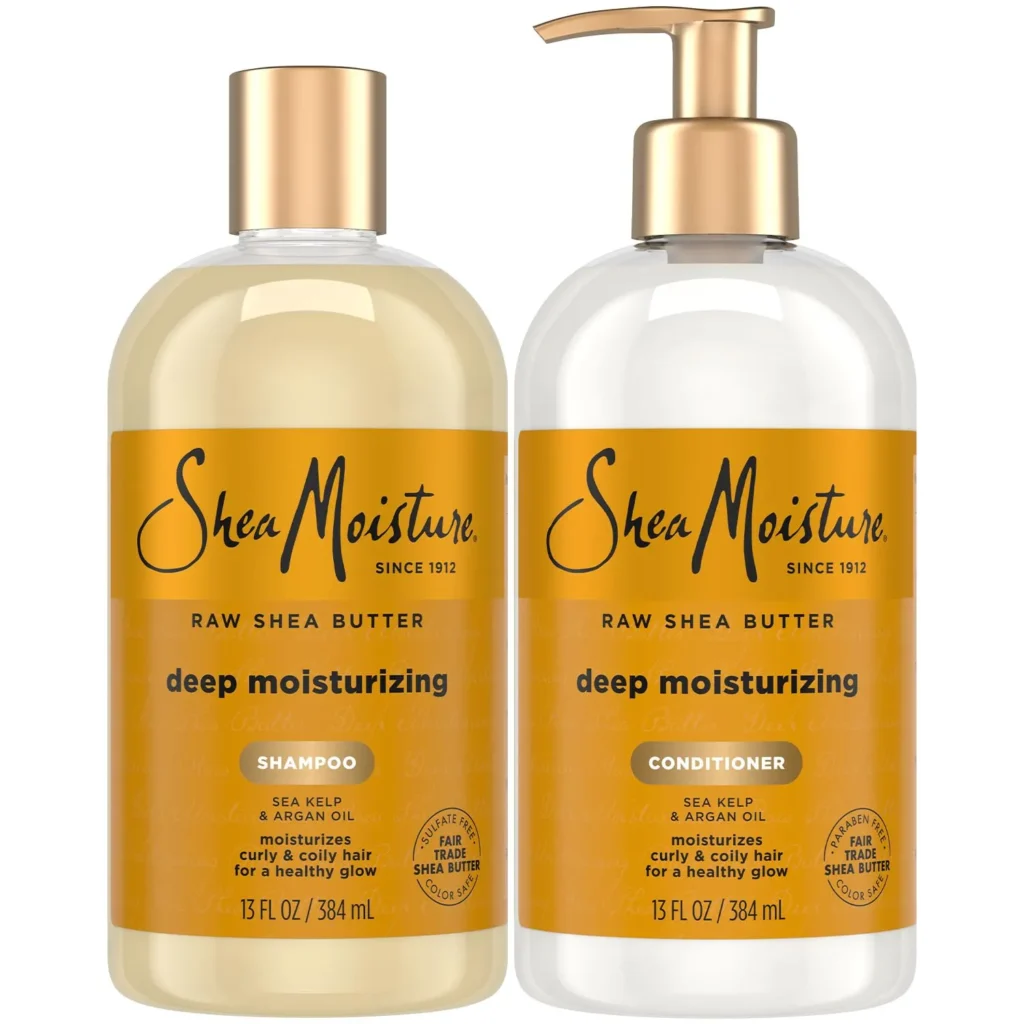
Shea Moisture Raw Shea Butter Moisture Retention Shampoo
Best for: Very dry, thick, or coarse hair textures
This formula combines shea butter, argan oil, and sea kelp to provide intense moisture. It’s especially popular among those with curly or textured hair that tends toward extreme dryness.
Pros:
- Affordable and widely available
- Free from sulfates, parabens, and mineral oil
- Works well for natural hair
Cons:
- May be too heavy for fine hair
- Strong scent (some love it, others don’t)
- Thicker consistency takes longer to rinse
For hair that feels truly parched, this delivers the kind of moisture you can actually feel.
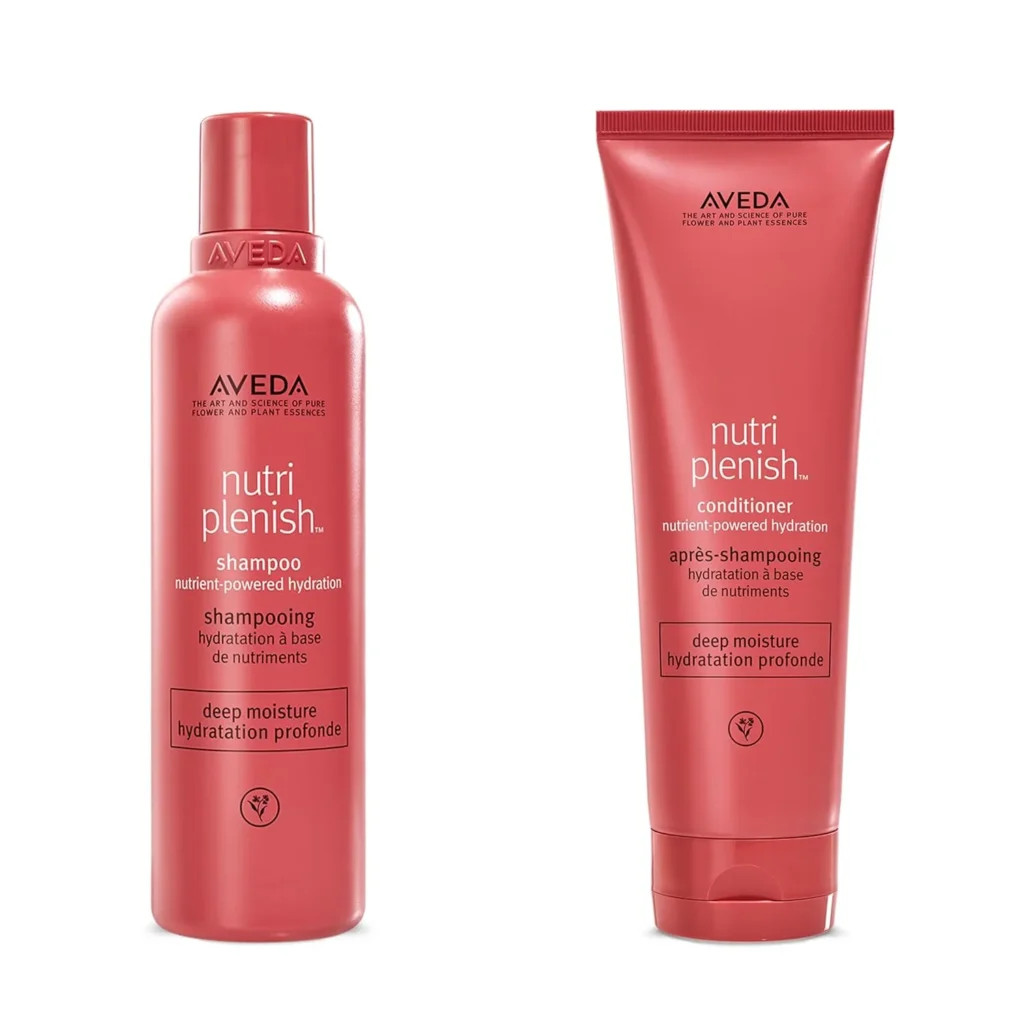
Aveda Dry Remedy Moisturizing Shampoo
Best for: Dry hair that still needs volume and movement
Aveda uses buriti oil (rich in vitamin A) and pomegranate seed oil to hydrate without creating heaviness. The formula is designed to address dryness while maintaining body.
Pros:
- Creates good lather despite being gentle
- Works across different hair types
- Plant-based ingredients
Cons:
- Aromatherapy scent isn’t for everyone
- Premium pricing
- Results plateau if not paired with their conditioner
This works well if you’re worried about your hair looking flat while trying to address dryness.
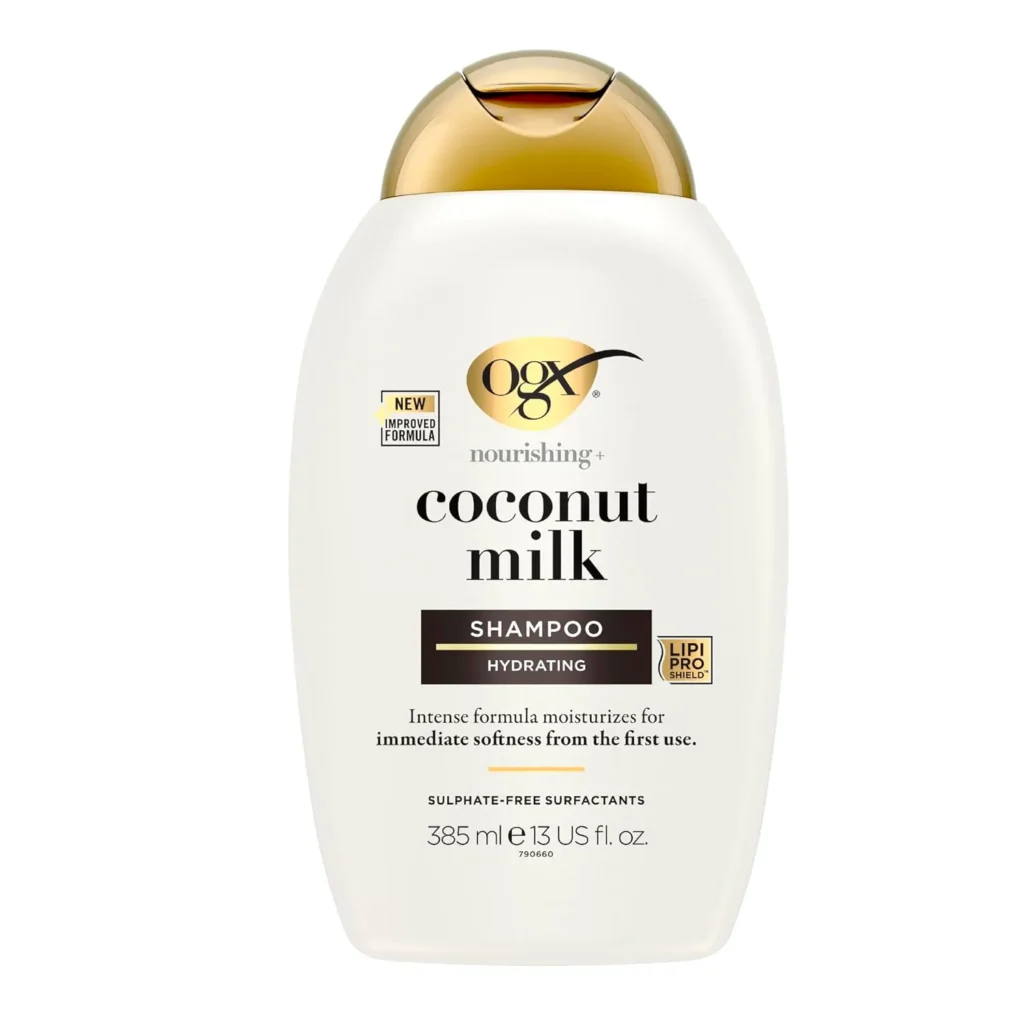
OGX Nourishing + Coconut Milk Shampoo
Best for: Budget-conscious buyers with mildly dry hair
A drugstore option that uses coconut milk, whipped egg white proteins, and coconut oil to add moisture. It’s a good starting point before investing in more expensive options.
Pros:
- Very affordable
- Available in most stores
- Pleasant coconut scent
Cons:
- Contains some sulfates (though milder ones)
- May not be strong enough for very dry hair
- Fragrance can be overwhelming for sensitive individuals
If you’re new to treating dry hair, this lets you test the hydrating shampoo approach without a major commitment.
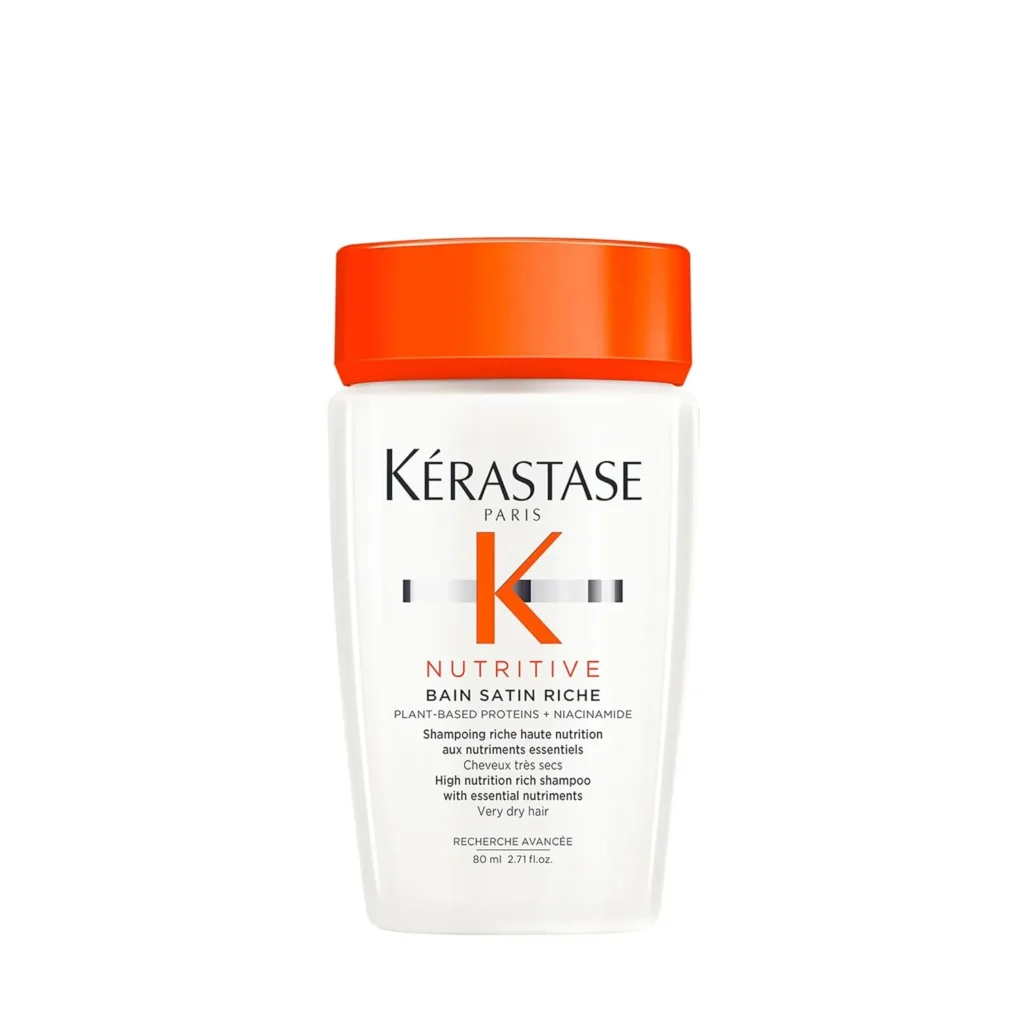
Kérastase Nutritive Bain Satin Shampoo
Best for: Medium to thick dry hair needing professional-level care
This French pharmacy staple uses plant-based proteins and niacinamide to strengthen while moisturizing. It’s formulated to address nutritional deficiencies in the hair fiber.
Pros:
- Salon-quality results
- Lightweight for a moisturizing shampoo
- Small amount goes a long way
Cons:
- Expensive
- Can be hard to find outside specialty retailers
- May be too gentle for those with very oily scalps
For those willing to invest in their hair care, this delivers consistent, noticeable improvement.
Simple Routine for Dry Hair
Step 1: Wet hair thoroughly with lukewarm (not hot) water for at least 30 seconds. This helps open the cuticle gently.
Step 2: Apply a quarter-sized amount of shampoo to your scalp only. Focus on cleansing the scalp, not the lengths.
Step 3: Massage gently for 1-2 minutes. Let the shampoo that rinses through naturally clean the lengths.
Step 4: Rinse completely with cool water. This seals the cuticle and locks in moisture.
Step 5: Follow with a moisturizing conditioner from mid-length to ends. Leave it on for 2-3 minutes.
Step 6: Rinse with cool water again. Pat dry with a microfiber towel rather than rubbing.
Choosing the Right Product for Your Hair Type
If you have fine, dry hair: Look for lightweight moisture like Aveda or Moroccanoil that won’t create flatness.
If you have thick, coarse, dry hair: Heavier formulas like Shea Moisture provide the deep moisture you need without being too much.
If you have color-treated dry hair: Sulfate-free options like Moroccanoil or Kérastase protect your investment in color while addressing dryness.
If you’re on a budget: OGX offers a solid entry point. You can always upgrade later if you need more intensive care.
If you have sensitive scalp and dry hair: Fragrance-free or naturally scented options with minimal ingredients work best to avoid irritation.
Frequently Asked Questions
How often should I shampoo dry hair?
Most dry hair benefits from washing 2-3 times per week rather than daily. This preserves natural oils while still maintaining cleanliness.
Can I use regular conditioner with a moisturizing shampoo?
Yes, but you’ll get better results if both products are designed for dry hair. They work together more effectively.
Will these shampoos make my roots oily?
Only if you apply shampoo to your lengths instead of focusing on the scalp. Dry ends often come with normal or even oily roots.
How long before I see results?
Most people notice improvement in 2-4 weeks. Hair grows slowly, so you need to give new products time to work through your entire hair length.
Do I need to use expensive shampoo for dry hair?
Not necessarily. Drugstore options can work well for mild dryness. More severe cases might benefit from professional formulas, but price doesn’t always equal effectiveness.
Final Thoughts
Treating dry hair is about consistency more than finding one miracle product. The right shampoo helps, but it works best alongside proper conditioning, minimal heat styling, and realistic expectations.
What works for someone else might not work for you, and that’s normal. Hair responds differently based on porosity, texture, damage level, and even water quality.
Give any new product at least a month before deciding if it’s working. Small improvements compound over time.
Results vary by individual. If you have persistent scalp issues or severe hair damage, consider consulting a dermatologist or trichologist.