Best Skincare for Oily Skin: What Actually Works
Oily skin affects a large portion of the population — and most generic skincare advice simply doesn’t address it well. Excess sebum production leads to enlarged pores, persistent shine, and recurring breakouts. But the answer isn’t to strip the skin of everything it has.
In fact, over-cleansing or using harsh products often makes oil production worse. More people are now searching for routines grounded in balance — ones that reduce shine without compromising the skin’s natural protective layer.
The goal of a good oily skin routine isn’t dryness. It’s balance — reducing excess sebum while keeping the skin barrier intact and well-hydrated.

Table of Contents
What Makes Oily Skin Products Different
Products designed for oily skin aren’t simply lighter versions of standard moisturizers or cleansers. They’re formulated to address sebum at the source — through ingredients that regulate oil production, absorb excess shine, and keep pores clear without disrupting the skin barrier.
Common actives include niacinamide, which reduces sebum secretion over time, salicylic acid, a BHA that clears pores from within, and clay minerals like kaolin and bentonite, which absorb oil without over-drying.
The long-term benefit of using the right products isn’t just less shine. It’s fewer breakouts, more even skin texture, and a healthier barrier that requires less correction over time.
Key Benefits of a Proper Oily Skin Routine
- Reduces mid-day shine — Oil-absorbing ingredients extend the time between touch-ups without clogging pores.
- Prevents clogged pores — BHA-based products clear debris inside the pore lining, reducing blackheads over consistent use.
- Fewer breakouts — Balanced sebum levels create less of an environment for acne-causing bacteria to thrive.
- Better makeup wear — Skin that isn’t overproducing oil holds primer and foundation more evenly throughout the day.
- Calmer skin texture — Regular use of niacinamide and gentle exfoliants smooths the skin surface and minimizes pore appearance.
- Preserved skin barrier — Lightweight moisturizers prevent the rebound oil surge that often follows over-cleansing.
Best Products for Oily Skin
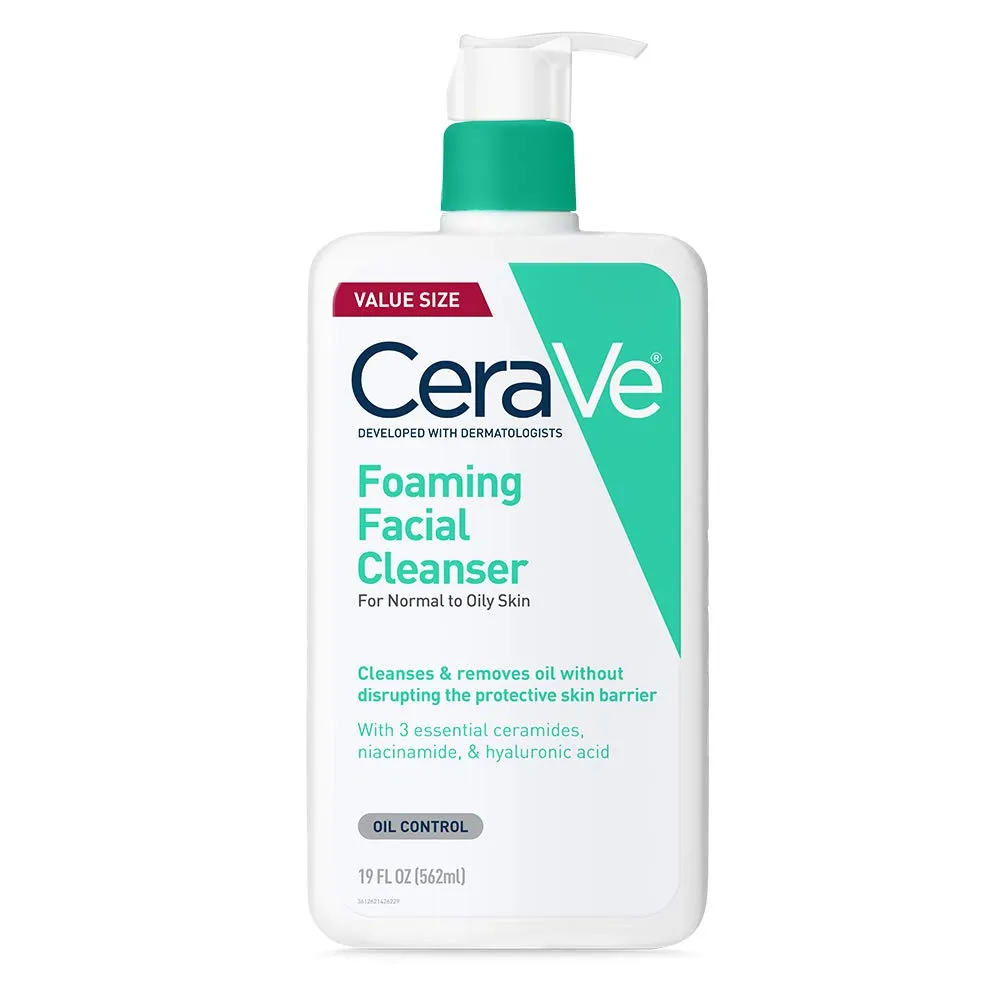
1. CeraVe Foaming Facial Cleanser
Country of origin: USA Best for: Daily cleansing, oily to combination skin
This cleanser uses niacinamide alongside ceramides to remove excess oil without disturbing the skin’s moisture barrier. The foaming formula clears sebum and impurities effectively — but its real strength is what it leaves behind: a balanced pH and intact barrier proteins.
Pros:
- Fragrance-free and non-comedogenic
- Gentle enough for twice-daily use
- Affordable and widely available
- Contains ceramides for barrier support
Cons:
- May feel too drying in winter months
- Not the best option for very sensitive skin
- Some users report a slight residue after rinsing
If your current cleanser leaves skin feeling tight or shiny by noon, this is a reasonable first switch to test.
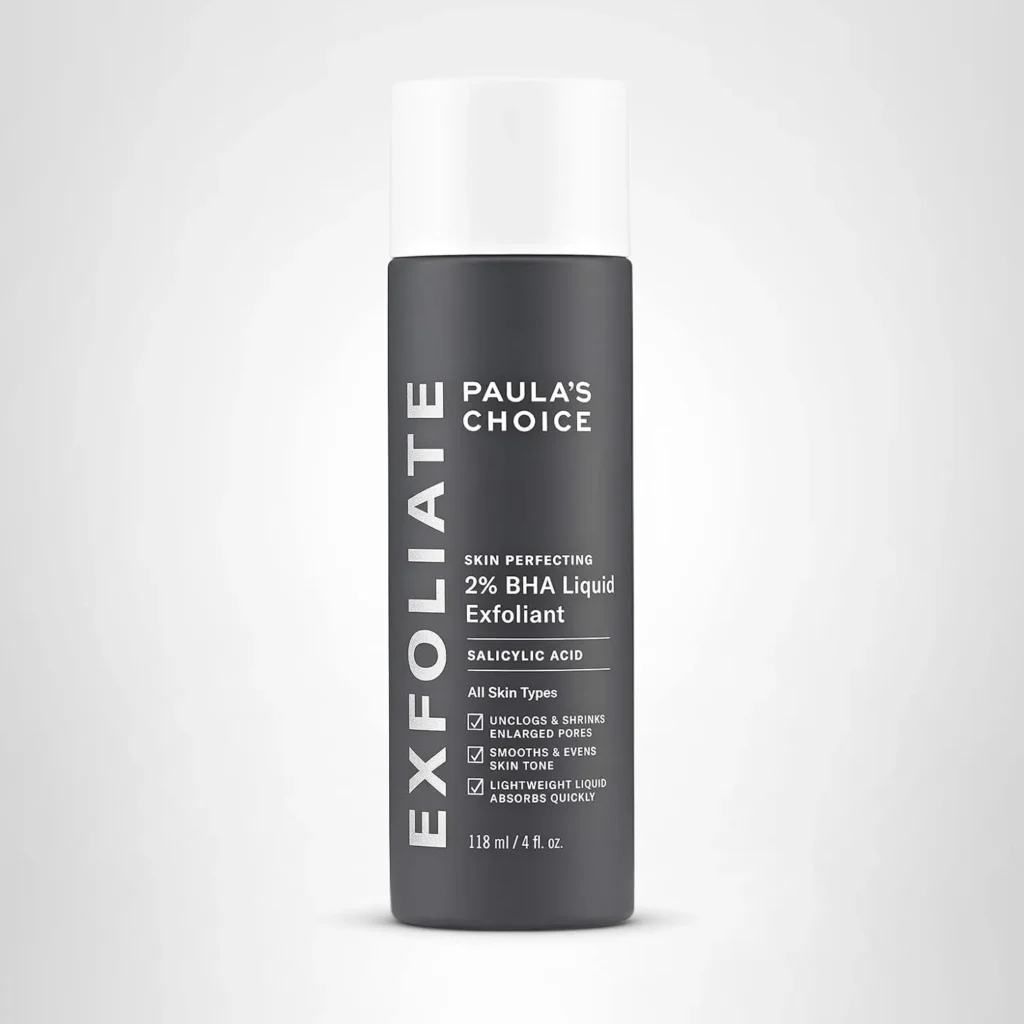
2. Paula’s Choice 2% BHA Liquid Exfoliant
Country of origin: USA Best for: Blackheads, enlarged pores, congested skin
Salicylic acid at 2% is the clinical threshold for effective pore-clearing. Paula’s Choice delivers this in a gentle, pH-optimized solution that penetrates the pore lining and dissolves the buildup that causes congestion. Unlike physical scrubs, there’s no friction damage involved.
Pros:
- Clinically supported ingredient concentration
- Noticeably reduces blackheads with consistent use
- No added fragrance or alcohol
Cons:
- Higher price point than drugstore alternatives
- Requires daily SPF if used in the morning
- May cause mild sensitivity during the first few weeks
Start with 2–3 applications per week before building to daily use — your skin needs time to adjust to regular chemical exfoliation.
3. The Ordinary Niacinamide 10% + Zinc 1%
Country of origin: Canada Best for: Excess sebum, uneven skin tone, post-blemish marks
This serum combines niacinamide — a vitamin B3 derivative that regulates oil gland activity — with zinc, a mineral known to calm inflammation and support healing. Together, they address oil production from two angles without causing dryness or irritation.
Pros:
- Budget-friendly with clinical-grade ingredients
- Visible reduction in shine within 4–6 weeks
- Lightweight, non-greasy texture
Cons:
- Can pill under makeup if not fully absorbed first
- High concentration may irritate sensitive skin
- Shouldn’t be layered with vitamin C serums — use them separately
This is one of the most studied combinations for oily skin and a straightforward starting point if you’re new to active ingredients.

4. La Roche-Posay Effaclar Mat Moisturizer
Country of origin: France Best for: Daytime moisturizing, shine control under makeup
Formulated specifically for oily and acne-prone skin, Effaclar Mat uses oil-regulating technology to visibly reduce shine and minimize pore appearance throughout the day. It hydrates without adding any greasy feel, making it practical as both a morning moisturizer and a makeup base.
Pros:
- Mattifying effect lasts 8+ hours for most users
- Oil-free and non-comedogenic
- Works well under SPF and foundation
Cons:
- Can feel slightly tight on combination skin
- Pricier than some comparable options
- Contains some fragrance components
If you’ve been skipping moisturizer because everything feels heavy, this formulation is worth trying — skipping moisture often increases oil production rather than reducing it.

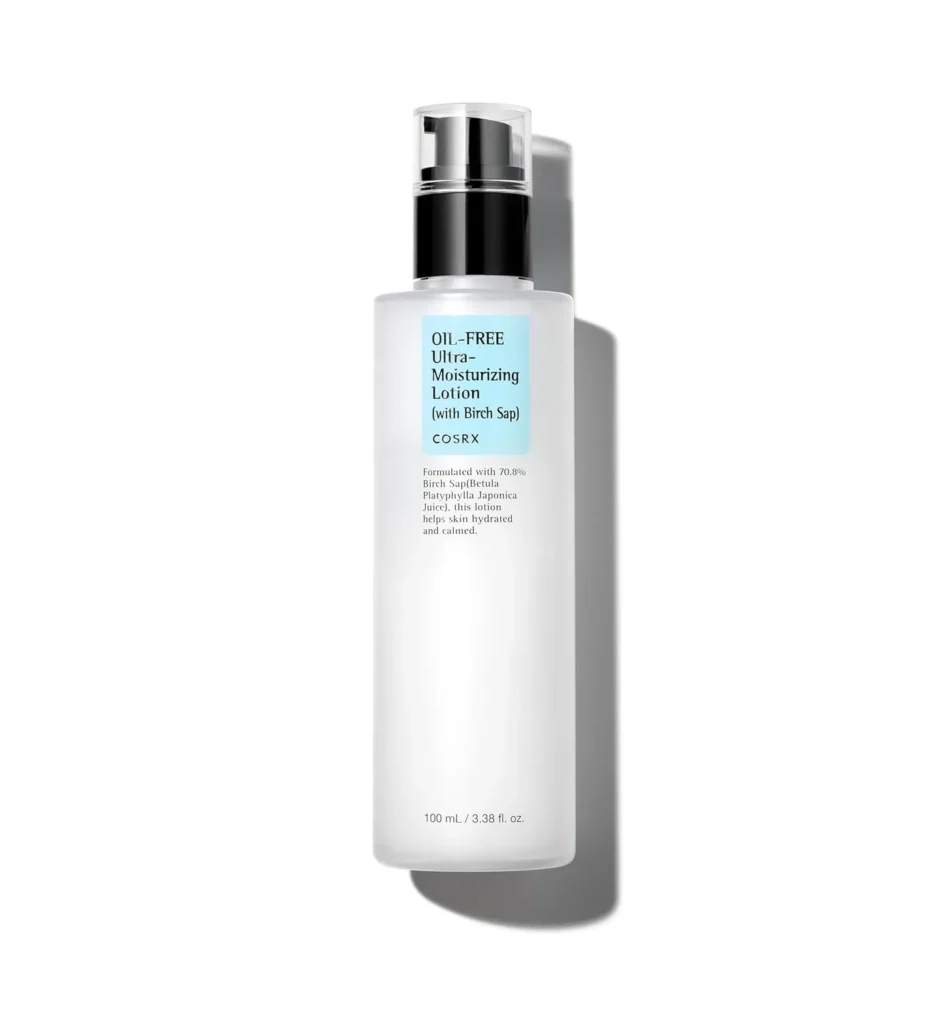
5. COSRX Oil-Free Ultra Moisturizing Lotion
Country of origin: South Korea Best for: Evening hydration, oily skin that still needs moisture support
This lotion uses birch sap as its base — a lightweight, mineral-rich hydrator — alongside hyaluronic acid for moisture retention. It absorbs quickly, leaves no residue, and works well as a final nighttime step for oily skin that still needs hydration without heaviness.
Pros:
- Extremely lightweight, almost serum-like in texture
- Good for layering with other active ingredients
- No heavy occlusive ingredients
Cons:
- May not be sufficient for dry patches or cold climates
- Contains some fragrance — not ideal for very reactive skin
A practical nighttime option for those who’ve struggled to find a moisturizer that doesn’t clog pores or feel heavy overnight.
A Simple Daily Routine for Oily Skin
Consistency matters more than complexity. Here’s a realistic routine you can follow every day.
Morning
Step 1 — Gentle foaming cleanser. Use lukewarm water, not hot. Hot water stimulates oil production.
Step 2 — Niacinamide serum. Apply 2–3 drops to clean skin. Let it absorb for 60–90 seconds before layering anything on top.
Step 3 — Oil-free moisturizer. Even oily skin needs hydration. Skipping this step often triggers more sebum production later in the day.
Step 4 — SPF 30 or higher. Non-negotiable, especially when using active ingredients like BHAs or niacinamide regularly.
Evening
Step 1 — Double cleanse if you’re wearing SPF or makeup. A micellar water or cleansing oil first, followed by your regular foaming cleanser.
Step 2 — BHA exfoliant, 2–3 times per week. Apply to dry skin after cleansing. When starting out, don’t combine with retinol on the same night.
Step 3 — Lightweight moisturizer. Lock in hydration before sleep. Look for gel or lotion textures rather than heavy creams.
Choosing the Right Product for Your Skin
Not all oily skin behaves the same way. Your specific concerns should shape your product choices.
Oily all over — Focus on a BHA exfoliant used regularly and a mattifying moisturizer for daytime. Shine control and pore clarity are the main priorities.
Oily and acne-prone — Niacinamide serum combined with salicylic acid addresses both active breakouts and the marks they leave behind.
Combination skin — A balanced, gentle cleanser is more important than aggressive oil control. Targeted exfoliation on the T-zone only is often more effective than treating the whole face.
Oily and sensitive — Stick to lower concentrations of actives and fragrance-free formulas. Niacinamide at 5% is a safer starting point than 10%.
Oily and mature — Niacinamide pairs well with a gentle retinol used in the evening. This combination addresses oil, pore size, and fine lines simultaneously.
Frequently Asked Questions
Should I skip moisturizer if my skin is oily? No. Skipping moisturizer often backfires — the skin compensates by producing more oil. Choose a lightweight, oil-free formula to maintain hydration without adding shine.
How long before I see results? Most people notice reduced shine within 2–3 weeks. Pore clarity and fewer breakouts typically take 6–8 weeks of consistent use. Give any new routine at least a full month before drawing conclusions.
Can I use salicylic acid every day? Most people can work up to daily use, but starting 2–3 times per week is safer. Daily use can cause dryness or sensitivity if your skin isn’t accustomed to it. Monitor how your skin responds before increasing frequency.
Is niacinamide safe for sensitive skin? Generally yes — niacinamide is one of the better-tolerated active ingredients. That said, a 10% concentration may cause mild flushing in some people. Starting with a 5% product is a sensible first step if you have reactive skin.
Do I need different products in summer and winter? It helps to adjust slightly. In summer, a lighter moisturizer and SPF are usually enough. In winter, even oily skin can become dehydrated — a slightly richer hydrating layer at night can prevent the skin from overcompensating with oil during the day.
Final Thoughts
Building a routine for oily skin is less about finding the perfect product and more about being consistent with the basics: a gentle cleanser, a targeted active or two, and daily SPF.
Sustainable skin health comes from using well-formulated ingredients consistently over time — not from switching products every few weeks hoping for faster results. Start with one or two changes, give them time to work, and adjust based on how your skin actually responds.
The products mentioned in this guide represent reliable, well-studied formulations at a range of price points. None will transform your skin overnight. With consistent use, however, each addresses a real, specific aspect of oily skin — and that’s what matters.