Makeup for Older Skin Made Easy
As we age, our skin’s texture, tone, and hydration levels change—and so should our beauty routine. Makeup for older skin focuses on lightweight finishes, radiant coverage, and smarter techniques that avoid creasing or settling into fine lines. With a few professional tips and product upgrades, you can achieve a smooth, youthful look that enhances your natural beauty.
Table of Contents
Why Makeup Needs Change as Skin Ages
As we age, our skin undergoes natural transformations that affect how makeup sits and performs throughout the day. Understanding these changes helps you make smarter choices about the products you use and how you apply them.
One of the most noticeable shifts is increased dryness. Our skin produces less natural oil over time, which can leave it feeling parched and looking dull. Fine lines and wrinkles become more prominent, particularly around the eyes, mouth, and forehead. Texture changes emerge as cell turnover slows down, sometimes creating a slightly rougher surface. Many people also notice variations in skin tone, with age spots, redness, or uneven pigmentation becoming more common.
These changes matter because makeup interacts differently with mature skin. Heavy formulas can settle into fine lines, making them more visible rather than concealing them. Powder products might emphasise dry patches you never knew existed. The vibrant colors that once complemented your complexion might now look too harsh or drain your natural glow. Adjusting your makeup approach ensures that your cosmetics enhance your features rather than highlighting areas you’d prefer to minimise.
Essential Skin Prep for Mature Skin
The foundation of any successful makeup look begins long before you touch a single cosmetic product. Proper skin preparation creates a smooth, hydrated canvas that helps makeup glide on effortlessly and last throughout the day.
Hydration stands as the cornerstone of mature skin preparation. Start with a hydrating serum containing ingredients like hyaluronic acid, which draws moisture into the skin and plumps fine lines. Follow with a rich moisturiser that locks in hydration and creates a protective barrier. Give these products several minutes to fully absorb before moving forward with makeup application.
Primers have become game-changers for mature skin. These products’ smooth texture, minimize the appearance of pores, and create a gripping base for foundation. Look for smoothing primers with a silky texture that fills in fine lines without feeling heavy. Some primers also offer light-reflecting particles that give skin an instant luminosity boost.
Never skip sun protection, even under makeup. UV damage accelerates ageing, and protecting your skin should remain a priority regardless of your age. Many moisturisers and primers now include SPF, or you can layer a lightweight sunscreen before your other products. This simple step protects your skin while ensuring your makeup sits beautifully.
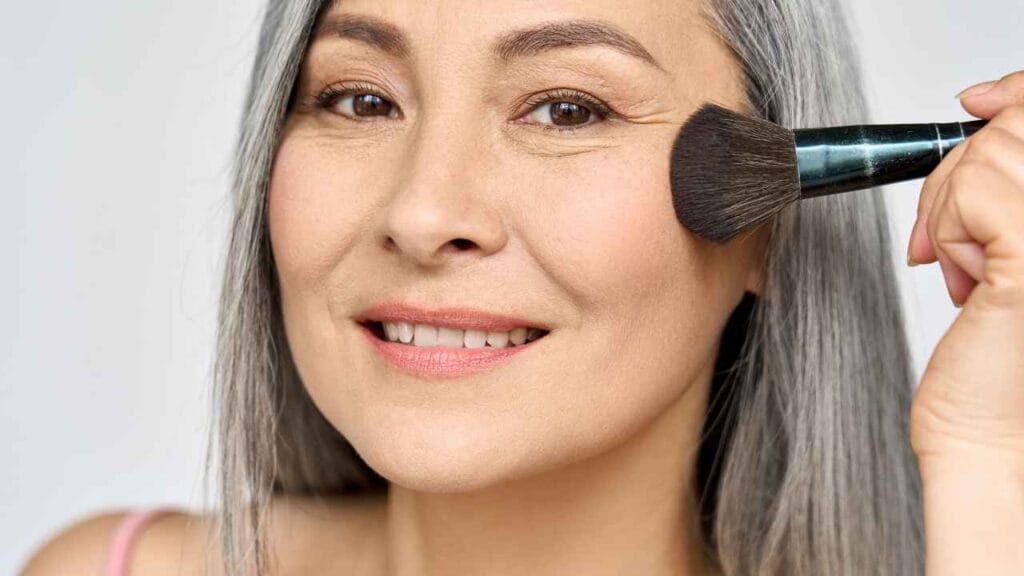
Best Foundation for Mature Skin
Foundation selection makes or breaks a makeup look on mature skin. The wrong formula can emphasise every line and dry patch, while the right one creates a smooth, naturally radiant finish that takes years off your appearance.
Creamy, hydrating formulas work wonders for mature skin. These foundations contain moisturising ingredients that keep skin comfortable throughout wear while providing a natural, skin-like finish. Steer clear of heavy matte foundations, which can look flat and actually draw attention to texture and fine lines. Instead, embrace foundations with a satin or dewy finish that mimic the appearance of healthy, youthful skin.
Light to medium coverage typically looks most natural and modern. Full coverage foundations often appear mask-like and can settle into creases, especially around the eyes and mouth. A lighter coverage allows your natural skin to show through while evening out tone and minimising imperfections. You can always build coverage in specific areas that need extra attention.
The formula matters just as much as the coverage level. Avoid foundations that feel dry or set to a powdery finish, as these inevitably settle into fine lines throughout the day. Test products on your jawline in natural light to ensure a perfect match and observe how they wear over several hours.
Editor-Recommended Foundations
Finding the perfect foundation doesn’t require spending a fortune. Several drugstore options deliver impressive results for mature skin. Look for foundations marketed as hydrating, radiant, or age-defying, as these typically contain beneficial ingredients and flattering finishes.
High-end options often feature advanced skincare ingredients and sophisticated formulations. These investments can be worthwhile if you struggle with specific concerns like significant dryness or texture issues. Premium foundations frequently offer extended wear without compromising on comfort or appearance.
When selecting by skin type, dry skin benefits most from dewy, hydrating formulas with skincare ingredients. Combination skin performs well with satin-finish foundations that balance moisture without excess shine. Even oily mature skin should avoid overly matte formulas, opting instead for natural-finish foundations that control oil without emphasising texture.
Concealer Techniques for Brightening Without Creasing
The under-eye area requires special attention, as the skin here is thinner and more prone to showing age. The right concealer approach brightens and refreshes your entire face without drawing attention to fine lines.
Lightweight formulas prove essential for the delicate under-eye area. Heavy concealers crease almost immediately in this mobile zone, creating unflattering lines that age your appearance. Choose liquid or cream concealers with a thin, buildable consistency that layers easily without looking cakey.
Color correcting addresses dark circles more effectively than simply piling on concealer. Peach or orange-toned correctors neutralise blue or purple undertones before you apply your regular concealer. This technique requires less product overall and creates a more natural-looking result.
Application method dramatically impacts how concealer performs throughout the day. Gently tap concealer into skin using your ring finger or a damp beauty sponge rather than dragging or rubbing. This pressing motion deposits product without disturbing the delicate skin or creating creases. Apply concealer in an inverted triangle shape under the eye to maximise brightening effects and create a lifted appearance.
Blush, Bronzer & Highlighter for a Youthful Glow
Strategic placement of color products brings dimension and life back to the face, creating a youthful radiance that photographs beautifully and looks natural in person.
Cream blush and bronzer formulas blend seamlessly into mature skin, creating a dewy, lit-from-within glow. These products melt into skin rather than sitting on top of it, preventing the dusty, obvious appearance that powder formulas sometimes create. Cream products also add moisture to skin, contributing to an overall more youthful appearance.
Placement techniques can actually lift the face and enhance your bone structure. Apply blush slightly higher on the cheekbones than you might have in your younger years, sweeping it toward the temples rather than the centre of the face. This upward motion creates a lifting effect. Bronzer should be lightly dusted where the sun naturally hits your face: the forehead, temples, and along the cheekbones.
Highlighter brings a youthful glow when applied with restraint. Choose subtle, finely-milled highlighters that create a soft sheen rather than obvious glitter or shimmer. Apply to the high points of cheekbones, the bridge of the nose, and the cupid’s bow. Avoid highlighting areas with texture or large pores, as shimmer emphasises these features.
Eye Makeup Tips to Define and Lift
Eye makeup on mature skin focuses on definition and enhancement rather than dramatic transformation. The goal is to open and lift the eyes while working with natural changes like hooded lids or thinning lashes.
Neutral tones in soft browns, taupes, and warm greys universally flatter mature eyes. These shades enhance your natural eye shape without looking harsh or dated. Matte and satin finishes work better than heavy shimmer, which can emphasise crepey lids. A light, neutral shade on the lid with a slightly deeper shade in the crease creates dimension without looking overdone.
Soft eyeliners define eyes without the tugging that can damage delicate skin. Gel or pencil formulas glide on easily and can be smudged for a softer effect. Instead of a harsh line, consider tightlining the upper lash line or creating a soft, smudged effect along the lashes. Brown or charcoal eyeliners often look more natural than stark black.
Mascara focuses on the upper lashes to open the eyes. Choose volumising formulas that thicken lashes without clumping or flaking throughout the day. Curling lashes before mascara application creates an instant eye-opening effect.
Brow Enhancement Tips
Well-groomed brows frame the face and can take years off your appearance. As brows naturally thin with age, strategic enhancement makes a significant difference.
Fill sparse areas with light, feathery strokes that mimic natural hair rather than drawing solid lines. Use a shade that matches your natural brow color or is one shade lighter for the most natural effect. Start light and build gradually, as overly dark or heavy brows can look harsh.
Brow gels set hairs in place while adding subtle volume and fullness. Clear gels work for those who simply need to tame unruly hair, while tinted versions add both color and hold. Brush brows upward and outward for a lifted, youthful effect.
Lip Makeup for Fuller, Softer Lips
Lips naturally lose volume and definition with age, but the right products and techniques can restore fullness and prevent common issues like feathering.
Hydration must come first. Apply lip balm before starting your makeup routine, allowing it to sink in while you work on your face. Well-moisturisedz lips accept color better and look plumper and more youthful.
Satin and creamy lipsticks provide beautiful color while maintaining comfortable wear. These finishes look modern and fresh, unlike matte formulas that can emphasise lip lines and make lips appear thinner. Choose shades in the rose, mauve, berry, or warm nude families for universally flattering options.
Lip liners prevent feathering and bleeding, which become more common as the skin around the lips develops fine lines. Choose a liner that matches your natural lip color rather than your lipstick, as this creates the most versatile and natural-looking result. Line just outside your natural lip line to subtly enhance fullness.
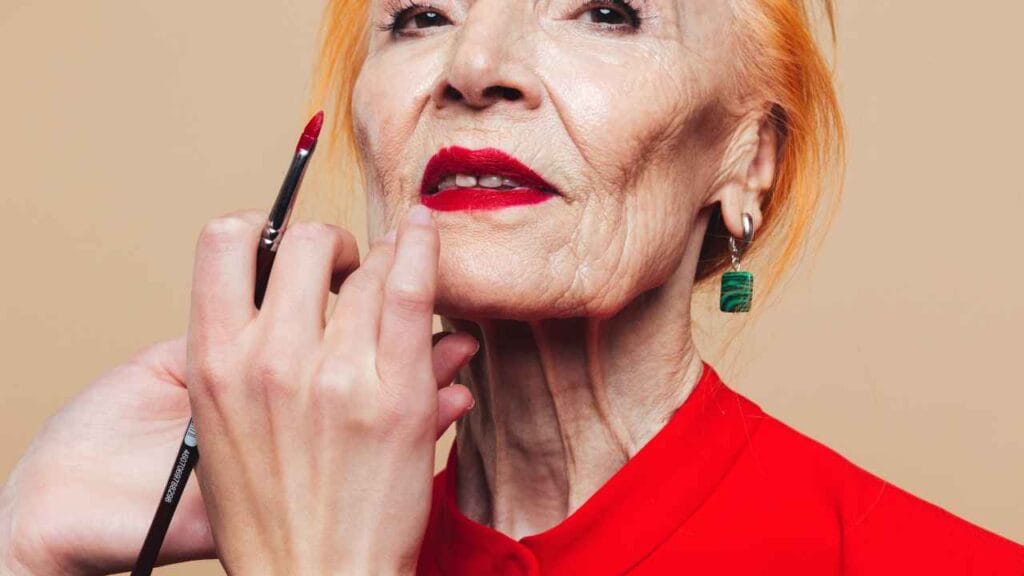
Makeup Mistakes to Avoid on Mature Skin
Certain makeup habits can inadvertently age your appearance rather than enhance your natural beauty. Awareness of these common pitfalls helps you maintain a fresh, modern look.
Too much powder is perhaps the most ageing mistake. While setting certain areas might be necessary, heavy powder application settles into lines and creates a dry, flat appearance. Use powder sparingly, if at all, and consider setting sprays as an alternative.
Harsh contouring looks unnatural on mature skin and can actually emphasise jowls or other areas you’d prefer to minimise. Subtle bronzing and strategic blush placement create dimension without obvious lines or muddy patches.
Overly dark lip shades can make lips appear smaller and thinner unless intentionally styled as part of a complete, polished look. If you love deep shades, ensure the rest of your makeup is balanced and refined.
Skipping skincare prep undermines even the best makeup products. Those few extra minutes spent on proper cleansing, moisturising, and priming make the difference between makeup that looks beautiful and makeup that simply sits on the surface.
Best Makeup Products for Older Skin
Choosing the right products simplifies your routine and ensures consistent, beautiful results. Here are the top-performing options across key categories.
The best hydrating primers create a smooth canvas while adding moisture. Look for silicone-based options that fill fine lines or water-based formulas packed with hydrating ingredients. These products should feel comfortable and never sticky or heavy.
Best lightweight foundations combine coverage with skincare benefits. Seek formulas with hyaluronic acid, vitamin E, or peptides that actually improve skin over time while providing a flawless finish.
Best cream blushes blend effortlessly and create that coveted natural flush. These products should have a bouncy, blendable texture that melts into skin and layers beautifully over foundation.
Best lifting mascaras feature curved brushes and volumising formulas that coat every lash without clumping. Many now include conditioning ingredients that strengthen lashes with continued use.
Best moisturising lipsticks feel comfortable for hours while delivering rich, beautiful color. These formulas should never feel dry or emphasise lip lines, instead providing a smooth, creamy application.
Makeup Tips for Different Age Groups
While mature skin shares common characteristics, your specific needs evolve throughout the decades.
Makeup in your 40s often focuses on maintaining radiance as skin begins showing early signs of ageing. Hydration becomes increasingly important, and you might notice that full-coverage products no longer look as natural. This is an excellent time to embrace cream products and lighter coverage that allows your skin to show through.
Makeup in your 50s addresses more pronounced lines and possible changes in skin tone. Strategic placement of products becomes crucial, and you may need to adjust color choices as your natural colouring evolves. Many find that warmer tones become more flattering during this decade.
Makeup in your 60s and beyond celebrates the confidence that comes with experience. Comfort matters tremendously, so choose products that feel lightweight and nourishing. Simplifying your routine often yields the most beautiful results, focusing on well-groomed brows, a touch of color on cheeks and lips, and strategic concealing where needed.
Conclusion
Makeup should enhance the beautiful person you are today, not attempt to turn back the clock or disguise your natural features. The most successful makeup for mature skin works with your skin’s characteristics rather than fighting against them. By choosing hydrating, creamy formulas, applying products with gentle techniques, and embracing your natural beauty, you create a look that’s both radiant and authentically you.
Start with proper hydration, both from within and through your skincare products. Build from there with carefully chosen cosmetics that enhance rather than mask. Remember that confidence shines brighter than any highlighter, and the right makeup simply helps you feel like the best version of yourself at every age.
Frequently Asked Questions
Q: What type of foundation is best for mature skin with fine lines?
A: Hydrating, lightweight foundations with a satin or dewy finish work best for mature skin. Look for creamy formulas that contain moisturizing ingredients like hyaluronic acid or glycerin. Avoid heavy matte foundations, as they tend to settle into fine lines and emphasize texture. Light to medium coverage creates the most natural, youthful appearance while still evening out skin tone.
Q: Should I use powder on mature skin?
A: Use powder very sparingly on mature skin, if at all. Heavy powder application can settle into fine lines, emphasize dry patches, and create a flat, aged appearance. If you need to set your makeup, apply a light dusting only to areas that tend to get oily, like the T-zone. Alternatively, consider using a setting spray instead, which keeps makeup in place without the drying effects of powder.
Q: How can I prevent my under-eye concealer from creasing?
A: Choose a lightweight, hydrating concealer formula specifically designed for the under-eye area. Apply it by gently tapping with your ring finger or a damp beauty sponge rather than dragging or rubbing. Use less product than you think you need—you can always build coverage gradually. Make sure the area is well-moisturized before application, and avoid setting with powder, which often causes more creasing on mature skin.
Q: What’s the difference between makeup for your 40s vs. your 60s?
A: While the basic principles remain similar, your specific needs evolve with each decade. In your 40s, focus on maintaining radiance and transitioning to lighter coverage. In your 50s, adjust color choices as your natural coloring changes and pay more attention to strategic product placement. In your 60s and beyond, comfort becomes paramount—simplify your routine, focus on hydration, and choose lightweight, nourishing formulas that enhance rather than mask your natural features.