How to Take Care of Wavy Hair After Pool
There’s nothing quite like a refreshing dip in the pool on a hot summer day, but if you have wavy hair, you’ve probably noticed the aftermath isn’t always pretty. Pool water can transform your beautiful waves into a tangled, frizzy, straw-like mess that feels nothing like your natural hair texture.
The culprit? Chlorine and other pool chemicals strip your hair of its natural moisture, leaving it dry, brittle, and difficult to manage. Wavy hair is particularly vulnerable to this damage due to its unique structure and moisture needs. The good news is that with the proper post-swim routine and preventive measures, you can protect your waves and keep them healthy, defined, and gorgeous all summer long.
In this comprehensive guide, you’ll learn exactly how to take care of wavy hair after pool, including immediate post-swim steps, deep conditioning treatments, prevention strategies, and expert tips to maintain your wave pattern even with frequent pool exposure.
Table of Contents
Why Pool Water Damages Wavy Hair
Understanding why pool water harms your hair helps you make better decisions about protection and recovery. Let’s break down the science behind the damage.
How Chlorine Strips Moisture
Chlorine is a powerful disinfectant used to keep pool water clean and safe, but it’s extremely harsh on hair. When you swim, chlorine penetrates the hair shaft and strips away the natural oils (sebum) that keep your hair moisturized and protected. This removal of natural oils results in immediate dryness, making hair feel rough and look dull. Without these protective oils, your hair becomes vulnerable to further damage, breakage, and environmental stress.
The oxidizing properties of chlorine also break down the protein structure in your hair, weakening each strand from the inside out. This is why your hair might feel almost brittle or crunchy after swimming—the structural integrity has been compromised.
Why Wavy Hair Is More Sensitive
Wavy hair sits somewhere between straight and curly on the hair texture spectrum, but this middle ground comes with unique challenges. The natural bends and curves in wavy hair create points along the shaft where the cuticle doesn’t lie completely flat. These raised cuticle areas make it easier for moisture to escape and for damage to occur.
Additionally, the natural oils from your scalp have a harder time travelling down wavy strands than they do in straight hair. This means wavy hair is already predisposed to dryness, and chlorine exposure only exacerbates this tendency. The result? Waves that lose their definition, become frizzy, and feel parched after pool exposure.
Signs of Chlorine Damage
How do you know if pool water has damaged your wavy hair? Watch for these telltale signs:
Your hair feels rough and straw-like to the touch, lacking the soft, smooth texture of healthy waves. If you have colour-treated hair, you might notice the colour has faded, turned brassy, or developed a greenish tint (especially common with blonde hair). Your strands become tangled easily and feel crunchy or brittle when dry. You may also notice increased breakage, split ends appearing more quickly, and waves that won’t hold their pattern, no matter what products you use.
These signs indicate that the chlorine has penetrated deeply into your hair structure, causing significant moisture loss and protein damage.
What to Do Immediately After Swimming (Step-by-Step)
The first hour after swimming is crucial for minimizing chlorine damage. Follow these steps as soon as you exit the pool.
Rinse Hair Right Away
This is the most critical step you can take. As soon as you’re done swimming, head straight to the shower and rinse your hair thoroughly with fresh water. Studies show that a quick rinse can remove 80 to 90 per cent of the chlorine from your hair, dramatically reducing potential damage.
Use lukewarm water for your rinse—hot water can open the cuticle further and cause additional dryness. Spend at least two to three minutes rinsing, making sure water flows through every section of your hair. Focus on your ends, which are the oldest and most vulnerable part of your hair.
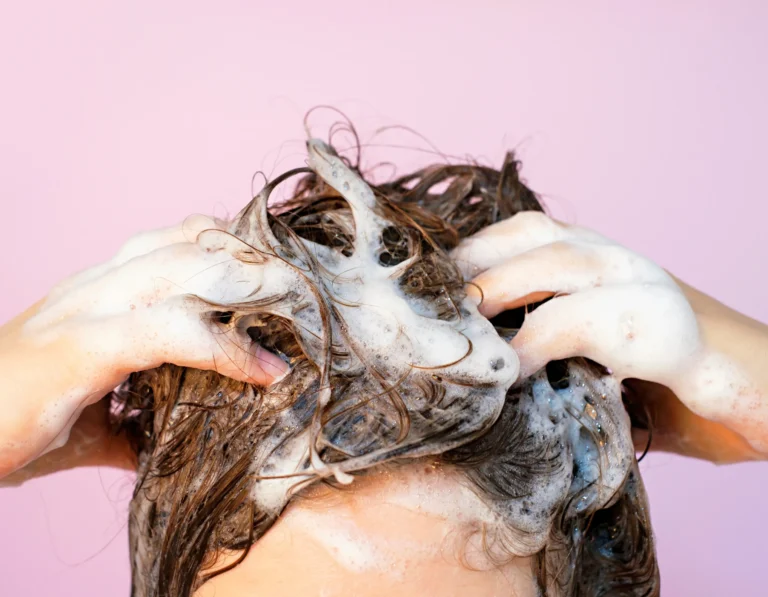
Use a Gentle Clarifying or Anti-Chlorine Shampoo
After rinsing, you need to cleanse away any remaining chlorine and pool chemicals. This is where product choice matters tremendously.
Malibu C Swimmers Wellness Shampoo is specifically formulated to remove chlorine, copper, and other pool minerals without over-stripping wavy hair. The gentle vitamin C-based formula breaks down chlorine bonds while maintaining your hair’s natural moisture balance.

Paul Mitchell Shampoo Three offers another excellent option for removing chlorine buildup. This clarifying shampoo is strong enough to eliminate chemical residue but gentle enough for regular use by swimmers with wavy hair.
For those who swim daily, alternate between a chlorine-removing shampoo and your regular moisturizing shampoo. Using clarifying products every single day can strip too much moisture, so balance is key. If you swim occasionally, use a specialized swimmer’s shampoo after each pool session.
Condition Deeply
After cleansing, your wavy hair desperately needs moisture replenishment. Apply a generous amount of conditioner from mid-length to ends, avoiding the roots to prevent weighing down your waves.
SheaMoisture Manuka Honey & Yoghurt Hydrate + Repair Conditioner works beautifully for post-swim recovery. The honey and yoghurt proteins help restore moisture while repairing chlorine damage.
Ouai Thick Hair Conditioner provides deep hydration with a lightweight feel that won’t weigh down waves. The formula includes amino acids that help rebuild the protein structure damaged by chlorine.
While the conditioner sits in your hair for 3 to 5 minutes, use a wide-tooth comb to detangle gently. Start from the ends and work your way up to prevent breakage. The conditioner provides slip, making detangling easier and less damaging.
Squeeze, Don’t Rub
How you dry your hair after swimming matters just as much as the products you use. Never rub your hair vigorously with a towel—this creates friction that roughens the cuticle and causes frizz.
Instead, gently squeeze excess water from your hair with a microfiber towel or a soft cotton T-shirt. These materials are much gentler than regular terry cloth towels. Scrunch your hair upward toward your scalp to encourage your natural wave pattern while removing water.
Apply a Leave-In Conditioner
As the final step in your immediate post-swim routine, apply a leave-in conditioner to lock in hydration and help your waves reform naturally.
It’s a 10 Miracle Leave-In Product has earned its cult following by delivering multiple benefits in one lightweight spray. It detangles, adds moisture, protects against heat styling, and helps control frizz—everything wavy hair needs after chlorine exposure.
Kinky-Curly Knot Today Leave-In Conditioner offers a creamier option that provides intense moisture while defining waves beautifully. The organic mango and slippery elm extracts help detangle and smooth the hair shaft.
Apply leave-in conditioner to damp hair, focusing on mid-lengths and ends where damage is most severe.
Best Post-Pool Care Routine for Wavy Hair
Beyond the immediate steps after swimming, establish a regular care routine to maintain healthy waves throughout swimming season.
Hydrating Mask (1-2 Times a Week)
Deep conditioning masks provide intensive moisture therapy that regular conditioners can’t match. Use a hydrating mask once or twice weekly, depending on how often you swim.
Briogeo Don’t Despair, Repair! Deep Conditioning Mask contains a blend of rosehip, argan, and coconut oils that penetrate deeply to restore moisture and elasticity. The B-vitamin complex helps strengthen hair weakened by chlorine exposure.
Shea Moisture Raw Shea Butter Deep Treatment Masque offers a budget-friendly option packed with intensely moisturizing ingredients. The raw shea butter, sea kelp, and argan oil combination revives even severely dried-out waves.
Apply your mask to clean, damp hair and leave it on for 15 to 20 minutes. For extra penetration, cover your hair with a shower cap—the warmth helps the treatment work more effectively.
Light Protein Treatment
Chlorine doesn’t just dry out your hair—it also damages the protein structure. Incorporating a light protein treatment helps repair this damage and restore strength.
Aphogee Two-Minute Keratin Reconstructor provides a gentle protein boost without making hair feel stiff or straw-like. Use it once every two weeks if you swim regularly, or weekly if you notice significant damage.
Wavy hair needs a delicate balance between moisture and protein. Too much protein makes hair feel stiff and brittle, while too little leaves it weak and limp. Pay attention to how your hair responds and adjust accordingly.
Anti-Frizz Serums or Creams
Pool damage often manifests as frizz, especially in wavy hair. Combat this with targeted anti-frizz products that smooth the cuticle and protect against humidity.
Moroccanoil Treatment has become a staple in many wavy hair routines for good reason. The argan oil formula tames frizz, adds shine, and protects hair from further damage. Use just a small amount—a little goes a long way.
Living Proof No Frizz Nourishing Styling Cream uses patented technology to block humidity and prevent frizz while maintaining a natural feel. It defines waves without crunch or stiffness.
Apply these products to damp hair after leave-in conditioner for the best results.
Air-Dry or Diffuse Gently
After all your careful product application, how you dry your hair makes a significant difference in the final result.
Air-drying is the gentlest option and works well if you have time. Scrunch your waves periodically as they dry to enhance definition. Avoid touching your hair too much, as this can disrupt the wave pattern and create frizz.
If you need faster drying, use a diffuser attachment on your blow dryer. Please set it to low or medium heat, and cup sections of your hair in the diffuser bowl while moving it in a circular motion. Don’t aim the airflow directly at your hair—this creates frizz. The diffuser disperses air gently while supporting your waves as they dry.
Never blow-dry wavy hair straight down with high heat and direct airflow. This stretches out your wave pattern and causes heat damage on top of the chlorine damage you’re trying to repair.
How to Brush or Detangle Wavy Hair After the Pool
Improper detangling causes unnecessary breakage and disrupts your wave pattern. Follow these guidelines for damage-free detangling.
The best tools for detangling wavy hair are a wide-tooth comb or a wet brush explicitly designed for detangling. The Wet Brush Original Detangler features flexible bristles that glide through tangles without pulling or breaking strands. The Felicia Leatherwood Detangling Brush is another excellent choice, specifically designed for textured hair types.
Never, ever brush or comb wavy hair when it’s scorched—this is one of the fastest ways to create frizz and damage your wave pattern. Always detangle when hair is wet and coated with conditioner or leave-in product. The product provides a slip that allows the comb to move through tangles more easily.
Start detangling at the ends of your hair, not at the roots. Hold the section you’re working on above where you’re combing to prevent pulling on your scalp. Work your way up gradually, removing tangles section by section. Be patient—rushing this process leads to breakage.
How to Prevent Damage Before Swimming
Prevention is always better than treatment. These pre-swim strategies significantly reduce chlorine damage before it happens.
Pre-Wet Your Hair
Here’s a simple but powerful trick: thoroughly wet your hair with fresh water before entering the pool. Hair is like a sponge—it absorbs whatever it’s exposed to first. When you saturate your hair with clean water before swimming, it absorbs much less chlorinated pool water. This single step can reduce chlorine absorption by up to 50%.
Stand under the shower for two to three minutes, making sure every strand is completely soaked before you dive in.
Apply a Pre-Swim Conditioner or Oil Barrier
Take prevention a step further by coating your hair with a protective barrier before swimming.
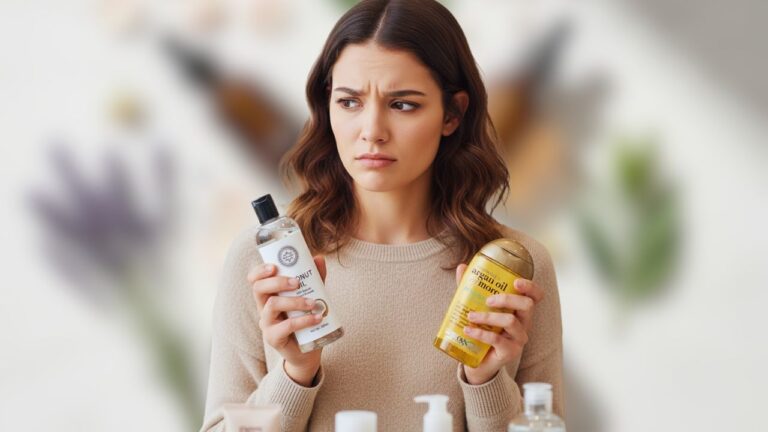
Coconut oil works exceptionally well as a pre-swim treatment. Apply a generous amount throughout your hair, focusing on the ends. The oil creates a water-resistant coating that blocks chlorine from penetrating the hair shaft.
Argan oil offers a lighter alternative that still provides good protection. It absorbs more easily than coconut oil, making it ideal if you don’t want heavy buildup.
Bumble and bumble Hairdresser’s Invisible Oil combines multiple beneficial oils in a lightweight formula that protects against damage. Apply it liberally before swimming to help block chlorine.
Alternatively, use a regular leave-in conditioner as a barrier. Products like Kinky-Curly Knot Today not only protect against chlorine but also make post-swim detangling easier.
Wear a Swim Cap (But Choose the Right Type)
Swim caps aren’t the most fashionable accessory, but they provide the best protection against pool chemicals. The key is choosing the right type and fitting it correctly.
Silicone swim caps are superior to latex for wavy hair. They’re more durable, less likely to pull or snag hair, and provide better water resistance. The Speedo Silicone Solid Swim Cap fits comfortably and accommodates medium to thick wavy hair well.
To fit a swim cap over wavy hair comfortably, first pull your hair into a low bun or loose braid. This creates a more compact shape that fits under the cap more easily. Put the cap on from front to back, tucking all your hair inside. While no cap creates an entirely waterproof seal, a well-fitted silicone cap keeps out most pool water.
Protective Styles for Wavy Hair
If you prefer not to wear a swim cap, protective hairstyles minimize chlorine contact with your hair.
A loose braid or two French braids keep your hair contained and reduce the surface area exposed to pool water. Don’t braid too tightly—this can cause tension damage. Secure the ends with a soft scrunchie or spiral hair tie that won’t leave creases.
A low bun at the nape of your neck keeps hair mostly out of the water if you’re not planning to swim laps. Again, use gentle hair ties that won’t damage wet hair.
For maximum protection, combine a protective style with pre-swim oil application and a swim cap. This three-layer defence system keeps your waves’ healthiest during frequent swimming.
Tips for Colour-Treated Wavy Hair
If you colour your wavy hair, you face additional challenges when swimming. Chlorine accelerates colour fading and can cause unwanted colour shifts, particularly turning blonde hair greenish.
The green tint happens when chlorine oxidizes copper and other metals in pool water, which then bind to the hair shaft. This is especially problematic for light-colored or highlighted hair.
Malibu C Hard Water Wellness Hair Remedy removes mineral buildup that causes colour changes. Use it once a week during swimming season to prevent discolouration.
Fanola No Yellow Shampoo neutralizes brassy tones and green tints in blonde, silver, or highlighted hair. The purple pigments counteract unwanted warm or green tones caused by pool chemicals.
Always use a UV-protectant product on colour-treated hair, as sun exposure combined with pool chemicals causes even faster fading. Sun Bum Revitalising 3-in-1 Leave-In Conditioner provides both chlorine and UV protection in a single spray.
Consider spacing out your swimming sessions and colouring appointments. Don’t colour your hair within a week before or after extended pool exposure, as this compounds chemical stress on your strands.
Common Mistakes to Avoid
Even with good intentions, these common errors can sabotage your wavy hair care efforts after swimming.
Rubbing your hair vigorously with a towel creates friction that roughens the cuticle and causes immediate frizz. Always squeeze or scrunch gently instead. Using harsh clarifying shampoo every single day strips away too much moisture and natural oils, even as you’re trying to remove chlorine. Balance clarifying sessions with regular moisturizing shampoos.
Never brush wavy hair when it’s scorched—this disrupts your wave pattern, causing frizz and breakage. Only detangle when wet with product for slip. Skipping conditioner after swimming is a critical error. Your hair is desperate for moisture after chlorine exposure, and skipping this step leaves it vulnerable to damage.
Perhaps the biggest mistake is leaving chlorine in your hair for hours after swimming. The longer chlorine sits on your strands, the more damage it causes. Always rinse immediately, even if you can’t do a whole wash routine right away.
Frequently Asked Questions
How often should I wash my hair after swimming?
You should rinse your hair immediately after every swim session to remove chlorine. However, you don’t need to do a whole shampoo-and-condition routine every time. If you swim daily, alternate between full washes and simple rinses, then apply a leave-in conditioner. This prevents over-washing while still removing harmful chemicals.
Can chlorine permanently damage wavy hair?
While chlorine causes significant damage, it rarely results in permanent harm if you address it promptly and adequately. The dryness, brittleness, and texture changes are usually reversible with consistent deep conditioning and protein treatments. However, neglecting chlorine-damaged hair can lead to severe breakage that requires cutting off damaged sections. The key is prevention and immediate post-swim care.
How do I keep waves defined after a swim?
Maintaining wave definition after swimming requires strategic product use and proper drying techniques. After rinsing and conditioning, apply a generous leave-in conditioner and a curl-defining cream or gel. Scrunch your hair upward while applying products to encourage your natural wave pattern. Let hair air-dry or diffuse on low heat. The combination of moisture, product, and proper drying techniques helps waves reform their natural shape.
Is it okay to swim every day with wavy hair?
Yes, you can swim daily with wavy hair if you follow a proper protection and recovery routine. Pre-wet your hair, apply a protective oil or conditioner, wear a swim cap when possible, rinse immediately after swimming, use a swimmer’s shampoo a few times per week, deep condition regularly, and incorporate weekly protein treatments. With these precautions, your waves can remain healthy despite daily exposure to the pool.
Conclusion
Taking care of wavy hair after swimming in the pool doesn’t have to be complicated, but it does require consistency and the right approach. The three-part strategy—rinse immediately, cleanse gently, and hydrate deeply—forms the foundation of healthy waves despite regular chlorine exposure.
Remember that prevention plays an equally important role in maintaining your waves. By pre-wetting your hair, applying protective barriers, and using swim caps or protective styles, you dramatically reduce the damage before it happens.
Swimming and beautiful wavy hair aren’t mutually exclusive. With the proper pre-swim preparation, immediate post-swim care routine, and regular deep conditioning treatments, your waves can remain soft, defined, and healthy all summer long. The products and techniques outlined in this guide give you everything you need to enjoy the pool without sacrificing your gorgeous waves.