Japanese Hair Care: Read the best Tips
Japanese hair care has taken the global beauty world by storm, and for good reason. Walk into any drugstore in Tokyo, and you’ll find rows of meticulously formulated products that prioritize scalp health, hair shine, and gentle nourishment over harsh chemical treatments. The Japanese approach to hair care isn’t about quick fixes or dramatic transformations—it’s about cultivating healthy hair from the roots through consistent, thoughtful care.
What sets Japanese hair care apart is its holistic philosophy, which treats the scalp as an extension of the face and deserves the same gentle attention and quality ingredients. These formulas deliver impressive results: a balanced, healthy scalp that produces naturally beautiful hair; strands that shine with vitality rather than a silicone coating; and gentle products that work with your hair’s natural structure rather than against it. Whether you’re dealing with dryness, damage, an oily scalp, or simply want to elevate your hair care routine, Japanese products offer time-tested solutions rooted in centuries of beauty wisdom.
In this comprehensive guide, you’ll discover what makes Japanese hair care uniquely effective, explore the best products available, learn proper application techniques to maximize results, and find the perfect products for your specific hair type and concerns.
Table of Contents
What Makes Japanese Hair Care Different?
Understanding the philosophy behind Japanese hair care helps explain why these products deliver such remarkable results compared to Western alternatives.
Scalp-First Philosophy
Japanese hair care is based on the fundamental principle that healthy hair begins with a healthy scalp. Just as you wouldn’t expect beautiful flowers to grow in poor soil, Japanese beauty experts recognize that damaged, clogged, or imbalanced scalp conditions produce lackluster hair. This is why Japanese shampoos focus heavily on scalp cleansing and nourishment rather than just washing hair strands. Many formulas include scalp-stimulating ingredients that promote circulation and create the optimal environment for strong, healthy hair growth.
Mild, Sulfate-Free Formulas
Walk down the shampoo aisle in Japan, and you’ll struggle to find harsh sulfates like sodium lauryl sulfate that dominate Western hair care. Japanese chemists have mastered the art of creating gentle cleansers that effectively remove dirt, oil, and product buildup without stripping hair of its natural protective oils. These mild formulations allow you to wash your hair daily without causing damage or dryness—a crucial consideration in Japan’s humid climate, where frequent washing is the norm.
Natural Ingredients with Proven Benefits
Japanese hair care draws heavily on traditional ingredients that have been used for centuries with remarkable effectiveness. Camellia oil, extracted from tsubaki flowers, has been used by Japanese women since ancient times to add shine and strength to their hair. Rice water, rich in amino acids and vitamins, helps repair damage and improve elasticity. Seaweed extracts provide minerals that nourish both scalp and strands. These aren’t trendy additions for marketing purposes—they’re carefully selected ingredients with documented benefits passed down through generations.
Focus on Long-Term Hair Health
Perhaps the most significant difference is the emphasis on patience in Japanese hair care philosophy. Rather than promising overnight transformations or dramatic changes, Japanese products are designed for consistent, long-term use that gradually improves hair health from within. This approach aligns with the broader Japanese cultural value of continuous improvement and attention to detail. The result is hair that genuinely becomes healthier over time, rather than appearing better temporarily while underlying damage worsens.
Quick Picks: Best Japanese Hair Care Products
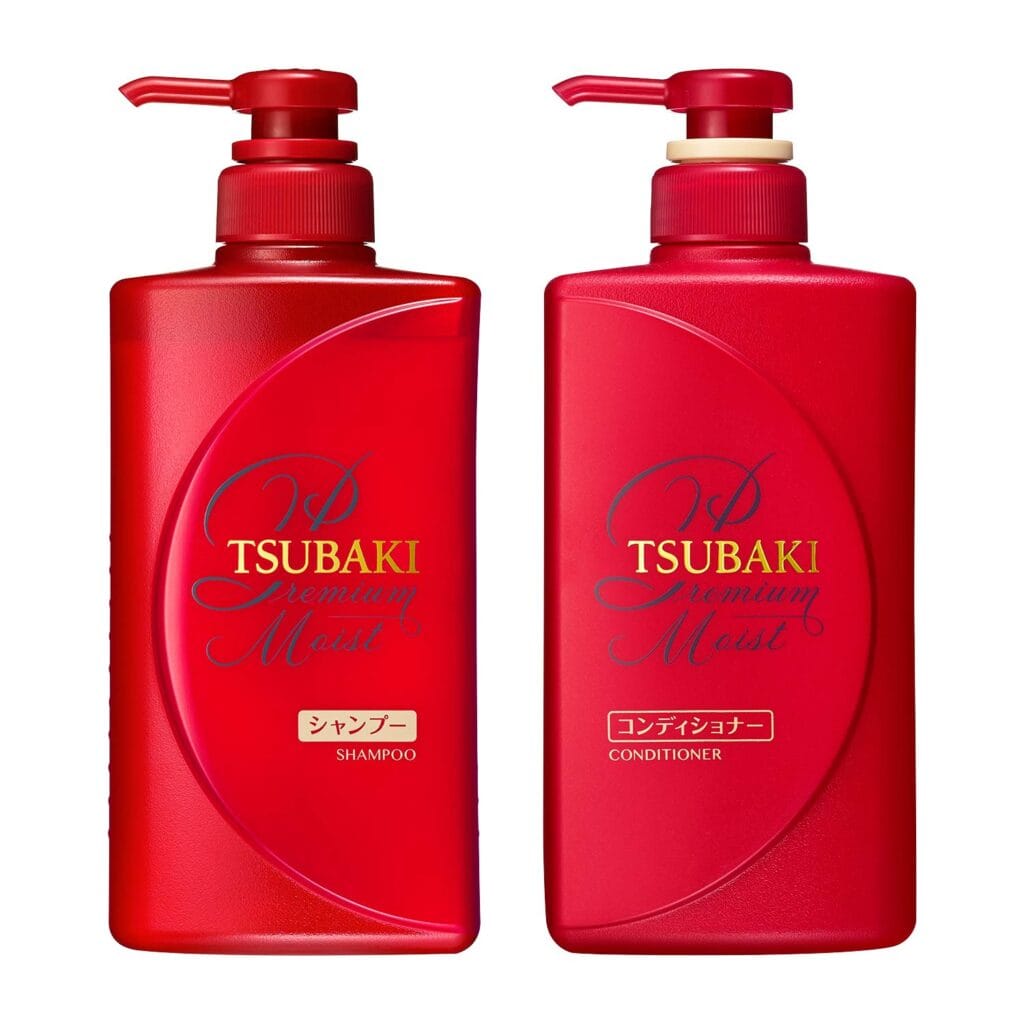
Best Japanese Shampoo: Shiseido Tsubaki Premium Repair Shampoo – Camellia oil-infused formula that cleanses gently while repairing damage.
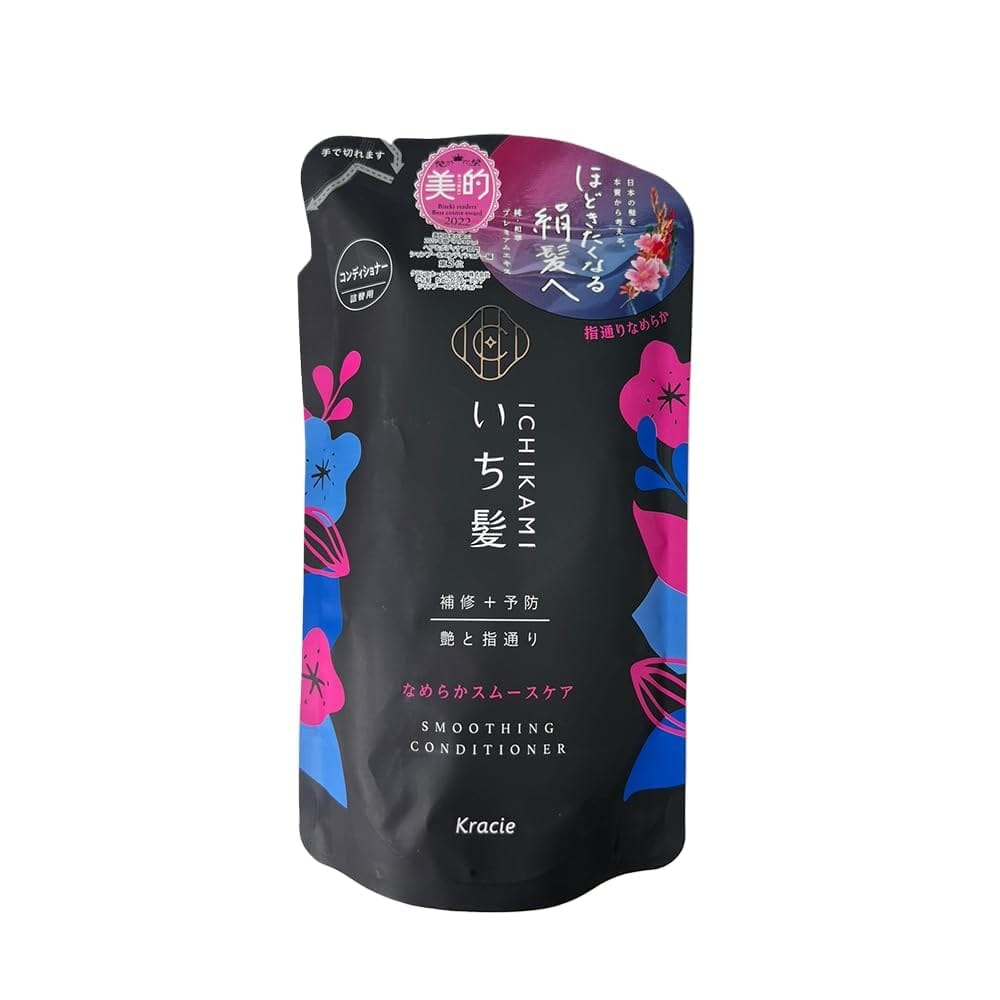
Best Conditioner: Kracie Ichikami Smoothing Conditioner – Rice bran and Japanese apricot extracts for silky, manageable hair.
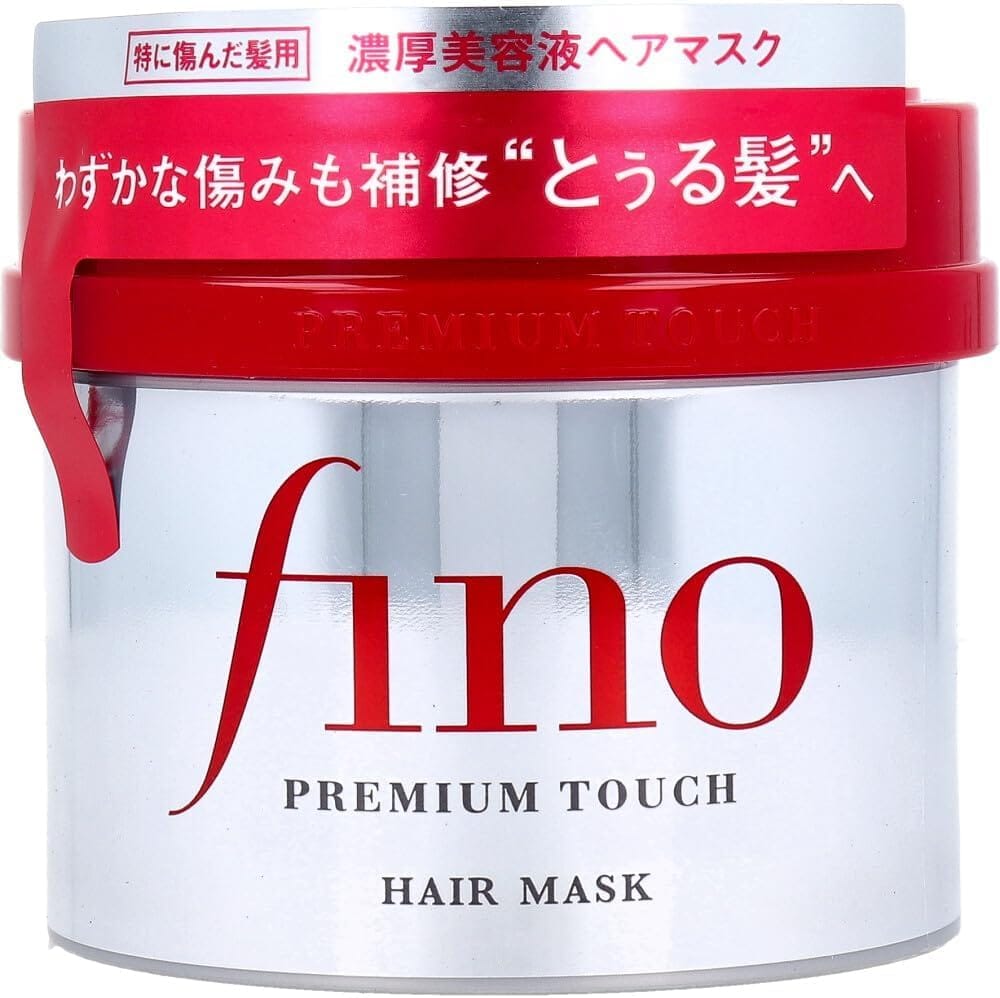
Best Hair Mask: Shiseido Fino Premium Touch Hair Mask – Intensive weekly treatment that transforms dry, damaged hair.
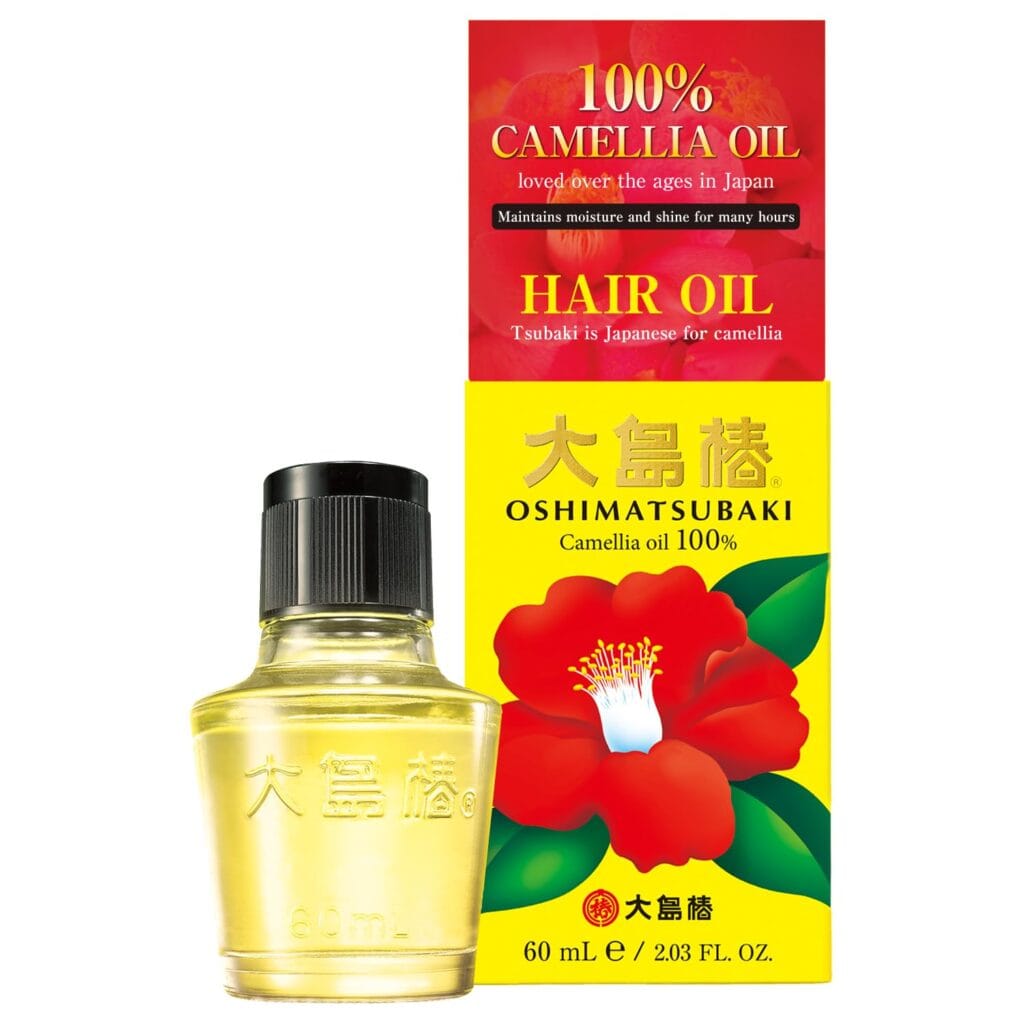
Best Hair Oil: Oshima Tsubaki Camellia Hair Oil – Pure, traditional camellia oil for incredible shine and protection.
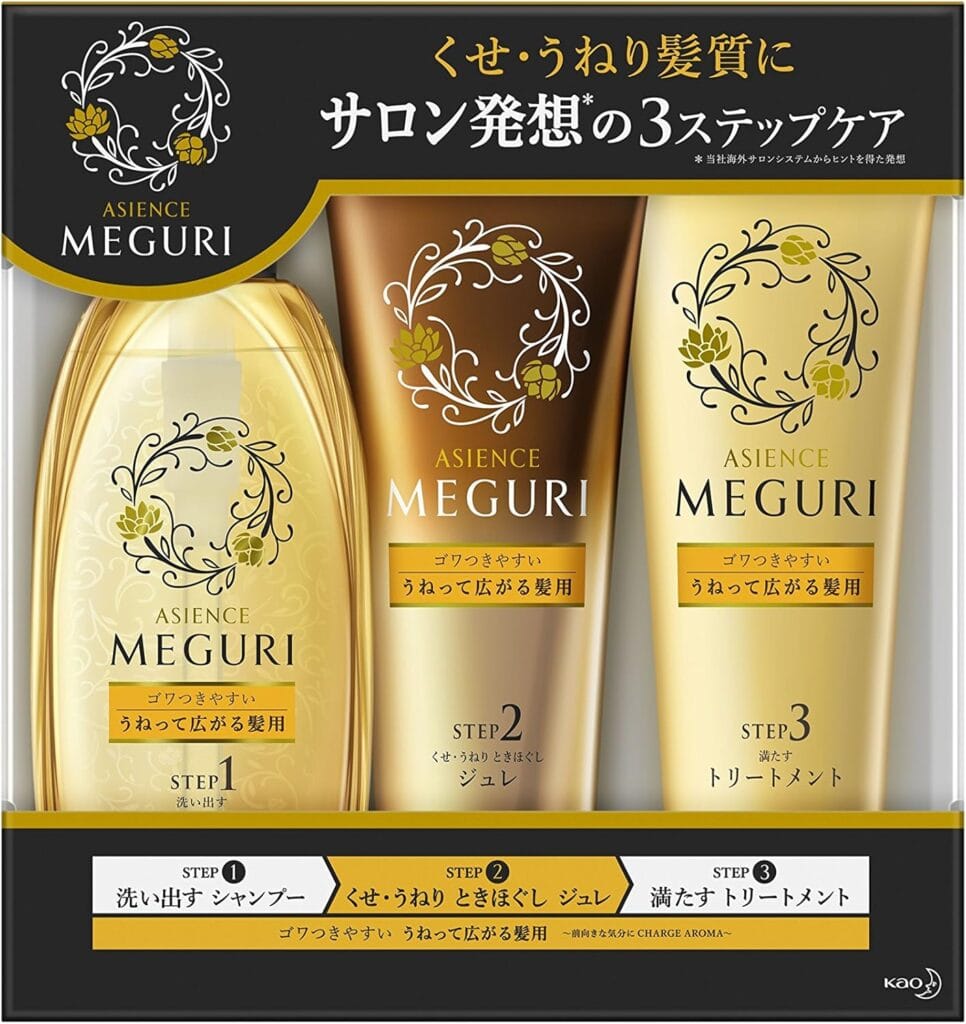
Best Scalp Treatment: Kao Asience Meguri Scalp Care Essence – Revitalizes scalp health and promotes stronger hair growth.
Best Japanese Hair Care Brands to Know
Familiarizing yourself with key Japanese hair care brands helps you navigate the market and understand which companies align with your hair care philosophy.
Shiseido is one of Japan’s most prestigious beauty companies, with over 150 years of expertise. Their Tsubaki line focuses on the benefits of camellia oil, while Fino represents their premium hair mask offerings, which have achieved cult status worldwide.
Kracie produces the beloved Ichikami range, which features traditional Japanese botanicals such as rice bran, apricot, and sakura extracts. Their products are widely accessible and deliver professional-quality results at drugstore prices.
Kao is a household name in Japan, offering multiple hair care lines, including Asience, which targets Asian hair with formulas designed for its unique structure and needs.
Rohto brings pharmaceutical expertise to beauty with their Hada Labo hair care line, applying the same hyaluronic acid technology that made their skincare famous to create intensely hydrating hair products.
Milbon is a professional salon-quality hair care brand used by top stylists throughout Japan. Their products are more investment pieces, but they deliver transformative results for damaged or difficult-to-manage hair.
Lebel is another professional line favored by Japanese hair salons, known for their targeted treatments that address specific hair concerns with scientific precision.
&honey has recently gained significant popularity for its honey- and hyaluronic acid-based formulas that deliver deep moisture without weighing hair down, appealing to younger consumers seeking effective yet affordable luxury.
Best Japanese Hair Care Products (In-Depth Reviews)
Best Japanese Shampoo for Dry Hair: Shiseido Tsubaki Premium Repair Shampoo
This luxurious shampoo harnesses the power of camellia oil, the same ingredient Japanese women have relied on for centuries to maintain their famously beautiful hair. The rich, creamy formula lathers into a soft foam that cleanses without stripping, making it ideal for dry, brittle, or heat- or chemical-treated hair.
The key ingredient is premium tsubaki oil combined with amino acids that penetrate the hair shaft to repair damage from within. The formula also contains squalane for added moisture and royal jelly extract to strengthen hair structure. Users notice their hair feels significantly softer after just one wash, with continued improvement in manageability and reduced breakage over several weeks.
The shampoo creates a rich, luxurious lather despite being sulfate-free, and the elegant floral scent is sophisticated without being overwhelming. The formula works well on medium to thick hair and is particularly effective for those with heat-damaged or color-treated hair. While the price point is higher than basic drugstore options, the concentrated formula means a little goes a long way. This shampoo is best for dry, damaged, or color-treated hair needing serious repair and moisture.
Best Japanese Shampoo for Oily Scalp: Kao Asience Meguri Scalp Cleansing Shampoo
If you struggle with an oily scalp that requires daily washing, this shampoo addresses the root cause rather than just treating symptoms. The formula focuses on balancing sebum production while maintaining scalp health, so you’re not caught in a cycle of stripping oils only to have your scalp overproduce.
This shampoo contains eucalyptus and ginger extracts that stimulate circulation and help regulate oil production naturally. The gentle cleansing agents remove excess sebum and product buildup without irritating the scalp or causing dryness. The lightweight formula rinses clean without leaving residue that can weigh hair down or contribute to greasiness.
The refreshing herbal scent feels invigorating during your morning shower, and the formula creates a light, airy foam that cleanses effectively. Users with fine hair particularly appreciate how this shampoo adds volume without making hair feel stripped or dry. The scalp feels genuinely clean and refreshed rather than tight or irritated. This shampoo is ideal for oily scalps, fine hair, or anyone who needs to wash their hair daily.
Best Japanese Hair Mask for Damaged Hair: Shiseido Fino Premium Touch Hair Mask
This weekly treatment has achieved legendary status among beauty enthusiasts worldwide, and for good reason. The vibrant, thick cream transforms even severely damaged hair into smooth, manageable strands that look and feel salon-fresh. Many users describe it as better than expensive salon treatments.
The formula contains seven types of beauty essences, including royal jelly, which is rich in proteins and amino acids that help repair damaged hair bonds. The mask penetrates deeply into the hair shaft rather than just coating the surface, providing genuine repair rather than temporary smoothness. It’s particularly effective for hair damaged by bleaching, frequent heat styling, or chemical treatments.
The texture is luxuriously thick and creamy, requiring only a small amount for shoulder-length hair. The subtle floral fragrance is pleasant and not overwhelming. Users recommend applying it to towel-dried hair, leaving it on for five to ten minutes, then rinsing thoroughly for best results. The difference is noticeable immediately, with hair feeling softer, smoother, and more manageable. With continued weekly use, damaged hair gradually regains its strength and shine. This mask is best suited for damaged, chemically treated, or dehydrated hair that needs intensive repair.
Best Japanese Hair Oil for Shine: Oshima Tsubaki Camellia Hair Oil
This is pure, traditional camellia oil in its most authentic form—the exact product Japanese women have used for generations to maintain their glossy, healthy hair. Unlike many hair oils that contain silicones and synthetic ingredients, this is 100% natural camellia seed oil, with nothing added, making it suitable for even sensitive scalps.
Camellia oil closely resembles human sebum in its molecular structure, allowing it to absorb quickly without leaving a greasy residue. It provides antioxidant protection against environmental damage, seals the hair cuticle to lock in moisture and create shine, and strengthens hair to prevent breakage. A few drops can be used on damp hair before styling, on dry hair to tame frizz and add shine, or as an overnight scalp treatment.
The oil has a very mild, neutral scent and a lightweight texture that doesn’t weigh hair down. It’s incredibly versatile—you can use it on your face, body, and nails. The simple, traditional bottle reflects the product’s authentic, no-frills approach. At the same time, pure oils aren’t for everyone. Those who try camellia oil often become devoted users who appreciate its simplicity and effectiveness. This oil is best for all hair types seeking natural shine, heat protection, and improved overall hair health.
Best Japanese Scalp Treatment: Kao Asience Meguri Scalp Care Essence
This targeted scalp treatment addresses the foundation of hair health by creating optimal conditions for strong, healthy hair growth. Applied directly to the scalp after washing, it delivers active ingredients that improve circulation, reduce inflammation, and balance the scalp environment.
The formula contains ginger extract to stimulate blood flow, bringing nutrients to hair follicles. It also includes amino acids that strengthen hair at the root and botanical extracts that soothe irritation and reduce flakiness. The lightweight essence absorbs quickly without leaving residue or making hair greasy, making it suitable for daily use.
The applicator tip makes it easy to apply directly to the scalp, avoiding waste on hair strands. Users notice reduced hair fall, increased root volume, and an overall healthier scalp feel within a few weeks of consistent use. The refreshing sensation during application provides a spa-like experience at home. This treatment is best for those experiencing hair thinning, slow hair growth, or scalp concerns such as irritation or excessive oiliness.
Japanese Hair Care Routine (Step-by-Step)
Following the proper Japanese hair care routine maximizes the benefits of these carefully formulated products.
Pre-Wash Scalp Care
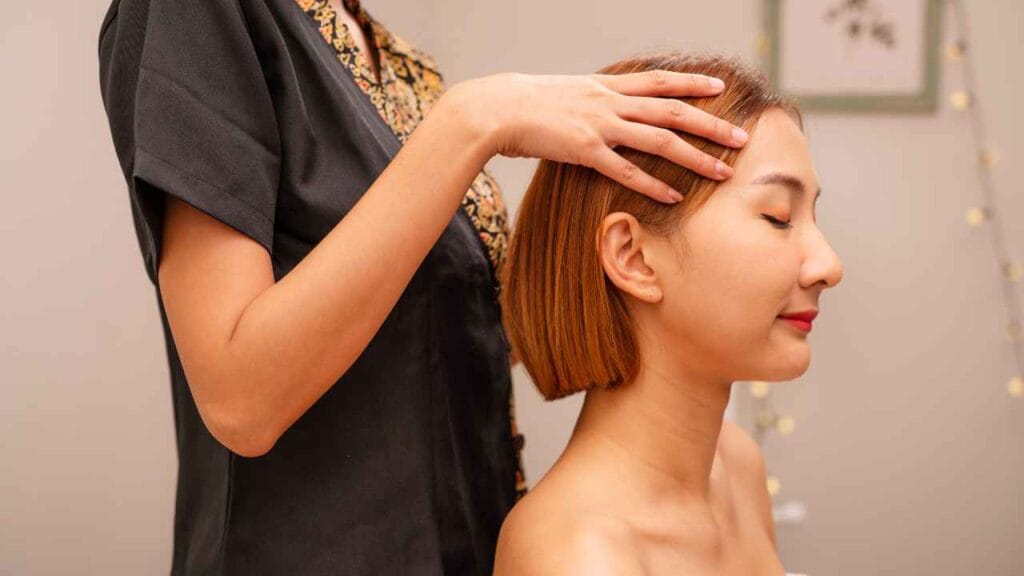
Before stepping into the shower, spend a few minutes massaging your scalp with your fingertips. This stimulates blood circulation and helps loosen any buildup, preparing your scalp for cleansing. If you’re using a hair oil treatment, apply it to your scalp and hair, then leave it on for at least 30 minutes or overnight before washing.
Shampooing Technique
Wet your hair thoroughly with warm water for at least a minute—this initial rinse removes a surprising amount of dirt and product buildup. Dispense a small amount of shampoo into your palm, add a little water, and emulsify it before applying. Focus the shampoo on your scalp rather than the hair length, using your fingertips in gentle circular motions to massage and cleanse. The lather that runs down your hair as you rinse is sufficient to clean the strands. Rinse thoroughly—residual shampoo can cause dullness and irritation.
Conditioner Application
Squeeze excess water from your hair before applying conditioner, as wet hair dilutes the product. Apply conditioner from mid-lengths to ends, avoiding the scalp unless your scalp is dehydrated. Use your fingers or a wide-tooth comb to distribute evenly. Leave on for 2 to 3 minutes—longer isn’t necessarily better unless the product instructions specify otherwise. Rinse with cool water if possible, as this helps seal the hair cuticle and enhance shine.
Weekly Hair Masks
Once or twice weekly, replace your regular conditioner with a deep treatment mask. Apply generously to clean, towel-dried hair, concentrating on the most damaged areas. Cover with a shower cap, if desired, and leave on for 5 to 15 minutes, depending on the product. The heat from your shower and head helps the treatment penetrate more effectively. Rinse thoroughly with cool water.
Daily Hair Oil Use
After towel-drying your hair, apply one to three drops of hair oil to your palms, rub them together, then smooth over the mid-lengths and ends of your hair. This seals in moisture, provides heat protection if you’re styling, and adds natural shine. You can also apply a tiny amount to dry hair throughout the day to tame frizz or add polish.
How to Choose the Right Japanese Hair Care for Your Hair Type
Selecting products matched to your specific hair needs ensures the best possible results.
Dry or Damaged Hair
Look for products emphasizing moisture and repair, with ingredients like camellia oil, argan oil, shea butter, and ceramides. Shiseido Tsubaki and Fino products excel for this hair type. Avoid clarifying shampoos and focus on gentle, hydrating formulas. Use hair masks weekly and apply oils generously to prevent further damage.
Fine Hair
Choose lightweight, volumizing formulas that won’t weigh hair down. Kracie Ichikami offers excellent options that add body without heaviness. Avoid thick creams and heavy oils—opt for spray conditioners or very light serums instead. Apply shampoo to the scalp and use only a minimal amount of conditioner on the ends.
Oily Scalp
Select balancing shampoos that regulate sebum production rather than stripping it completely. The Kao Asience Meguri line is specifically designed for this concern. Use scalp treatments to address the root cause of excess oil. Keep conditioners and masks away from your scalp; apply only to the lengths and ends of your hair.
Curly Hair
Curly hair tends to be drier and needs extra moisture. Choose rich, hydrating formulas with oils and butters. The Shiseido Fino mask is particularly effective for curly textures. Avoid sulfates entirely as they’re especially drying for curls. Use leave-in conditioners or oils to maintain definition and reduce frizz.
Color-Treated Hair
Protect your investment in color with gentle, sulfate-free formulas that won’t strip color. Look for products with UV protection and antioxidants. Milbon and Lebel professional lines offer excellent color-safe options. Use weekly masks to maintain hair strength and prevent color-related damage. Avoid clarifying shampoos, as they can fade color quickly.
Frequently Asked Questions (FAQ)
Is Japanese hair care suitable for all hair types?
Yes, Japanese hair care works well for all hair types, though product selection matters. The gentle, scalp-focused philosophy benefits everyone regardless of hair texture or ethnicity. However, you should choose formulas designed for your specific concerns—someone with oily, fine hair needs different products than someone with dry, coarse hair. The key is understanding that Japanese hair care offers options across the spectrum rather than a one-size-fits-all approach.
Are Japanese shampoos sulfate-free?
Most Japanese shampoos are sulfate-free or use very mild sulfates in minimal concentrations. Japanese formulations favor gentle cleansing agents that don’t strip hair of natural oils. This makes them suitable for daily washing without causing dryness or damage. Always check the ingredient list if you’re strictly avoiding sulfates, but you’ll find that most Japanese hair care products are sulfate-free.
Can Japanese hair products help with hair loss?
Japanese scalp treatments and specific shampoo lines are specifically formulated to promote scalp health and create optimal conditions for hair growth. Products containing ginger extract, amino acids, and circulation-boosting ingredients can help reduce hair fall and strengthen existing hair. However, they’re not medical treatments for genetic hair loss or hormonal baldness. For those concerns, consult a dermatologist. Japanese products excel at preventing unnecessary hair loss caused by poor scalp health, damage, or weak roots.
How often should I use a Japanese hair mask?
Most Japanese hair masks are designed for weekly use, though you can adjust based on your hair’s condition. Significantly damaged hair might benefit from twice-weekly treatments initially, while healthier hair maintains its condition with once-weekly applications. Using masks too frequently can lead to protein overload or excessive softness, making hair difficult to style. Follow the product instructions as a baseline, then adjust based on how your hair responds over several weeks of use.