Skin Care Products for Sensitive Skin
Sensitive skin requires more than just “fragrance-free” labels. If your skin reacts to most products with redness, stinging, or breakouts, you’re not alone—dermatologists estimate that nearly 60% of people experience some form of skin sensitivity. The challenge isn’t finding gentle products; it’s finding ones that are both safe and effective. With ingredient transparency improving and more brands formulating for reactive skin, building a calming routine that strengthens your skin barrier is now more achievable than frustrating.
Table of Contents
What Makes Sensitive Skin Different
Sensitive skin has a compromised barrier function, meaning the outermost layer doesn’t retain moisture or block irritants as effectively. This leads to increased transepidermal water loss and heightened nerve sensitivity in the skin.
True sensitive skin care focuses on barrier repair, not just symptom management. Products should contain ceramides, fatty acids, and cholesterol—the three components that make up your skin’s protective barrier. Avoiding common irritants matters, but rebuilding resilience is what creates long-term improvement.
The best formulations are minimalist, using fewer ingredients to reduce reaction risk while maximizing each ingredient’s therapeutic benefit.
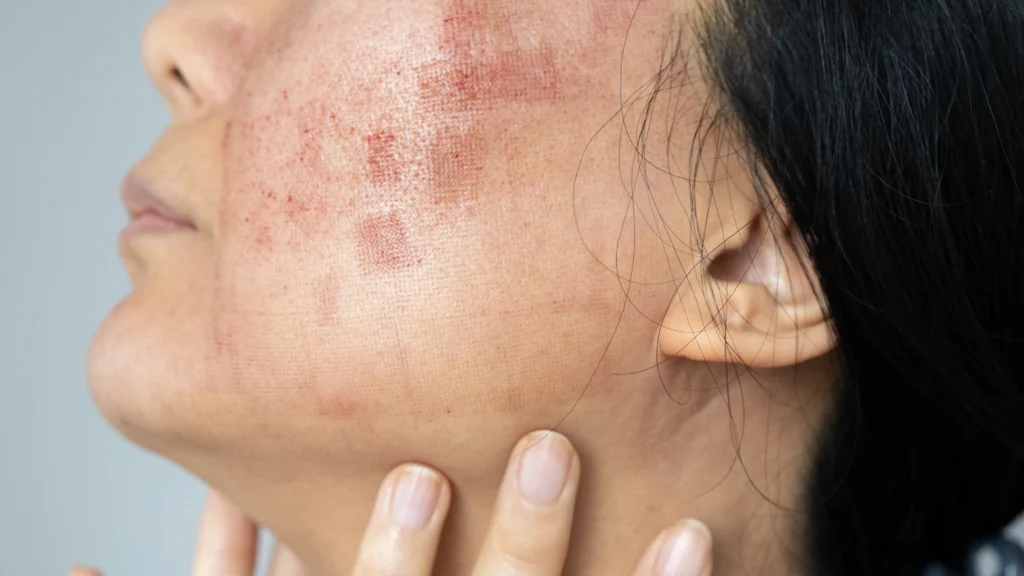
Key Benefits of Proper Sensitive Skin Care
- Reduced inflammation: Targeted ingredients calm overactive immune responses
- Stronger barrier function: Lipid-rich formulas prevent moisture loss and irritant penetration
- Fewer reactive episodes: Consistent gentle care decreases frequency of flare-ups
- Improved product tolerance: A healthier barrier allows gradual introduction of active ingredients
- Balanced microbiome: pH-appropriate products support beneficial skin bacteria
Best Skin Care Products for Sensitive Skin
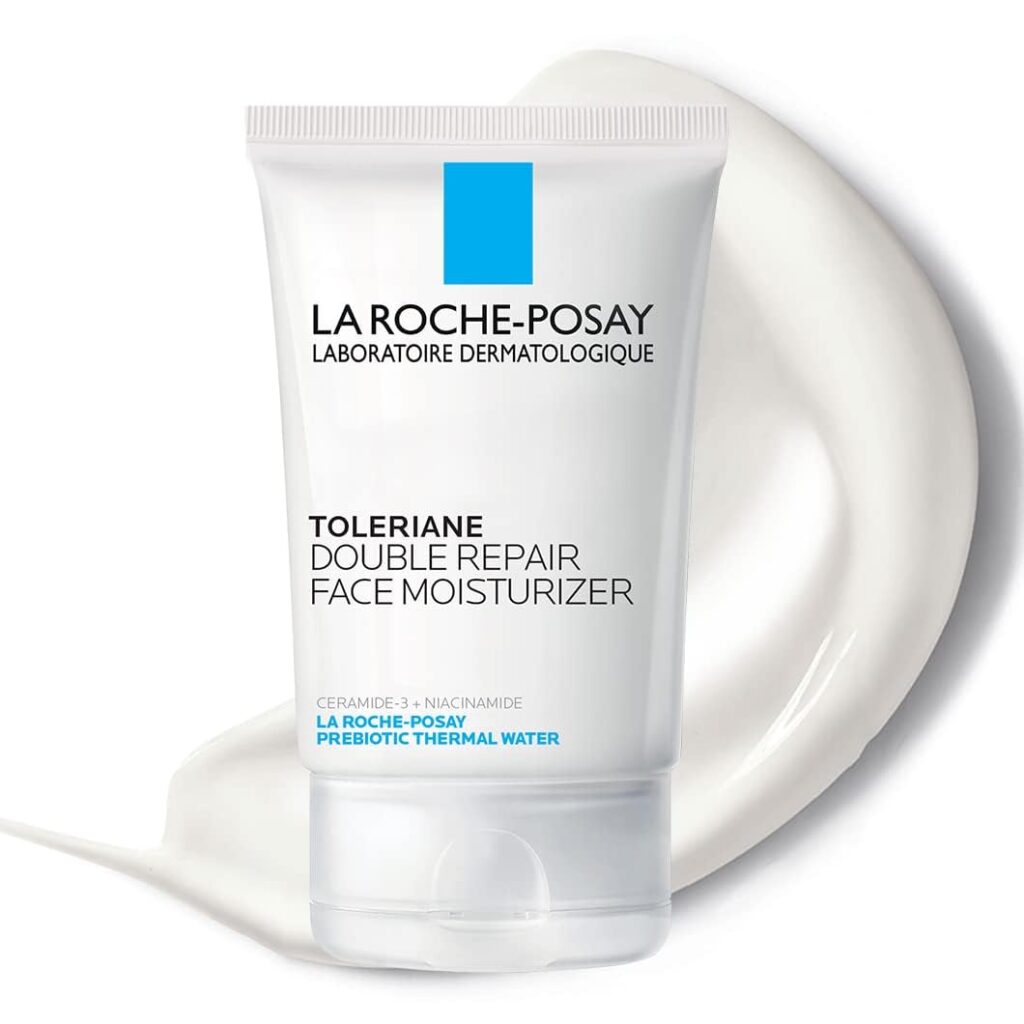
La Roche-Posay Toleriane Double Repair Face Moisturizer
Best for: Compromised barriers and post-inflammatory redness
This lightweight moisturizer combines three essential ceramides with prebiotic thermal water. The formula includes niacinamide at a gentle 4% concentration to reduce inflammation without irritation. It’s non-comedogenic and absorbed quickly without residue.
Pros:
- Fragrance-free with minimal ingredient list
- Tested on sensitive skin under dermatological control
- Suitable for layering under sunscreen
Cons:
- May feel too light for extremely dry sensitive skin
- Pump bottle makes it harder to control amount dispensed
If your skin feels perpetually irritated, this restorative moisturizer helps rebuild what harsh products have stripped away.
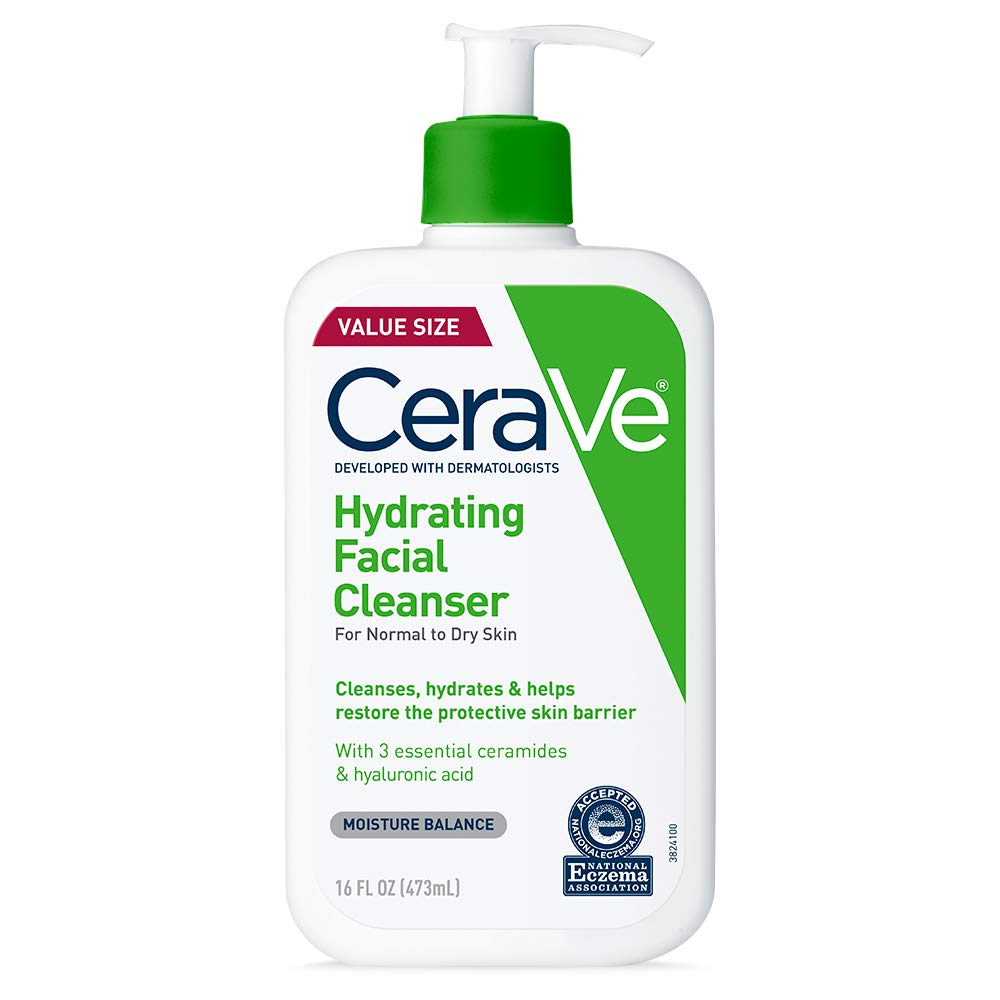
CeraVe Hydrating Facial Cleanser
Best for: Dry sensitive skin and gentle daily cleansing
A non-foaming cleanser with three essential ceramides and hyaluronic acid. The cream texture removes makeup and impurities without disrupting pH balance. MVE technology releases moisturizing ingredients gradually throughout the day.
Pros:
- Doesn’t strip natural oils or leave skin tight
- Affordable and widely available
- Suitable for face and body use
Cons:
- May not remove waterproof makeup completely
- Cream texture takes getting used to if you prefer foaming cleansers
This gentle cleanser proves that effective cleansing doesn’t require that “squeaky clean” feeling that damages sensitive skin.
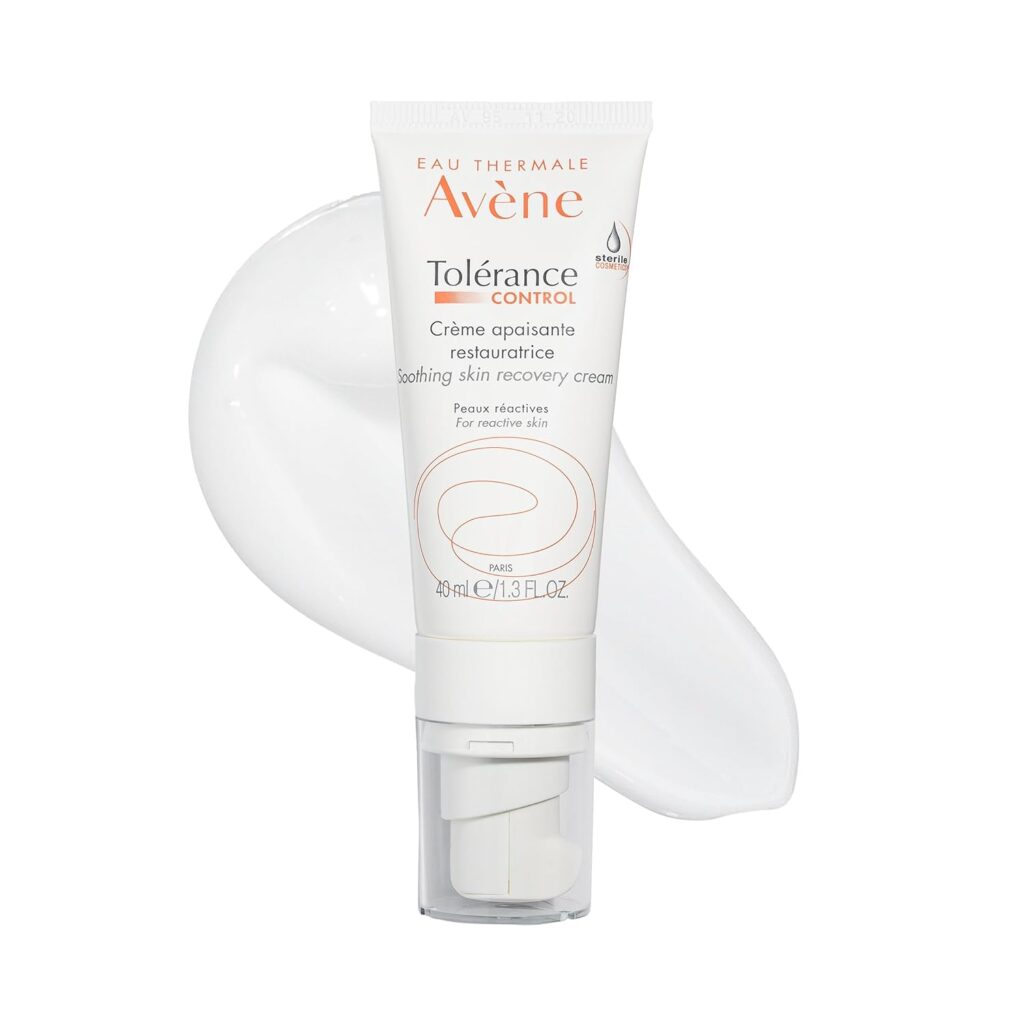
Avène Tolerance Extreme Emulsion
Best for: Hypersensitive and allergy-prone skin
A sterile cosmetic formula with only seven ingredients, packaged in an airless pump to maintain purity. Contains squalane and glycerin for hydration without common sensitizers like preservatives, fragrances, or parabens.
Pros:
- Clinically tested on hypersallergenic skin
- Sterile packaging prevents contamination
- Suitable for use after dermatological procedures
Cons:
- Higher price point ($38-42)
- Limited availability compared to mainstream brands
When even “sensitive skin” products cause reactions, this pharmaceutical-grade emulsion offers a genuinely safe option.
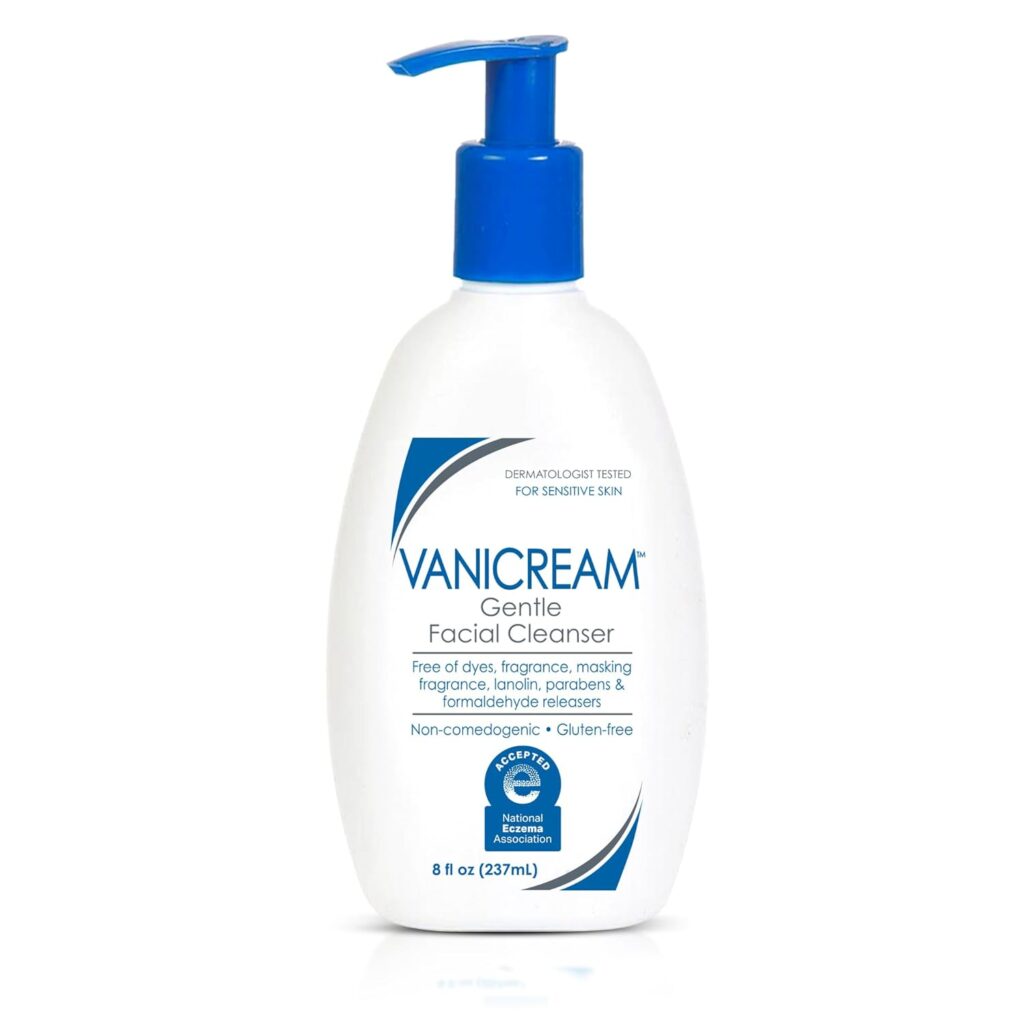
Vanicream Gentle Facial Cleanser
Best for: Contact dermatitis and clinically sensitive skin
Developed with dermatologists specifically for sensitive skin conditions. Free from dyes, fragrances, masking fragrances, lanolin, parabens, and formaldehyde releasers. The non-comedogenic formula won’t clog pores or trigger acne.
Pros:
- Awarded National Eczema Association Seal of Acceptance
- Extremely affordable ($8-10)
- Gentle enough for twice-daily use
Cons:
- Basic packaging lacks aesthetic appeal
- Not widely stocked in stores outside North America
This no-frills cleanser focuses entirely on function, making it ideal for skin that reacts to nearly everything.
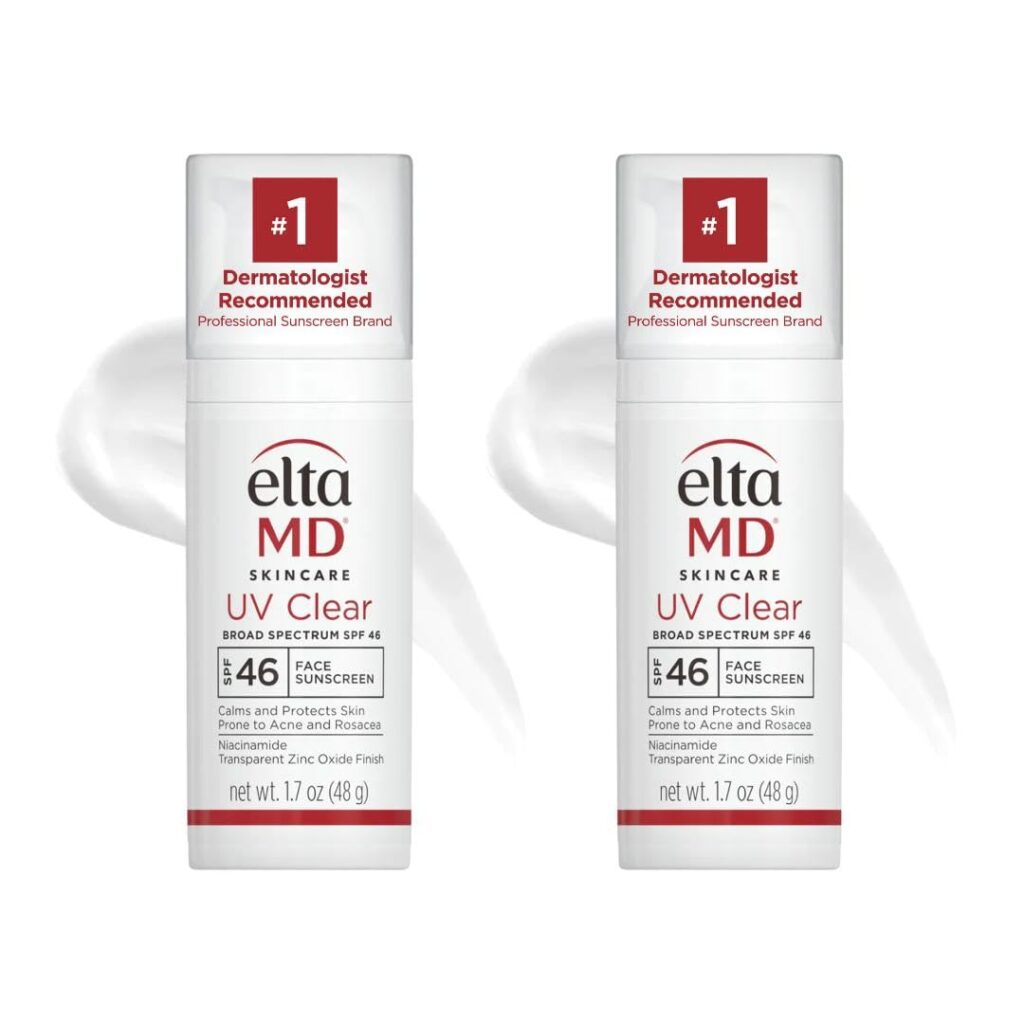
EltaMD UV Clear Broad-Spectrum SPF 46
Best for: Sensitive acne-prone skin needing sun protection
A zinc oxide sunscreen with niacinamide that calms inflammation while protecting. The lightweight formula doesn’t pill under makeup and provides both UVA/UVB protection. Oil-free and contains hyaluronic acid for hydration.
Pros:
- Recommended by dermatologists for rosacea and acne
- Sheer tint blends into most skin tones
- Doesn’t sting eyes or cause breakouts
Cons:
- Higher cost ($37-40)
- Physical sunscreen may leave slight white cast on deeper skin tones
Sun protection is non-negotiable, and this formula proves sensitive skin can be protected without irritation.
The Ordinary Squalane Cleanser
Best for: Minimal routines and makeup removal
A gentle, moisture-retaining cleanser using plant-derived squalane to dissolve makeup and impurities. The balm-to-oil texture rinses clean without leaving residue. Contains no essential oils, silicones, or sulfates.
Pros:
- Exceptionally affordable ($8)
- Removes makeup including mascara effectively
- Leaves skin soft without tight feeling
Cons:
- Requires a second cleanse if you wear heavy makeup
- Balm texture may feel unusual initially
This cleanser offers professional-quality results at a fraction of the cost of luxury options.
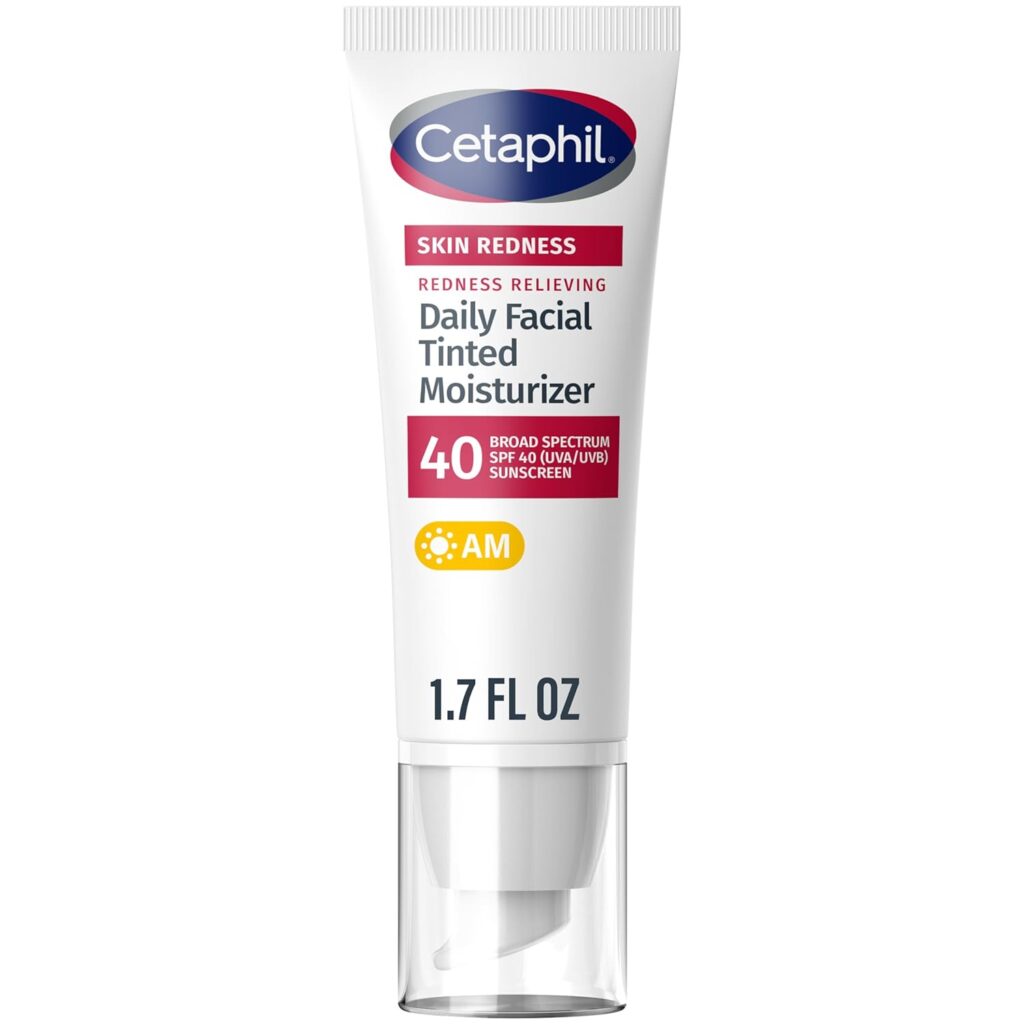
Cetaphil Redness Relieving Daily Facial Moisturizer SPF 20
Best for: Rosacea-prone skin needing daily hydration and sun protection
Combines mineral SPF with licorice extract and caffeine to reduce visible redness. The AllantoinComplex technology soothes irritation while hyaluronic acid provides hydration. Designed specifically for sensitive skin with persistent redness.
Pros:
- Two-in-one product simplifies morning routine
- Clinically proven to reduce redness in four weeks
- Lightweight formula suitable under makeup
Cons:
- SPF 20 may be insufficient for extended sun exposure
- Green tint helps neutralize redness but may not suit all skin tones
For persistent redness that affects confidence, this targeted formula addresses both protection and appearance.
Simple Routine for Sensitive Skin
Morning:
Step 1: Rinse face with lukewarm water only (over-cleansing strips natural oils).
Step 2: Apply hydrating serum or essence while skin is still damp to lock in moisture.
Step 3: Layer a ceramide-rich moisturizer to seal hydration and repair barrier.
Step 4: Apply mineral SPF 30 or higher as your final step. Physical sunscreens are gentler than chemical filters.
Evening:
Step 1: Remove makeup with gentle cleansing balm or micellar water if needed.
Step 2: Cleanse with a non-foaming, pH-balanced cleanser. Pat dry gently—never rub.
Step 3: Apply any treatment products (introduce one at a time, patch test first).
Step 4: Finish with a richer moisturizer or facial oil to support overnight repair.
Step 5: Once weekly, assess your skin. If irritation occurs, simplify to cleanser and moisturizer only until recovered.
Choosing the Right Products for Your Sensitivity Type
For redness and rosacea: Look for products with azelaic acid, niacinamide, or green tea extract. Avoid hot water, alcohol, and essential oils that trigger flushing.
For contact dermatitis: Choose fragrance-free, preservative-minimal formulas. Patch test everything for 48 hours before facial application.
For eczema-prone skin: Prioritize thick, occlusive moisturizers with colloidal oatmeal or shea butter. Apply to damp skin to trap moisture.
For acne and sensitivity: Use non-comedogenic products with salicylic acid (BHA) at low concentrations (0.5-1%). Avoid physical scrubs and harsh astringents.
For aging sensitive skin: Introduce retinol alternatives like bakuchiol or gentle retinaldehyde. Build tolerance slowly with twice-weekly application.
Frequently Asked Questions
How do I know if I have truly sensitive skin or just using wrong products?
True sensitive skin shows consistent reactions across multiple product types—redness, burning, itching, or tightness within minutes of application. If problems resolve when you switch to fragrance-free, minimal-ingredient products, you likely have reactive rather than inherently sensitive skin. A patch test with dermatologist-recommended products can confirm.
Can sensitive skin use active ingredients like vitamin C or retinol?
Yes, but formulation matters significantly. Look for encapsulated or time-released versions that minimize irritation. Start with lower concentrations (vitamin C at 10%, retinol at 0.25%) and use only 2-3 times weekly. Always pair with barrier-repair products and never introduce multiple actives simultaneously.
How long before sensitive skin products show improvement?
Barrier repair takes 4-6 weeks of consistent use. You should notice reduced reactivity within 2 weeks—less stinging, tightness, or redness. If a product causes immediate burning or hives, discontinue use. Gradual improvement is normal; sudden dramatic changes (positive or negative) warrant dermatologist consultation.
Are natural or organic products better for sensitive skin?
Not necessarily. Many natural ingredients like essential oils, citrus extracts, and botanical fragrances are common irritants. “Natural” isn’t synonymous with “gentle.” Focus on ingredient function rather than marketing claims. Synthetic ceramides and hyaluronic acid are often gentler and more stable than plant-derived alternatives.
Should I avoid all fragrances completely?
Fragrance is the leading cause of cosmetic contact dermatitis, so avoidance is safest for sensitive skin. However, “fragrance-free” doesn’t mean “scent-free”—products may still smell like their base ingredients. Watch for “masking fragrance” or “parfum” on labels. Some synthetic musks are less sensitizing than natural fragrances, but individual reactions vary.
Final Thoughts
Managing sensitive skin successfully requires patience and consistency rather than complicated routines. The products that work best are often the simplest—short ingredient lists focused on barrier repair and hydration. Your skin’s needs may change with seasons, stress levels, and age, so stay flexible and adjust accordingly.
Building tolerance takes time. Introduce new products individually, waiting at least two weeks between additions to identify potential triggers. Keep a skin diary noting products used and any reactions to identify patterns. Individual responses vary significantly—a product praised by thousands may still irritate your specific skin chemistry, and that’s completely normal.
If over-the-counter products aren’t providing relief after 8 weeks of consistent use, or if you experience severe reactions like swelling or blistering, consult a dermatologist for personalized treatment. Sometimes underlying conditions like rosacea, eczema, or seborrheic dermatitis require prescription management alongside gentle skincare.