Best 5 Vegan Skin Care Products
The beauty industry is shifting. More people are choosing vegan skin care—not just for ethical reasons, but because they’re looking for gentler, cleaner formulas that work. Whether you’re concerned about animal welfare, ingredient transparency, or simply want to avoid harsh chemicals, vegan products offer a credible alternative. The challenge isn’t finding vegan options anymore—it’s knowing which ones actually deliver results without compromising on performance.
Table of Contents
What Makes Vegan Skin Care Different
Vegan skin care excludes all animal-derived ingredients—no beeswax, lanolin, collagen, or carmine. Instead, these products rely on plant oils, botanical extracts, and lab-created actives that mimic the benefits of traditional ingredients.
The difference isn’t just about what’s missing. Many vegan brands prioritize sustainable sourcing and simpler formulations. This often means fewer synthetic fillers and more concentrated active ingredients. Your skin gets nourishment from sources like squalane from olives instead of sharks, or hyaluronic acid synthesized through fermentation rather than extracted from rooster combs.
The long-term benefit is consistency. Plant-based ingredients tend to be gentler on reactive skin, and when formulated properly, they support your skin barrier rather than stripping it. You’re not chasing dramatic overnight changes—you’re building healthier skin over weeks and months.
Key Benefits of Switching to Vegan Skin Care
- Fewer irritants: Plant-based formulas typically avoid common allergens found in animal-derived ingredients
- Transparent labeling: Vegan brands tend to list ingredients clearly, making it easier to know what you’re applying
- Better for sensitive skin: Natural oils and botanical extracts are less likely to trigger inflammation
- Environmental impact: Cruelty-free and often packaged with sustainability in mind
- Suitable for most skin types: From dry to oily, there are targeted vegan options that work
Best Vegan Skin Care Products Worth Trying
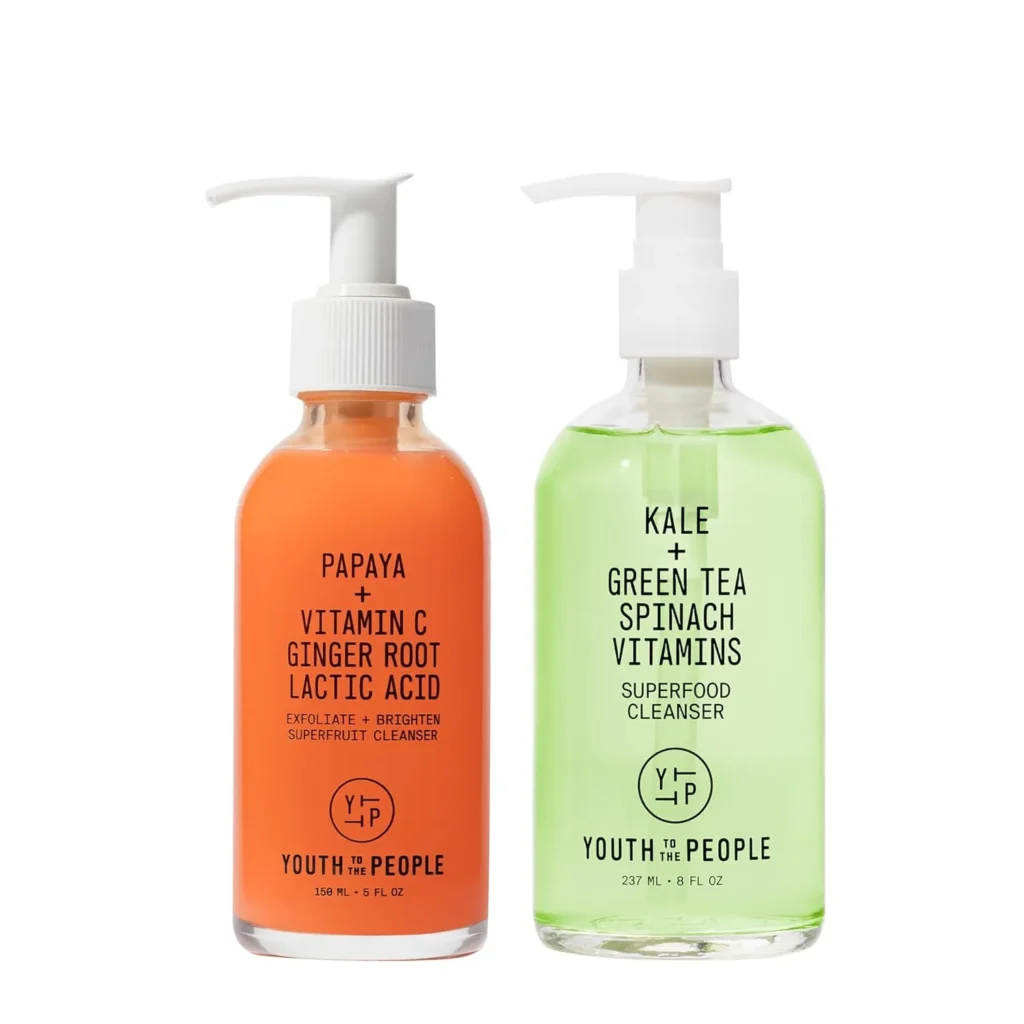
Youth to the People Superfood Cleanser
Best for: Daily cleansing for all skin types, especially dull or congested skin
This gel cleanser uses kale, spinach, and green tea to remove makeup and impurities without over-drying. The formula is pH-balanced, which means it won’t disrupt your skin’s natural protective layer. It’s effective but mild enough for morning and night use.
Pros:
- Leaves skin feeling clean, not tight
- Works well with other active products
- No synthetic fragrance
Cons:
- Higher price point than drugstore options
- May not remove heavy waterproof makeup in one wash
If you’re tired of cleansers that strip your skin or leave residue, this is a solid starting point.
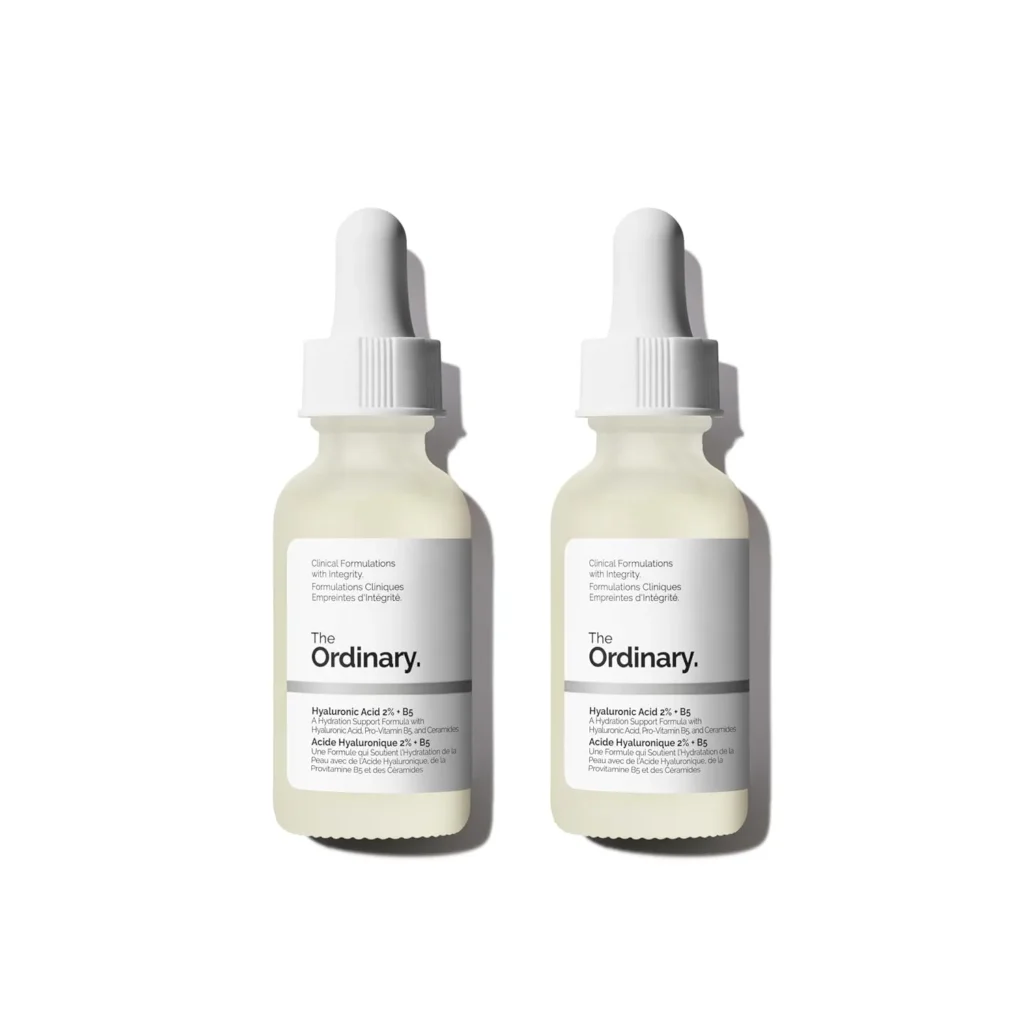
The Ordinary Hyaluronic Acid 2% + B5
Best for: Dehydrated skin that needs moisture without heaviness
Hyaluronic acid draws water into your skin, and this formula layers different molecular weights to hydrate at multiple depths. The added vitamin B5 helps with skin repair. It’s lightweight and absorbs quickly, making it easy to layer under other products.
Pros:
- Affordable and effective
- Works for all skin types
- No greasy finish
Cons:
- Must be applied to damp skin for best results
- Won’t address deeper aging concerns alone
This is one of those products that quietly improves your skin texture over time.
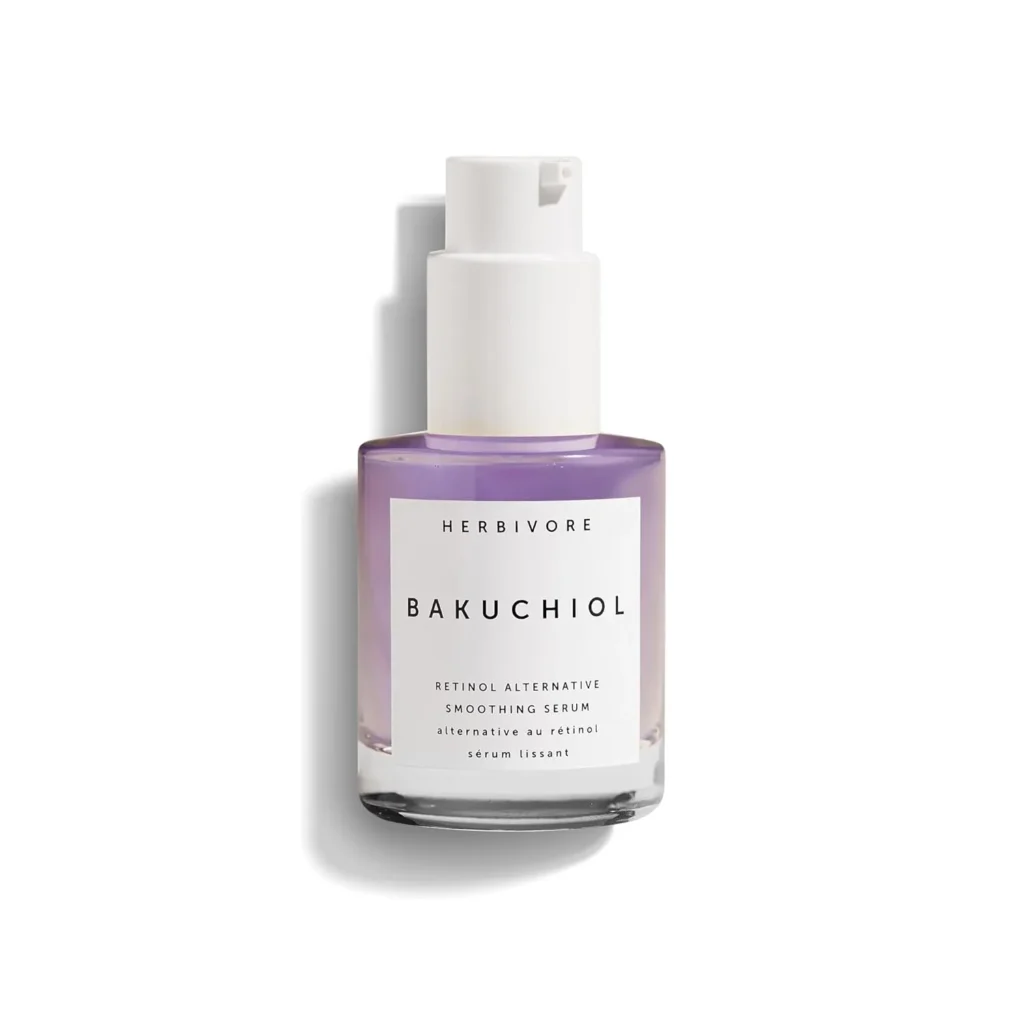
Herbivore Botanicals Bakuchiol Retinol Alternative Serum
Best for: Anti-aging without irritation, ideal for sensitive or reactive skin
Bakuchiol is a plant-based ingredient that offers retinol-like benefits—smoother texture, reduced fine lines—without the redness or peeling. This serum combines it with tremella mushroom for added hydration. It’s a gentler entry point if traditional retinol has been too harsh for you.
Pros:
- Safe for daytime use (no sun sensitivity)
- Pregnancy-safe alternative to retinol
- Improves skin over consistent use
Cons:
- Results take longer than prescription retinoids
- Premium pricing
If you want anti-aging benefits but need a calmer approach, this delivers without drama.
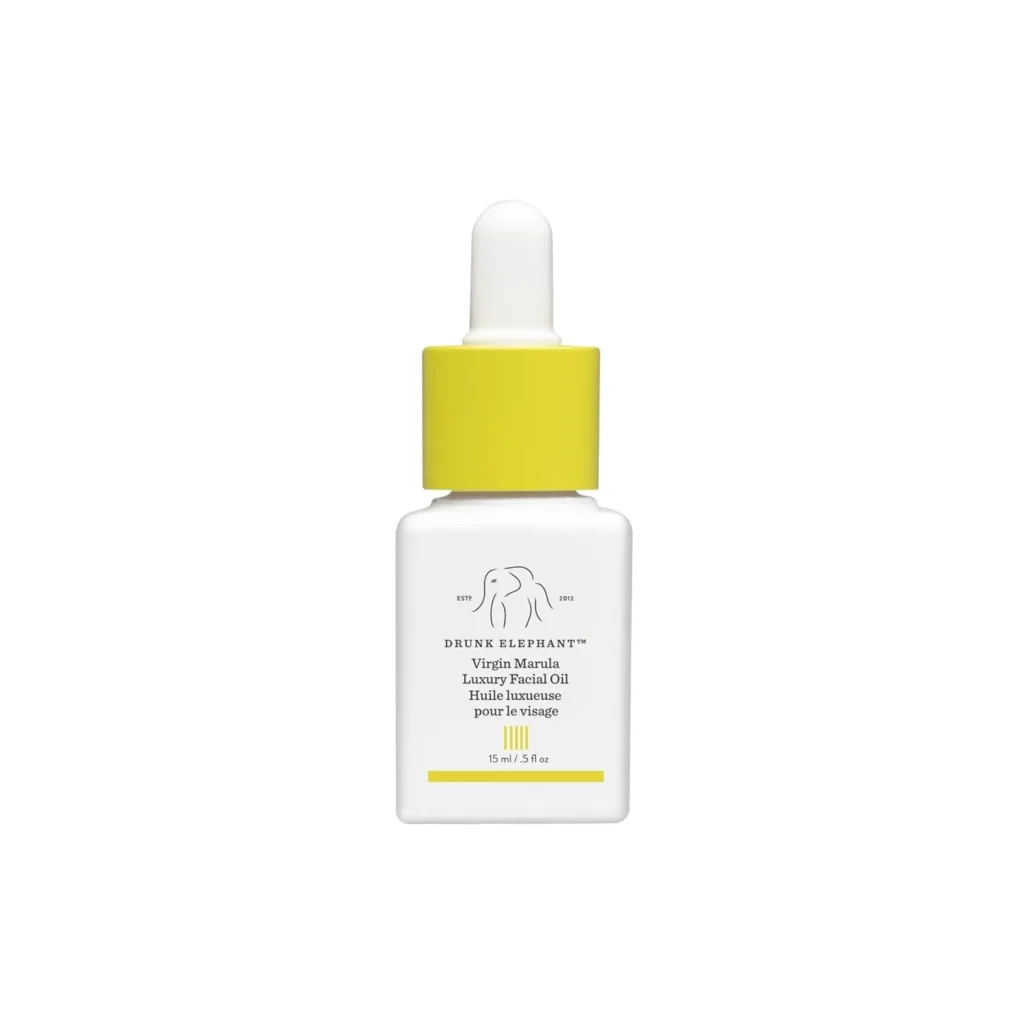
Drunk Elephant Virgin Marula Luxury Facial Oil
Best for: Dry, stressed, or mature skin needing deep nourishment
Cold-pressed marula oil is rich in antioxidants and omega fatty acids. It absorbs well despite being an oil, and it works to strengthen your skin barrier. You can use it alone or mix a few drops into your moisturizer.
Pros:
- Versatile—works day or night
- Doesn’t clog pores despite being oil-based
- A little goes a long way
Cons:
- Expensive for the bottle size
- Not suitable if you’re very oily
This is the product you reach for when your skin feels compromised or extra dry.
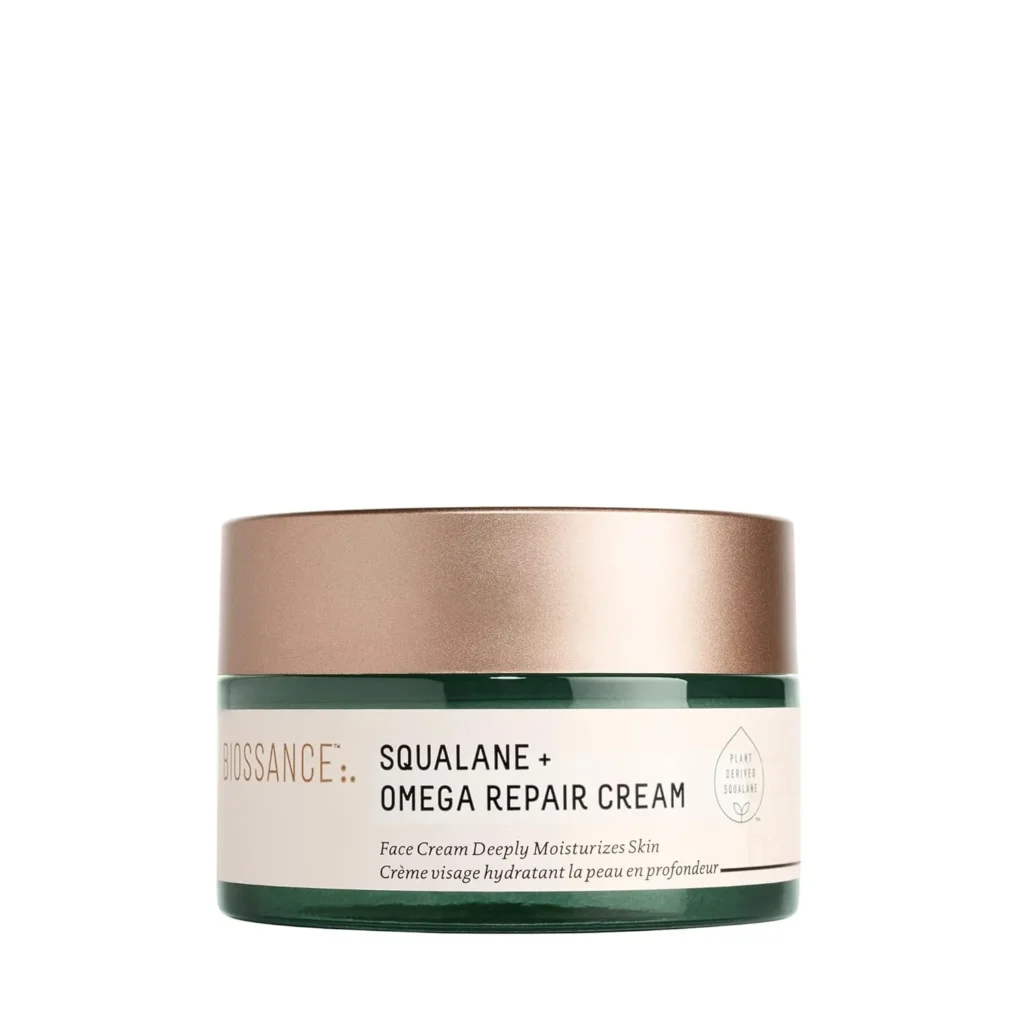
Biossance Squalane + Probiotic Gel Moisturizer
Best for: Oily or combination skin that needs hydration without weight
Squalane (from sugarcane) mimics your skin’s natural oils, while probiotics help balance your skin’s microbiome. The gel texture absorbs instantly and won’t leave shine. It’s hydrating but won’t trigger breakouts.
Pros:
- Lightweight and fast-absorbing
- Balances oil production over time
- Clean ingredient list
Cons:
- May not be rich enough for very dry climates
- Pricier than basic gel moisturizers
If your skin gets greasy by midday but still feels tight, this strikes the right balance.
Simple Vegan Skin Care Routine
Morning:
- Cleanse with a gentle, sulfate-free cleanser
- Apply hyaluronic acid to damp skin
- Follow with a lightweight moisturizer or gel
- Finish with mineral SPF (many are vegan)
Evening:
- Double cleanse if wearing makeup or sunscreen
- Apply your active serum (bakuchiol, vitamin C, etc.)
- Lock in with a richer moisturizer or facial oil
- Use an eye cream if needed
Keep it simple. Your skin doesn’t need ten products—it needs the right three or four used consistently.
Choosing the Right Vegan Products for Your Skin
Dry skin: Look for plant oils (marula, rosehip, jojoba) and ceramides. Avoid foaming cleansers with sulfates.
Oily or acne-prone: Choose lightweight gels with squalane or niacinamide. Skip heavy butter-based products.
Sensitive skin: Stick to fragrance-free formulas with soothing ingredients like oat extract or chamomile. Patch test everything.
Mature skin: Focus on bakuchiol, peptides, and antioxidant-rich oils. Layer hydration before using oils.
Combination skin: Use lighter products on your T-zone and richer ones on dry areas. Gel moisturizers work well overall.
Frequently Asked Questions
Are vegan products actually better for skin? Not automatically. “Vegan” means no animal ingredients, but it doesn’t guarantee effectiveness or safety. You still need to check for quality actives and proper formulation. Many vegan products perform as well or better than conventional ones, but the label alone isn’t the deciding factor.
Do vegan skin care products work as well as traditional ones? Yes, when formulated correctly. Plant-based alternatives to collagen, hyaluronic acid, and other actives have been refined significantly. The key is choosing products from reputable brands that invest in research, not just marketing.
How long before I see results? Most people notice improved hydration within days, but real changes—smoother texture, reduced redness, fine lines—take 4 to 8 weeks. Consistency matters more than the products themselves.
Can vegan products cause allergic reactions? Yes. Natural doesn’t mean non-allergenic. Essential oils, nut oils, and certain botanicals can trigger reactions. Always patch test, especially if you have sensitive skin.
Are vegan skin care products more expensive? Some are, but not all. Brands like The Ordinary offer effective vegan options at low prices. You’re often paying for brand positioning and packaging, not just ingredients.
Final Thoughts
Vegan skin care works when you choose products based on your actual needs, not trends. The best routine is the one you’ll stick with—simple, targeted, and realistic.
Results vary based on skin type, lifestyle, and consistency. What works for someone else may not work for you, and that’s normal. Give products at least a month before deciding, and don’t hesitate to adjust based on what your skin is telling you.
If you’re cautious about switching, start with one or two products rather than overhauling everything at once. Your skin will adjust better, and you’ll know what’s actually making a difference.