The Best 3c Hair Care Products in 2026
If you have 3C hair, you already know the struggle: tight corkscrew curls that are simultaneously dry at the ends and oily at the roots, shrinkage that hides your actual length, and frizz that appears the moment humidity exists.
The 3C curl pattern—characterized by tight, springy curls about the circumference of a pencil or straw—has specific needs that differ from looser waves or tighter coils. In 2026, more brands finally understand that 3C hair requires moisture retention, definition without crunch, and gentle detangling methods that don’t cause breakage.
Table of Contents
What Makes 3C Hair Care Different
3C curls have a naturally raised cuticle structure that allows moisture to escape easily while making hair vulnerable to environmental damage. Each twist and turn in the curl pattern creates a weak point where breakage can occur, especially when hair is dry or manipulated roughly.
Effective 3C products work by sealing moisture into the hair shaft, providing slip for detangling, and creating curl clumps without heavy buildup. The best formulas use humectants to draw moisture in, emollients to seal it, and proteins to strengthen without stiffness.
Long-term hair health comes from understanding your hair’s porosity, maintaining a proper moisture-protein balance, and protecting curls during sleep and styling.
Key Benefits of Specialized 3C Hair Care
- Enhances curl definition by encouraging natural clumping patterns without gel cast
- Reduces breakage during detangling and styling with proper slip and moisture
- Manages shrinkage while maintaining hair health (not fighting your natural texture)
- Controls frizz by smoothing the cuticle and locking in hydration
- Prevents protein overload or moisture overload by maintaining proper balance
- Extends style longevity so you can go longer between wash days
Best 3C Hair Care Products in 2026
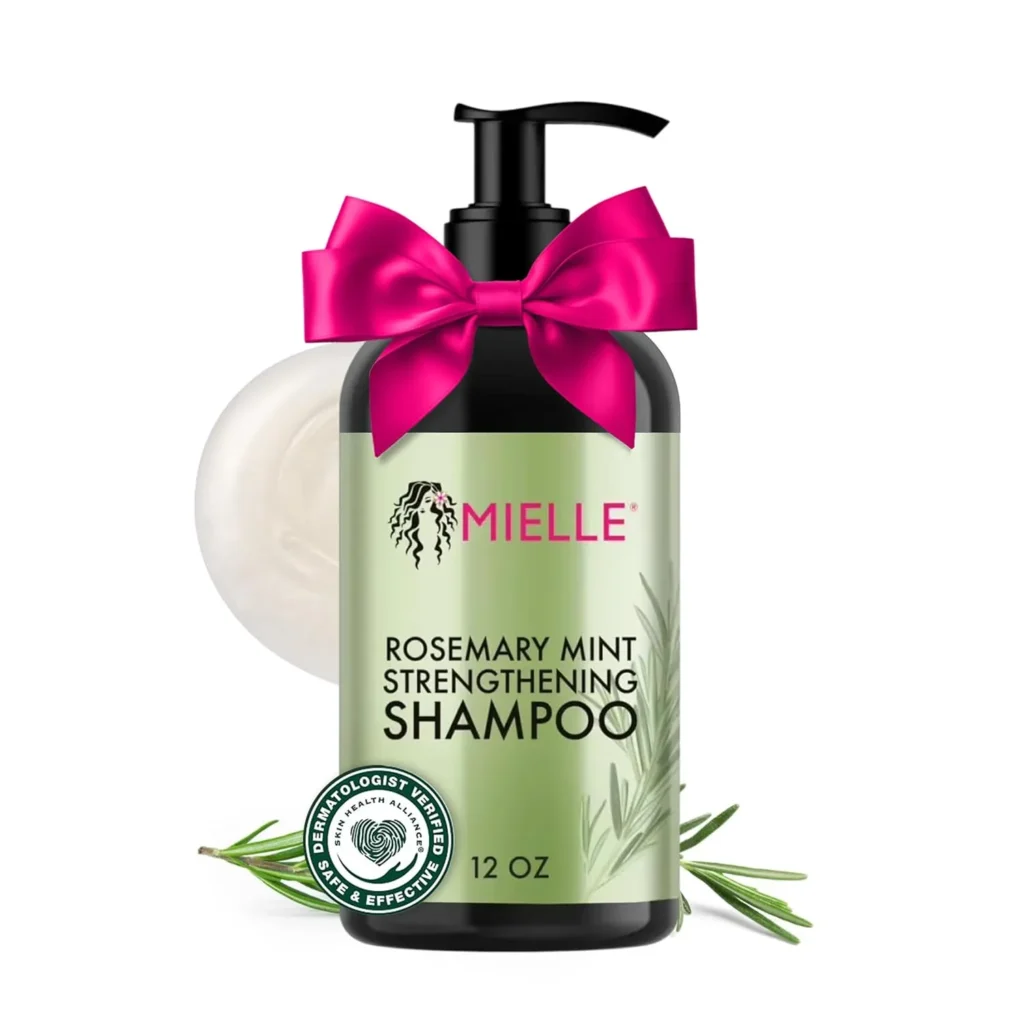
1. Mielle Organics Rosemary Mint Strengthening Shampoo
Best for: Low porosity 3C hair that experiences product buildup
This biotin-infused shampoo cleanses without stripping natural oils while strengthening hair follicles. The rosemary and mint provide scalp stimulation that can support healthy hair growth.
Pros:
- Gentle enough for weekly use
- Removes buildup without leaving hair squeaky or dry
- Refreshing scalp sensation
- Affordable and widely available
Cons:
- Contains some sulfates (though milder ones)
- May not provide enough moisture for high porosity hair on its own
- Mint can be too tingly for sensitive scalps
If your curls feel weighed down by products but you’re afraid of harsh shampoos, this offers a balanced cleanse.
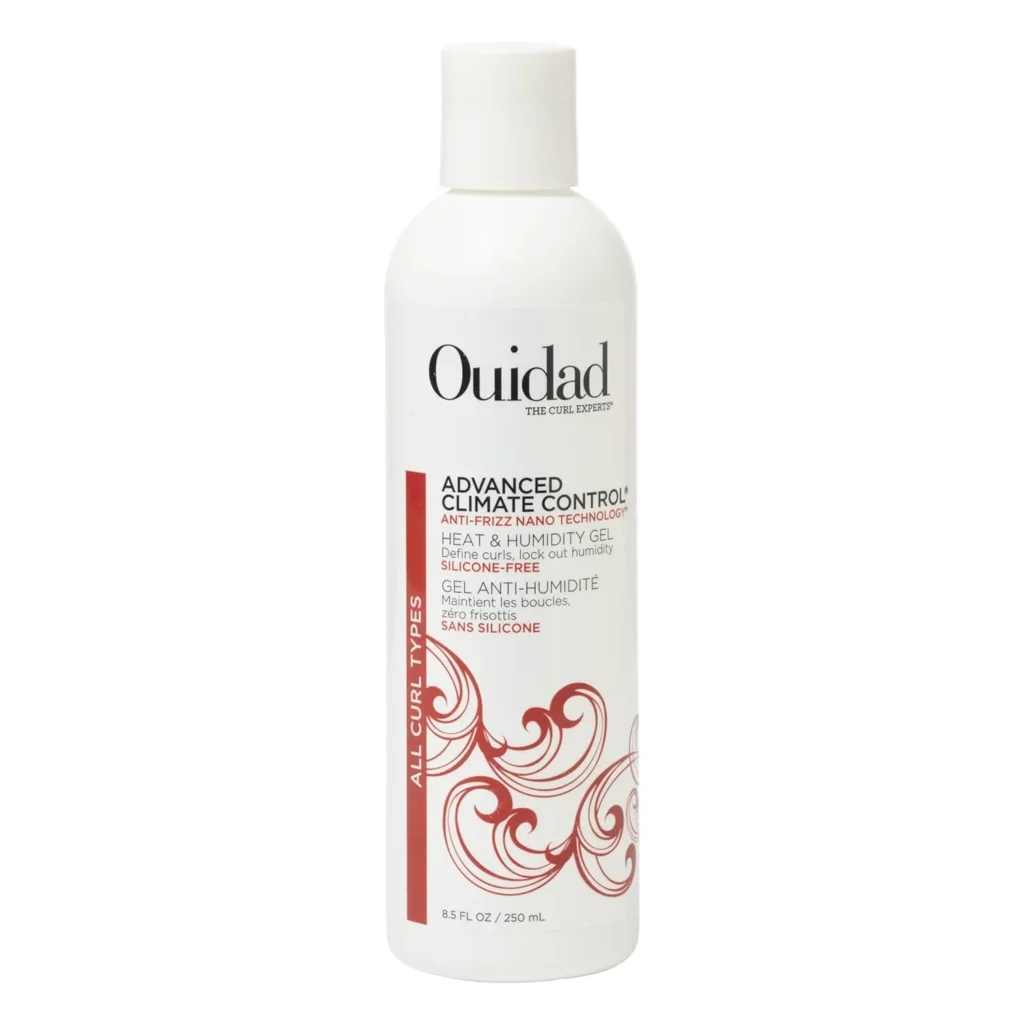
2. Ouidad Advanced Climate Control Heat & Humidity Gel
Best for: 3C hair in humid climates struggling with frizz and curl droppage
This anti-frizz gel uses a protein-based formula that creates a flexible hold while blocking humidity. It’s specifically designed for tighter curl patterns that need definition without stiffness.
Pros:
- Works in high humidity conditions
- Doesn’t create crunch or white flakes
- A little product goes a long way
- Can be layered with leave-in conditioners
Cons:
- Contains protein (can cause issues if overused)
- Expensive for the size
- Takes practice to find the right amount for your hair density
For those living in humid areas where curls turn into a frizzy halo by midday, this provides genuine protection.
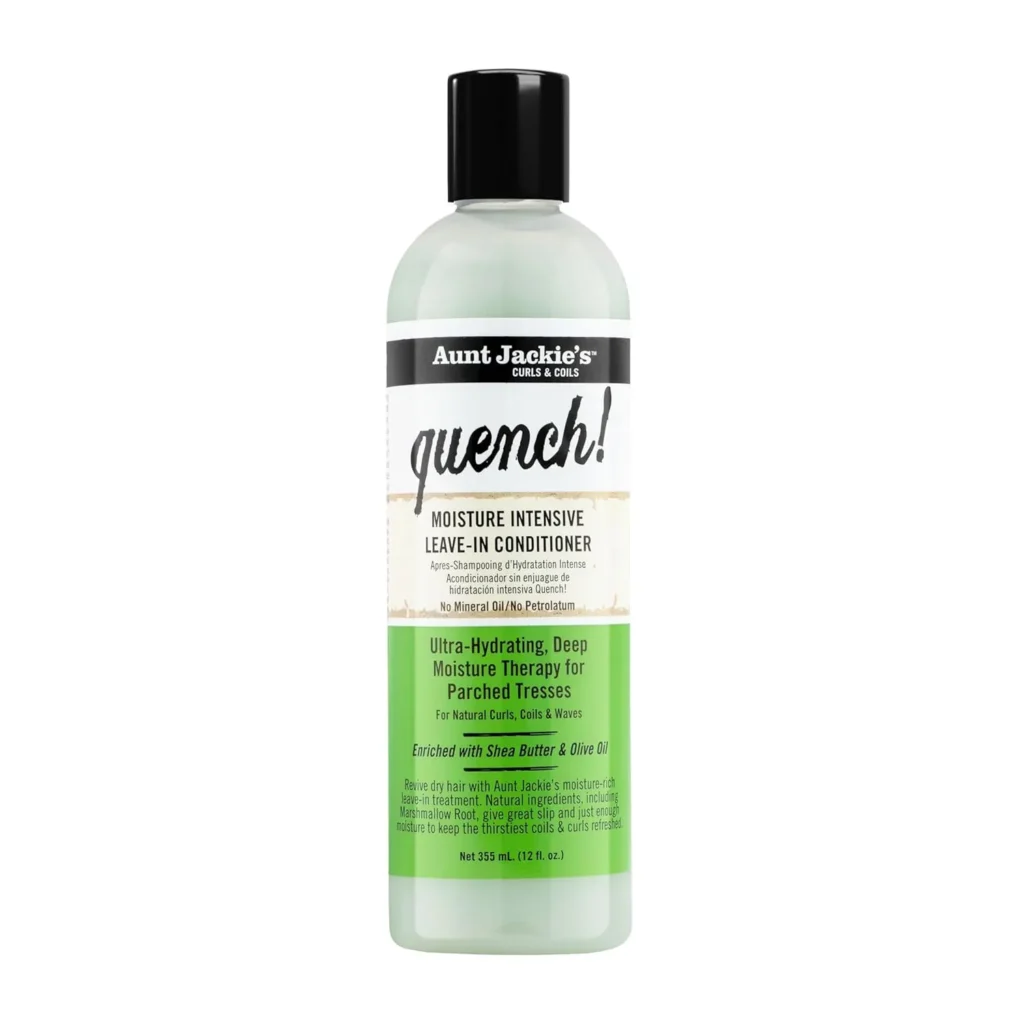
3. Aunt Jackie’s Quench Moisture Intensive Leave-In Conditioner
Best for: High porosity 3C hair needing intense moisture retention
This leave-in uses shea butter, olive oil, and marshmallow root to provide deep hydration that lasts. It’s particularly effective for hair that’s been heat-damaged or chemically treated.
Pros:
- Rich moisture without silicone buildup
- Works as a styler or pre-poo treatment
- Budget-friendly
- Pleasant scent that isn’t overpowering
Cons:
- Heavy formula may be too much for fine 3C hair
- Can cause buildup if too much is used
- Not ideal for low porosity hair
If your ends feel constantly dry no matter what you do, this heavier leave-in provides the moisture your hair actually absorbs.
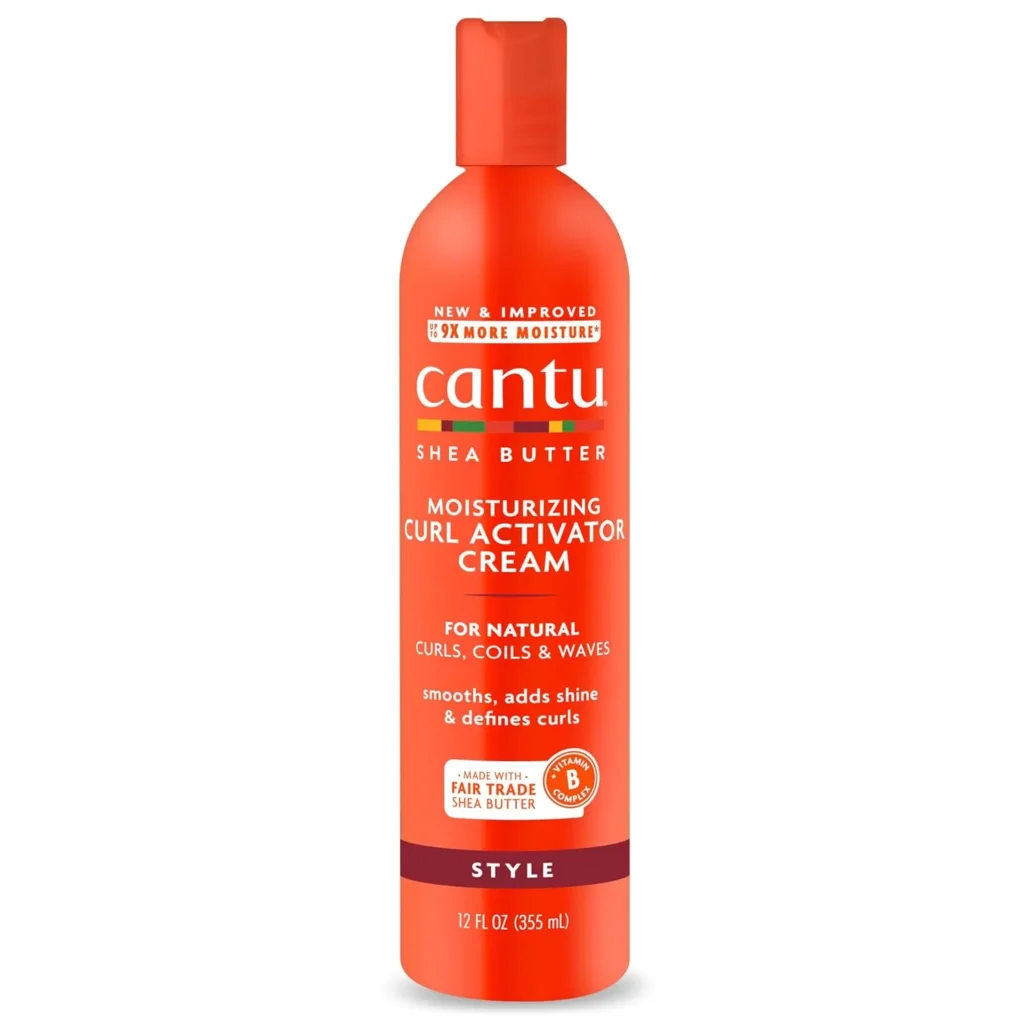
4. Cantu Shea Butter Curl Activator Cream
Best for: 3C hair transitioning from heat damage or relaxers
This activator cream uses pure shea butter to define curls while repairing damage. It’s designed to work on hair that’s rediscovering its natural curl pattern.
Pros:
- Accessible price point
- No harsh chemicals (sulfate, paraben, mineral oil free)
- Works well for wash-and-go styles
- Available in most drugstores
Cons:
- Can be heavy on fine hair types
- May require experimentation with amount used
- Some find the shea butter scent strong
For those early in their natural hair journey who need definition without breaking the bank, this is a reliable starting point.
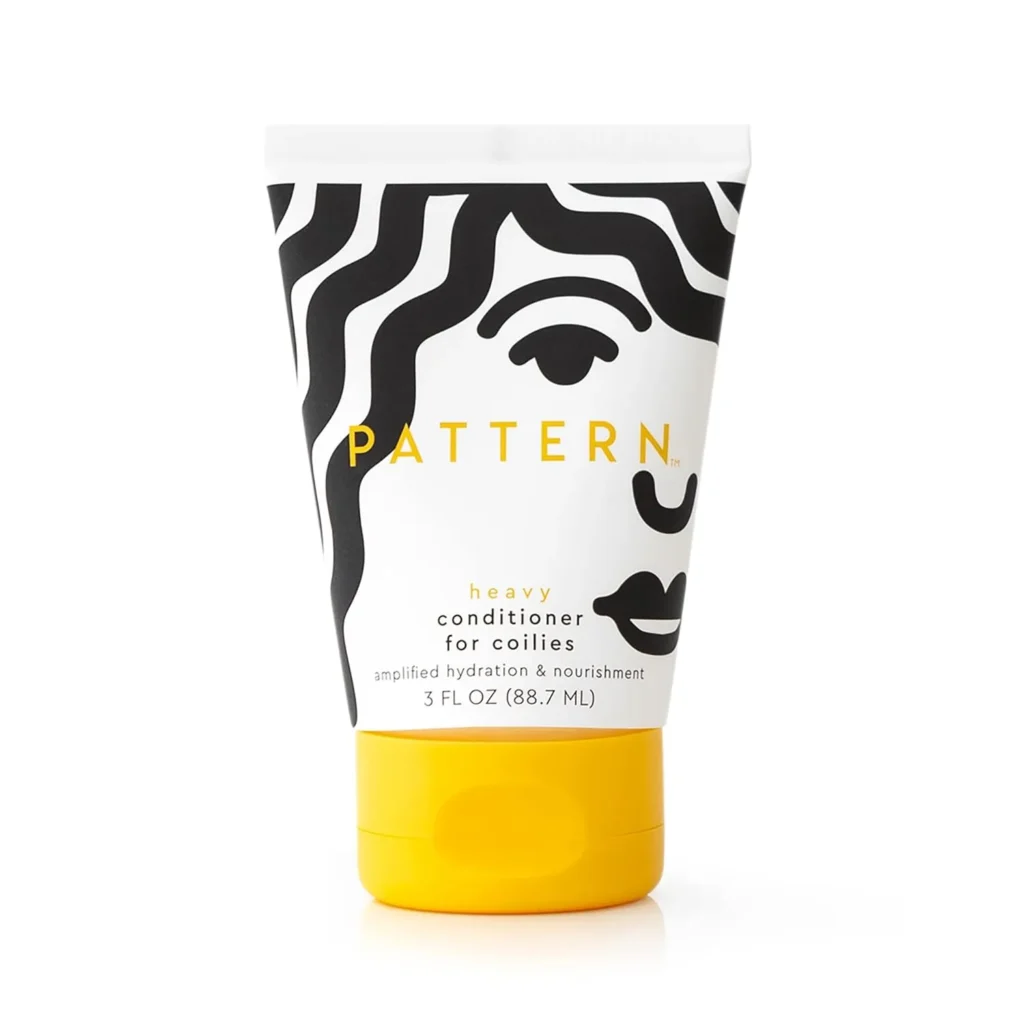
5. Pattern Beauty Heavy Conditioner
Best for: Thick, dense 3C hair needing serious detangling help
Created by Tracee Ellis Ross specifically for tight curl patterns, this conditioner provides exceptional slip for detangling while depositing moisture. The formula contains honey, avocado oil, and coconut oil.
Pros:
- Outstanding slip for finger detangling
- Designed specifically for 3B-4C curl patterns
- Can be used as a rinse-out or deep conditioner
- Clean ingredients, no parabens or silicones
Cons:
- Premium pricing
- Rich formula may be too heavy for low-density hair
- Requires thorough rinsing to avoid residue
If detangling sessions cause significant breakage and tears, the slip in this conditioner makes the process genuinely easier.
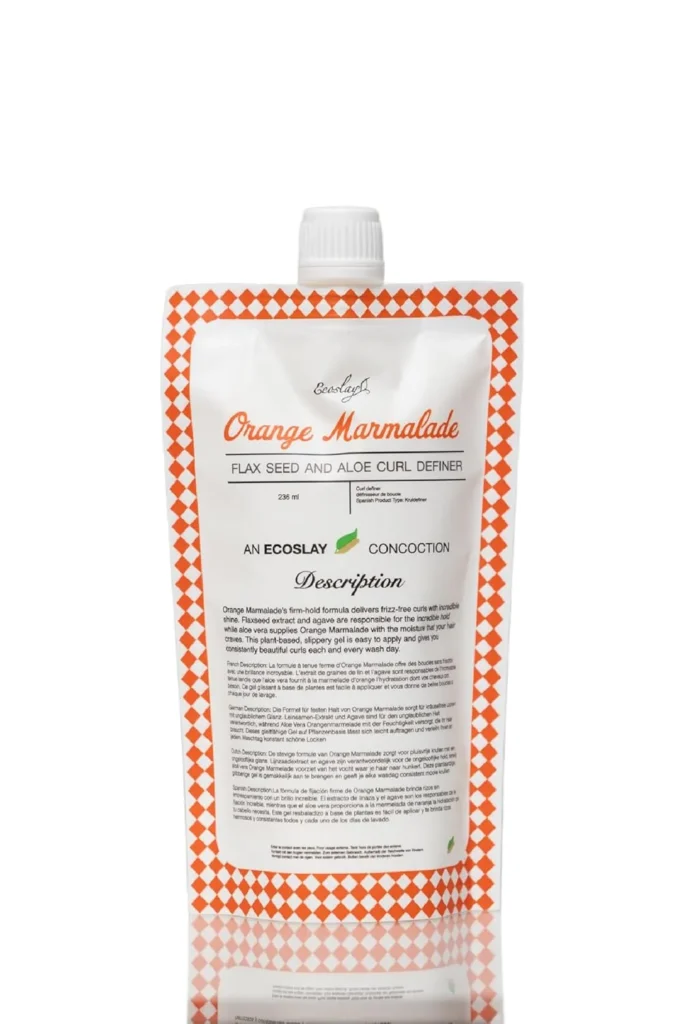
6. Ecoslay Orange Marmalade
Best for: 3C hair wanting maximum definition with natural ingredients
This flaxseed-based gel is handmade with minimal ingredients and provides strong hold without glycerin (which can cause issues in certain climates). It’s popular in the curly hair community for wash-and-go styles.
Pros:
- All-natural ingredients
- Strong hold that still looks natural
- Glycerin-free option
- Works in various climate conditions
Cons:
- Shorter shelf life than commercial products (contains no preservatives)
- Must be purchased online (not in stores)
- Requires refrigeration
- Higher cost for small batches
For ingredient-conscious individuals who want control over what touches their hair, this offers a cleaner alternative to commercial gels.
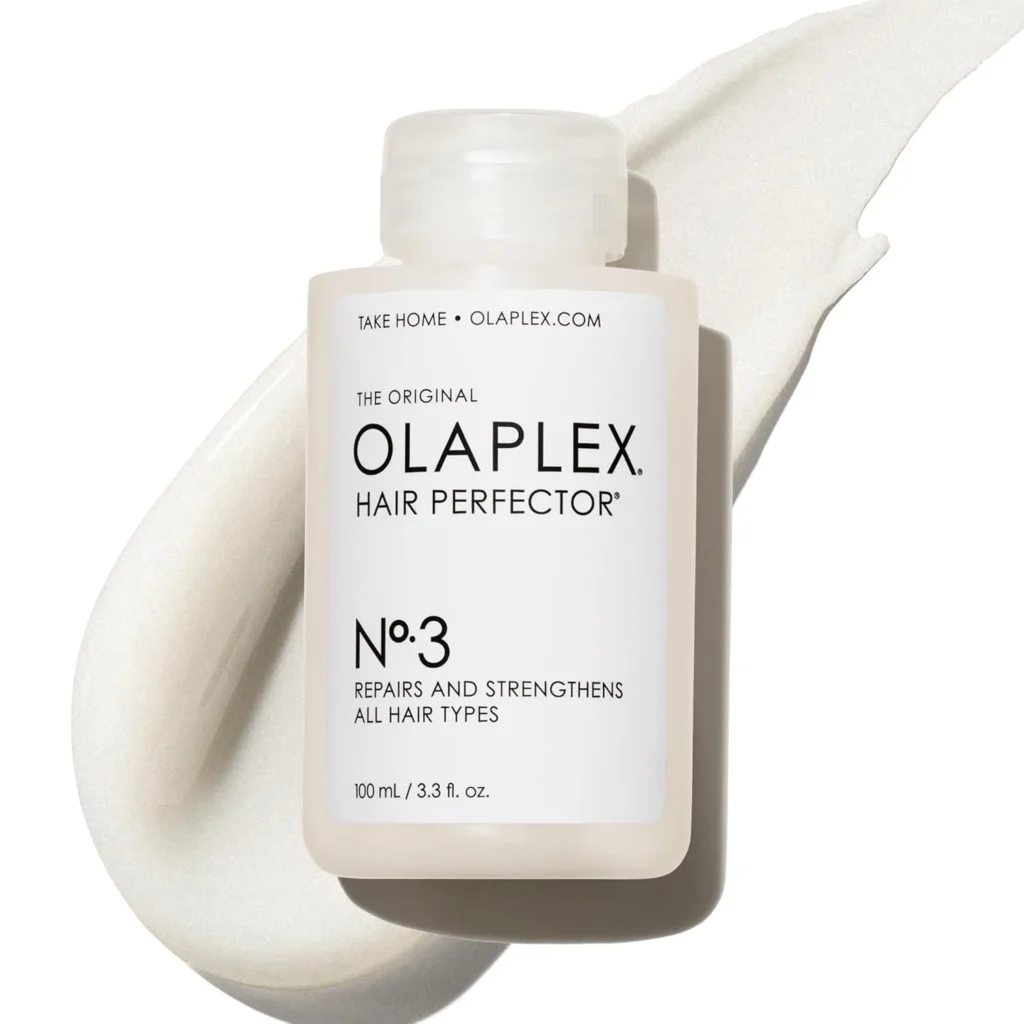
7. Olaplex No. 3 Hair Perfector
Best for: Color-treated or heat-damaged 3C hair needing bond repair
While not curl-specific, Olaplex repairs broken disulfide bonds from chemical processing, heat damage, or mechanical stress. It’s particularly useful for 3C hair that’s been straightened or colored frequently.
Pros:
- Scientifically proven bond repair
- Works on all curl types
- Noticeable strength improvement after first use
- Prevents future damage
Cons:
- Doesn’t provide moisture (needs to be paired with conditioning products)
- Premium price
- Requires 10+ minutes of processing time
If your curls have lost their spring due to damage, this rebuilds the internal structure that makes curls bounce back.
Simple 3C Hair Care Routine
Wash Day (Every 5-7 days):
Step 1: Pre-poo with oil or a heavy conditioner for 15-30 minutes to minimize hygral fatigue.
Step 2: Cleanse with a sulfate-free or low-poo shampoo, focusing on the scalp. Let water rinse product down the length.
Step 3: Apply deep conditioner from mid-length to ends. Cover with a plastic cap and let sit for 20-30 minutes (heat optional).
Step 4: Detangle with fingers or a wide-tooth comb while conditioner is still in hair. Work in sections from ends to roots.
Step 5: Rinse with cool water to seal the cuticle.
Styling:
Step 6: Apply leave-in conditioner to soaking wet hair in sections using praying hands or raking method.
Step 7: Apply curl cream or gel using the same technique. Scrunch to encourage curl formation.
Step 8: Either air dry or use a diffuser on low heat. Don’t touch hair until completely dry.
Step 9: Scrunch out any gel cast with a small amount of oil on your hands.
Between Wash Days:
Step 10: Sleep on a satin pillowcase or use a satin bonnet to prevent friction.
Step 11: Refresh curls with water or a water/conditioner spray mix, then scrunch.
Choosing the Right Products for Your 3C Hair
If you have low porosity 3C hair: Choose lighter products and avoid heavy butters. Look for ingredients like argan oil and use heat when deep conditioning to help products penetrate.
If you have high porosity 3C hair: You need heavier moisturizers and products with proteins to fill gaps in the cuticle. Shea butter and coconut oil work well.
If your hair is fine: Even though it’s 3C, fine hair gets weighed down easily. Use lightweight gels and avoid heavy creams.
If your hair is coarse and dense: You can handle richer products and may need them to achieve adequate moisture and definition.
If you’re protein-sensitive: Avoid products with hydrolyzed proteins, keratin, or amino acids high on the ingredient list. Focus on moisture.
If you’re moisture-overloaded: Look for protein treatments and products with ingredients like rice water or gelatin to restore structure.
Frequently Asked Questions
How often should I wash 3C hair? Most people with 3C hair wash every 5-7 days. Washing too frequently strips natural oils, while going too long can lead to product buildup and scalp issues. Listen to your hair and scalp.
Why do my curls look great on wash day but frizzy the next day? This usually indicates your hair needs better moisture retention or you’re experiencing friction during sleep. Use a satin bonnet or pillowcase and consider a refresh spray for second-day hair.
Can I use products designed for 4C hair on 3C curls? Yes, if your 3C hair is thick, coarse, or high porosity. However, if your hair is fine or low porosity, 4C products may be too heavy.
What’s the difference between a curl cream and a gel? Curl creams provide moisture and soft definition with minimal hold. Gels offer stronger hold and definition but can create a cast that needs to be scrunched out. Many people layer both.
How do I know if my hair needs protein or moisture? Take a strand test: if hair stretches and breaks easily, you need protein. If it breaks with little to no stretch, you need moisture. Healthy hair stretches 30-50% before returning to normal.
Final Thoughts
Building a routine for 3C hair is personal and requires some experimentation. What works for someone else’s 3C curls may not work for yours because of differences in porosity, density, and lifestyle factors.
The products listed here are starting points backed by positive experiences in the curly hair community, but they’re not miracle solutions. Your results depend on technique, consistency, and understanding your specific hair characteristics.
Start with basic categories—a good cleanser, a deep conditioner, a leave-in, and a styler—then refine from there. Give each product at least 3-4 uses before deciding if it works for you.
Disclaimer: Hair care results vary significantly based on individual hair characteristics, water quality, climate, and styling methods. These recommendations are educational and based on common experiences, not guarantees. If experiencing unusual hair loss or scalp conditions, consult a dermatologist or trichologist.