Best Aroma Oils for skin care in 2026
Aroma oils, also called essential oils, have become mainstream in skin care routines—but not all oils suit all skin types, and misuse can cause more harm than good. People are searching for aroma oil guidance because they want natural alternatives that address specific concerns like dryness, aging, or acne without harsh chemicals. The real challenge isn’t finding oils—it’s learning which ones actually benefit your skin, how to dilute them safely, and which marketing claims to ignore.

Table of Contents
What Makes Aroma Oils Different in Skin Care
Aroma oils are highly concentrated plant extracts that contain active compounds affecting skin at a cellular level. Unlike carrier oils (like jojoba or coconut), essential oils must be diluted before skin contact because they’re potent enough to cause irritation or sensitization.
These oils work through multiple pathways: some have antimicrobial properties that help acne-prone skin, others contain antioxidants that protect against environmental damage, and some stimulate circulation or reduce inflammation. Results develop over weeks of proper use, not overnight. The key is matching the right oil to your skin concern and using it at safe concentrations.
Key Benefits of Aroma Oils for Skin
- Target specific concerns like acne, redness, or hyperpigmentation
- Provide concentrated antioxidants that protect against aging
- Offer antimicrobial support for problematic skin
- Enhance absorption of other skincare ingredients when used properly
- Deliver therapeutic compounds without synthetic additives
- Work with small amounts making them cost-effective long-term
Best Aroma Oils for Different Skin Concerns
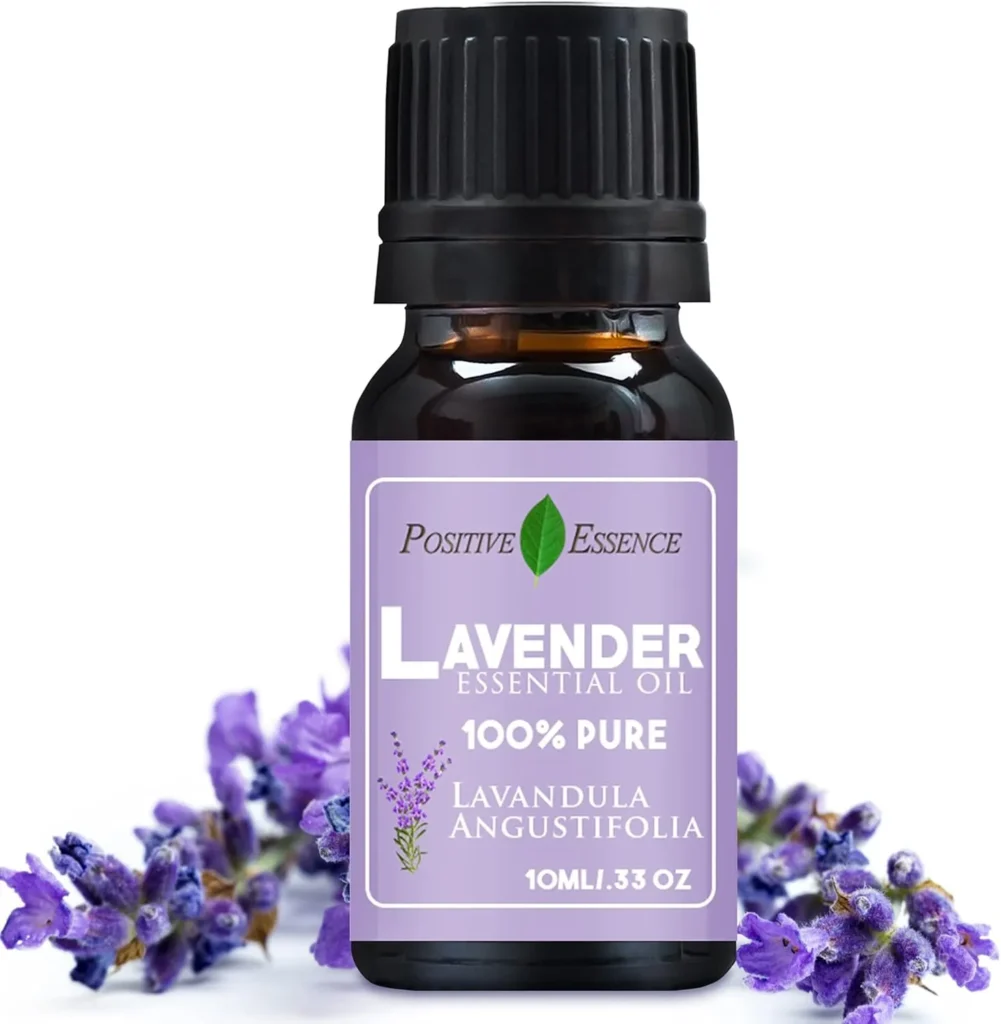
1. Lavender Essential Oil
Best for: Sensitive skin, minor irritation, and stress-related breakouts
Lavender oil contains linalool and linalyl acetate, compounds known for calming properties. It’s one of the gentler essential oils and works well for skin that reacts easily to products.
Pros:
- Generally well-tolerated when diluted
- Supports skin healing and regeneration
- Pleasant scent aids relaxation
- Can help balance oil production
Cons:
- Some people develop sensitivity with repeated use
- Must still be diluted (never use neat)
- Quality varies significantly between brands
If your skin flares up from stress or you need something gentle for occasional spot treatment, properly diluted lavender is worth testing carefully.
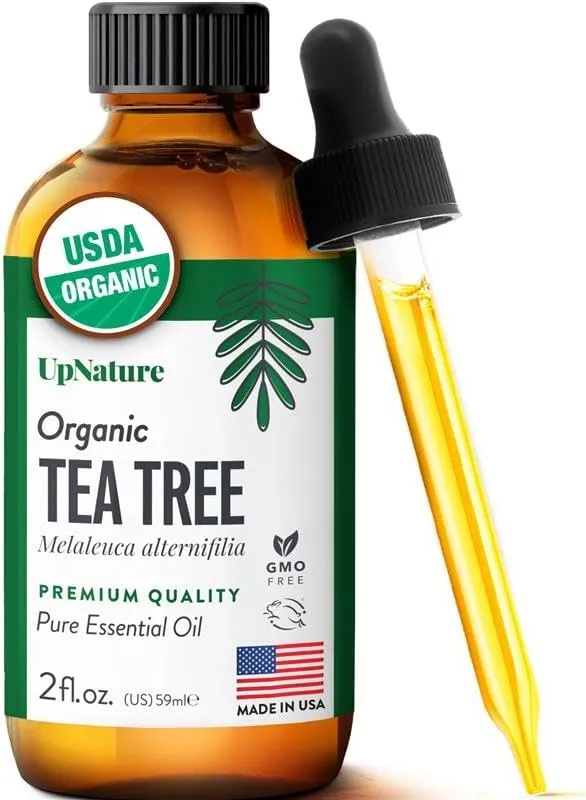
2. Tea Tree Oil
Best for: Acne-prone, oily, and congested skin
Tea tree oil has strong antimicrobial properties, particularly against acne-causing bacteria. It’s been studied extensively for blemish-prone skin and can be effective when used at appropriate concentrations.
Pros:
- Well-researched for acne treatment
- Helps control excess sebum
- Works on fungal skin issues too
- Affordable and widely available
Cons:
- Can be very drying if overused
- High irritation potential at wrong dilution
- Not suitable for eczema or broken skin
- Strong medicinal scent
This oil works for persistent acne, but start with low concentrations (1-2%) and monitor your skin’s response closely.
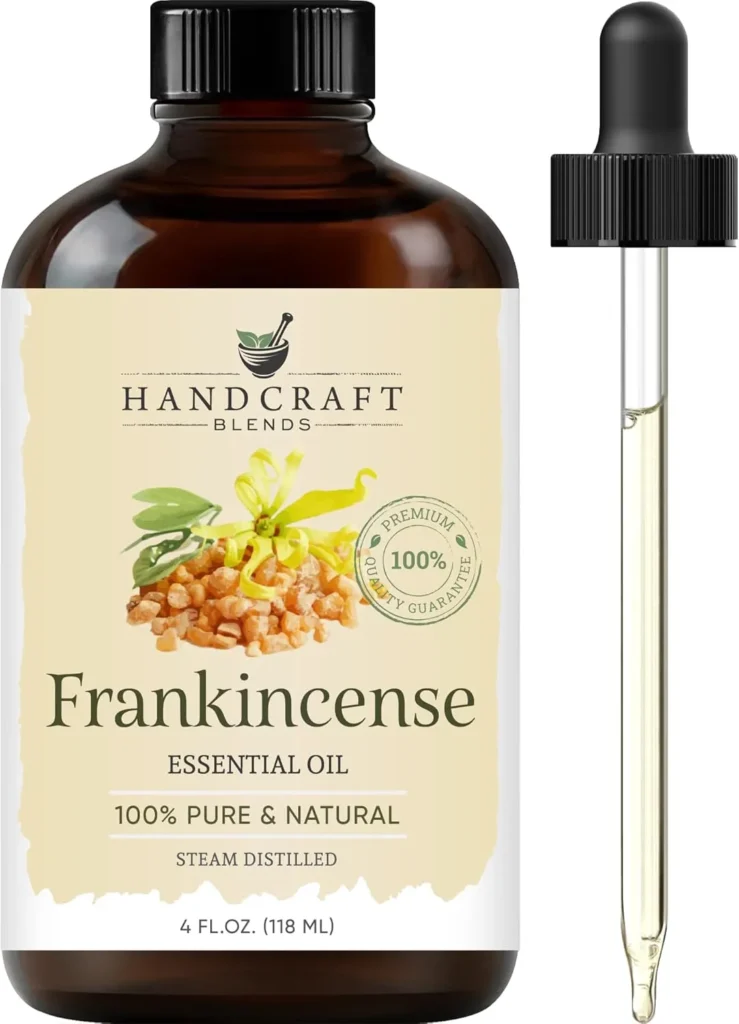
3. Frankincense Essential Oil
Best for: Mature skin, fine lines, and uneven texture
Frankincense contains boswellic acids that may support skin cell regeneration and reduce the appearance of aging. It’s been used traditionally for centuries and recently gained popularity in anti-aging routines.
Pros:
- Helps improve skin tone and texture
- Supports collagen production over time
- Non-photosensitizing (safe for daytime)
- Suitable for most skin types when diluted
Cons:
- Premium quality is expensive
- Results take consistent use over months
- Less dramatic than retinol or acids
If you prefer natural options for aging concerns and have patience for gradual improvement, frankincense is a solid choice.
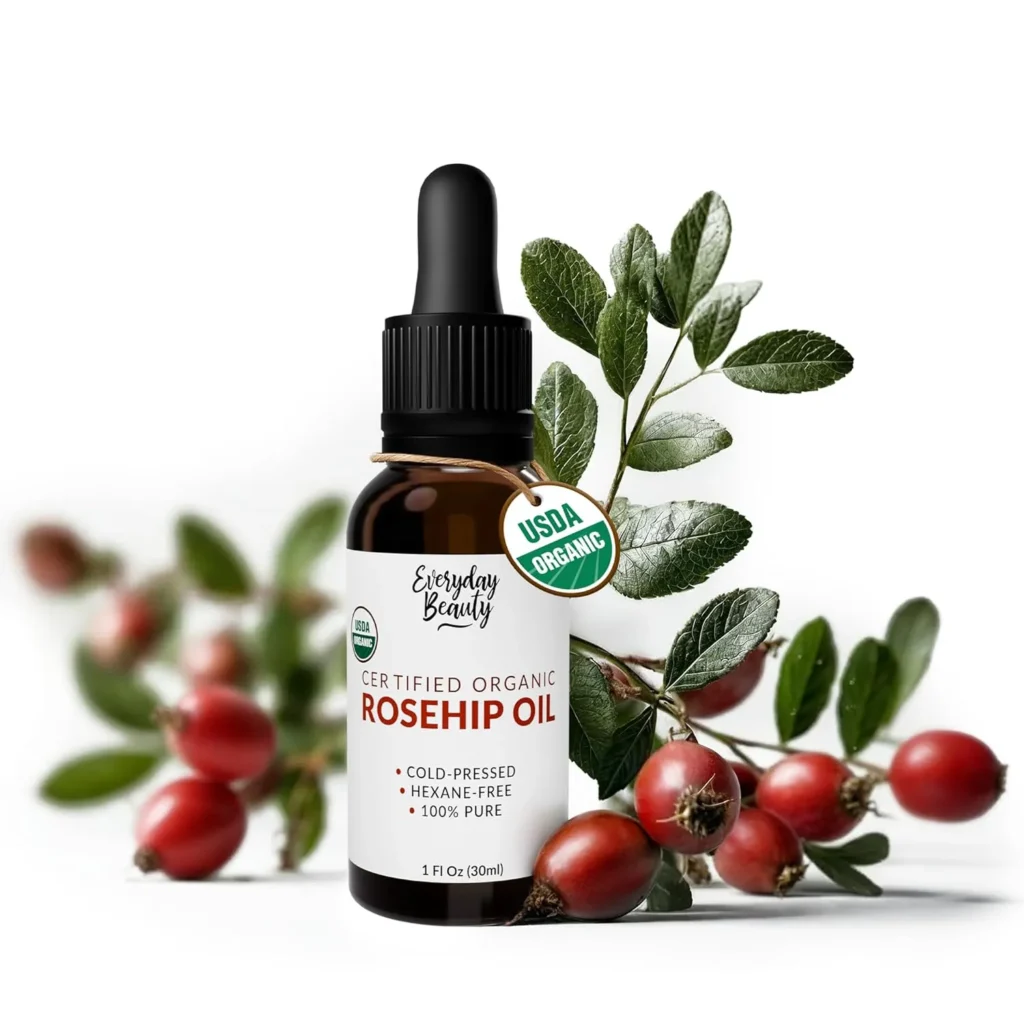
4. Rosehip Seed Oil
Best for: Dry skin, scars, and hyperpigmentation
Technically a carrier oil but often grouped with aromatherapy oils, rosehip seed oil is rich in vitamins A and C. It’s gentle enough to use undiluted and particularly effective for post-acne marks and sun damage.
Pros:
- Can be applied directly without dilution
- Absorbs well without heavy residue
- Contains natural retinoids
- Helps fade discoloration over time
Cons:
- Short shelf life (oxidizes within 6 months)
- Must be stored in dark, cool place
- Not ideal for very oily skin types
This is one of the safest oils for beginners and works beautifully for anyone dealing with uneven skin tone or dryness.
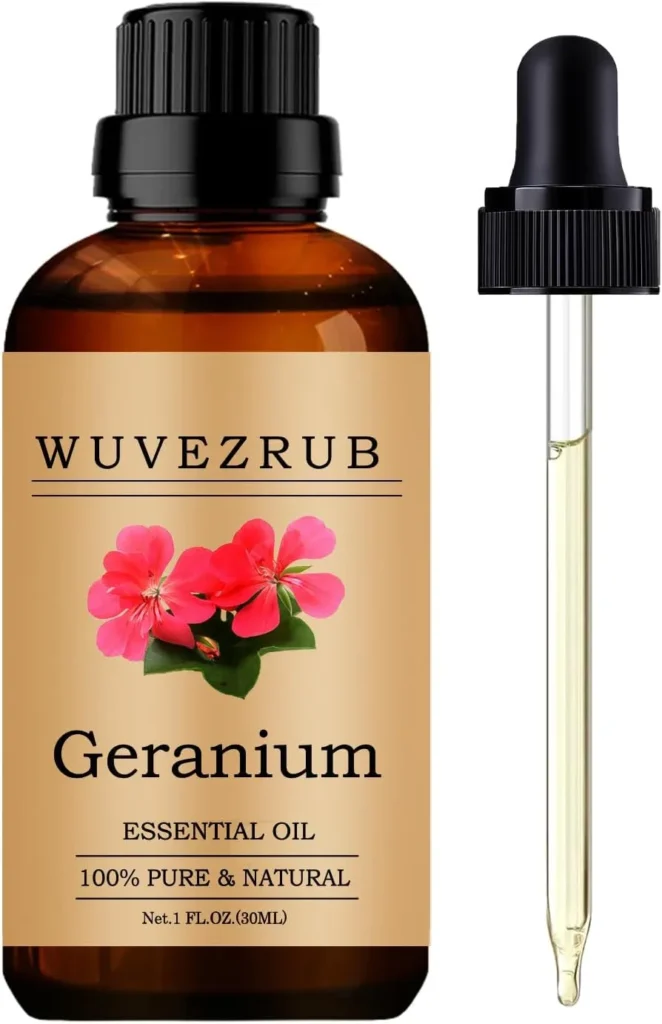
5. Geranium Essential Oil
Best for: Combination skin and hormone-related breakouts
Geranium oil helps balance sebum production, making it useful for skin that’s both dry and oily in different areas. It also has mild astringent properties.
Pros:
- Balances oil production effectively
- Pleasant floral scent
- Anti-inflammatory benefits
- Works well mixed with other oils
Cons:
- Must be diluted properly
- Can cause sensitivity in some people
- Not recommended during pregnancy
If your skin behaves differently throughout the month or you have both dry patches and oily zones, geranium offers good balance.
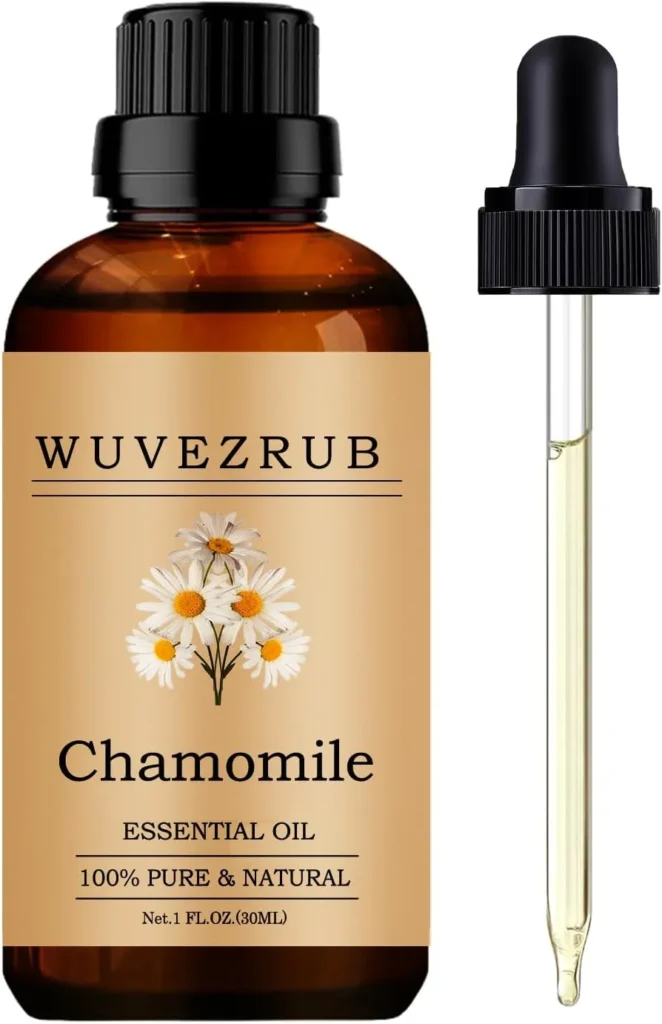
6. Chamomile Essential Oil
Best for: Rosacea, eczema, and reactive skin
Both Roman and German chamomile contain chamazulene and bisabolol, powerful anti-inflammatory compounds. This oil is particularly gentle for compromised skin barriers.
Pros:
- One of the safest essential oils
- Excellent for calming redness
- Suitable for damaged skin barriers
- Can be used on children when diluted
Cons:
- Expensive for high-quality versions
- Mild effects compared to medical treatments
- Blue-tinted oil can temporarily stain
For chronic redness or skin conditions that need gentle care, chamomile is among your safest natural options.
How to Use Aroma Oils Safely
Basic Dilution Formula:
- Face: 1-2% dilution (1-2 drops per teaspoon of carrier oil)
- Body: 2-3% dilution (2-3 drops per teaspoon of carrier oil)
- Spot treatment: Up to 5% (5 drops per teaspoon)
Step-by-Step Application:
- Always patch test first: Apply diluted oil to inner forearm, wait 24 hours
- Choose your carrier oil: Jojoba, grapeseed, or argan work for most skin types
- Mix properly: Add essential oil drops to carrier oil in a dark glass bottle
- Apply to damp skin: After cleansing, while skin is slightly moist
- Use consistently: Once daily for sensitive skin, twice for tolerant skin
- Store correctly: Dark bottles, cool place, away from sunlight
Never:
- Apply undiluted essential oils to face (except rosehip seed oil)
- Use citrus oils before sun exposure
- Mix oils into water-based products (they won’t blend)
- Use expired oils (they become irritating)
Choosing the Right Aroma Oil
For oily/acne-prone skin: Tea tree, geranium, or lavender diluted in lightweight jojoba oil
For dry/mature skin: Frankincense or rosehip seed oil in nourishing argan or evening primrose oil
For sensitive/reactive skin: Chamomile or lavender at low concentrations in calming calendula oil
For combination skin: Geranium balanced in grapeseed or sweet almond oil
For hyperpigmentation: Rosehip seed oil alone or with frankincense in vitamin E oil
FAQ
Are aroma oils safe for daily use? When properly diluted and patch-tested, yes. Start with once daily application and increase only if your skin tolerates it well.
Can essential oils replace my entire skincare routine? No. They work best as targeted treatments alongside cleansing, moisturizing, and sun protection. They’re additions, not replacements.
Why do some oils cause breakouts? Either the concentration is too high, the carrier oil is comedogenic for your skin type, or you’re experiencing purging from increased cell turnover. Stop use if irritation persists.
How long until I see results? Calming effects: 1-2 weeks. Acne improvement: 4-6 weeks. Anti-aging or pigmentation: 8-12 weeks minimum with consistent use.
Can I mix different essential oils together? Yes, but limit to 2-3 oils maximum in one blend, keeping total dilution safe. More isn’t better with essential oils.
Final Thoughts
Aroma oils can enhance your skin care routine when you respect their potency and use them correctly. They’re not magic solutions, but targeted tools that work alongside good basics like cleansing, moisturizing, and sun protection.
Quality matters significantly—cheap oils are often adulterated or improperly extracted. Individual responses vary, so what works beautifully for someone else might irritate your skin.
Start with one oil at proper dilution, give it several weeks, and pay attention to how your skin actually responds rather than how you hope it will. That’s how you find what genuinely works for you.