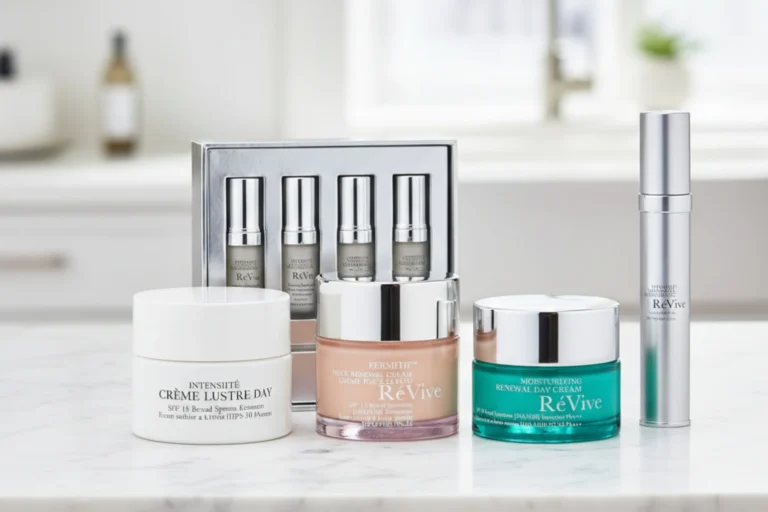
How to choose best Blonde Hair Care Products
Blonde hair—whether natural, highlighted, or fully bleached—requires specialized care that most standard hair products simply can’t provide. The challenge isn’t just maintaining color; it’s managing the structural damage, preventing brassiness, and keeping hair hydrated without weighing it down.
In 2026, more people are searching for blonde-specific products because they’ve realized generic shampoos and conditioners often make things worse. The market has responded with scientifically-backed formulas that address the unique porosity and protein needs of lightened hair.

Table of Contents
What Makes Blonde Hair Care Different
Blonde hair, especially chemically treated blonde, has a more open cuticle structure than darker hair. This means it absorbs environmental pollutants, minerals from water, and oxidizes faster—leading to that unwanted yellow or brassy tone.
Quality blonde hair products work by depositing purple or blue pigments to neutralize warmth, while simultaneously repairing the hair shaft with proteins and moisture-binding ingredients. The best formulas balance color correction with genuine hair health, not just cosmetic coverage.
Long-term benefits come from consistency and choosing products that strengthen rather than just coat the hair temporarily.
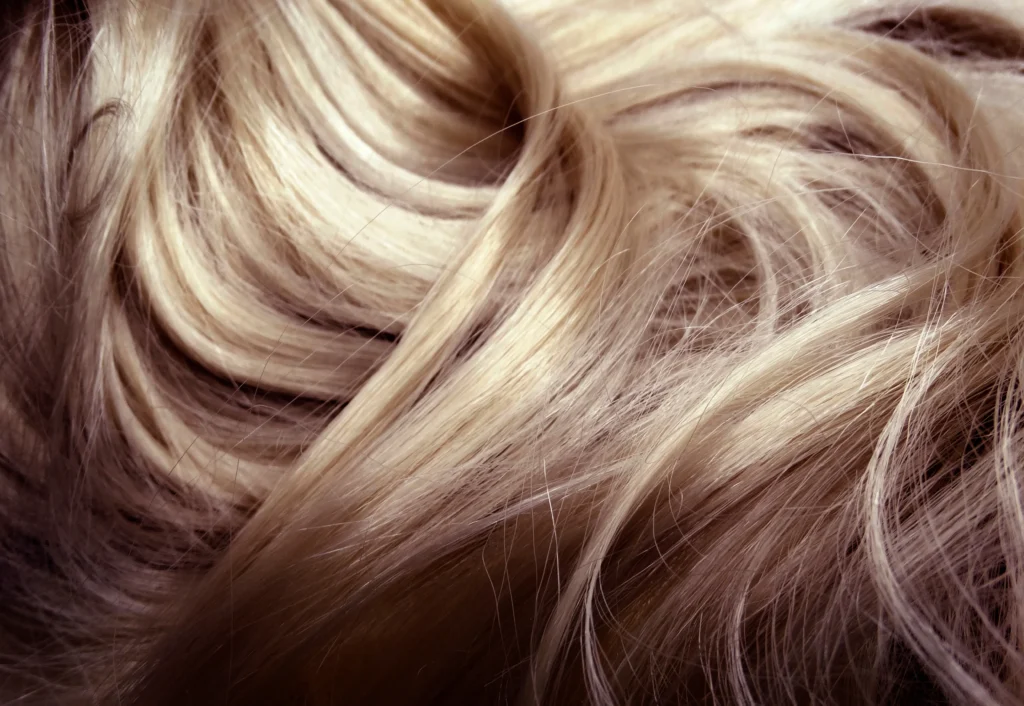
Key Benefits of Specialized Blonde Hair Care
- Neutralizes brassy and yellow tones without over-toning or creating ashy dullness
- Repairs chemical damage at the protein level, improving elasticity and strength
- Maintains color vibrancy between salon visits, extending time between touch-ups
- Prevents future damage by creating a protective barrier against UV rays and heat
- Improves manageability by smoothing the cuticle and reducing tangling
- Addresses dryness common in bleached hair without causing buildup
Best Blonde Hair Care Products in 2026
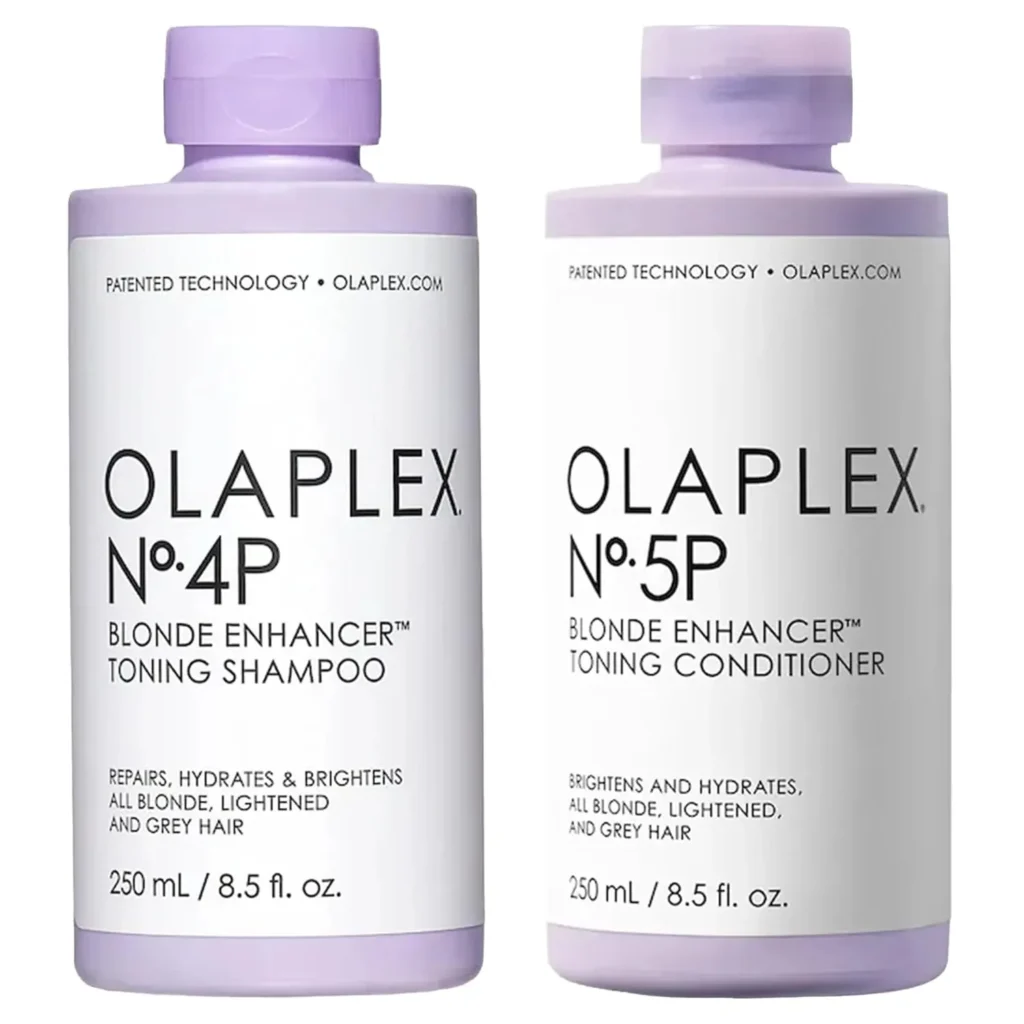
1. Olaplex No. 4P Blonde Enhancer Toning Shampoo
Best for: Bleached or highlighted hair with moderate to severe brassiness
This shampoo uses Olaplex’s patented bond-building technology alongside highly concentrated violet pigments. Unlike typical purple shampoos that only deposit color, this formula actually repairs disulfide bonds broken during the bleaching process.
Pros:
- Genuinely strengthens hair structure
- Works quickly (visible results in 1-2 washes)
- Suitable for weekly use without over-toning
Cons:
- Premium price point
- Can be drying if used too frequently
- May be too strong for naturally light blonde hair
If you’ve been struggling with persistent brassiness and breakage simultaneously, this addresses both concerns in one step.
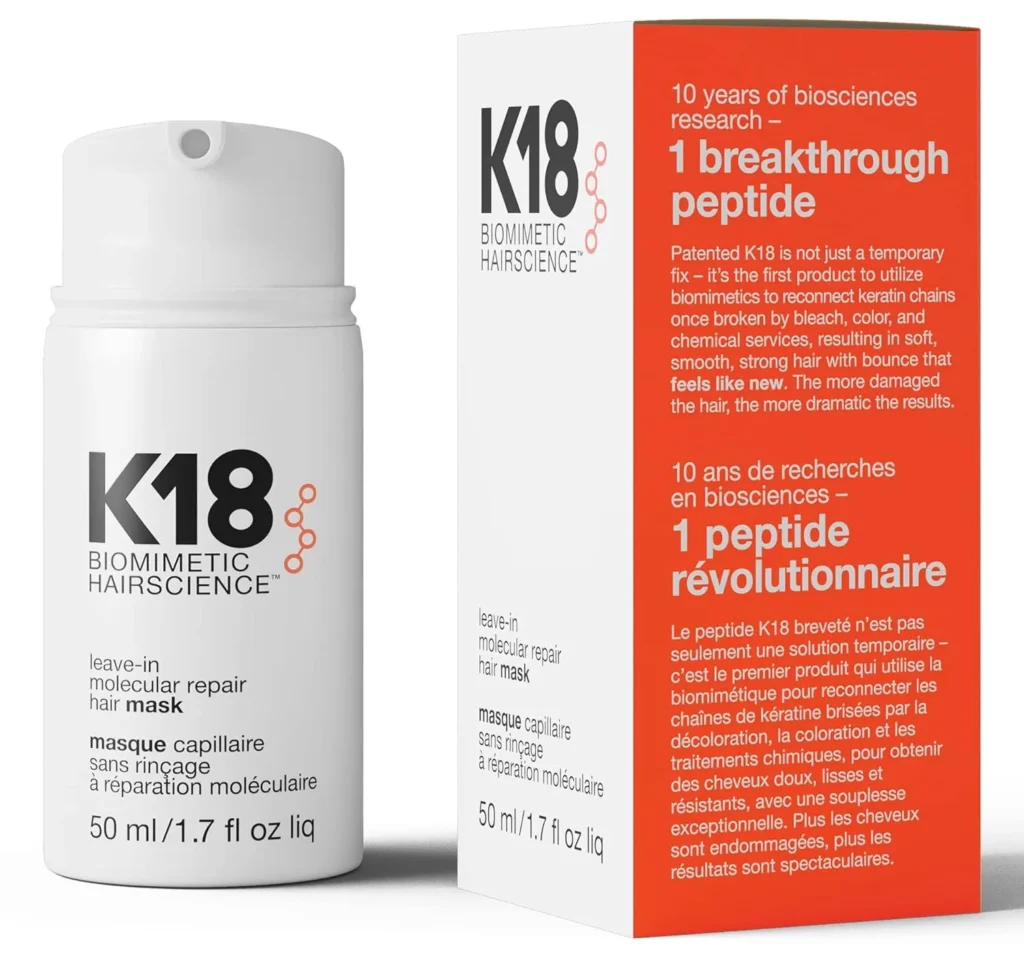
2. K18 Leave-In Molecular Repair Hair Mask
Best for: Severely damaged blonde hair needing intensive protein repair
K18 works at the molecular level to reverse damage from bleaching, heat, and chemical treatments. The biotech-engineered peptide reconnects broken keratin chains in just four minutes.
Pros:
- Clinically proven repair results
- Lightweight, doesn’t cause buildup
- Works on wet hair in minimal time
Cons:
- Expensive for the amount you get
- Requires consistent use for best results
- Not a toning product (needs to be paired with color-correcting shampoo)
For hair that feels like straw after bleaching, this provides structural repair that you can actually feel after the first use.
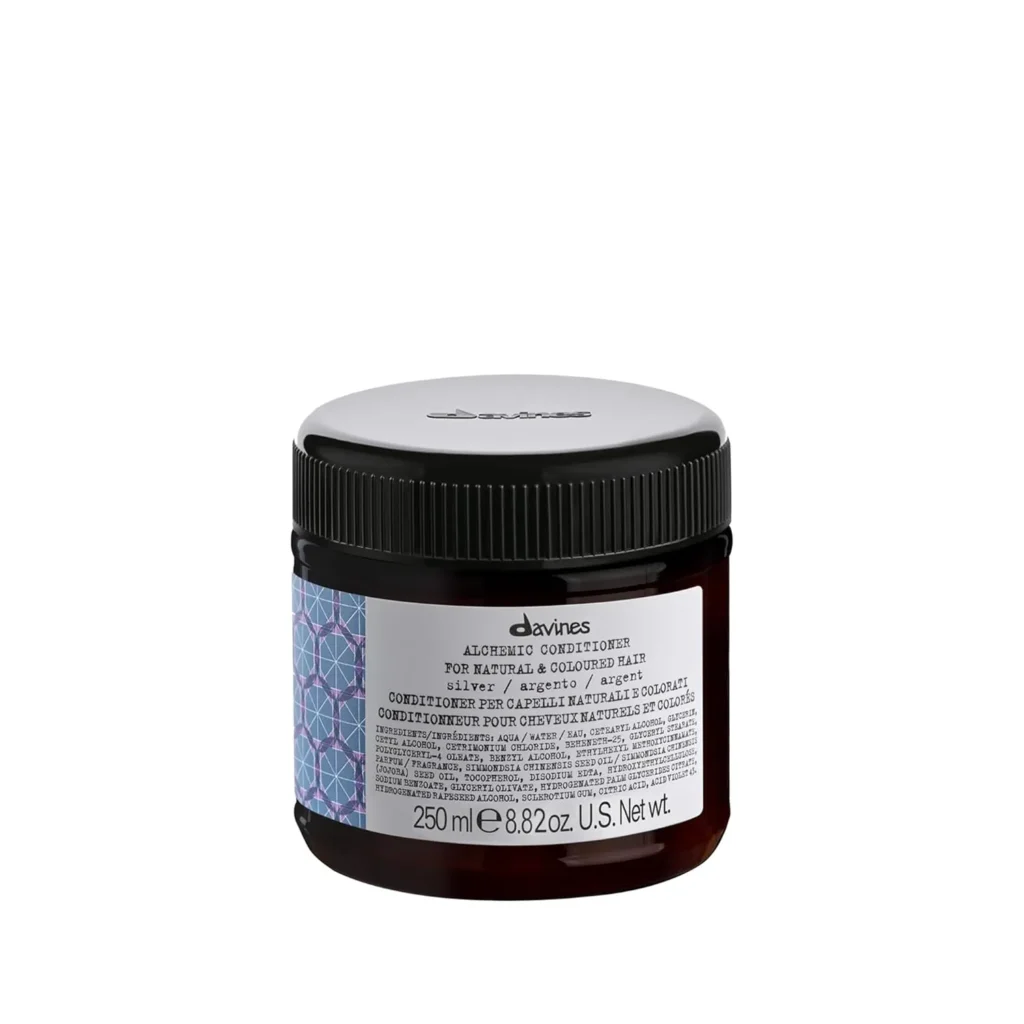
3. Davines Alchemic Silver Conditioner
Best for: Cool-toned blondes and those wanting an ashier result
This Italian-made conditioner deposits silver pigments while conditioning with gentle, naturally-derived ingredients. It’s less aggressive than many purple products, making it ideal for naturally blonde or lightly highlighted hair.
Pros:
- Natural ingredient base
- Pleasant scent (not typical chemical purple shampoo smell)
- Can be used as a daily conditioner
Cons:
- Subtle toning (may not be strong enough for heavily brassy hair)
- Requires longer processing time (5-10 minutes)
- Higher cost than drugstore alternatives
If you prefer a gradual, natural-looking tone correction rather than dramatic results, this offers a gentler approach.
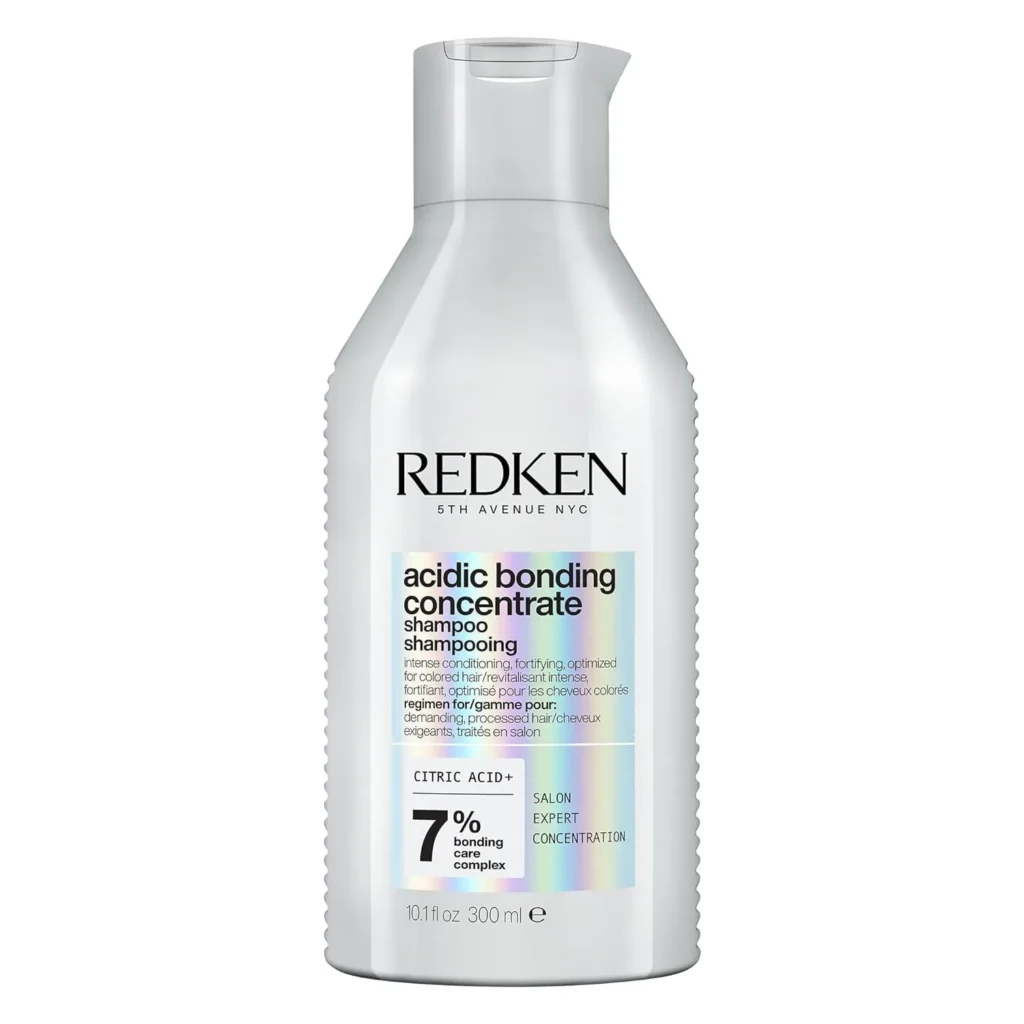
4. Redken Acidic Bonding Concentrate Blonde Shampoo
Best for: Color-treated blonde hair needing pH balance and tone control
This formula combines bond repair with an acidic pH to seal the cuticle and lock in cooler tones. It’s particularly effective for hair that’s been over-processed or exposed to hard water.
Pros:
- Addresses multiple concerns (tone, strength, shine)
- Available at professional salons and online
- Noticeable improvement in hair texture
Cons:
- Requires the full system for best results
- May take 2-3 weeks of consistent use to see full benefits
- Not sulfate-free (though designed for color-treated hair)
This works well for those who want a comprehensive system rather than mixing products from different brands.
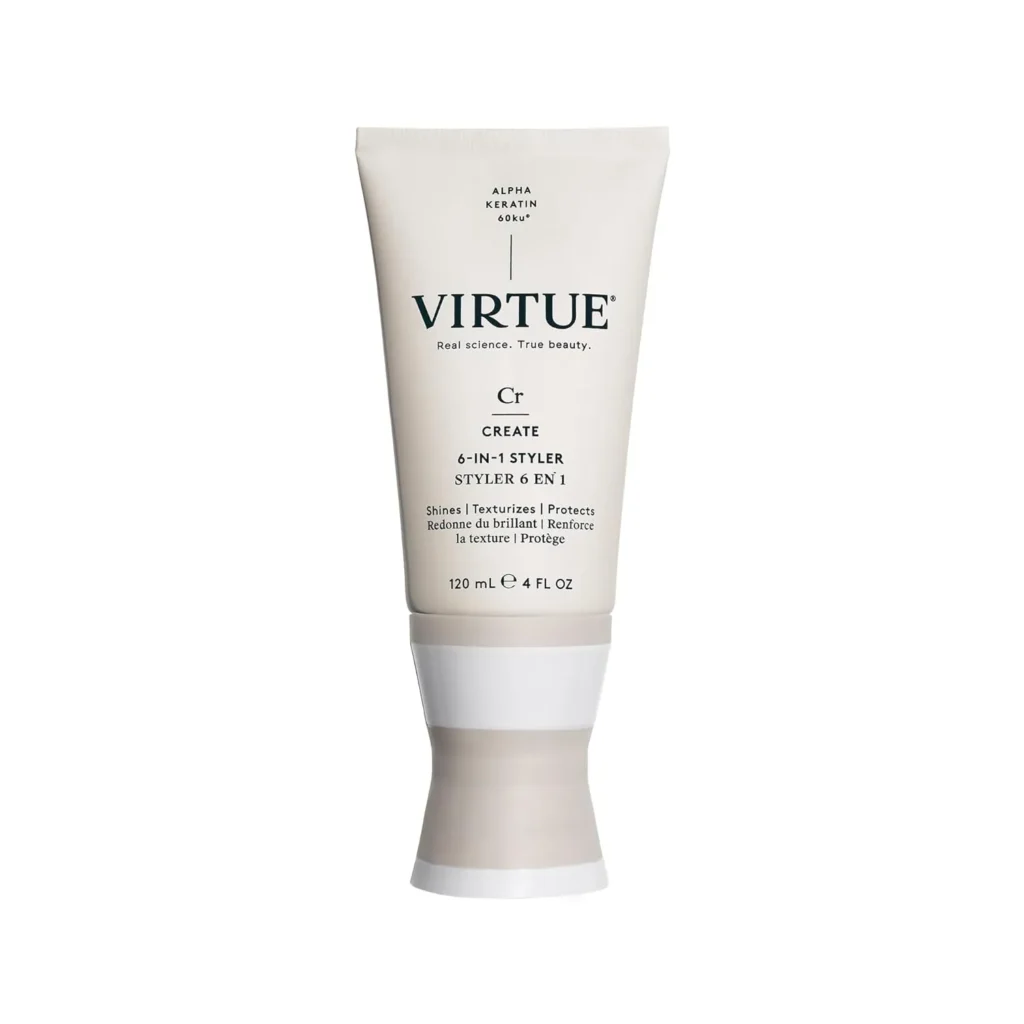
5. Virtue 6-in-1 Styler
Best for: Blonde hair needing heat protection and UV defense
While not specifically a purple product, this styling cream uses Alpha Keratin 60ku to protect blonde hair from the environmental factors that cause color fading and damage.
Pros:
- Protects against heat up to 450°F
- Contains UV filters to prevent oxidation
- Adds shine without greasiness
Cons:
- Pricey for a styling product
- Doesn’t tone—purely protective
- May be too rich for fine hair
If you use heat tools regularly or spend time in the sun, this prevents the damage that makes toning necessary in the first place.
Simple Blonde Hair Care Routine
Step 1: Wash hair with a clarifying shampoo once every two weeks to remove mineral buildup that causes brassiness.
Step 2: Use your purple or toning shampoo 1-2 times per week, leaving it on for 3-5 minutes. Monitor results to avoid over-toning.
Step 3: Follow with a bond-repairing or moisturizing treatment. Leave on for the recommended time.
Step 4: Apply a leave-in treatment to damp hair, focusing on mid-lengths and ends.
Step 5: Use heat protectant before any styling. Let hair air-dry when possible.
Step 6: Apply a UV-protective product if you’ll be outdoors for extended periods.
Choosing the Right Product for Your Hair
If your hair is naturally blonde: Start with gentler toning products like Davines. You likely don’t need aggressive purple shampoo.
If you have highlights or balayage: Alternate between toning shampoo and bond repair treatments. Focus repair on the most damaged sections.
If you’re fully bleached: Prioritize bond repair products like K18 or Olaplex, and use strong toning shampoos sparingly to avoid over-processing.
If your hair is fine: Choose lightweight formulas and avoid heavy masks that cause buildup.
If your hair is thick and coarse: Look for richer, more intensive treatments that penetrate deeply.
Frequently Asked Questions
How often should I use purple shampoo? Start with once per week. If brassiness persists, increase to twice weekly. More than three times per week can cause purple or gray discoloration.
Can these products repair hair that’s already broken off? No product can reattach hair that’s broken off. Bond repair treatments can strengthen existing hair to prevent further breakage, but you’ll need to grow out severely damaged sections.
Are purple shampoos safe for daily use? Most are too drying and pigment-heavy for daily use. Stick to 1-2 times per week and use a regular gentle shampoo on other days.
Why does my blonde hair turn green? Copper from water can oxidize and create green tones. Use a chelating shampoo to remove mineral buildup, then resume your purple shampoo routine.
Do these products work on gray hair? Yes, purple and silver shampoos work excellently on gray hair to remove yellowing. Bond repair treatments benefit any hair type.
Final Thoughts
Maintaining healthy blonde hair isn’t about finding one miracle product—it’s about building a consistent routine that addresses both color maintenance and structural repair. The products listed here work, but they require patience and realistic expectations.
Your hair’s condition depends on your starting point, how often you bleach, heat tool usage, and even your water quality. What works perfectly for one person may need adjustment for you.
Start with one or two products that address your primary concern, whether that’s brassiness or damage. Give them at least four weeks of consistent use before deciding if they work.
Disclaimer: Individual results vary based on hair type, existing damage, and how products are used. These recommendations are educational and not a substitute for consultation with a professional colorist if you’re experiencing severe hair damage.