What is the Best face cream for dry skin?
Dry skin isn’t just uncomfortable—it’s a sign your moisture barrier needs serious support, not just surface hydration. People are searching for the best face creams because lightweight lotions aren’t cutting it anymore, and they’re tired of that tight, flaky feeling that returns hours after moisturizing. The challenge isn’t finding thick creams—it’s finding formulas that actually repair your skin barrier, lock in moisture long-term, and work under makeup without pilling or greasiness.

Table of Contents
What Makes a Face Cream Effective for Dry Skin
The best face creams for dry skin do three things: deliver humectants that attract water, provide emollients that smooth and soften, and include occlusives that seal everything in. Think of it as a three-layer strategy—hydrate, smooth, protect.
Ingredients like hyaluronic acid pull moisture into skin, ceramides repair the barrier that’s letting moisture escape, and occlusives like squalane or shea butter create a protective seal. You need all three working together, not just one heavy ingredient masking the problem. Real improvement happens when your skin barrier strengthens over weeks, reducing how much moisture you lose daily.
Key Benefits of Quality Face Creams for Dry Skin
- Repair compromised skin barriers instead of just coating the surface
- Provide lasting hydration that survives through the day
- Reduce flaking and rough texture within days of use
- Create a smooth base for makeup application
- Calm irritation from environmental stress and dryness
- Prevent moisture loss during sleep for overnight recovery
Best Face Creams for Dry Skin
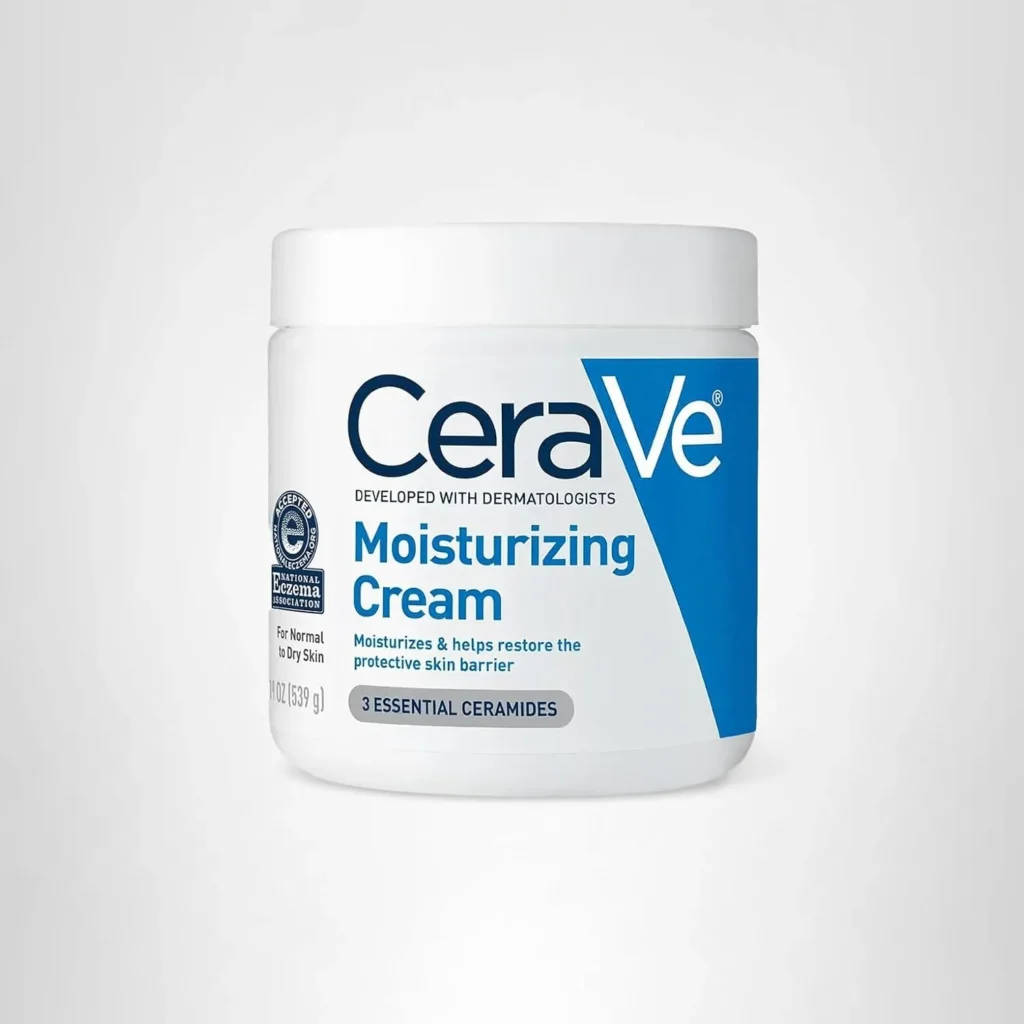
1. CeraVe Moisturizing Cream (United States)
Best for: Very dry skin, eczema-prone skin, and budget-conscious buyers
This dermatologist-favorite contains three essential ceramides plus hyaluronic acid in a rich, non-greasy formula. It’s formulated with MVE technology that releases ingredients slowly over time.
Pros:
- Excellent ceramide complex repairs barrier
- Fragrance-free and non-comedogenic
- Large tub lasts months
- Works for face and body
- Affordable drugstore price
Cons:
- Thick texture takes time to absorb
- Jar packaging isn’t hygienic
- May feel too heavy under makeup for some
If your skin is perpetually tight and you need serious barrier repair without spending a fortune, this cream delivers consistent results.
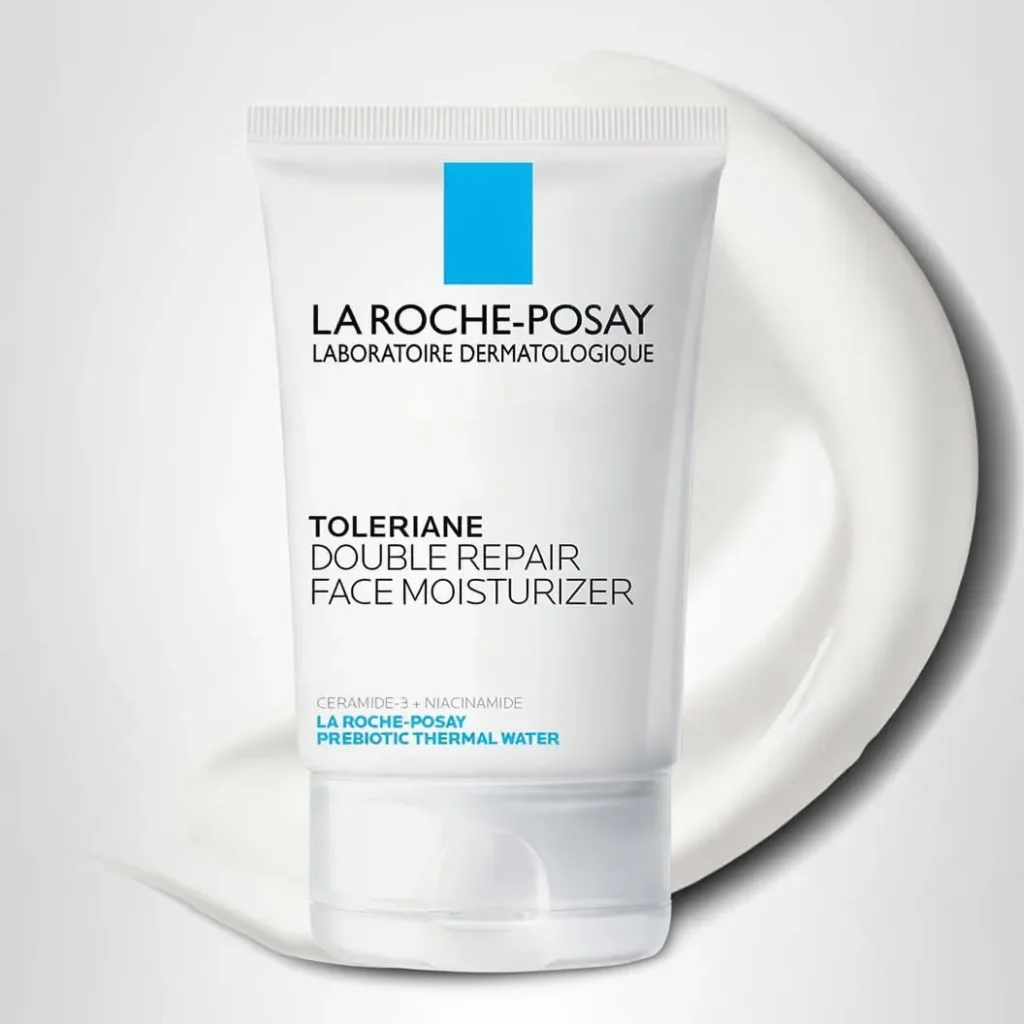
2. La Roche-Posay Toleriane Double Repair Face Moisturizer (France)
Best for: Sensitive dry skin and those who need SPF
This lightweight cream combines ceramides, niacinamide, and prebiotic thermal water. The SPF 30 version provides daytime protection without the typical sunscreen heaviness.
Pros:
- Suitable for very sensitive skin
- Non-greasy finish works under makeup
- Strengthens skin microbiome
- Pump bottle is hygienic
- Dermatologist-tested
Cons:
- Pricier than drugstore options
- May not be rich enough for severely dry skin
- SPF version can leave slight white cast
This is your best option if dry skin comes with sensitivity and you want sun protection built into your moisturizer.
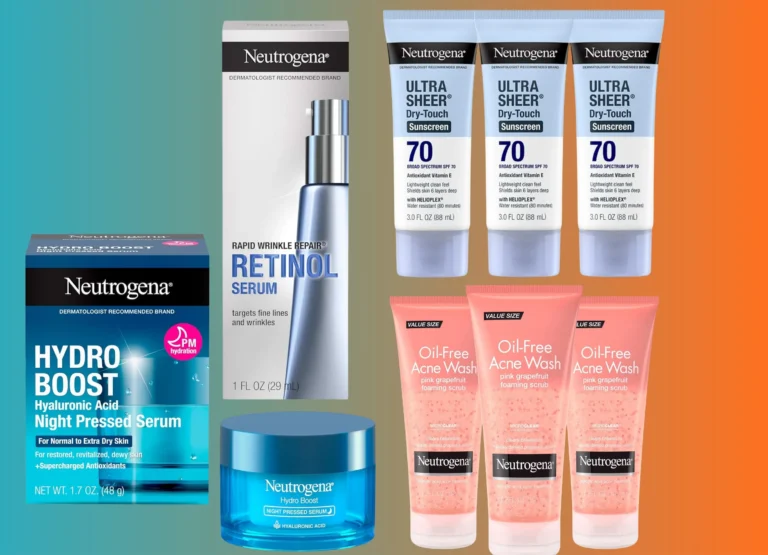
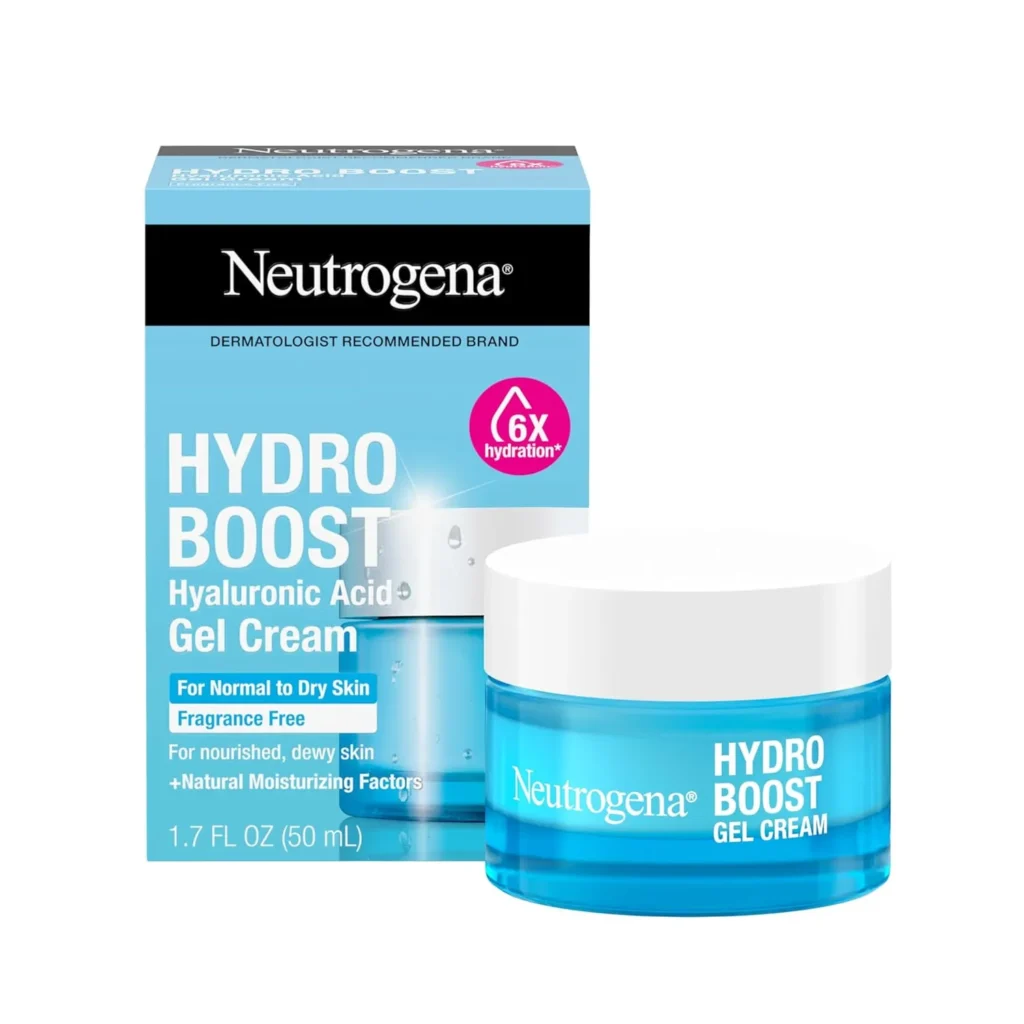
3. Neutrogena Hydro Boost Gel-Cream (United States)
Best for: Dehydrated skin that feels dry but looks oily
This gel-cream hybrid contains hyaluronic acid in a unique texture that feels lightweight but hydrates deeply. It’s designed for skin that needs water, not oil.
Pros:
- Absorbs instantly without residue
- Excellent under makeup
- Fragrance-free version available
- Non-comedogenic formula
- Good for combination-dry skin
Cons:
- Lacks ceramides for barrier repair
- Not rich enough for very dry or mature skin
- Needs reapplication in harsh weather
If your skin drinks up moisture but rejects heavy creams, this gel-cream offers serious hydration without the weight.
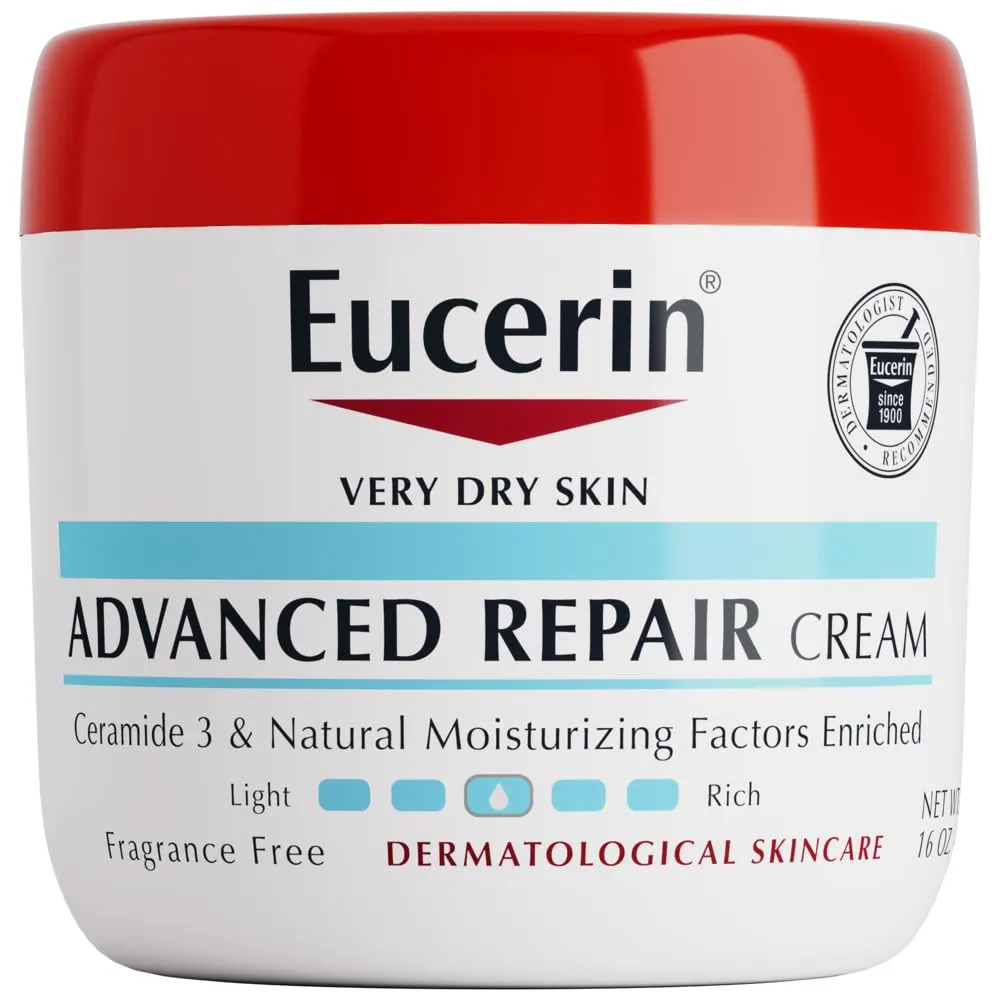
4. Eucerin Advanced Repair Cream
Best for: Extremely dry, rough, or mature skin
This intensive cream combines ceramides, natural moisturizing factors, and glucoglycerol. It’s pharmacy-grade hydration designed for skin that’s beyond just “a little dry.”
Pros:
- Immediate relief for severely dry skin
- Fragrance and dye-free
- Works on cracked, rough patches
- Visible improvement within 24 hours
- Can be used on body too
Cons:
- Very rich texture
- Takes longer to absorb
- Not ideal for daytime if you wear makeup
When regular moisturizers aren’t enough and your skin feels like sandpaper, this cream provides the intensive care needed.
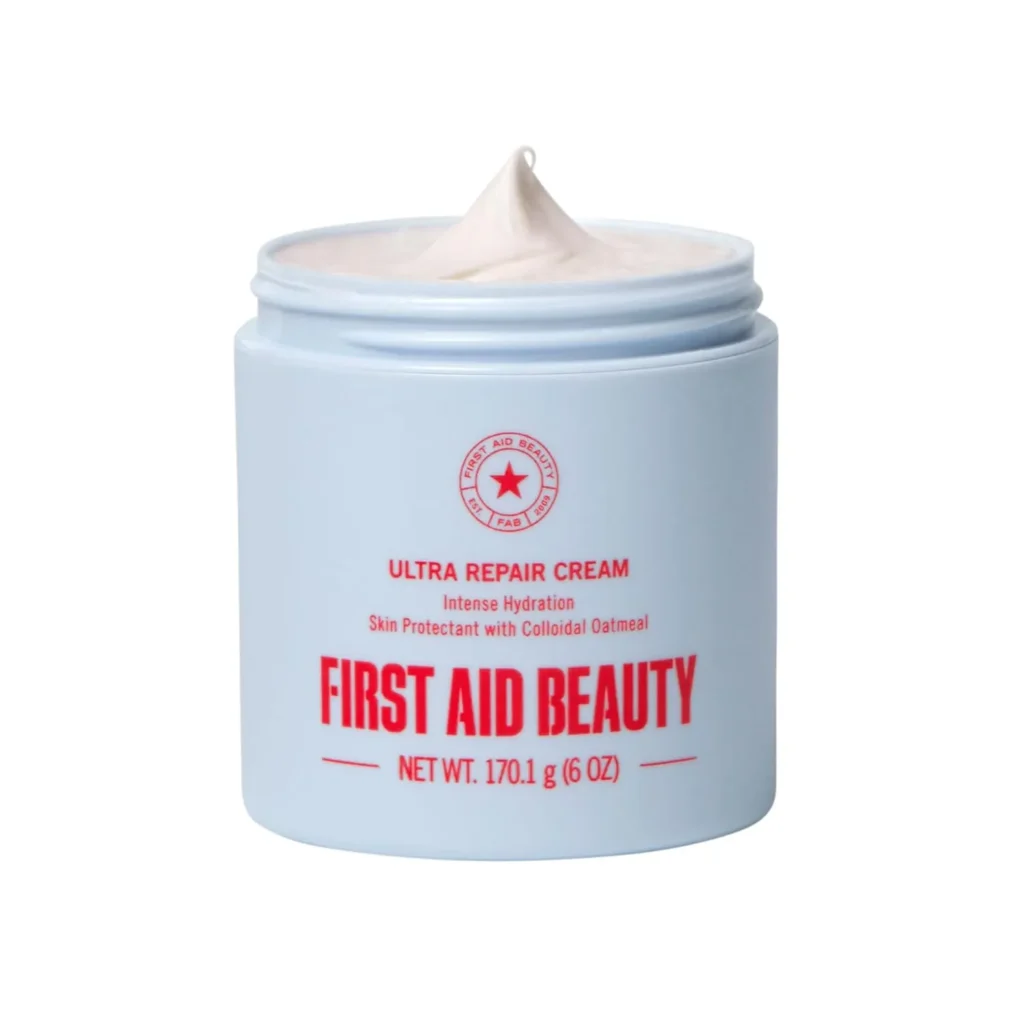
5. First Aid Beauty Ultra Repair Cream (United States)
Best for: Eczema, dry patches, and irritated skin barriers
This colloidal oatmeal-based cream soothes while it moisturizes. It’s beloved by people with chronic dryness and skin conditions that cause flaking and discomfort.
Pros:
- Immediately calms irritation
- Safe for eczema-prone skin
- Clean ingredient list
- Pleasant texture that absorbs well
- Works on face and body
Cons:
- Mid-range price point
- Contains fragrance (though skin-soothing)
- May need layering in extreme dryness
If dryness comes with redness, itching, or eczema flare-ups, this cream addresses both hydration and inflammation.
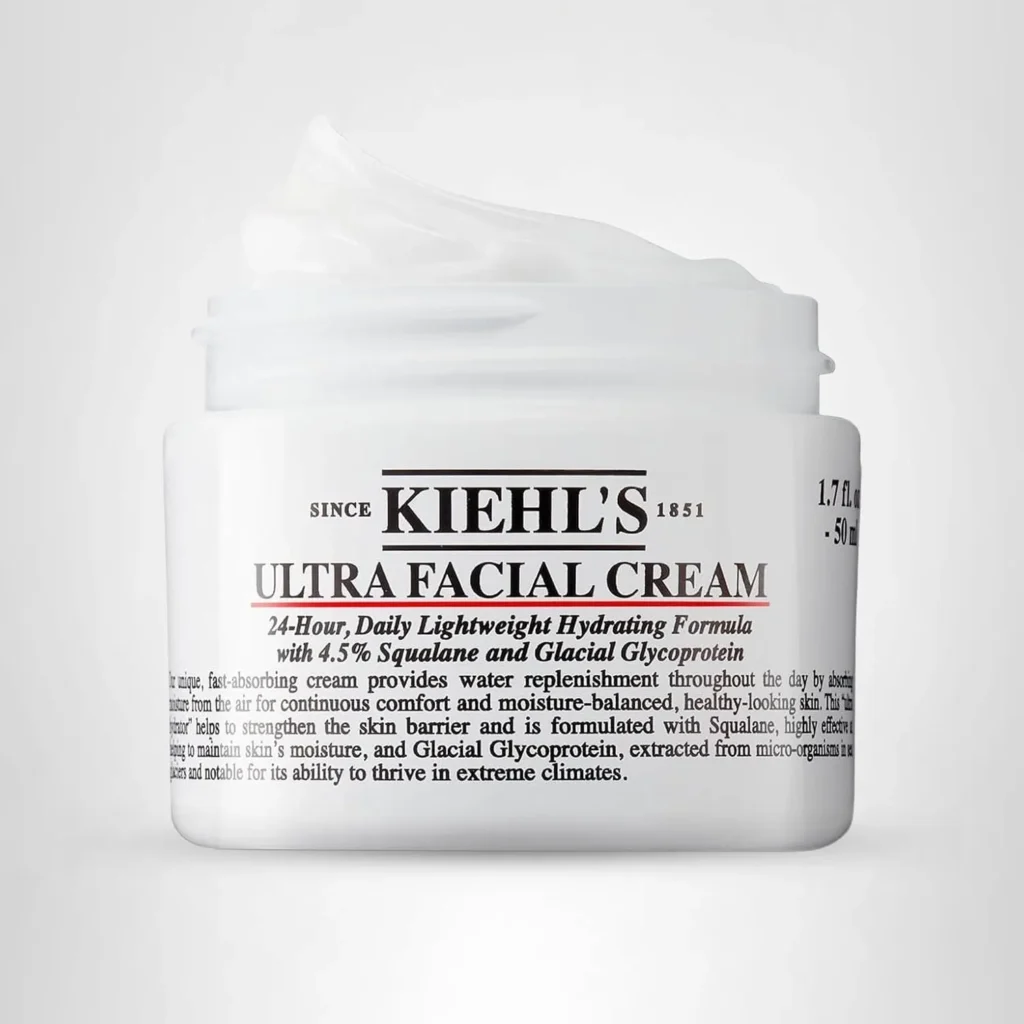
6. Kiehl’s Ultra Facial Cream (United States)
Best for: Year-round moisture for normal-to-dry skin
This lightweight cream uses squalane and glacial glycoprotein for 24-hour hydration. It’s balanced enough for daily use without overwhelming skin.
Pros:
- Comfortable texture for all seasons
- Works well under sunscreen and makeup
- Suitable for most skin types
- Non-greasy finish
- Minimal ingredient list
Cons:
- Higher price point
- Not intensive enough for very dry skin
- Fragrance may bother sensitive users
This is a reliable daily moisturizer for skin that’s dry but not severely compromised, offering consistent hydration without fuss.
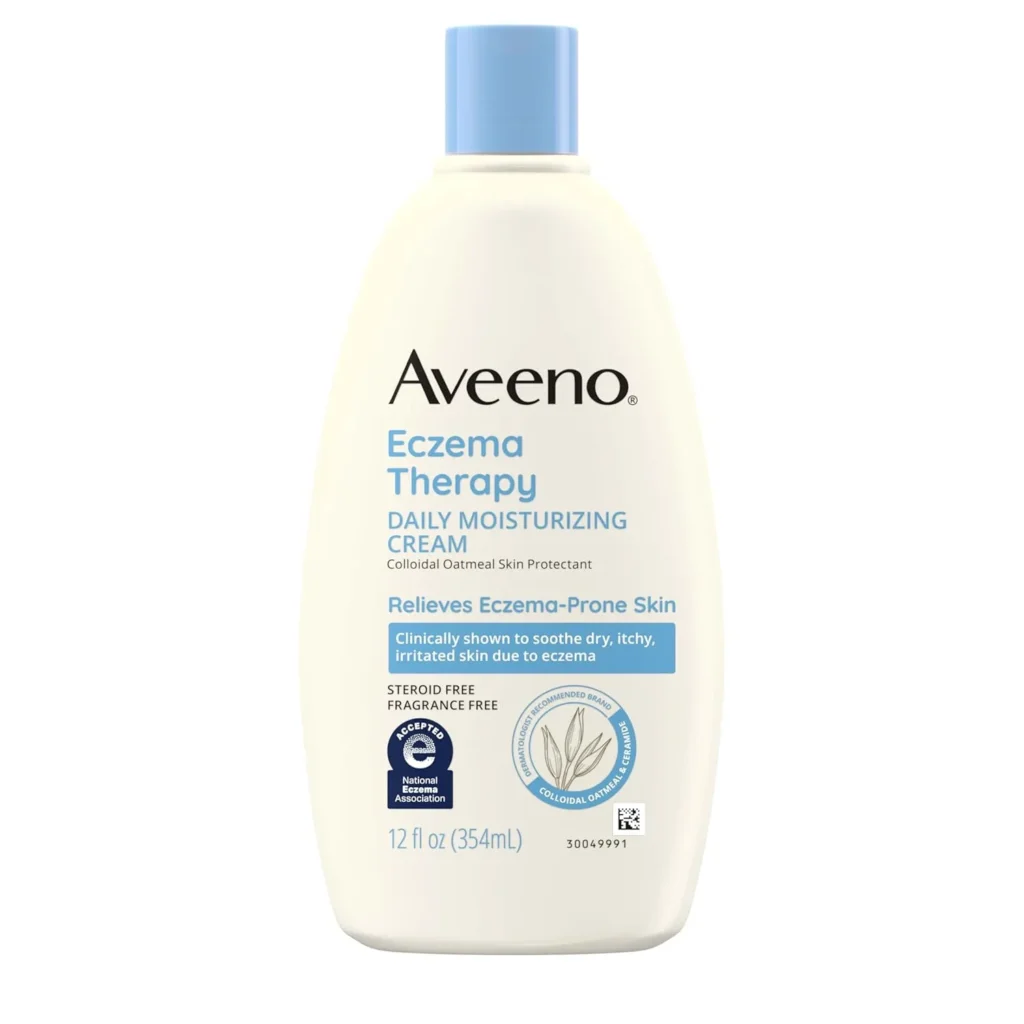
7. Aveeno Eczema Therapy Daily Moisturizing Cream (United States)
Best for: Persistent dryness with inflammation
Featuring colloidal oatmeal and ceramides, this steroid-free cream is formulated specifically for chronic dry skin conditions. It’s gentle enough for daily use but effective for problem skin.
Pros:
- Clinically proven for eczema
- Fragrance-free and gentle
- Reduces itching and redness
- Affordable pharmacy option
- Safe for children and adults
Cons:
- Thick consistency
- Takes time to fully absorb
- Plain packaging and texture
For skin that’s not just dry but chronically irritated, this therapeutic cream offers medical-grade relief without prescription requirements.
How to Use Face Cream for Maximum Benefit
Morning Routine:
- Cleanse with a gentle, creamy cleanser (not foaming)
- Apply hydrating toner or essence to damp skin
- While skin is still damp, apply face cream
- Wait 2-3 minutes, then apply sunscreen
Evening Routine:
- Double cleanse to remove makeup and sunscreen
- Apply any treatment serums to damp skin
- Layer face cream generously
- For extra dryness, add a facial oil on top
Pro Tips:
- Apply cream to damp, not dry skin—traps more moisture
- Use more product than you think you need
- Don’t skip your neck and chest
- Reapply throughout the day if needed
Choosing the Right Face Cream for Your Dry Skin
If you have mildly dry skin: Lighter creams with hyaluronic acid like Neutrogena Hydro Boost or Kiehl’s Ultra Facial Cream
If you have very dry skin: Rich barrier-repair creams like CeraVe or Eucerin with ceramides and occlusives
If you have sensitive dry skin: Fragrance-free, minimal ingredient formulas like La Roche-Posay or Aveeno
If you have eczema or dermatitis: Therapeutic creams with colloidal oatmeal like First Aid Beauty or Aveeno Eczema Therapy
If you need SPF: La Roche-Posay Toleriane with SPF 30 built in
FAQ
How often should I apply face cream for dry skin? Twice daily minimum—morning and night. In winter or dry climates, you may need midday reapplication or a heavier nighttime cream.
Can face cream alone fix dry skin? No. You also need gentle cleansing, lukewarm water (not hot), sunscreen daily, and sometimes a humidifier. Cream is essential but works best as part of a complete routine.
Why does my skin feel dry even after moisturizing? Your moisture barrier may be damaged, you’re using the wrong type of cream for your dryness level, or you’re applying to completely dry skin instead of damp skin.
Should I use different creams for day and night? Not necessary, but many people prefer lighter creams for daytime under makeup and richer creams for overnight repair when absorption time doesn’t matter.
How long before I see improvement? Immediate comfort within hours, visible texture improvement in 3-5 days, and real barrier repair in 2-4 weeks with consistent use.
Final Thoughts
The best face cream for dry skin is the one that matches your specific level of dryness and that you’ll actually use twice daily. Expensive doesn’t always mean better—some drugstore options outperform luxury brands for barrier repair.
Pay attention to ingredients, not marketing claims. Ceramides, hyaluronic acid, and occlusives should appear high on the ingredient list. Start with one product, use it consistently for at least two weeks, and adjust from there.
Dry skin improves with patience and the right support. Find your formula, stick with it through the adjustment period, and remember that building a healthy moisture barrier is a process, not an overnight fix.