Best face oils for dry skin in 2026
Dry skin isn’t just uncomfortable—it’s a daily struggle with flaking, tightness, and makeup that won’t sit right. Regular moisturizers often absorb quickly and leave you feeling parched again within hours. Face oils offer a different approach: they seal in moisture, nourish your skin barrier, and provide lasting comfort without the greasy aftermath you might expect.
Interest in face oils has surged as people realize that oil doesn’t always mean breakouts. In fact, the right oils can balance your skin’s natural oil production while delivering nutrients that creams alone can’t provide. For chronically dry skin, they’re often the missing piece.
Table of Contents
What Makes Face Oils Different from Moisturizers
Face oils work differently than water-based moisturizers. While creams add hydration to your skin, oils create a protective seal that prevents moisture loss. Think of moisturizer as filling a bucket and oil as putting a lid on it.
The best face oils contain fatty acids, vitamins, and antioxidants that penetrate deeply to repair your skin’s lipid barrier. This barrier is what keeps moisture in and irritants out. When it’s damaged—often from harsh weather, over-cleansing, or aging—your skin loses water faster than it can retain it.
Key Benefits of Using Face Oils for Dry Skin
- Long-lasting hydration that doesn’t evaporate like water-based products
- Improved skin texture with reduced flaking and rough patches
- Enhanced absorption of other skincare products when used correctly
- Natural barrier protection against environmental stressors
- Multi-purpose use for face, cuticles, and dry body spots
Best Face Oils for Dry Skin
1. The Ordinary 100% Organic Cold-Pressed Rose Hip Seed Oil
Best for: Overall dryness with uneven skin tone
Rose hip oil is rich in vitamins A and C, essential fatty acids, and antioxidants. It penetrates quickly without heaviness and helps fade dry patches while improving skin texture over time.
Pros:
- Lightweight texture suitable for layering
- Helps with both dryness and hyperpigmentation
- Extremely affordable for pure, quality oil
Cons:
- Shorter shelf life (6 months after opening)
- Earthy scent that some find off-putting
If you want an oil that hydrates while also working on skin tone and texture, this offers impressive results at a fraction of luxury prices.
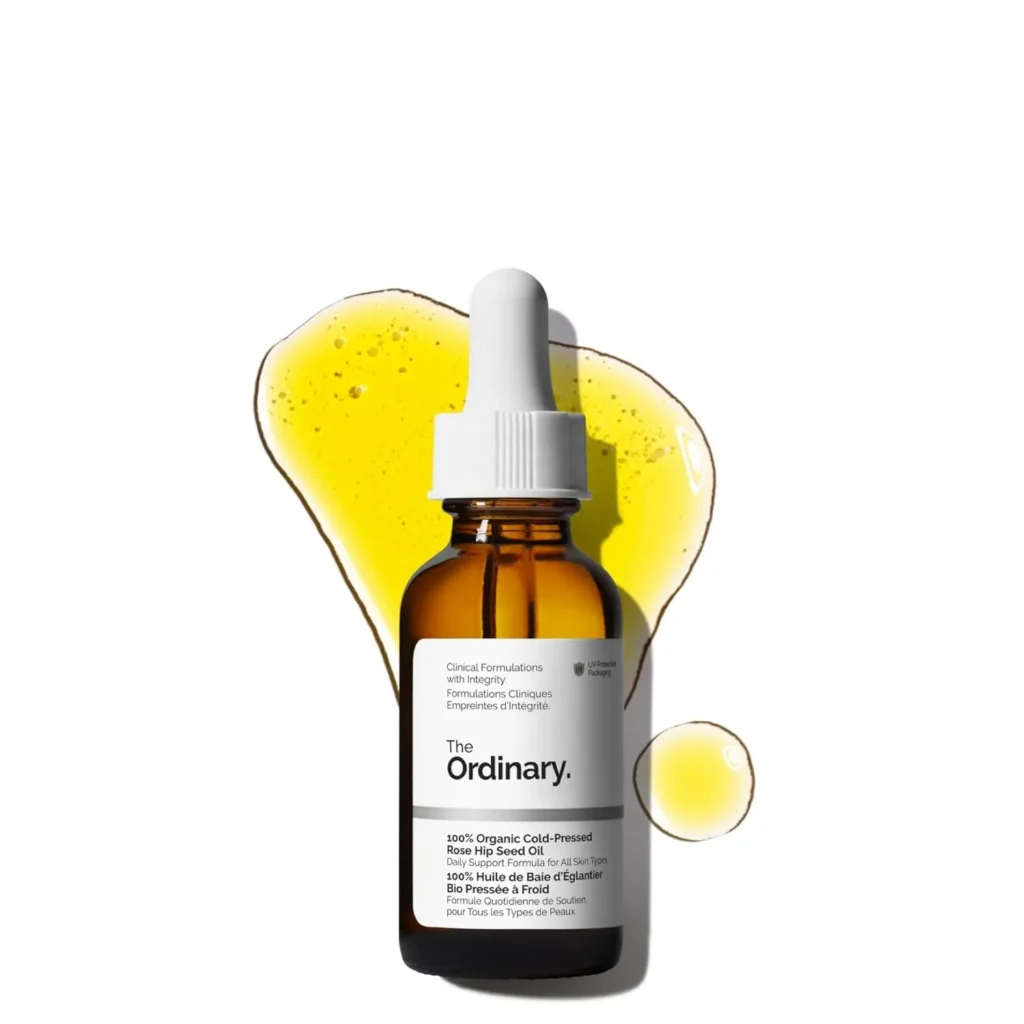
2. Drunk Elephant Virgin Marula Luxury Facial Oil
Best for: Severe dryness and anti-aging concerns
This single-ingredient oil from marula fruit is packed with omega fatty acids and antioxidants. It’s exceptionally lightweight yet deeply nourishing, absorbing quickly without any greasy residue.
Pros:
- Pure formulation with nothing added
- Works beautifully under makeup
- Suitable for sensitive dry skin
Cons:
- Premium price point
- Small bottle size (15ml or 30ml)
When your skin feels like it drinks up everything you apply and still feels tight, this oil provides the deep nourishment that actually sticks around.
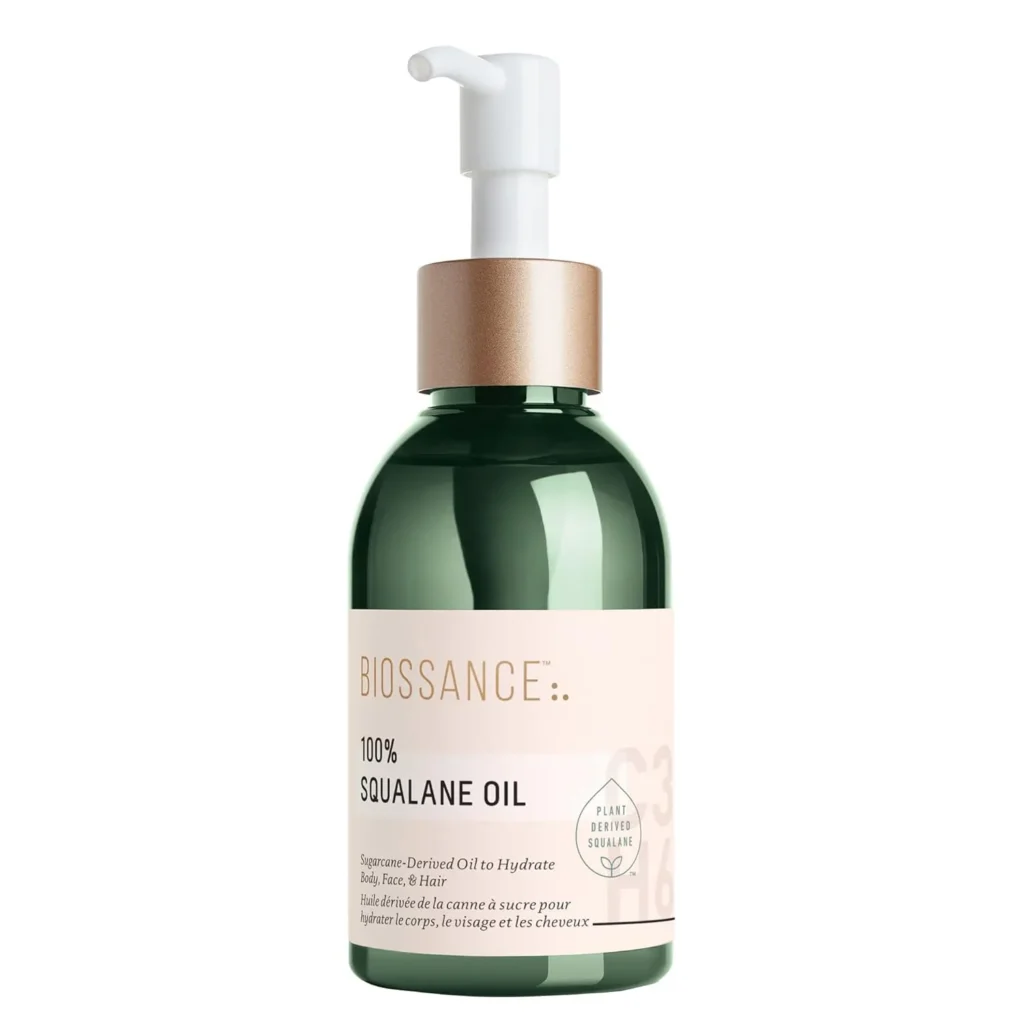
3. Biossance 100% Squalane Oil
Best for: Dehydrated skin that’s also sensitive
Squalane is a stable form of squalene, which your skin naturally produces but decreases with age. This plant-derived version (from sugarcane) mimics your skin’s natural oils, making it incredibly compatible.
Pros:
- Weightless feel that suits all skin types
- Non-comedogenic and hypoallergenic
- Stable formula that doesn’t oxidize
Cons:
- No additional active ingredients
- More expensive than multi-ingredient oils
If other oils have broken you out or felt too heavy, squalane offers hydration without any of the typical concerns.
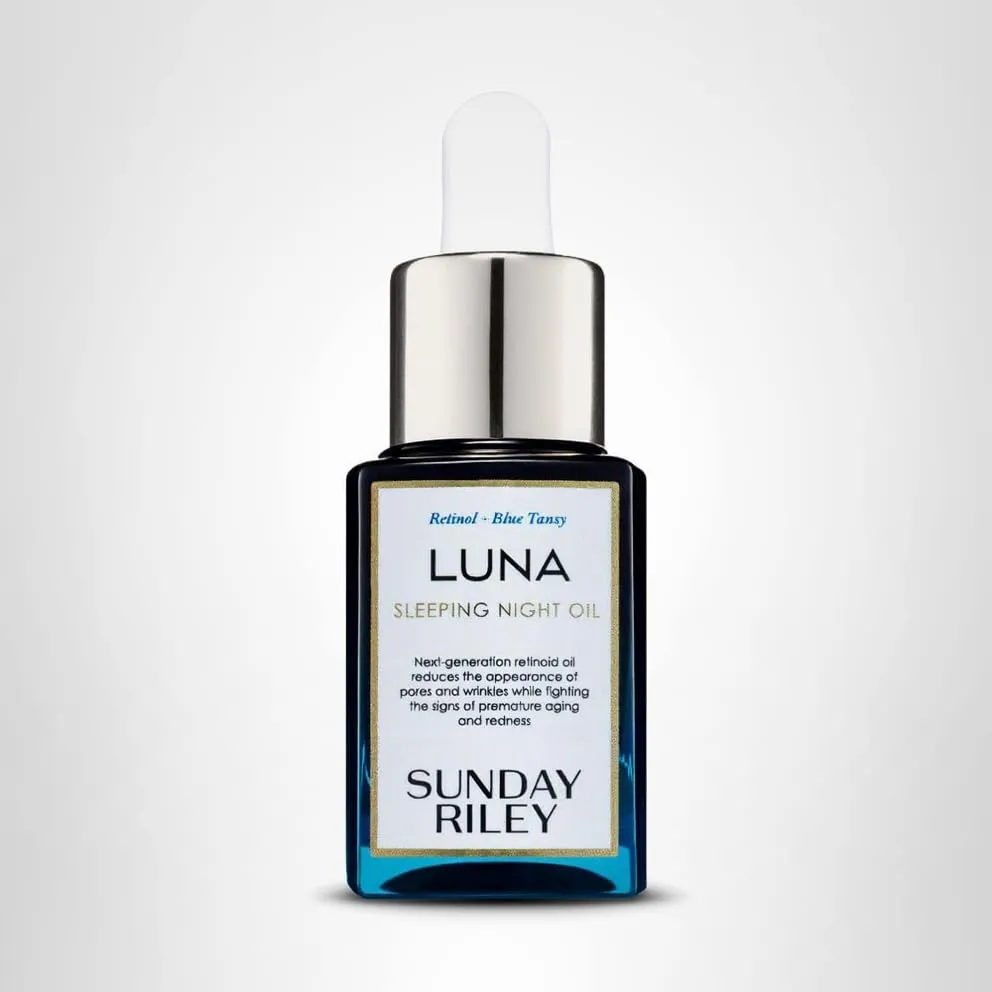
4. Sunday Riley Luna Sleeping Night Oil
Best for: Dry, mature skin needing renewal
This blue-hued oil combines retinol with nourishing botanicals for overnight repair. It addresses dryness while also working on fine lines and texture, making it ideal for aging dry skin.
Pros:
- Gentle retinol that doesn’t cause excessive dryness
- Comprehensive anti-aging benefits
- Pleasant natural scent
Cons:
- Expensive investment
- Not suitable if pregnant or nursing (contains retinol)
For those who want to tackle both dryness and aging concerns in one step, this delivers professional-level results at home.
CHECK THE PRICE ON AMAZON
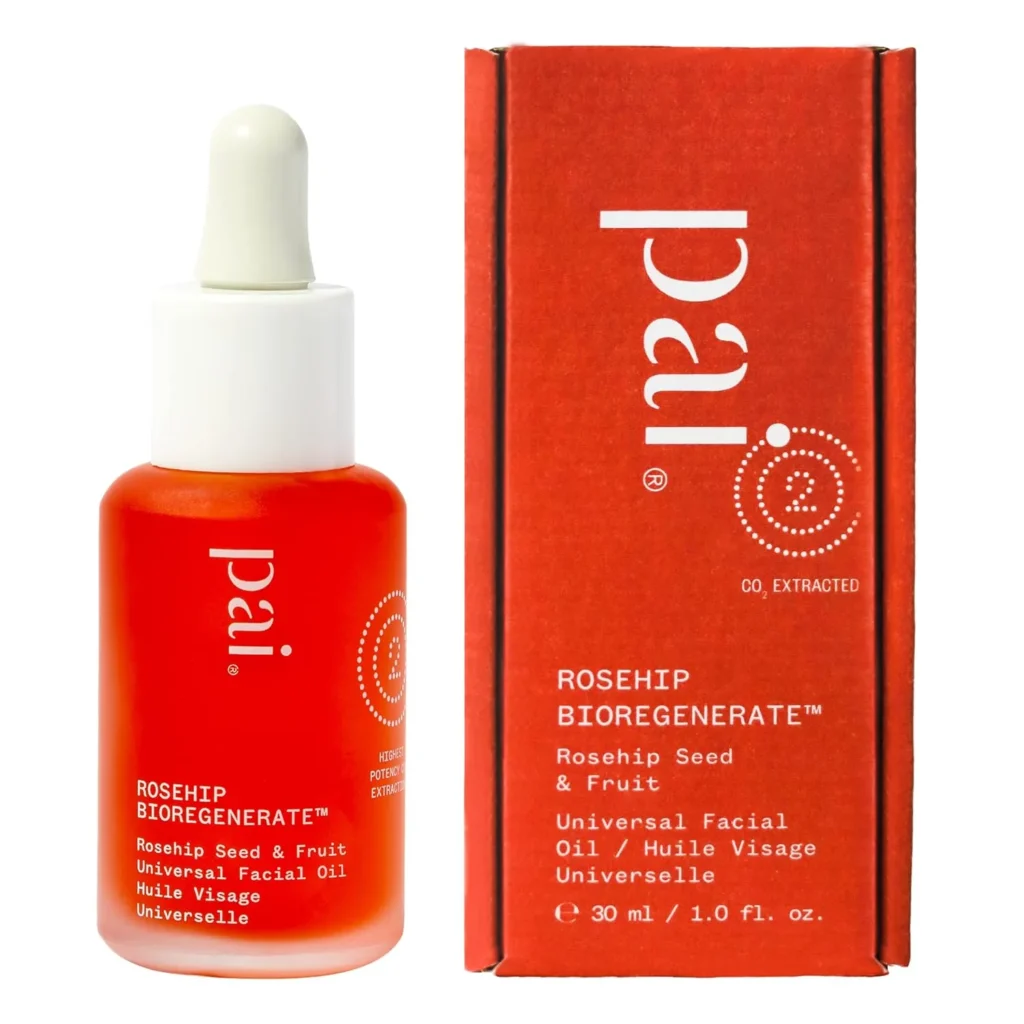
5. Pai Skincare Rosehip BioRegenerate Oil
Best for: Organic option for very dry, sensitive skin
This certified organic oil uses CO2 extraction to preserve the highest concentration of nutrients from rosehip seeds. It’s specifically formulated for compromised, dry skin that reacts to most products.
Pros:
- Certified organic with clean ingredients
- High concentration of omegas 3, 6, and 9
- Clinically tested on sensitive skin
Cons:
- Premium pricing
- Limited availability outside UK/Europe
If you prioritize clean beauty and need something gentle enough for reactive dry skin, this offers quality you can trust.
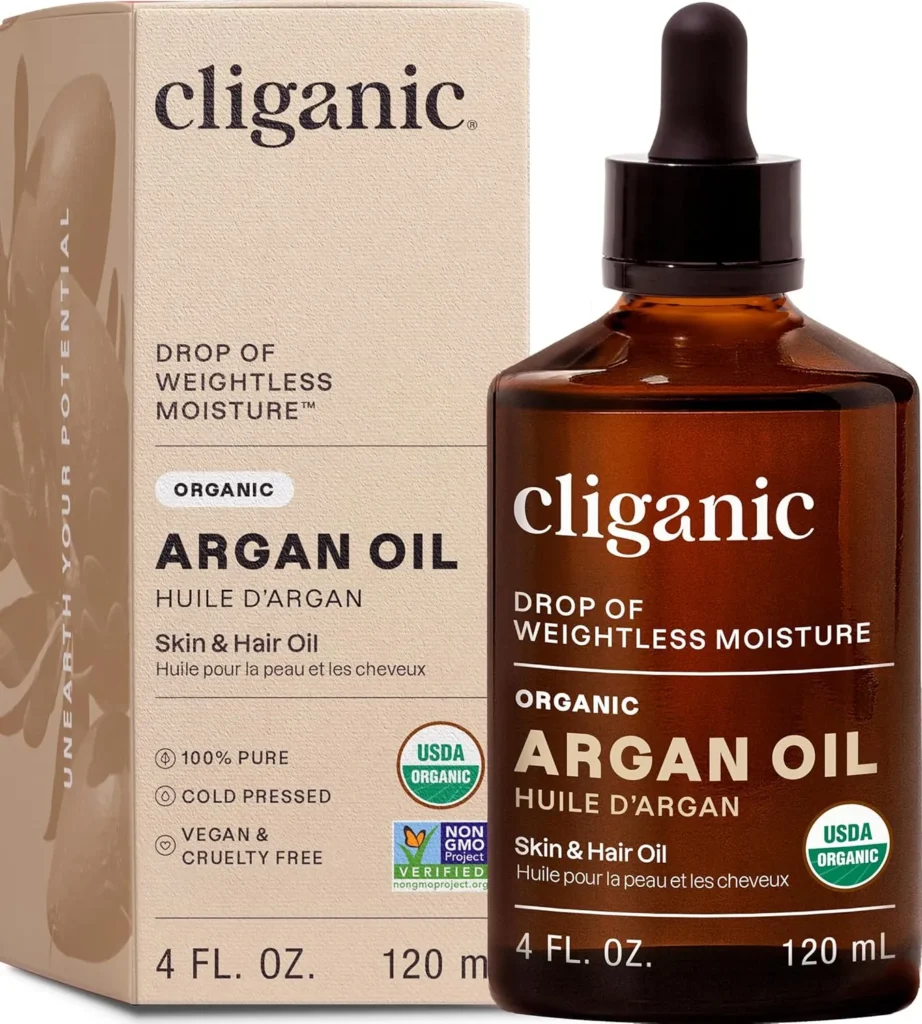
6. Argan Oil (Morocco) – 100% Pure, Cold-Pressed
Best for: Budget-friendly all-purpose hydration
Pure argan oil contains vitamin E, fatty acids, and antioxidants that deeply moisturize without clogging pores. It’s been used for centuries in Morocco and works beautifully on dry skin.
Pros:
- Affordable and widely available
- Multi-use (face, hair, body, nails)
- Naturally rich in nutrients
Cons:
- Quality varies significantly between brands
- Nutty scent isn’t for everyone
For those who want effective hydration without spending heavily, pure argan oil from a reputable source delivers excellent value.
How to Use Face Oils Correctly
Best Application Method:
- Cleanse and pat skin slightly damp (not dripping)
- Apply your water-based serums or treatments
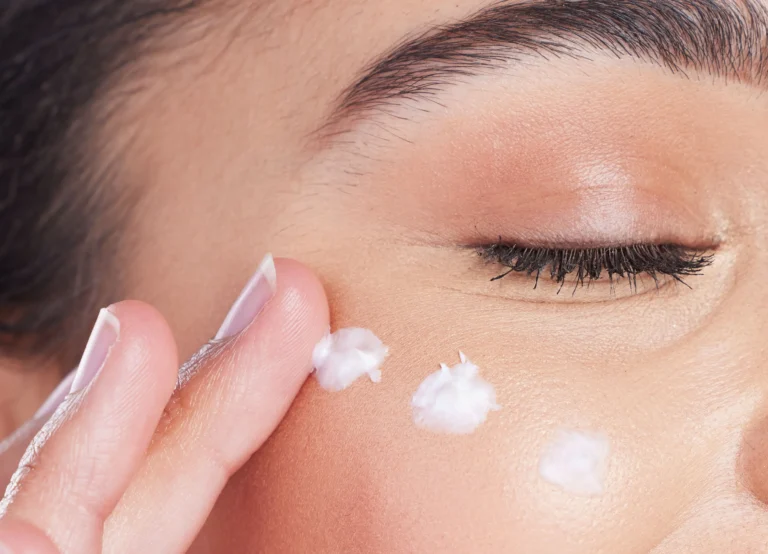
- Warm 2-4 drops of oil between your palms
- Press gently into skin—don’t rub aggressively
- Follow with moisturizer if needed (optional for very dry skin)
Timing matters: Use oils at night when your skin repairs itself. In the morning, use a lighter hand if you plan to wear makeup.
Layering tip: Oil goes after water-based products but before heavy creams. If your moisturizer is very light, you can mix a drop of oil directly into it.
Choosing Your Perfect Face Oil
If you have dry, mature skin: Look for oils with anti-aging benefits like rosehip, argan, or retinol-infused options.
If you have dry, acne-prone skin: Choose lightweight, non-comedogenic oils like squalane or jojoba that won’t clog pores.
If you have dry, sensitive skin: Stick with single-ingredient oils like squalane or certified organic options with minimal additives.
If you’re on a budget: Pure argan, jojoba, or rosehip oils from trusted brands offer excellent results without luxury pricing.
If you want quick results: Marula or squalane absorb fastest and show immediate improvement in skin texture.
Frequently Asked Questions
Won’t face oils make my skin more oily?
No. When your skin is dry, it often overproduces oil to compensate. Proper hydration with face oils can actually balance oil production over time.
Can I use face oil every day?
Yes, but start with 2-3 times per week and increase as your skin adjusts. Daily use works well for very dry skin, while moderately dry skin may prefer every other day.
Should I use oil morning or night?
Night is ideal for maximum absorption and repair. Morning use is fine, but use less and wait 5 minutes before applying sunscreen or makeup.
How much oil should I use?
Start with 2-3 drops. You can always add more, but using too much wastes product and can feel uncomfortable. A little goes a long way.
Can face oils replace my moisturizer?
For very dry skin, you might still need both—oil seals moisture but doesn’t add it. For moderately dry skin, oil alone may be enough, especially at night.
Do face oils expire?
Yes. Most last 6-12 months after opening. Store in a cool, dark place and watch for rancid smells or color changes.
Final Thoughts
Face oils aren’t a magic solution, but for persistently dry skin, they often provide the breakthrough you’ve been searching for. The key is finding one that matches your skin’s specific needs and using it consistently.
Start with one oil and give it at least 2-3 weeks before deciding if it works. Your skin needs time to adjust and show real improvement. Mix and match isn’t necessary—often, one good oil is all you need.
Disclaimer: Results depend on individual skin type, climate, and overall skincare routine. If dryness persists despite proper care, consult a dermatologist to rule out underlying conditions like eczema or dermatitis.