Best Korean Skincare Products in 2026
Korean skincare has moved from niche curiosity to mainstream staple — and for good reason. If you’ve noticed more glass-skin tutorials and “K-beauty” hashtags lately, you’re not imagining it. This is a shift in how people approach skin health: prevention over correction, hydration over coverage, and long-term consistency over overnight fixes. The challenge is that the K-beauty market is enormous, and not everything deserves the hype. This guide focuses on what actually works, why it works, and which products are worth your money.
Table of Contents
What Makes Korean Skincare Different
Korean skincare isn’t defined by one magic ingredient. It’s defined by a philosophy: treat your skin like an organ worth caring for, not a surface to cover up.
Most K-beauty formulas are built around gentle, layered hydration. Instead of heavy creams that sit on the surface, products like essences and serums deliver moisture deep into the skin using lightweight molecules — hyaluronic acid, centella asiatica, and fermented extracts.
The results aren’t immediate, but they’re cumulative. Consistent use over weeks tends to improve texture, reduce redness, and strengthen the skin barrier — the protective layer that keeps irritants out and moisture in.
Key Benefits
- Strengthens the skin barrier over time with minimal irritation
- Lightweight hydration that doesn’t clog pores or feel greasy
- Calms inflammation and reduces redness with ingredients like centella asiatica
- Supports even skin tone without harsh bleaching agents
- Layers cleanly under sunscreen and makeup without heaviness
- Fragrance-free options are widely available, even at budget price points
Best Korean Skincare Products
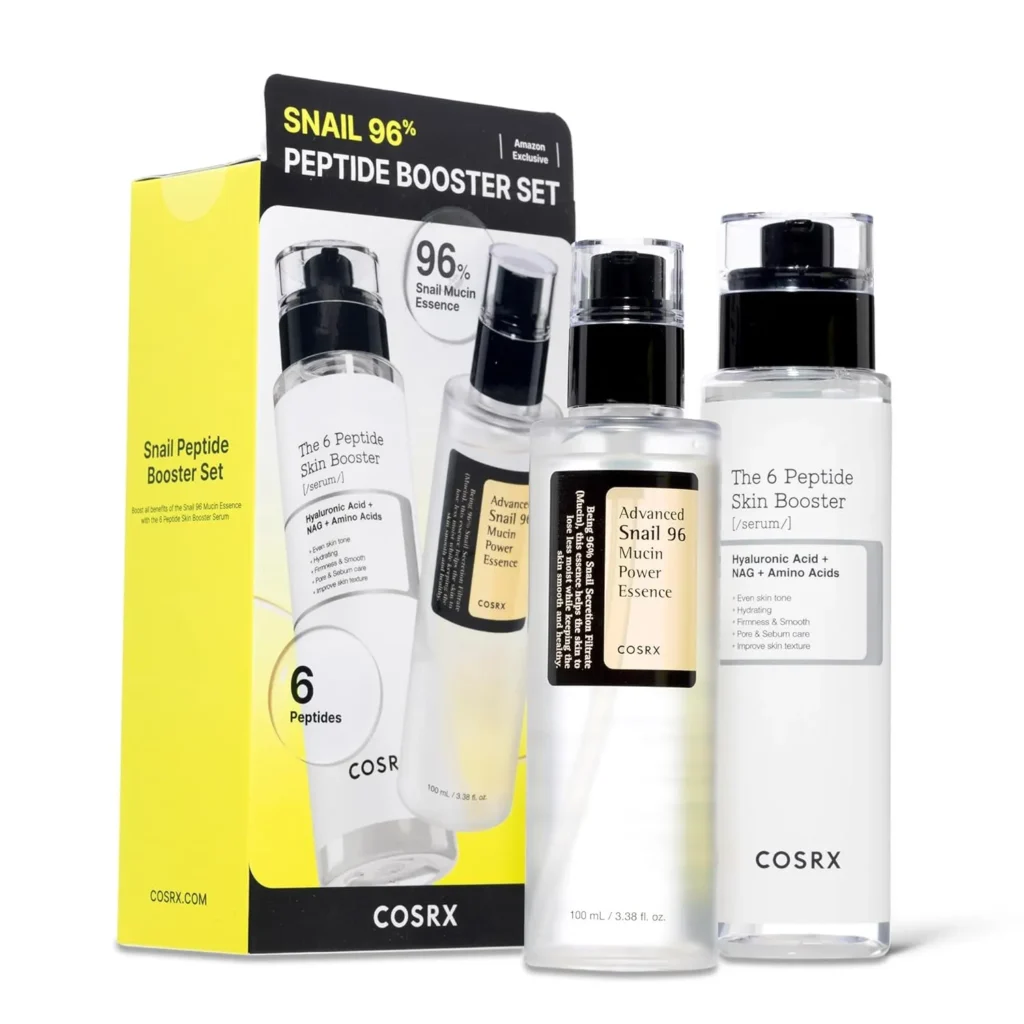
1. COSRX Snail Mucin 96% Power Repairing Essence
Origin: South Korea Best for: Dry, damaged, or post-acne skin
This essence contains 96% snail secretion filtrate — unusual, but well-supported by evidence. It works by boosting the skin’s natural moisture retention, supporting healing, and fading hyperpigmentation left by breakouts. The texture is slightly tacky but absorbs well when patted onto damp skin.
Pros:
- Very high active concentration for the price
- Works well on most skin types
- Free of fragrance and alcohol
- Affordable for the bottle size
Cons:
- Tacky texture may feel heavy on oily skin
- Not vegan (animal-derived ingredient)
- Results take 4–6 weeks to appear
If you’re rebuilding a damaged or sensitized skin barrier, this is a genuinely solid place to start.
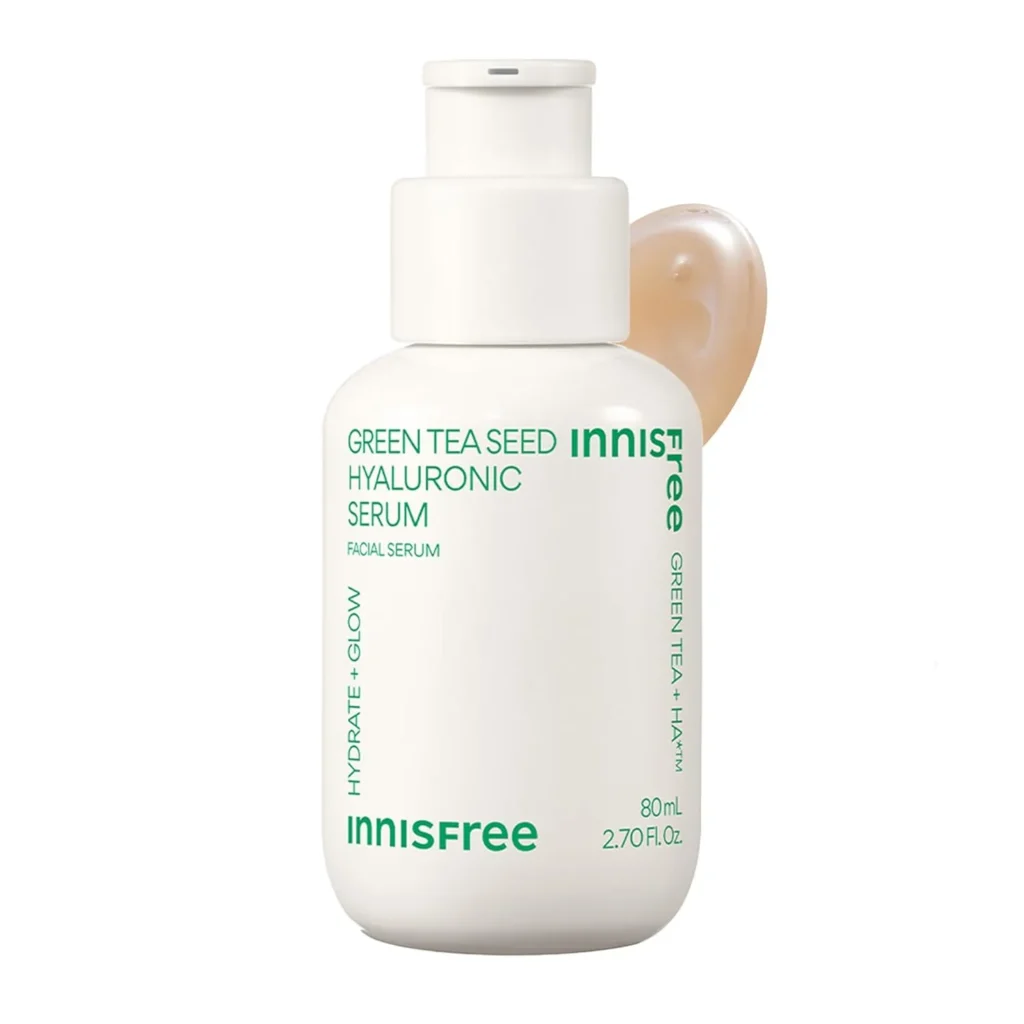
2. Innisfree Green Tea Seed Serum
Origin: South Korea Best for: Dehydrated, combination, or dull skin
Formulated with Jeju green tea extract and hyaluronic acid, this serum targets dehydration — the kind that shows up as flakiness even on oily skin. The green tea provides antioxidant support while maintaining sustained moisture throughout the day. It layers cleanly under sunscreen and makeup with no pilling.
Pros:
- Lightweight, non-sticky finish
- Suitable for both morning and night use
- Gradual brightening effect over time
Cons:
- Contains mild fragrance
- May not be enough hydration alone for very dry skin
- Sits in the mid-range price point
A reliable everyday serum that earns its place in a simple, low-effort routine.
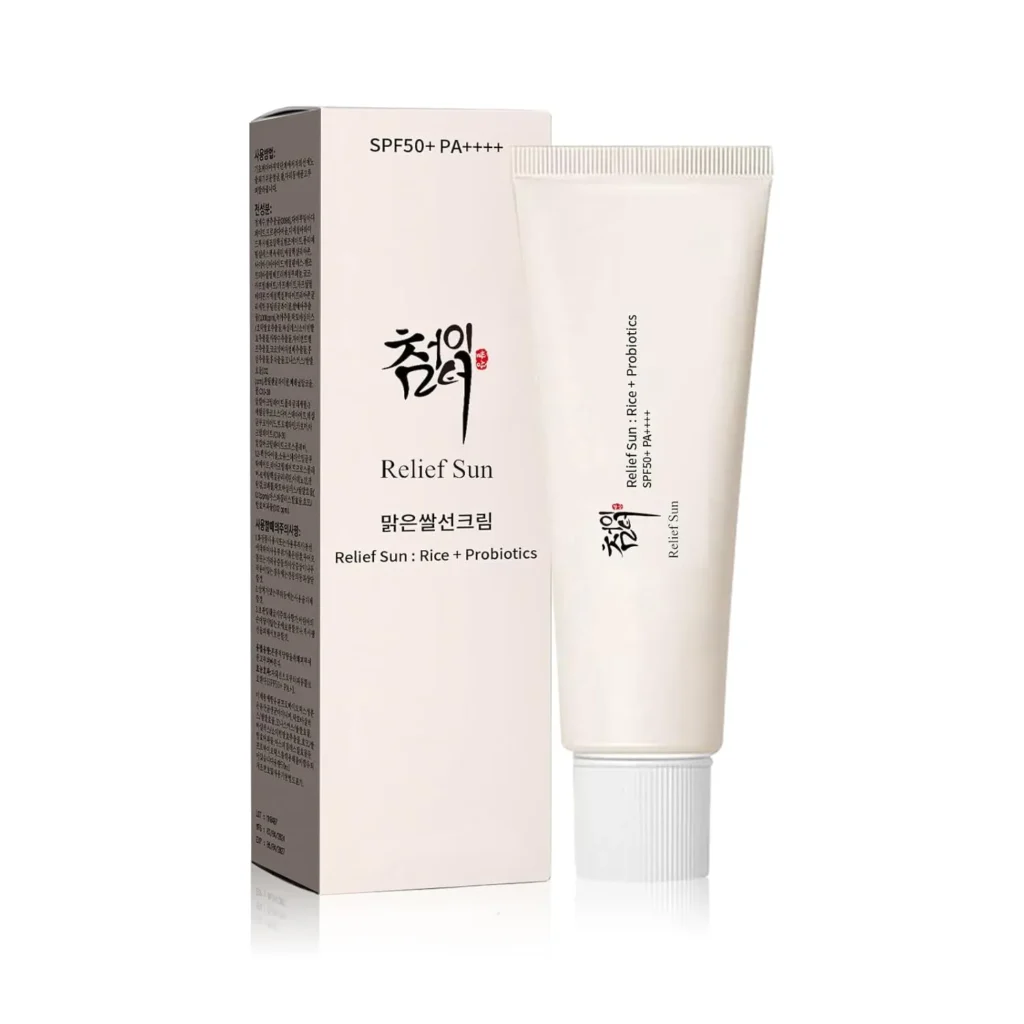
3. Beauty of Joseon Relief Sun: Rice + Probiotics SPF50+
Origin: South Korea Best for: All skin types, especially sensitive or acne-prone
Korean sunscreens have a devoted following because they sidestep the thick, white-cast formula most Western SPFs are known for. This one uses a hybrid filter system with rice bran and probiotic extracts to soothe while protecting. It finishes matte and sits comfortably under makeup.
Pros:
- Minimal white cast on light to medium skin tones
- Comfortable enough for everyday wear
- Calming for reactive or sensitized skin
- Serum-like, elegant finish
Cons:
- May still cast slightly on deeper skin tones
- Not water-resistant — reapplication needed after swimming
- Requires mid-day reapplication for full-day protection
If you’ve been skipping SPF because of texture, this is the product most likely to change that habit.
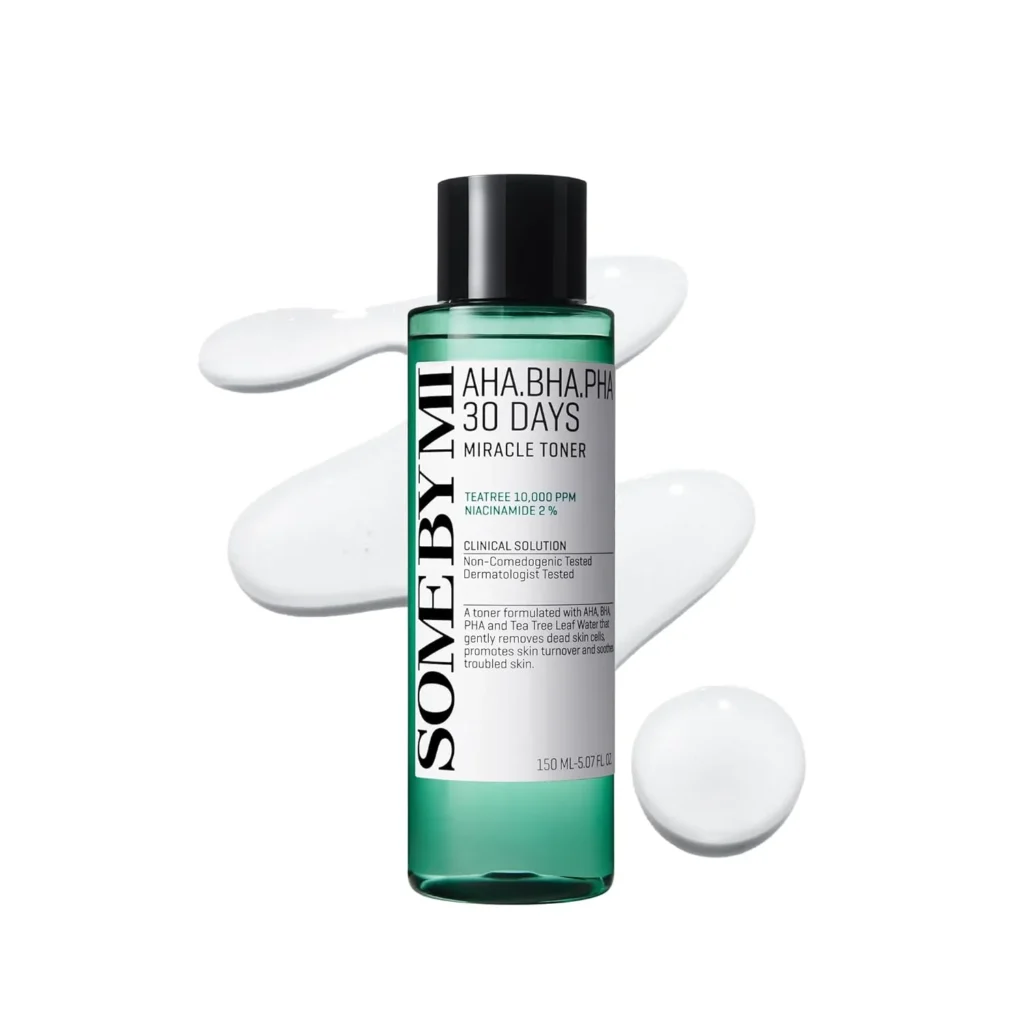
4. Some By Mi AHA BHA PHA 30 Days Miracle Toner
Origin: South Korea Best for: Oily, acne-prone, or congested skin
This exfoliating toner uses three acids — AHA for surface renewal, BHA to clear pores, and PHA for gentle resurfacing — alongside centella asiatica to offset irritation. It works best as a 2–3 times per week treatment rather than a daily step, especially for those managing breakouts and uneven texture.
Pros:
- Multi-acid formula at an accessible price
- Visible improvement in texture and pore appearance
- Reduces post-acne marks over consistent use
Cons:
- Too strong for dry or sensitive skin
- Increases sun sensitivity — SPF is non-negotiable alongside it
- Not suitable for daily use
A focused treatment for oily skin that delivers real results without the price tag of clinical peels.
Simple Routine and Usage Guide
You don’t need 10 steps. A well-chosen 4-step routine used consistently will outperform an elaborate one used inconsistently.
Step 1 — Cleanse (morning and night) Use a gentle, low-pH cleanser. Avoid anything that leaves skin feeling “squeaky clean” — that sensation means the skin barrier has been stripped.
Step 2 — Treat (serum or essence) Apply your active product to clean, slightly damp skin. Pat gently — don’t rub. Allow 30–60 seconds for absorption before the next step.
Step 3 — Moisturize Seal in the serum with a moisturizer suited to your skin type. Gel creams work well for oily skin; richer barrier creams suit dry or sensitive types.
Step 4 — SPF (morning only) Apply a generous amount — roughly a quarter teaspoon for the face. Most visible skin aging is cumulative and largely preventable. This is the single most impactful step in any routine.
Choosing the Right Product
Dry skin: Prioritize the COSRX Snail Essence paired with a rich barrier cream. Avoid acid toners until hydration is restored.
Oily or acne-prone skin: Start with the Some By Mi toner two to three times per week alongside a lightweight gel moisturizer.
Combination skin: The Innisfree Green Tea Serum works well here — it hydrates without triggering excess oiliness in the T-zone.
Sensitive or reactive skin: Avoid acids entirely at first. Focus on centella-based products and the Beauty of Joseon sunscreen to build tolerance.
Mature or aging skin: Look for snail mucin, peptides, and consistent SPF use. Hydration and sun protection together are the most evidence-backed anti-aging combination available.
Frequently Asked Questions
Are Korean skincare products safe for all skin tones? Generally yes. Most K-beauty formulas are developed with sensitivity in mind. One exception: some sunscreens leave a white cast on deeper skin tones. Look for hybrid or chemical-filter options if this is a concern.
Do I need to follow all 10 steps? No. The 10-step routine is a framework, not a prescription. Most skin professionals suggest starting with 3–4 products and adding slowly. More steps don’t automatically equal better results.
How long before I see results? Hydration improvements often show within 1–2 weeks. Texture, tone, and acne scarring typically take 4–8 weeks of consistent use. Patience is genuinely part of the process.
Can I mix K-beauty products with my existing routine? In most cases, yes. The main thing to watch is layering active ingredients — don’t combine multiple acids or use retinol and vitamin C together in the same step. Introduce new products one at a time.
Where should I buy Korean skincare products? Authorized retailers and brand websites are the safest options. Platforms like YesStyle, Stylevana, and Amazon (verified sellers) carry legitimate products. Avoid suspiciously cheap listings — counterfeit products do exist in this category.
Final Thoughts
Korean skincare works best when approached as a long-term habit rather than a quick fix. The products in this guide are well-formulated, widely accessible, and backed by consistent user results — but no product works the same way for everyone.
Start simple. Be consistent. Give your skin time to respond before adding new products or switching routines. Small, steady changes tend to produce better outcomes than chasing the newest launch.
Results vary based on individual skin type, health, and lifestyle factors. This article is intended for informational purposes and does not replace advice from a qualified dermatologist.