what is the best lotion for menopausal dry skin
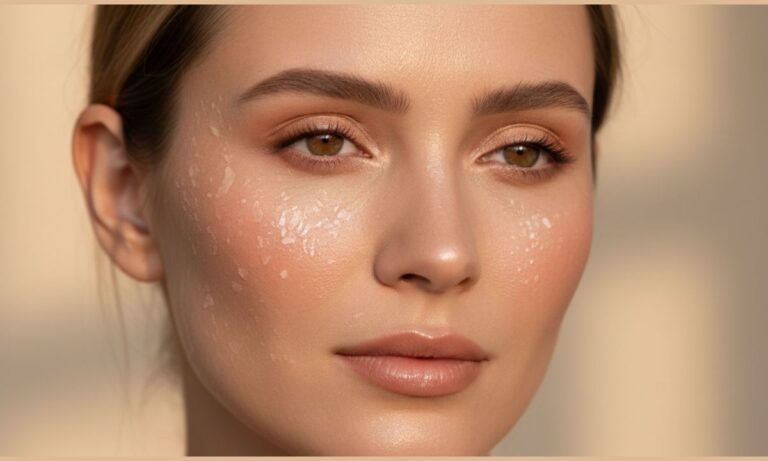
During menopause, estrogen levels drop — and your skin feels it almost immediately. The skin produces less natural oil, retains less water, and loses collagen faster than it did in your 30s and 40s. The result is persistent dryness, tightness, and sometimes a rough or crepe-like texture that regular body lotion just doesn’t fix.
More women are searching for targeted solutions now because the standard advice — drink more water, use any moisturizer — simply isn’t enough anymore.
Table of Contents
What Makes Menopausal Skin Care Different
Most everyday lotions are designed to add surface-level moisture. They feel good in the moment but don’t address the underlying issue: a compromised skin barrier that struggles to hold hydration in.
Lotions formulated for menopausal skin work differently. They typically combine humectants (which draw water into the skin), emollients (which soften and smooth), and occlusives (which seal everything in). Some also include ingredients like ceramides, peptides, or phytoestrogens that support barrier repair over time.
The goal isn’t a quick fix. It’s rebuilding your skin’s ability to stay hydrated on its own — which takes consistent use over several weeks.
Key Benefits of Using the Right Lotion
- Reduces the tight, itchy feeling that comes with estrogen-related dryness
- Helps restore softness to rough patches on elbows, knees, and shins
- Supports the skin barrier to reduce water loss throughout the day
- May improve skin elasticity with regular use over 4–8 weeks
- Reduces the appearance of crepey or thin-looking skin on arms and legs
- Provides comfort during temperature fluctuations and night sweats
Best Lotions for Menopausal Dry Skin
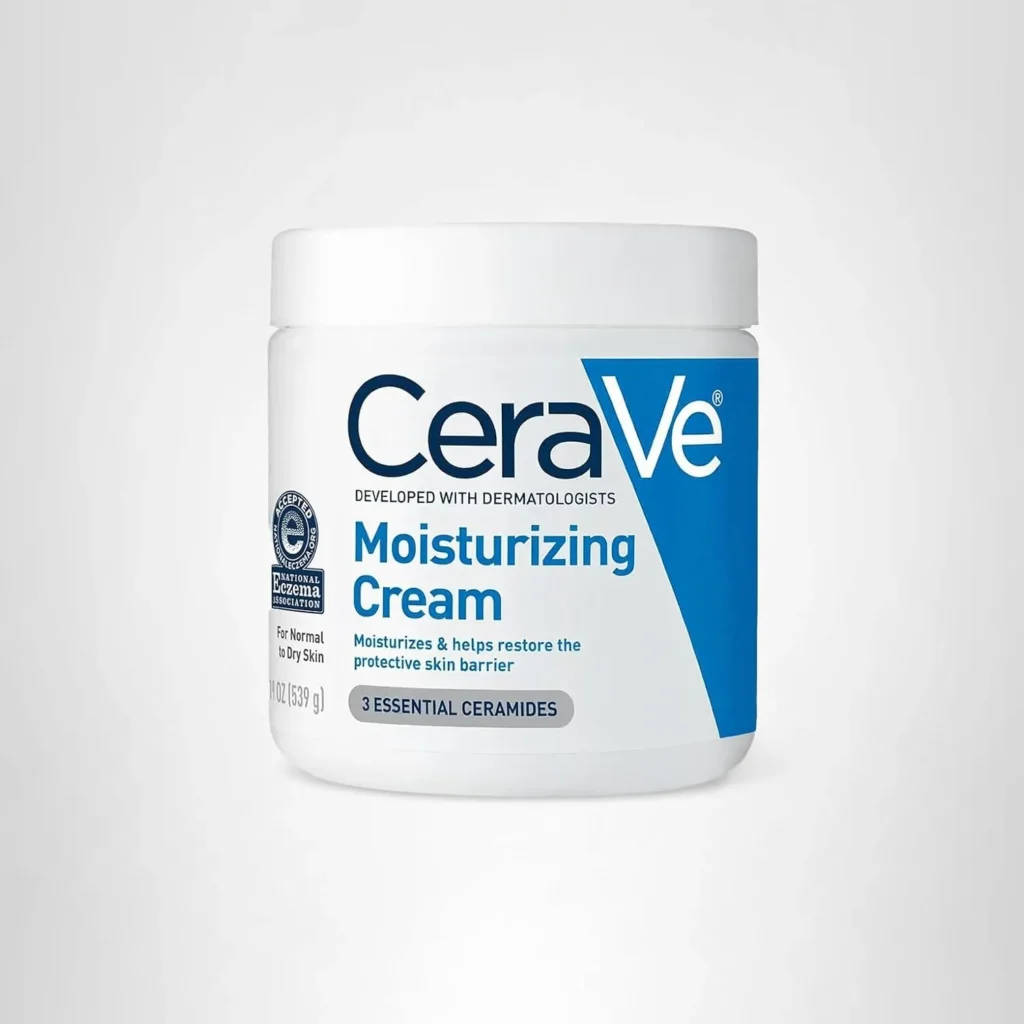
1. CeraVe Moisturizing Cream
Country of Origin: USA Best For: Chronic dryness, sensitive or reactive skin
CeraVe’s Moisturizing Cream contains three essential ceramides and hyaluronic acid in a formula developed with dermatologists. Ceramides are lipids that naturally occur in your skin barrier — and during menopause, your body produces fewer of them. This cream works by replenishing those ceramides while using MVE technology to release moisture gradually over 24 hours.
Pros:
- Fragrance-free and non-comedogenic
- Affordable and widely available
- Clinically tested; suitable for sensitive skin
Cons:
- Thick texture may feel heavy in warm weather
- Not specifically marketed for menopause, so some women overlook it
If you want a no-fuss, dermatologist-backed option that genuinely supports barrier repair, this is one of the most reliable starting points available.
2. Eucerin Original Healing Cream
Country of Origin: Germany Best For: Very dry, rough, or flaking skin
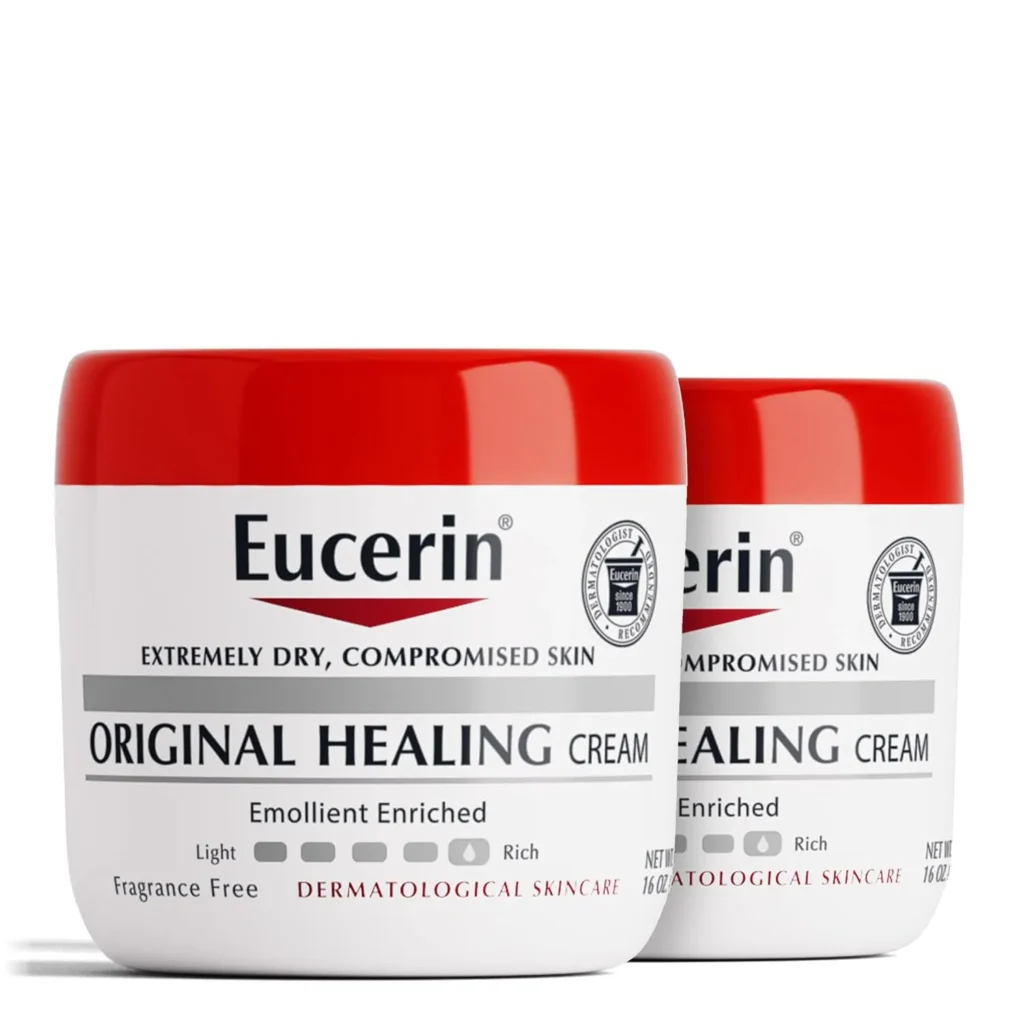
Eucerin’s formula uses a combination of mineral oil and petrolatum as occlusives, which are among the most effective ingredients for preventing water loss. It also contains glycerin as a humectant to draw moisture in. It’s a no-frills product, but its simplicity is part of its strength — fewer ingredients means fewer chances of irritation.
Pros:
- Extremely effective for severely dry areas
- Fragrance-free and suitable for eczema-prone skin
- Long-lasting with a small amount
Cons:
- Heavy, greasy texture that’s better at night
- Not ideal for full-body use in warmer climates
For women dealing with cracked heels, rough elbows, or intensely dry patches, Eucerin’s staying power makes it worth keeping in your routine.
3. Gold Bond Age Renew Crepe Corrector Body Lotion
Country of Origin: USA Best For: Crepey skin on arms, legs, and abdomen
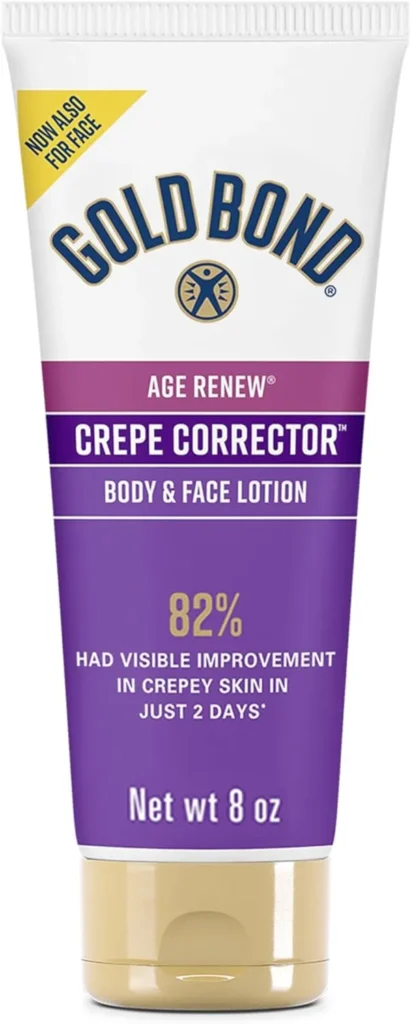
This lotion specifically targets the thin, crepe-like skin texture that often intensifies during and after menopause. It combines niacinamide, peptides, and shea butter to address both moisture and firmness. Niacinamide is well-researched for improving skin texture and tone, while peptides signal the skin to produce more collagen over time.
Pros:
- Addresses texture, not just dryness
- Absorbs reasonably well for a richer formula
- Available at most drugstores
Cons:
- Results take consistent use — expect 6–8 weeks
- Scented version may not suit very sensitive skin (unscented option available)
If crepey skin is your primary concern alongside dryness, this is one of the more honest over-the-counter options addressing both issues together.
4. Bonafide Revaree (or topical hyaluronic acid formulas)
Country of Origin: USA Best For: Vaginal dryness and intimate skin during menopause
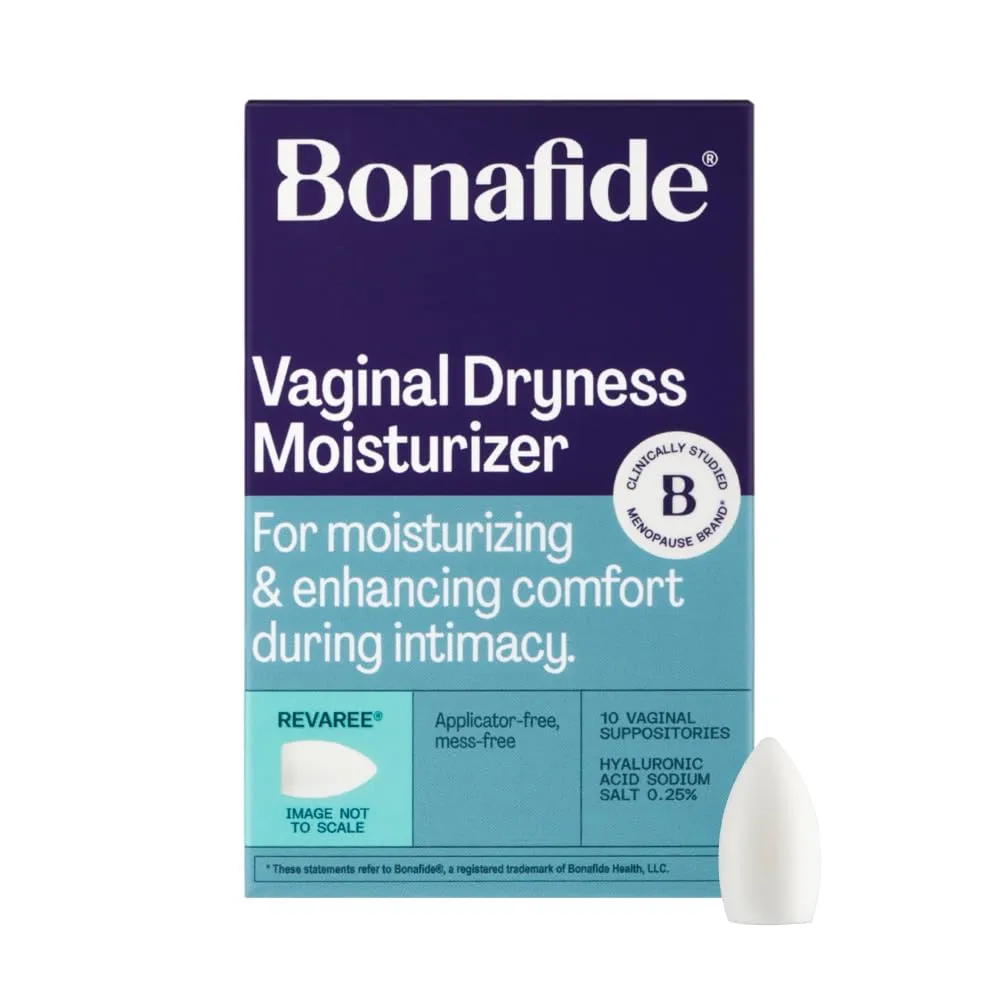
This category deserves mention because menopausal dryness isn’t limited to arms and legs. Revaree is a hormone-free suppository using hyaluronic acid to address vaginal dryness — one of the most common and underreported symptoms of menopause. It’s not a lotion in the traditional sense, but it belongs in a complete menopausal skin care conversation.
Pros:
- Hormone-free and clinically studied
- Addresses a concern many women are reluctant to discuss
- Non-messy format
Cons:
- Requires consistent use every few days
- Higher price point than topical lotions
If this is a concern for you, speaking with your gynecologist first is a sensible step — but knowing this option exists is genuinely useful.
A Simple Daily Moisturizing Routine
Morning:
- Shower or wash with a gentle, soap-free cleanser
- Pat skin almost dry — leaving a little dampness helps lock in moisture
- Apply lotion within 3 minutes of stepping out of the shower
- Focus on areas prone to dryness: shins, arms, décolletage, and hands
Evening:
- Apply a slightly richer lotion or cream to dry patches before bed
- Use socks or cotton gloves to seal in moisture on hands or feet if needed
- Consistency matters more than quantity — a thin, daily application beats an occasional heavy one
Choosing the Right Lotion for Your Skin Type
If your skin is very dry and flaky: Look for occlusive-heavy formulas (petrolatum, mineral oil) like Eucerin. Apply at night when your skin has time to absorb.
If your skin is sensitive or reactive: Fragrance-free ceramide-based creams like CeraVe are the safest starting point. Avoid anything with alcohol high on the ingredient list.
If texture and firmness are your main concern: Products with niacinamide and peptides, like Gold Bond Crepe Corrector, are better targeted to your needs.
If you prefer lighter textures: Look for lotion rather than cream formulations — same active ingredients, less occlusive weight. Useful in summer or humid climates.
Frequently Asked Questions
Can lotion replace hormone therapy for menopausal skin? No. Topical moisturizers help manage symptoms like dryness and roughness, but they don’t address hormonal changes. If your symptoms are significantly affecting quality of life, talk to your doctor about whether hormone therapy is appropriate for you.
How long before I see a difference? Most women notice initial softness within a few days, but meaningful improvement in texture and barrier function usually takes 4–8 weeks of consistent use.
Are natural or organic lotions better for menopausal skin? Not necessarily. “Natural” doesn’t automatically mean more effective or gentler. What matters is the ingredient list — ceramides, hyaluronic acid, glycerin, and niacinamide are effective regardless of whether the product is organic.
Should I avoid fragrance completely? It’s a good precaution, especially if your skin has become more reactive since menopause. Fragrance is one of the most common causes of contact dermatitis, and menopausal skin tends to be more sensitive than it was before.
Can I use a face moisturizer on my body? Technically, yes — but it’s not practical or cost-effective. Body skin needs larger quantities and benefits from slightly different formulations. Use a dedicated body product for daily use.
Final Thoughts
Managing menopausal dry skin is about building a consistent habit more than finding a miracle product. The right lotion can make a real difference in comfort, texture, and resilience — but it requires daily use and realistic expectations.
Start simple. Choose one product suited to your skin type, commit to it for at least four to six weeks, and evaluate from there.
Results vary depending on individual skin type, overall health, and how consistently a product is used. This article is for informational purposes only and is not a substitute for medical advice. If you’re experiencing significant skin changes during menopause, a consultation with a dermatologist is always worthwhile.