5 Best Organic Hair Care Products
More people are questioning what they put on their hair. Conventional products often contain sulfates, parabens, and synthetic fragrances that can strip natural oils and cause scalp irritation over time. Organic hair care has grown from a niche trend into a legitimate category backed by cleaner formulations and transparency about ingredients. If you’re tired of products that promise everything but deliver short-term shine at the cost of long-term hair health, this guide will help you choose smarter.
Table of Contents
What Makes Organic Hair Care Different
Organic hair care products use plant-based ingredients that work with your hair’s natural structure rather than against it. Instead of harsh detergents that strip everything away, these formulas rely on gentle cleansers derived from coconuts, sugar beets, or other botanical sources.
The difference isn’t always immediate. Your hair may go through a transition period as it adjusts from silicone-heavy products to natural alternatives. But over weeks, most people notice improved texture, less breakage, and a healthier scalp environment.
These products won’t perform miracles, but they do support your hair’s ability to repair and maintain itself without dependency on synthetic coatings.
Key Benefits of Switching to Organic Hair Care
- Gentler on sensitive scalps – Fewer synthetic irritants mean less inflammation and itching
- Better for color-treated hair – Sulfate-free formulas help preserve dye longevity
- Reduces buildup over time – Natural ingredients rinse cleaner without heavy residue
- Supports scalp microbiome – Preserves beneficial bacteria that keep your scalp balanced
- More sustainable sourcing – Many brands prioritize ethical harvesting and eco-friendly packaging
Best Organic Hair Care Products
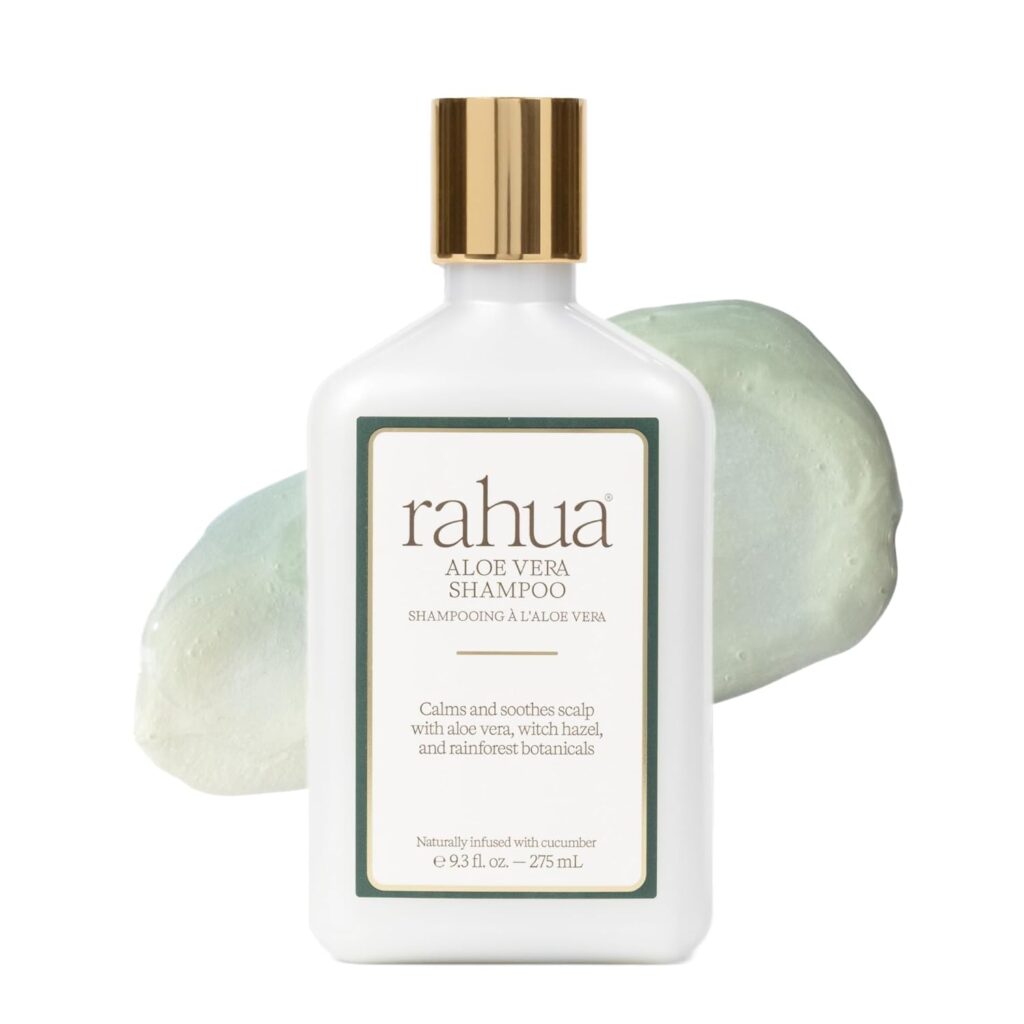
1. Rahua Classic Shampoo – Ecuador
Best for: Dry, damaged, or chemically treated hair
This shampoo centers around rahua oil, sourced from the Amazon rainforest. It’s rich in omega-9 fatty acids that penetrate the hair shaft rather than just coating it. The formula also includes quinoa for protein and natural saponins for gentle cleansing.
Pros:
- Noticeably softens coarse or brittle hair
- Minimal ingredients with clear sourcing
- Works well for weekly deep-cleaning without stripping
Cons:
- Higher price point than most organic brands
- Scent is subtle, which some may find too mild
- May feel too heavy for fine hair types
If your hair feels constantly thirsty no matter what you use, this is worth testing for at least a month to see real improvement.
2. Innersense Organic Beauty Pure Harmony Hairbath – USA
Best for: Sensitive scalps prone to irritation or flaking
This ultra-gentle cleanser uses coconut-based surfactants and tamanu oil to soothe inflammation. It’s one of the few organic shampoos formulated specifically for reactive scalps rather than just avoiding harsh ingredients.
Pros:
- Hypoallergenic and safe for eczema-prone skin
- Balances oil production without over-drying
- Certified organic by multiple third-party organizations
Cons:
- Low lather can feel unfamiliar at first
- Requires thorough rinsing to avoid any residue
- Not ideal if you use heavy styling products daily
If you’ve struggled with scalp issues that conventional dandruff shampoos only made worse, this offers a genuinely different approach.
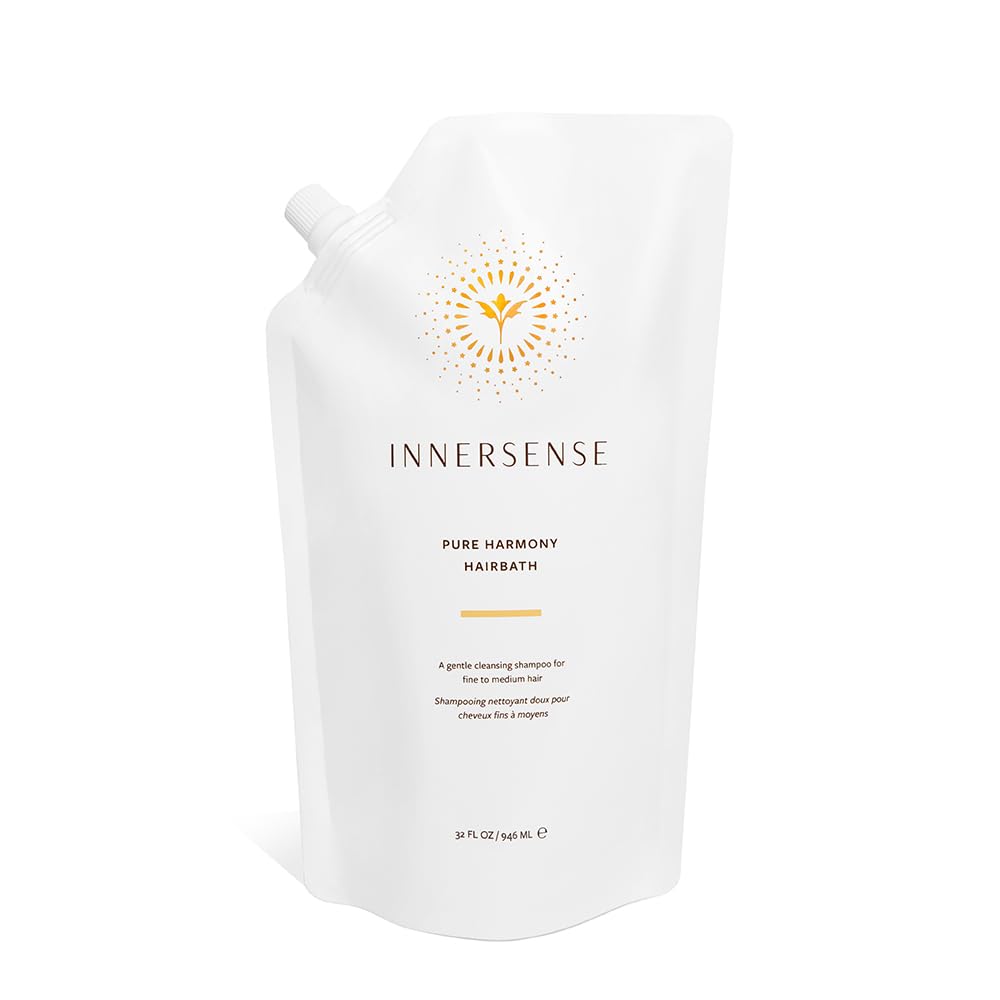
3. John Masters Organics Lavender Rosemary Shampoo – USA
Best for: Normal to oily hair that needs clarifying without stripping
This classic formula relies on decyl glucoside (a mild sugar-derived cleanser) and herbal extracts to remove buildup while maintaining moisture balance. Lavender and rosemary aren’t just for scent—they have natural astringent properties.
Pros:
- Effective for weekly clarifying without harsh sulfates
- Energizing scent that lingers subtly
- Works well in hard water areas
Cons:
- Can be too drying if used daily on already dry hair
- Rosemary oil may not suit everyone’s scent preference
- Packaging isn’t the most eco-friendly option
If your hair gets greasy quickly or you use a lot of styling products, this keeps things clean without the squeaky, stripped feeling.
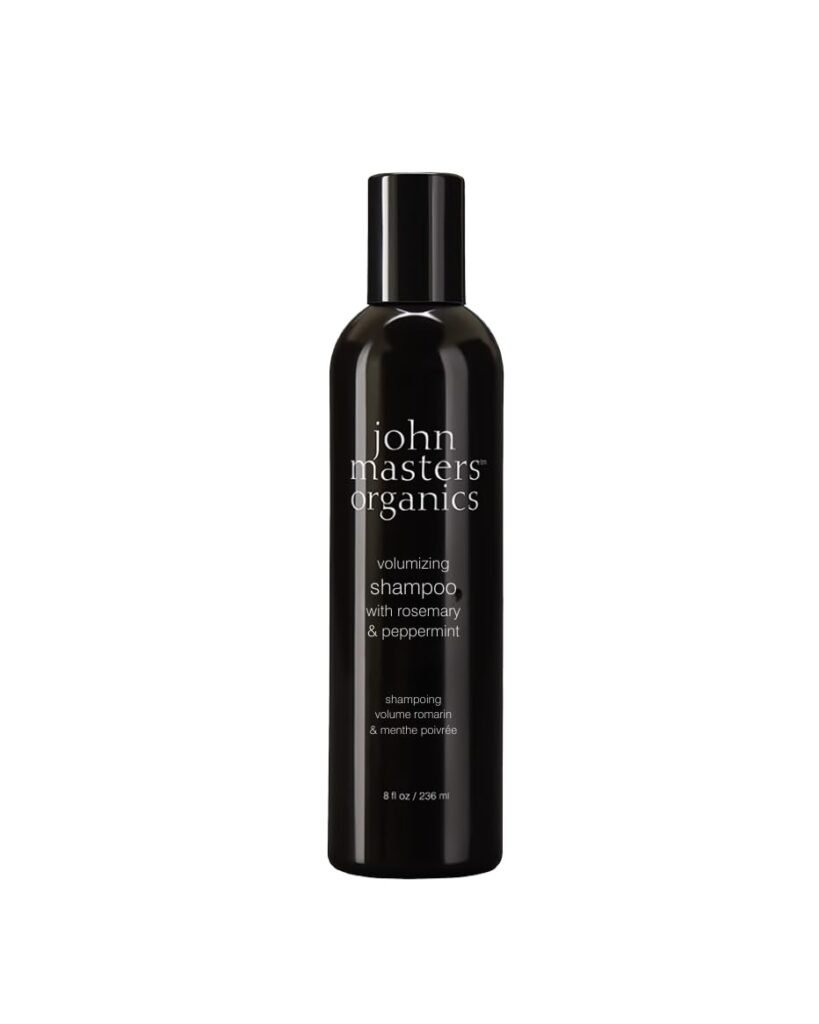
4. Acure Ultra Hydrating Shampoo – USA
Best for: Budget-conscious buyers who want certified organic without compromise
Acure offers genuinely clean formulations at drugstore prices. This shampoo uses argan oil and pumpkin seed oil to hydrate while a coconut-based cleanser handles dirt and oil. It’s USDA certified organic and vegan.
Pros:
- Affordable entry point into organic hair care
- Widely available in physical stores
- Gentle enough for daily use on most hair types
Cons:
- Not as concentrated, so you may use more per wash
- Results are solid but not dramatic compared to premium brands
- Some find the coconut scent too strong
If you’re not ready to invest heavily but want to test whether organic formulas work for you, start here.
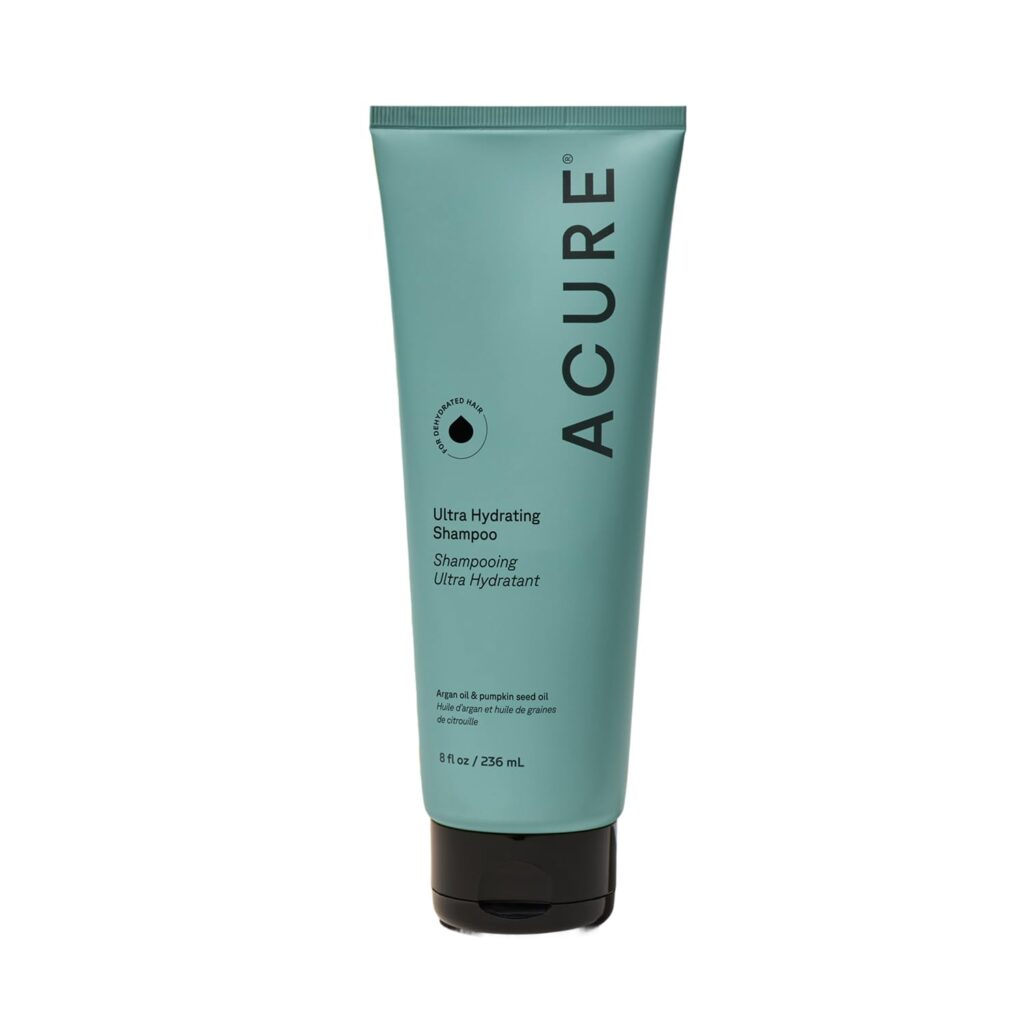
5. Josh Rosebrook Nourish Shampoo – USA
Best for: Anyone dealing with thinning hair or slow growth
This formula goes beyond cleaning—it includes horsetail extract (high in silica for strengthening) and nettle (known for supporting scalp circulation). The herbalist-designed blend targets the scalp environment as much as the hair itself.
Pros:
- Noticeable improvement in hair thickness over 2–3 months
- Handmade in small batches for freshness
- Works for both men and women with thinning concerns
Cons:
- Expensive and only available through select retailers
- Earthy herbal scent isn’t for everyone
- Thick consistency requires warm water for easy spreading
If hair loss or thinning is your main concern and you want a holistic approach, this is one of the few organic options that directly addresses it.
Simple Organic Hair Care Routine
Step 1: Wet hair thoroughly with warm water. Organic shampoos work best when hair is completely saturated.
Step 2: Use a small amount (quarter-sized for shoulder-length hair). Natural formulas are concentrated—less is more.
Step 3: Massage into scalp for 60–90 seconds. Focus on roots where oil and buildup accumulate.
Step 4: Rinse completely. Natural products need thorough rinsing to prevent any residue.
Step 5: Apply conditioner mid-length to ends only. Avoid the scalp unless you have very dry hair.
Step 6: Let conditioner sit for 2–3 minutes before rinsing with cool water to seal cuticles.
Step 7: Air dry when possible. Organic products work better when heat styling is minimized.
Choosing the Right Product for Your Hair Type
Dry or damaged hair: Look for oils like argan, jojoba, or babassu. Avoid products heavy in tea tree or peppermint, which can be drying.
Oily or fine hair: Choose lightweight formulas with rosemary, lemon, or grapefruit extracts. Avoid heavy butters like shea or cocoa.
Color-treated hair: Stick with sulfate-free and prioritize UV protection ingredients like sunflower seed extract.
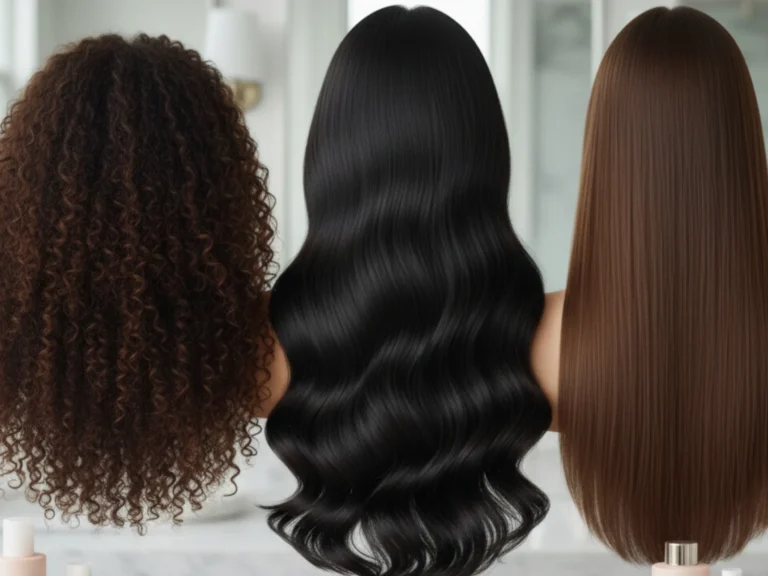
Curly or textured hair: Seek moisture-rich formulas with aloe, coconut, or marshmallow root. Avoid high-protein products if your hair is protein-sensitive.
Sensitive scalp: Fragrance-free or calendula-based formulas work best. Patch test behind your ear before full application.
Frequently Asked Questions
Do organic shampoos actually clean hair properly?
Yes, but they clean differently. Natural surfactants remove dirt and oil without stripping everything away. You may notice less lather, but lather doesn’t equal cleaning power.
How long does it take to see results?
Most people need 2–4 weeks as hair adjusts from silicones and synthetic coatings. Initial texture changes are normal and temporary.
Can I use organic products on color-treated hair?
Absolutely. Sulfate-free formulas actually help color last longer since they don’t strip as aggressively. Just confirm the product is specifically marked safe for color.
Are organic products safe for daily washing?
Most are gentler than conventional shampoos, but daily washing isn’t necessary for most hair types. Aim for 2–3 times per week unless you have very oily hair or exercise heavily.
Why are organic hair products more expensive?
Quality botanical ingredients cost more to source and process than synthetic alternatives. You’re also paying for ethical practices, smaller production batches, and often better ingredient integrity.
Final Thoughts
Switching to organic hair care isn’t about chasing perfection or believing in miracle transformations. It’s about choosing products that support your hair’s natural health rather than masking problems with temporary fixes.
Results vary based on your starting point, water quality, styling habits, and genetics. What works beautifully for one person might feel underwhelming for another. Give any new product at least a month before making final judgments.
These recommendations are based on ingredient quality and user experiences, but they’re not medical advice. If you have persistent scalp issues or hair loss, consult a dermatologist or trichologist for proper diagnosis.