Best Sensitive Skin Care Routine
Sensitive skin isn’t just about occasional redness or irritation—it’s a daily challenge that affects product choices, makeup application, and overall confidence. Many people with reactive skin feel frustrated cycling through products that promise gentleness but still cause stinging, flaking, or breakouts.
The skincare industry has finally caught up, offering scientifically-backed formulations designed specifically for compromised skin barriers. More dermatologists now emphasize that sensitive skin requires a minimalist approach focused on barrier repair rather than aggressive treatments. This guide provides a practical, evidence-based routine that calms inflammation and strengthens your skin’s natural defenses without unnecessary steps or risky ingredients.
Table of Contents
What Makes Sensitive Skin Different
Sensitive skin has a weakened protective barrier, making it more vulnerable to irritants, allergens, and environmental stressors. This compromised barrier allows moisture to escape and irritants to penetrate more easily.
The goal of a proper sensitive skin routine isn’t to “fix” your skin permanently—it’s to support and strengthen your natural barrier function over time. This means choosing products with proven calming ingredients, avoiding common triggers, and resisting the urge to over-treat. Consistent, gentle care yields better long-term results than constantly switching products or using harsh actives.
Key Benefits of a Proper Sensitive Skin Routine
- Reduced redness and inflammation through consistent barrier support
- Fewer reactive episodes when you eliminate common triggers
- Improved hydration retention as your barrier strengthens
- Better tolerance for active ingredients when introduced gradually
- Long-term resilience against environmental stressors
Best Products for Sensitive Skin: What Actually Works
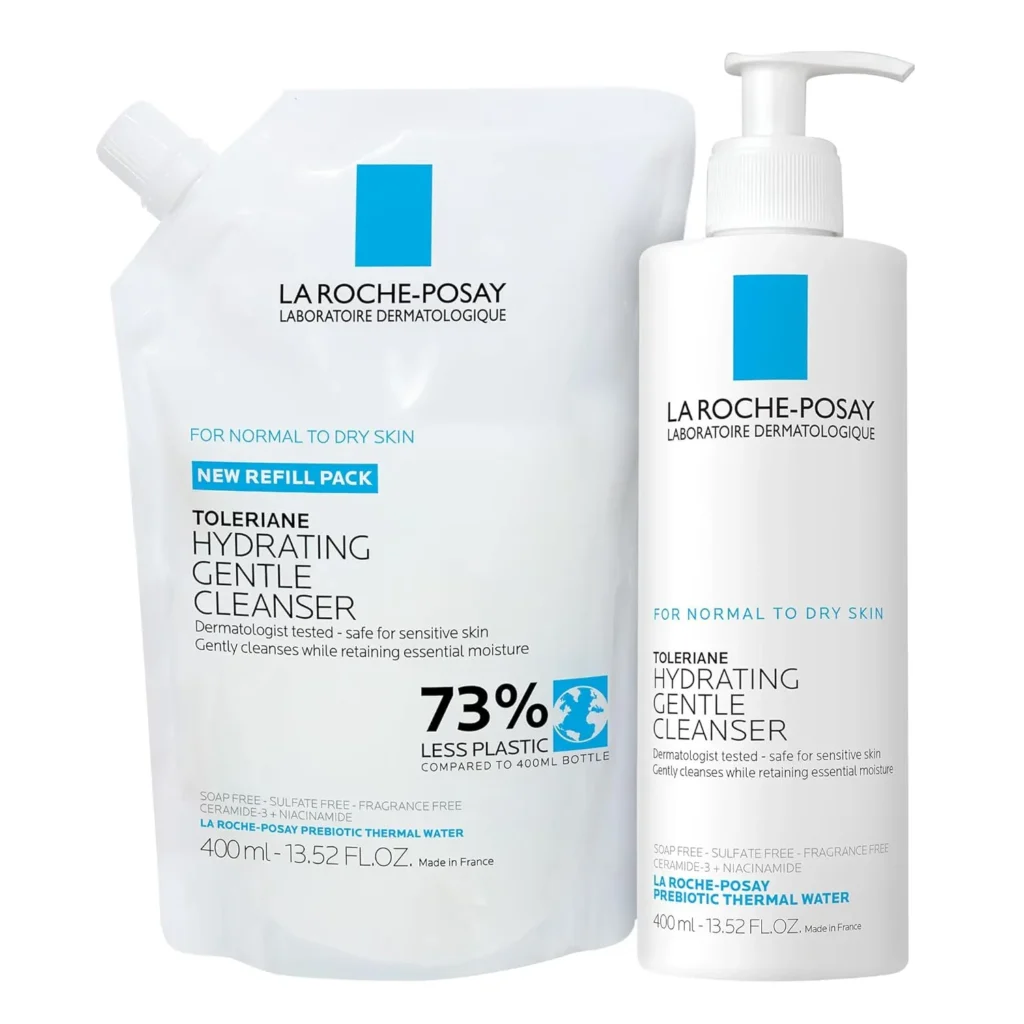
1. La Roche-Posay Toleriane Hydrating Gentle Cleanser
Best for: Extremely reactive and dry sensitive skin
This creamy, non-foaming cleanser removes impurities without stripping natural oils. It contains prebiotic thermal water and ceramides that actually support barrier function during cleansing—a rare find.
Pros:
- No fragrance, parabens, or sulfates
- Leaves skin feeling comfortable, not tight
- Suitable for eczema-prone skin
Cons:
- Doesn’t remove heavy makeup alone
- Slightly higher price point
If your skin stings with most cleansers, this gentle formula provides relief while effectively cleansing.
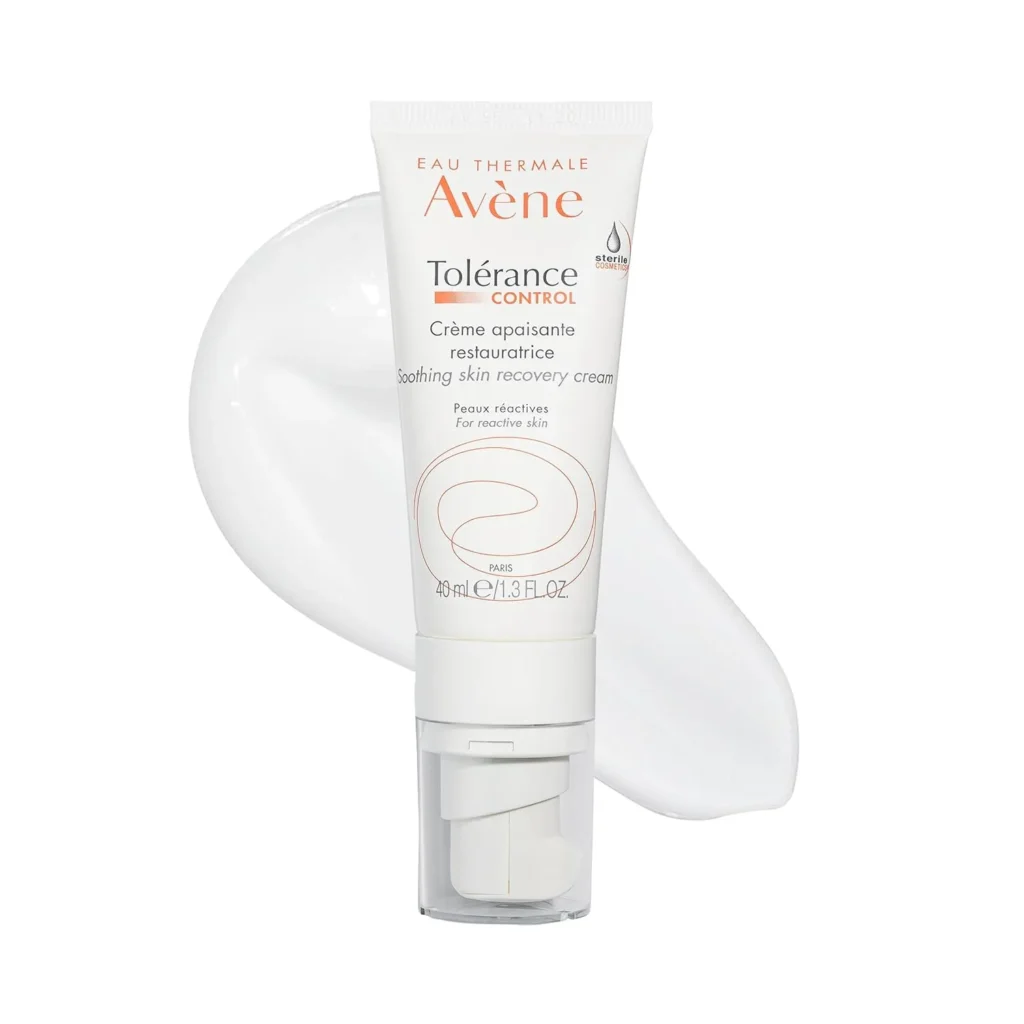
2. Avène Tolerance Extreme Cream
Best for: Severely intolerant and allergic skin
With only seven ingredients, this minimalist moisturizer eliminates virtually all potential irritants. It’s specifically formulated for skin that reacts to nearly everything, using Avène’s sterile cosmetics technology.
Pros:
- Sterile packaging prevents contamination
- No preservatives, fragrances, or emulsifiers
- Clinically proven to reduce reactivity
Cons:
- Rich texture may feel heavy in humid climates
- Premium pricing
For skin that reacts to “gentle” products, this represents the safest moisturizing option available.
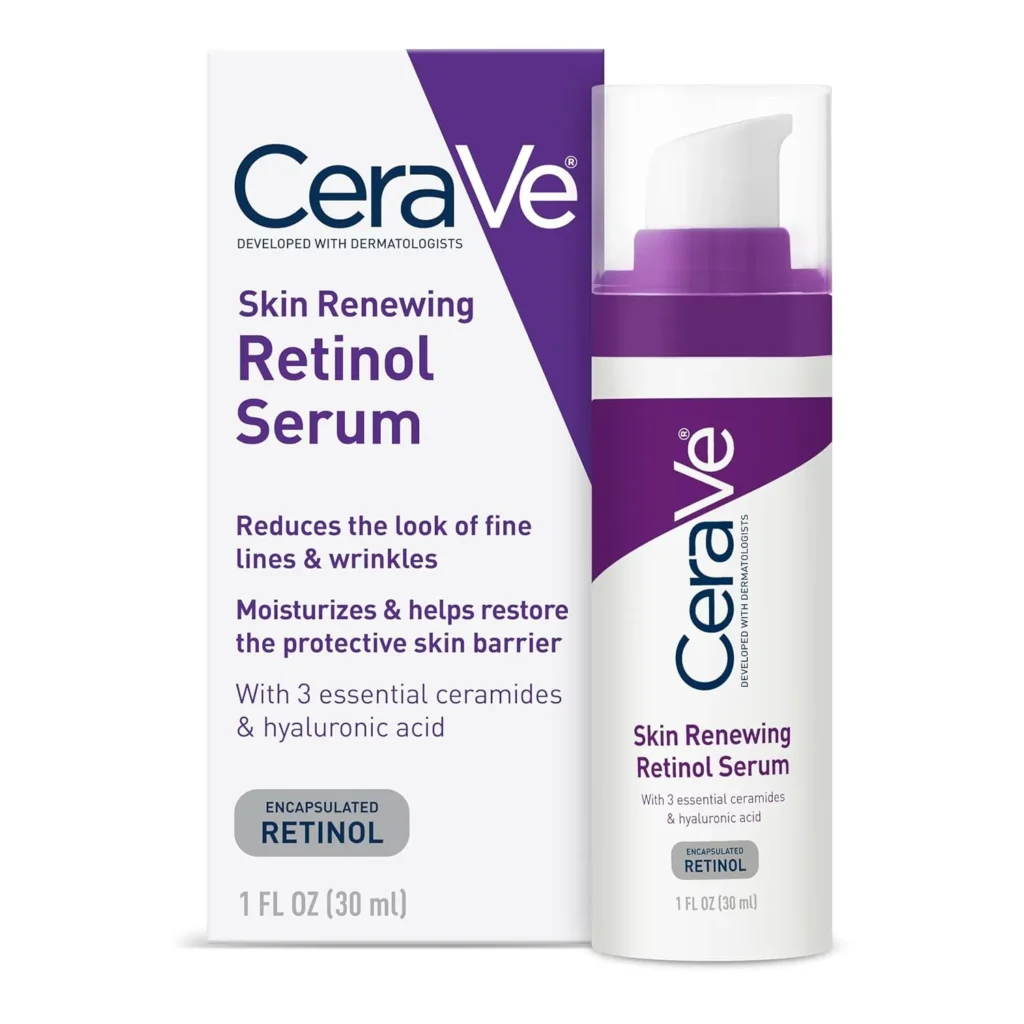
3. CeraVe Hydrating Hyaluronic Acid Serum
Best for: Dehydrated sensitive skin needing extra moisture
This lightweight serum combines three types of hyaluronic acid with ceramides to hydrate multiple skin layers while repairing the barrier. It’s fragrance-free and developed with dermatologists.
Pros:
- Affordable and widely available
- Absorbs quickly without stickiness
- Works well under moisturizer
Cons:
- May not provide enough hydration alone
- Pump dispenser can be difficult to control
If your sensitive skin feels tight and dehydrated, this serum layers beautifully without causing irritation.
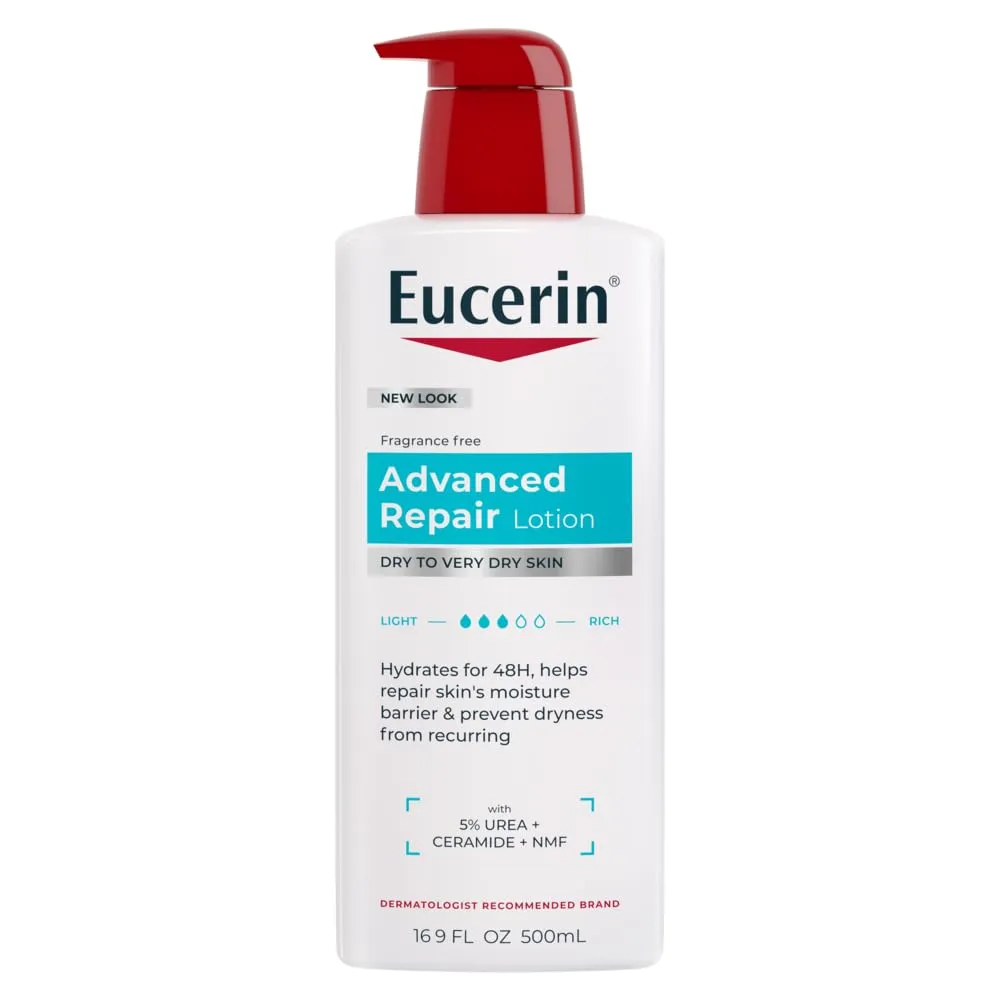
4. Eucerin Advanced Repair Cream
Best for: Sensitive skin with dryness and flaking
This ceramide-rich cream provides intense moisture while supporting natural lipid production. It’s fragrance-free and clinically proven to improve barrier function within one week.
Pros:
- Excellent value for size
- Non-greasy despite rich texture
- Safe for face and body
Cons:
- Jar packaging less hygienic
- May be too heavy for oily-sensitive types
For those dealing with both sensitivity and chronic dryness, this delivers serious hydration without irritation.
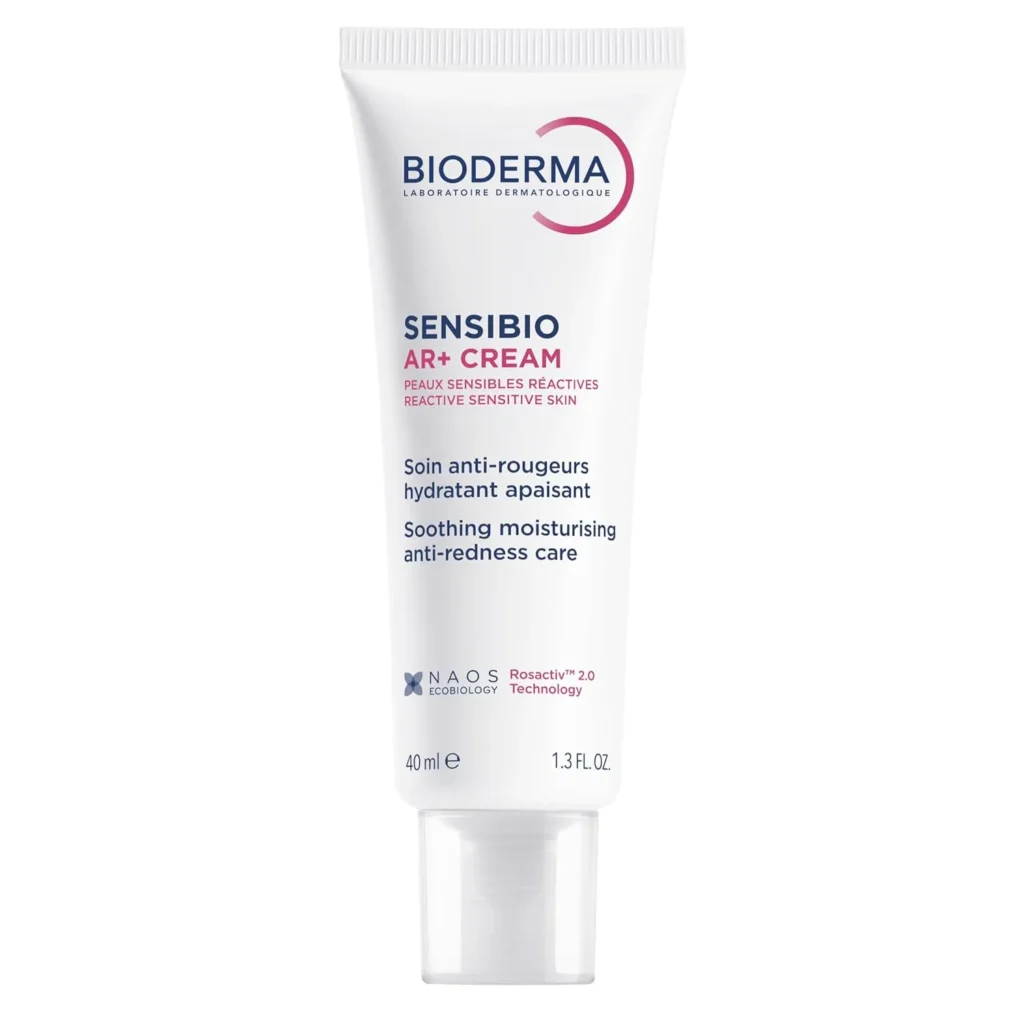
5. Bioderma Sensibio Defensive Serum
Best for: Sensitive skin exposed to pollution and stress
This protective serum uses the Defensive Technology patent to strengthen skin against environmental aggressors. It contains soothing carnosine and vitamin E for antioxidant protection.
Pros:
- Lightweight texture suitable for all climates
- Reduces visible redness over time
- Compatible with other products
Cons:
- Results take 4-6 weeks to see
- Mid-range pricing
If environmental factors trigger your sensitivity, this serum provides proactive protection rather than just reactive soothing.
Complete Sensitive Skin Care Routine: Step-by-Step
Morning Routine
Step 1: Rinse face with lukewarm water only (skip morning cleansing if very dry).
Step 2: Apply hydrating serum to damp skin, using gentle patting motions.
Step 3: Follow with a ceramide-rich moisturizer while skin is still slightly damp.
Step 4: Apply mineral sunscreen (zinc oxide or titanium dioxide) as your final step. Wait 5 minutes before makeup.
Evening Routine
Step 1: Remove makeup with micellar water or oil-based cleanser if needed.
Step 2: Cleanse with gentle, non-foaming cleanser. Massage for 30 seconds, then rinse thoroughly.
Step 3: Pat skin dry—never rub—leaving it slightly damp.
Step 4: Apply hydrating serum immediately to lock in moisture.
Step 5: Layer your moisturizer or barrier repair cream while skin is receptive.
Step 6: Optional: Apply a thin layer of healing ointment on extra-dry areas.
Choosing Products Based on Your Specific Sensitivity
For redness-prone skin: Look for ingredients like niacinamide, azelaic acid (low concentration), and centella asiatica that calm inflammation.
For stinging-prone skin: Avoid all fragrances, essential oils, alcohol, and strong preservatives. Choose products with minimal ingredient lists.
For acne-sensitive skin: Use non-comedogenic products with gentle salicylic acid (0.5-1%) or azelaic acid rather than harsh benzoyl peroxide.
For allergy-prone skin: Patch test everything for 48 hours. Avoid common allergens like lanolin, coconut derivatives, and botanical extracts.
For dehydrated-sensitive skin: Focus on humectants (hyaluronic acid, glycerin) paired with occlusive ingredients (ceramides, squalane) to seal in moisture.
What to Avoid in Sensitive Skin Care
Harsh physical exfoliants: Scrubs with walnut shells or rough particles cause micro-tears that worsen sensitivity.
High-percentage acids: Strong glycolic or lactic acid peels can strip your barrier faster than it can repair.
Fragrance and essential oils: Even “natural” fragrances are common irritants for sensitive skin.
Alcohol-based toners: Denatured alcohol dries and irritates, despite that “clean” feeling.
Over-cleansing: Washing more than twice daily strips protective oils your skin desperately needs.
Frequently Asked Questions
How long until I see improvement in my sensitive skin?
Most people notice reduced reactivity within 2-3 weeks of a proper routine. Significant barrier repair typically takes 6-8 weeks of consistent, gentle care.
Can I use retinol if I have sensitive skin?
Eventually, yes—but start with encapsulated retinol or retinaldehyde at low concentrations (0.01-0.025%) once weekly. Build tolerance slowly over months.
Should I avoid all active ingredients?
No. Sensitive skin can benefit from gentle actives like niacinamide, azelaic acid, and low-strength retinoids when introduced properly after barrier stabilization.
Is my skin purging or reacting badly?
Purging occurs only with exfoliating ingredients and resolves within 4-6 weeks. If non-exfoliating products cause stinging, breakouts, or redness, that’s a reaction—stop immediately.
Do I really need separate day and night moisturizers?
Not necessarily. One good barrier-repair moisturizer can work for both, though you might prefer lighter textures for daytime under sunscreen.
Final Thoughts
Sensitive skin requires patience and consistency rather than constant product experimentation. The right routine isn’t about using more products—it’s about choosing fewer, better-formulated options that support your barrier.
Give each new product at least three weeks before judging effectiveness. Your skin needs time to adjust and repair. Some initial adjustment is normal, but persistent burning, stinging, or worsening redness means that product isn’t right for you.
Individual skin reactions vary based on specific sensitivities, environmental factors, and underlying conditions. If sensitivity persists despite proper care, consult a dermatologist to rule out conditions like rosacea, eczema, or contact dermatitis.
As an Amazon Associate, I earn from qualifying purchases