Best Skin Care Products for Rosacea in 2026
Living with rosacea means navigating a minefield of potential triggers. One wrong product can turn mild redness into a full flare that lasts for days. The frustration of trying “gentle” products that still irritate is real, and the skincare industry’s obsession with actives and exfoliation makes finding truly calming options even harder.
If you’re searching for the best skin care products for rosacea, you need more than marketing claims. You need formulations proven to reduce inflammation, support your compromised skin barrier, and respect your skin’s limitations.
Table of Contents
Understanding Rosacea Skin Needs
Rosacea isn’t just sensitivity—it’s a chronic inflammatory condition that affects how your skin responds to everything from temperature changes to specific ingredients.
Your skin barrier is typically compromised, meaning it loses moisture faster and lets irritants penetrate more easily. Blood vessels near the surface dilate more readily, causing persistent redness and visible capillaries.
The goal isn’t to “cure” rosacea but to minimize inflammation, strengthen your barrier, and avoid triggers. This requires a minimal routine with proven anti-inflammatory ingredients, not a 10-step regimen filled with actives.

What Makes a Product Safe for Rosacea
The best skin care products for rosacea share specific qualities:
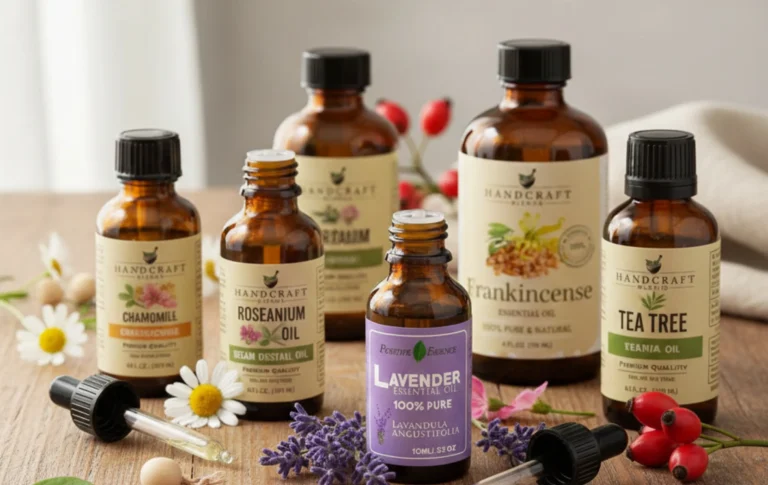
- Fragrance-free formulations (including essential oils, which are common irritants)
- Simple ingredient lists with fewer chances for reactions
- Barrier-supporting lipids like ceramides, cholesterol, and fatty acids
- Anti-inflammatory actives such as azelaic acid, niacinamide, or colloidal oatmeal
- Physical sunscreens with zinc oxide or titanium dioxide instead of chemical filters
- pH-balanced formulas that don’t disrupt your already sensitive skin
What to avoid: alcohol denat, menthol, eucalyptus, witch hazel, most essential oils, harsh scrubs, and high-percentage acids.
Essential Product Categories for Rosacea
Gentle Cleanser
Your cleanser shouldn’t strip, foam excessively, or leave skin tight. Rosacea skin needs oil-based or cream cleansers that remove impurities without disrupting the barrier.
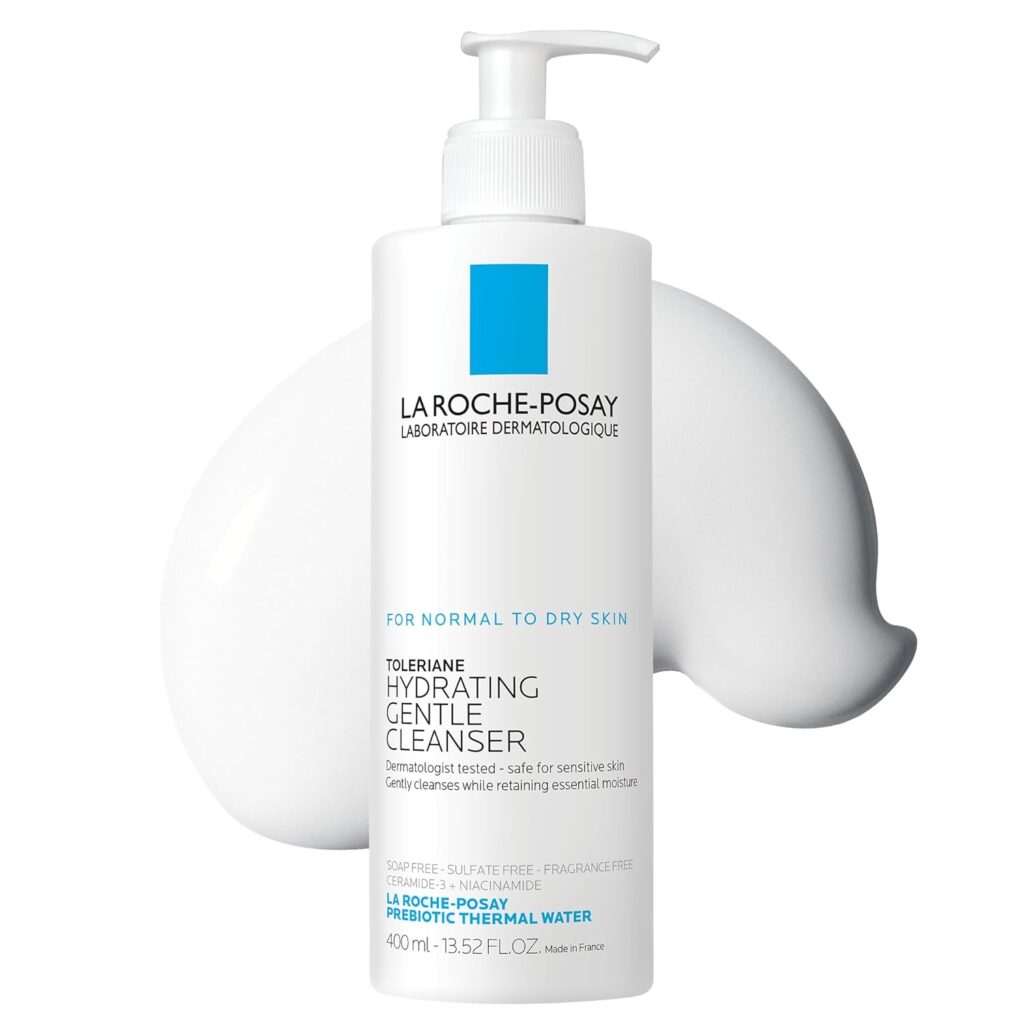
Top Choice: La Roche-Posay Toleriane Hydrating Gentle Cleanser
This fragrance-free, non-foaming cleanser uses ceramides and niacinamide to clean while actually supporting barrier repair. It removes makeup and sunscreen without requiring harsh rubbing.
The milky texture rinses clean without residue, and the prebiotic thermal water helps maintain skin’s natural balance.
Why it works: No sulfates, gentle enough for twice-daily use, and dermatologist-tested on sensitive skin.
Realistic expectation: Won’t reduce redness immediately, but prevents the tightness and irritation that worsen flares.
Barrier Repair Moisturizer
Moisturizer is non-negotiable for rosacea. You need something that delivers hydration, repairs barrier damage, and provides anti-inflammatory benefits without clogging pores.
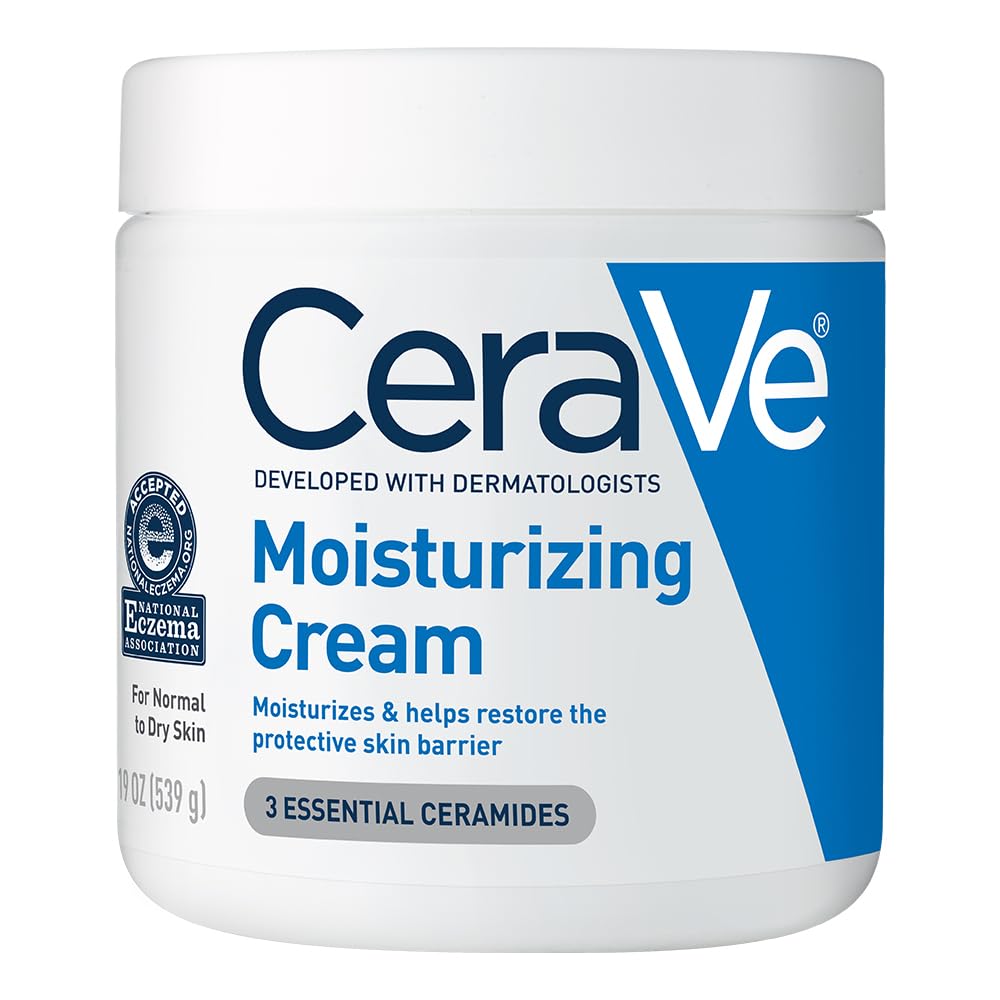
Top Choice: CeraVe Moisturizing Cream
This pharmacy staple contains three essential ceramides, hyaluronic acid, and a time-release system that hydrates for 24 hours. Despite being rich, it doesn’t trigger breakouts or feel heavy.
The fragrance-free formula is accepted by the National Eczema Association, which shares similar barrier-protection needs with rosacea.
Why it works: Ceramides directly repair the damaged barrier that makes rosacea worse, while hyaluronic acid prevents trans-epidermal water loss.
Realistic expectation: Reduces dryness and irritation within days, but won’t eliminate redness alone.
Budget Alternative: Vanicream Moisturizing Cream offers similar barrier support with even fewer ingredients for extremely reactive skin.
Treatment Product with Anti-Inflammatory Action
Once your barrier is supported, a targeted treatment can address inflammation and redness without aggravating sensitivity.
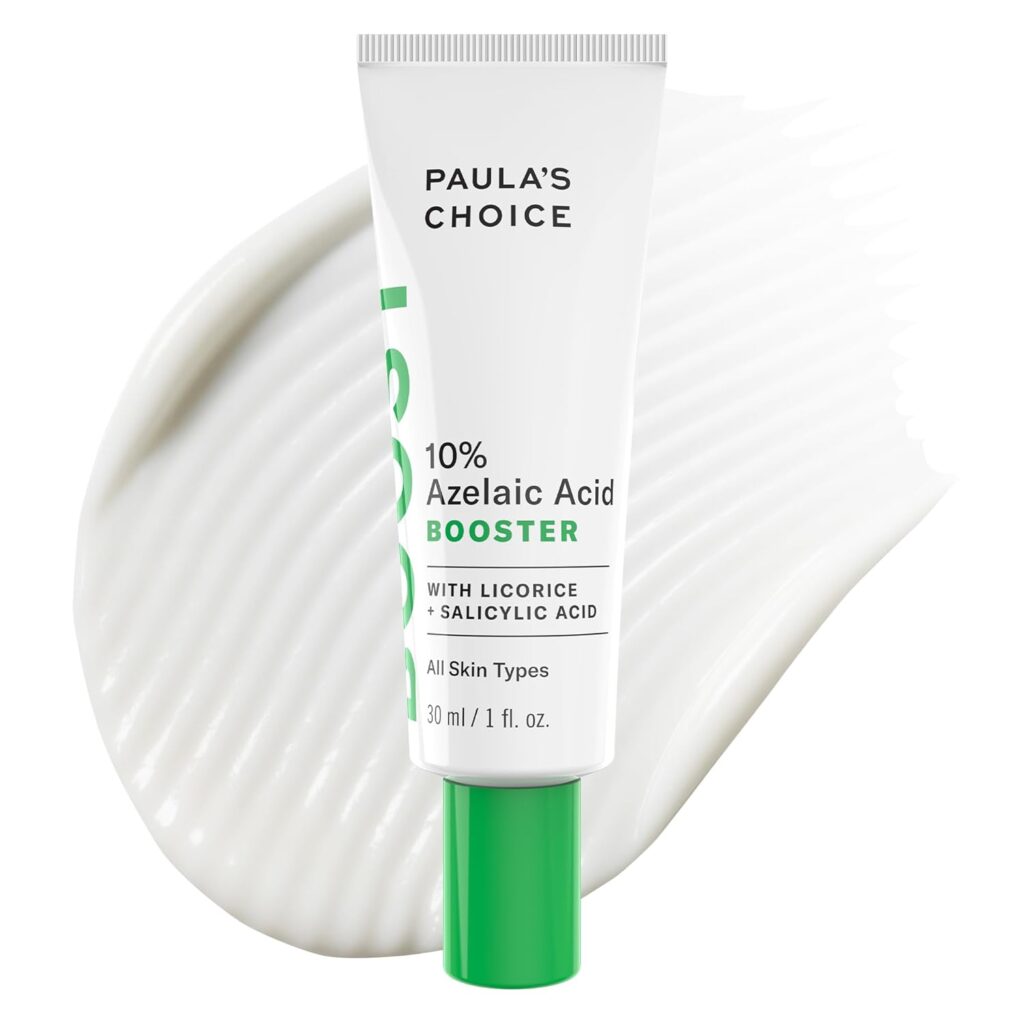
Top Choice: Paula’s Choice 10% Azelaic Acid Booster
Azelaic acid is one of the few actives recommended by dermatologists for rosacea. It reduces inflammation, fights redness-causing bacteria, and gently resurfaces without irritation.
This serum-like formula absorbs quickly and can be mixed with your moisturizer if using it alone feels too strong initially.
Why it works: Azelaic acid has clinical evidence for reducing rosacea papules and redness. It’s gentler than retinoids or strong acids but still effective.
Realistic expectation: Visible reduction in redness and bumps after 6-8 weeks of consistent use. Start every other night.
Alternative: The Ordinary Azelaic Acid Suspension 10% offers the same percentage at a lower price, though the texture is slightly grittier.
Mineral Sunscreen
Sun exposure is one of the most common rosacea triggers. Chemical sunscreens often cause stinging, so mineral formulas with zinc oxide are safer.
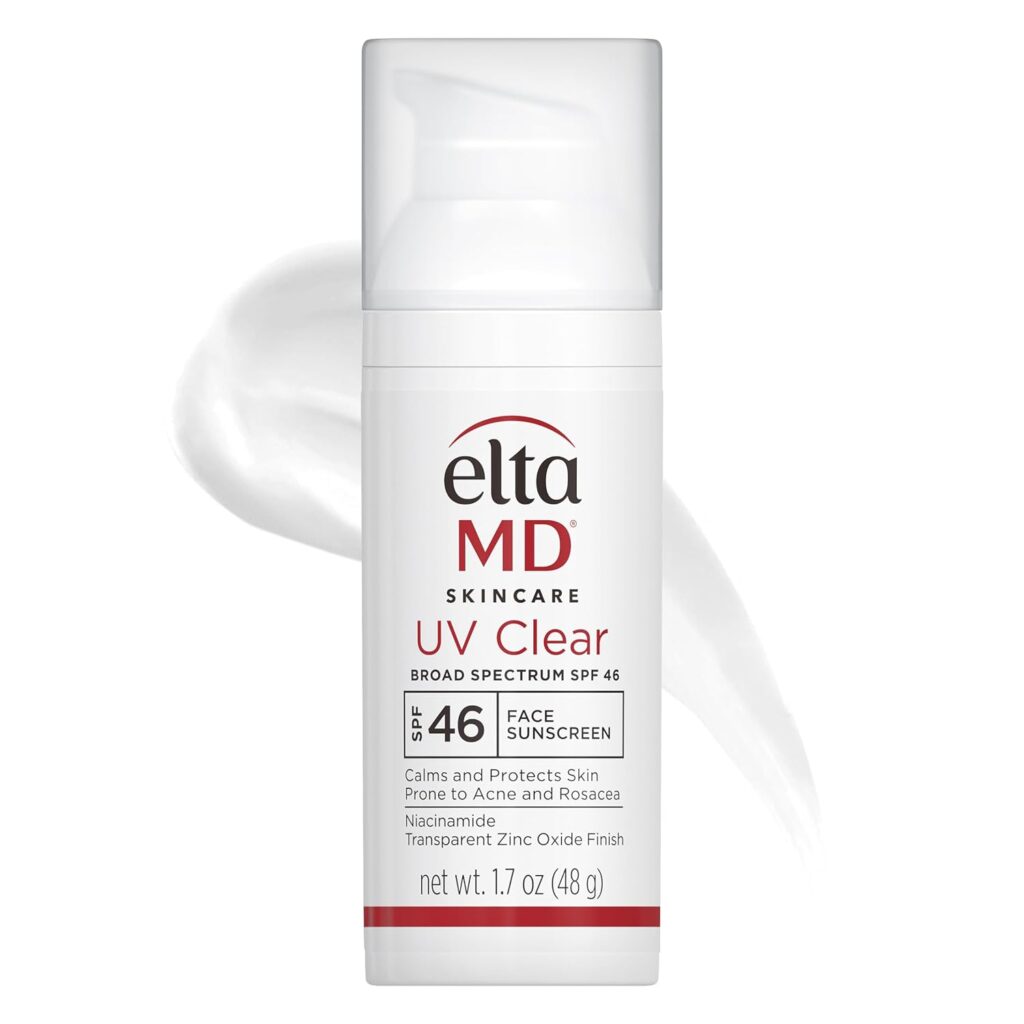
Top Choice: EltaMD UV Clear Broad-Spectrum SPF 46
This lightweight mineral sunscreen contains niacinamide, which calms inflammation, and zinc oxide for broad-spectrum protection. It doesn’t leave a white cast on most skin tones and works well under makeup.
The oil-free formula won’t clog pores or trigger breakouts, and it’s specifically formulated for sensitive and acne-prone skin.
Why it works: Zinc oxide physically blocks UV rays without chemical reactions that irritate rosacea skin, while niacinamide provides additional anti-inflammatory benefit.
Realistic expectation: Immediate protection from sun-triggered flares. Daily use significantly reduces redness over time.
Budget Alternative: CeraVe Hydrating Mineral Sunscreen SPF 30 offers solid protection with ceramides at a more accessible price.
The Minimal Rosacea Routine
Morning:
- Rinse with lukewarm water (skip cleanser if not oily)
- Apply moisturizer to damp skin
- Follow with mineral sunscreen after moisturizer absorbs
Evening:
- Cleanse gently to remove sunscreen and daily buildup
- Apply azelaic acid treatment (start 2-3 times per week)
- Wait 5 minutes, then apply moisturizer
- Add extra moisturizer on dry areas if needed
Key principle: Less is more. Adding too many products, even “gentle” ones, increases your chance of triggering a flare.
Choosing Products Based on Your Rosacea Type
Type 1 (Erythematotelangiectatic) – Persistent facial redness: Focus on barrier repair with CeraVe cream and calming ingredients like niacinamide. Use mineral sunscreen religiously.
Type 2 (Papulopustular) – Acne-like breakouts: Add azelaic acid to address both inflammation and bumps. Avoid heavy oils that might worsen breakouts.
Type 3 (Phymatous) – Thickened skin: Requires medical treatment, but maintain barrier support and sun protection to prevent worsening.
Type 4 (Ocular) – Eye irritation: See an ophthalmologist. Keep skincare away from eye area and use only ophthalmologist-approved products near eyes.
What About Natural or Organic Products?
Natural doesn’t mean safe for rosacea. Many botanical extracts and essential oils are potent irritants that trigger inflammation.
Plant oils like rosehip or squalane can work well, but avoid products with long lists of plant extracts or anything with a noticeable scent.
The best skin care products for rosacea are often pharmacy brands with simple, researched formulations rather than “clean” brands with complex botanical blends.
Common Mistakes That Worsen Rosacea
Over-exfoliating: Even gentle acids can be too much. If using azelaic acid, skip other exfoliants entirely.
Hot water: Causes immediate vasodilation. Use lukewarm water for cleansing and avoid steam facials.
Layering too many actives: Niacinamide plus azelaic acid is plenty. Don’t add retinol, vitamin C, or other actives.
Skipping moisturizer: Even oily rosacea skin needs barrier support. Dehydration makes inflammation worse.
Inconsistent sunscreen: Missing days allows UV damage to accumulate and trigger flares.
Frequently Asked Questions
Can I use retinol if I have rosacea? Most dermatologists advise against it. Retinol increases sensitivity and can worsen inflammation. If you want anti-aging benefits, azelaic acid offers gentler results without the irritation risk.
How long before I see improvement? Barrier repair takes 2-4 weeks. Anti-inflammatory treatments like azelaic acid show results around 6-8 weeks. Rosacea requires patience—rushing with stronger products backfires.
Should I avoid all acids? Not necessarily. Azelaic acid is well-tolerated and recommended for rosacea. Lactic acid in low percentages (5%) can work for some people. Avoid glycolic, salicylic in high percentages, and any acid that stings.
Do I need prescription medication too? Over-the-counter products help many people with mild rosacea. If you have moderate to severe symptoms, painful flares, or pustules, see a dermatologist. Topical metronidazole or ivermectin may be necessary.
Can rosacea be cured? No, but it can be well-managed. The right products reduce flares, minimize redness, and improve your skin’s resilience. Consistency matters more than finding a “miracle” product.
Final Recommendations
The best skin care products for rosacea aren’t exotic or expensive. They’re proven formulations that prioritize barrier repair and inflammation control over trendy actives.
Start with the basics: a gentle cleanser, a ceramide-rich moisturizer, and a mineral sunscreen. Once your skin stabilizes, add azelaic acid if you want to actively reduce redness.
Track your triggers beyond products—stress, spicy food, alcohol, and temperature changes all matter. Skincare supports medical treatment and lifestyle management; it doesn’t replace them.
If over-the-counter options aren’t enough after 8-10 weeks of consistent use, consult a dermatologist. Some rosacea types need prescription intervention, and that’s completely normal.
Your skin’s needs are valid. Choose products that respect your limitations rather than promising transformations that require irritation to achieve.