What is the Best SPF for Face Under Makeup
Most people apply sunscreen at the beach or in summer — and forget about it the rest of the year. But UV exposure happens every single day: through windows, during a commute, or just walking to the car. If you wear makeup regularly, finding an SPF that sits comfortably underneath it isn’t a luxury — it’s a daily skin-health decision.
The challenge? Many sunscreens pill under foundation, leave a white cast, or feel heavy enough to ruin your base before you’ve left the house. That’s exactly why searches for “best SPF for face under makeup” have grown steadily. People want real sun protection without sacrificing their routine.
Table of Contents
What Makes Facial SPF Under Makeup Different?
Standard body sunscreens sit on the skin’s surface — fine for bare arms, but a problem on the face under primer and foundation. They can ball up, break down your base, or create a greasy finish by midday.
Facial SPFs designed for makeup wearers are formulated differently. They’re lighter in texture, faster-absorbing, and either matte-finish or skin-tone-neutral. Chemical filters like avobenzone and tinosorb blend invisibly into skin. Mineral filters like zinc oxide and titanium dioxide sit on top — which is why the formula type matters depending on your skin and routine.
The long-term benefit isn’t cosmetic — it’s medical. Daily SPF use is the single most evidence-backed step for reducing photoaging, hyperpigmentation, and skin cancer risk.
Key Benefits of Using SPF Daily Under Makeup
- Protects against UVA rays that cause premature aging, dark spots, and loss of elasticity
- Shields against UVB rays responsible for sunburn and skin cell DNA damage
- Reduces the risk of hyperpigmentation worsening — especially important for deeper skin tones
- Creates a smooth, hydrated base that helps makeup apply more evenly
- Supports long-term skin health without requiring major lifestyle changes
- Lightweight formulas don’t interfere with the look or longevity of your makeup
Best SPF Formulas for Face Under Makeup
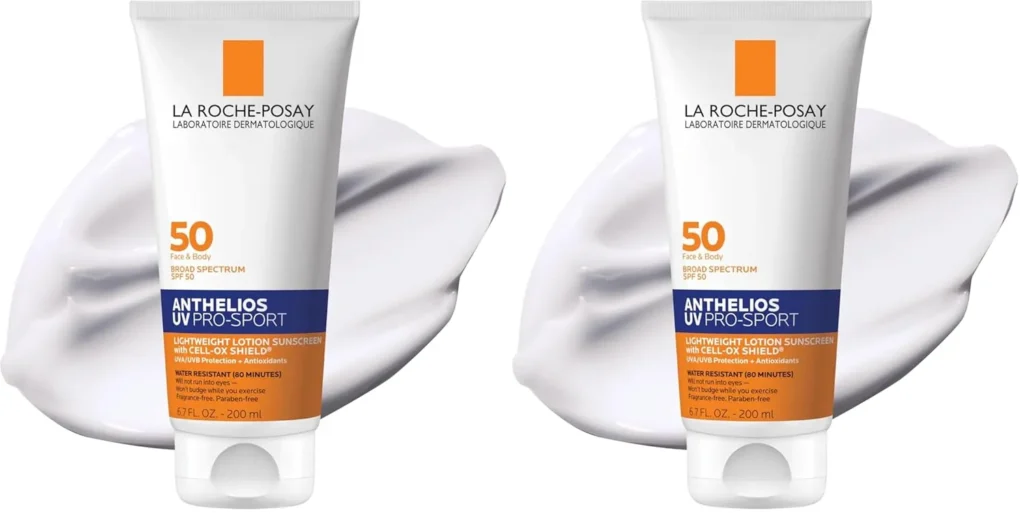
1. La Roche-Posay Anthelios UVMune 400 Invisible Fluid SPF 50+
Country of origin: France Best for: Oily, combination, and acne-prone skin
This chemical sunscreen uses the patented Mexoryl 400 filter — one of the few that blocks ultra-long UVA rays, which most standard SPFs don’t reach. The texture is almost water-like and absorbs within seconds, leaving no visible residue. It’s fragrance-free and non-comedogenic.
Under foundation it behaves well — no pilling, no shine. It leaves a very slight dewy finish, which works for dry skin but may need a setting powder on oilier types.
Pros: Blocks ultra-long UVA rays, fragrance-free, absorbs fast, sits invisibly under makeup. Cons: Slight dewiness on very oily skin, harder to find outside Europe, higher price than drugstore options.
If you’ve struggled to find an SPF that truly disappears under your makeup, this one is worth trying.
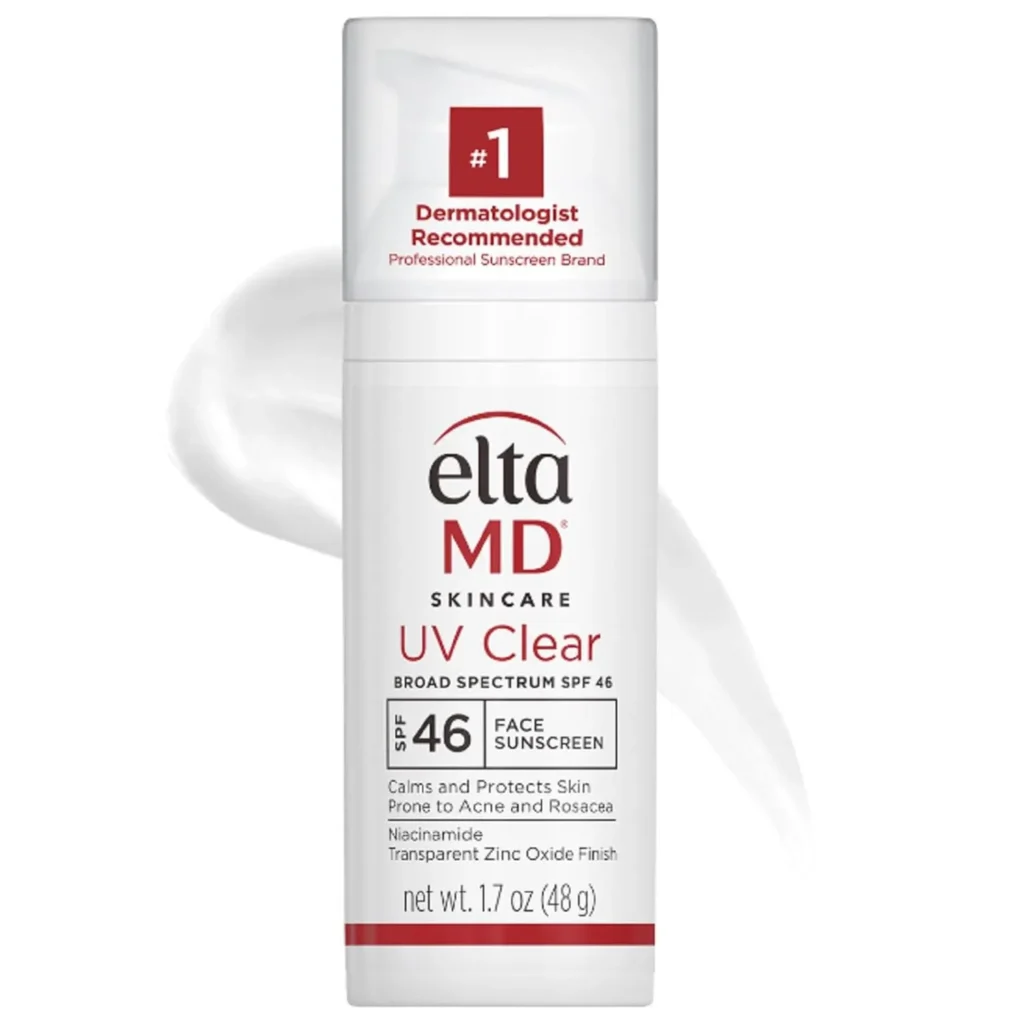
2. EltaMD UV Clear Broad-Spectrum SPF 46
Country of origin: USA Best for: Sensitive, acne-prone, and rosacea-prone skin
EltaMD UV Clear has a strong following among dermatologists. It combines zinc oxide with niacinamide — a well-researched ingredient that helps calm redness, regulate oil, and support the skin barrier. The formula is lightweight, sheer, and comfortable for all-day wear.
It works under makeup without disrupting texture, and the niacinamide adds genuine skincare function beyond just sun protection.
Pros: Dermatologist-recommended, niacinamide adds real skin benefit, blends invisibly on light-to-medium tones, non-greasy all-day wear. Cons: May leave a slight cast on very deep skin tones, tinted version has a limited shade range, not ideal for high-sport outdoor use.
If your skin tends to react badly to most sunscreens, this is one of the gentler places to start.
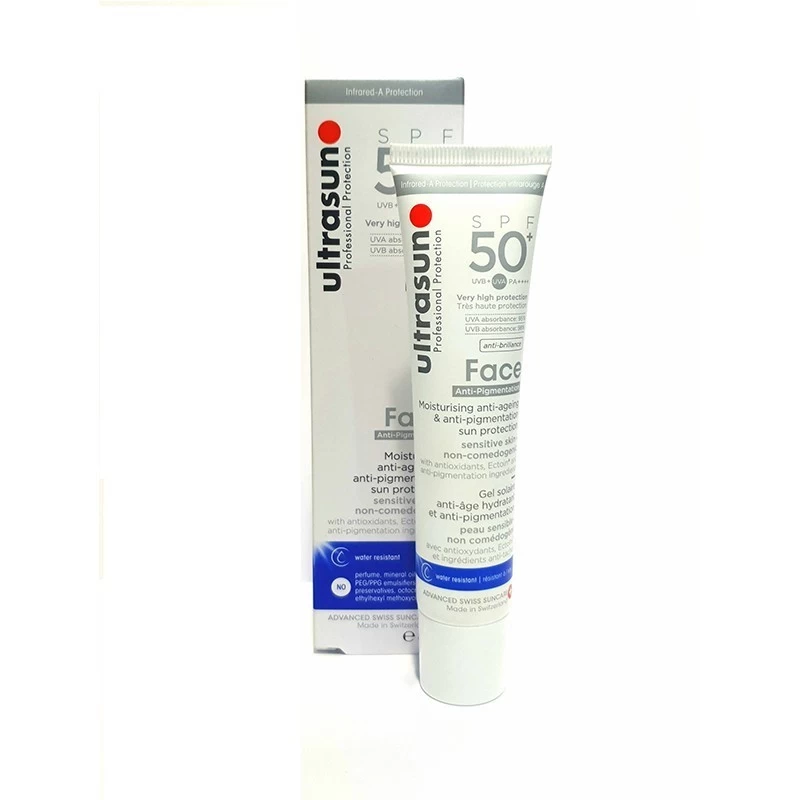
3. Ultrasun Face Anti-Ageing SPF 50+
Country of origin: Switzerland Best for: Dry, mature, and anti-aging-focused skin
Ultrasun is formulated with hyaluronic acid and antioxidants alongside its UV filters, making it function as both a skincare step and an SPF. The texture is a thin fluid that absorbs quickly and leaves skin feeling plumped rather than greasy.
A good option for anyone who finds traditional sunscreens drying, or who wants to reduce the number of products in their morning routine.
Pros: Combines SPF with hyaluronic acid, comfortable on dry and mature skin, sits well under foundation. Cons: Not ideal for very oily skin types, still needs reapplication outdoors despite once-daily claim, premium price.
For those who want their morning SPF to double as a hydrator, this is a thoughtful option.
4. ISDIN Eryfotona Actinica Ultralight Emulsion SPF 50+
Country of origin: Spain Best for: Sun-damaged skin and those with high UV exposure
ISDIN Eryfotona Actinica contains DNA Repairsomes — an enzyme system derived from a UV-resistant bacterium that helps repair existing UV-induced DNA damage in skin cells. The science behind it is credible and clinically studied, though it’s not a replacement for medical treatment.
The formula is lightweight and slightly milky. Under makeup it absorbs well and doesn’t interfere with coverage.
Pros: DNA Repairsome technology with clinical backing, very lightweight, strong UVA protection, useful for photodamaged or aging skin. Cons: One of the more expensive options, less widely available in some regions, not formulated specifically for acne-prone skin.
If you’re serious about sun damage repair alongside prevention, this product is worth researching further.

Simple Morning Routine: SPF Under Makeup
- Cleanse gently — don’t over-strip your skin’s natural moisture barrier
- Apply any serums or actives and let them fully absorb (about 1–2 minutes)
- Apply SPF — use roughly a teaspoon for adequate face coverage
- Wait 2–3 minutes for the SPF to absorb before applying makeup
- Apply primer if you use one, then foundation or tinted moisturizer
- For days with extended outdoor exposure, reapply with a powder SPF or UV-protective setting spray
The waiting period matters. Applying foundation immediately over wet SPF is one of the main reasons people experience pilling. Two minutes is all it takes.
Choosing the Right SPF for Your Skin Type
Oily or acne-prone skin: Look for oil-free, non-comedogenic, matte-finish formulas. Chemical sunscreens tend to be lighter than minerals. La Roche-Posay Anthelios and EltaMD UV Clear are strong choices here.
Dry or mature skin: Prioritize hydrating SPFs with hyaluronic acid or glycerin. Ultrasun Face and ISDIN Eryfotona work well for this group.
Sensitive or reactive skin: Go fragrance-free, avoid alcohol-heavy formulas, and consider mineral-dominant options with zinc oxide. EltaMD UV Clear is a frequently recommended starting point.
Deeper skin tones: High-zinc mineral formulas can leave a white or ashy cast. Hybrid or chemical SPFs disappear more effectively. Tinted options with iron oxides also help protect against visible light, which contributes to hyperpigmentation.
Combination skin: Lightweight fluid or gel formulas work well — they hydrate without overloading the T-zone. Patch test any new SPF on a small area before committing to daily use.
Frequently Asked Questions
Does my makeup SPF count, or do I need a separate sunscreen? Foundation or BB creams with SPF rarely provide adequate coverage on their own. Most people don’t apply enough product to reach the labeled SPF. A dedicated SPF step applied before makeup offers far more reliable protection.
Should I use mineral or chemical SPF under makeup? Both work. Chemical SPFs tend to be thinner and more invisible under makeup. Mineral SPFs are gentler for reactive skin but can leave a white cast on deeper tones. Hybrid formulas are a practical middle ground for most people.
How often do I need to reapply SPF if I’m wearing makeup? Every two hours during direct sun exposure. Indoors or on low-UV days, once in the morning is generally sufficient. Powder SPFs or UV-protective setting sprays are the most practical options for reapplication over makeup.
Can SPF cause breakouts? Some formulas do clog pores — particularly thick or fragrance-containing ones. If you’ve broken out from sunscreen before, try fragrance-free mineral or hybrid options and introduce them gradually.
What SPF number should I use under makeup? SPF 30 is the dermatologist-recommended minimum for daily wear. SPF 50+ is worth considering for extended time outdoors. Consistency of application matters more than the exact number on the label.
Final Thoughts
Sun protection isn’t about finding a perfect product — it’s about finding one you’ll actually use every morning without thinking twice. The best SPF for your face is the one that fits your skin type, sits comfortably under your makeup, and becomes a habit rather than a chore.
Give any new SPF two to three weeks before deciding if it works for you. Skin takes time to adjust, and one or two off days don’t tell the full story.
Consistency matters more than which exact formula you choose. Any SPF 30+ applied correctly every day will do significantly more for your skin’s long-term health than the most sophisticated formula used only occasionally.
Disclaimer: Individual results vary based on skin type, application method, and UV exposure. This article is for informational purposes only and does not constitute medical or dermatological advice. If you have specific skin concerns, consult a qualified dermatologist.