Good face products for sensitive skin
Sensitive skin doesn’t follow rules. What works beautifully for someone else can leave your face red, tight, or broken out by morning. It’s one of the most common skin concerns dermatologists hear about — and one of the most misunderstood. With ingredient lists getting longer and product launches happening daily, finding genuinely good face products for sensitive skin requires more than trusting a pretty label. This guide cuts through the noise and focuses on what sensitive skin actually needs.

Table of Contents
What Makes a Face Product Truly Suitable for Sensitive Skin
Sensitive skin reacts more easily than other skin types — to fragrance, alcohol, harsh preservatives, and even certain natural extracts. The barrier function, which is the skin’s outermost protective layer, tends to be compromised, making it more prone to irritation, redness, and dehydration.
Good face products for sensitive skin work by supporting that barrier rather than stripping it. They use minimal, well-tolerated ingredients and avoid known irritants. The goal isn’t to overwhelm the skin with actives — it’s to calm, protect, and gradually strengthen it over time.
Consistency with gentle products will always outperform aggressive treatments that promise fast results.
Key Benefits of Using the Right Products for Sensitive Skin
- Reduced redness and reactivity with regular use of barrier-supportive formulas
- Improved skin hydration without triggering breakouts or irritation
- Fewer flare-ups from environmental triggers like wind, cold, or pollution
- Stronger skin barrier over time with ingredients like ceramides and niacinamide
- More predictable skin behavior — less guessing, less reacting
- Confidence in your routine knowing what you’re applying is well-tolerated
Best Face Products for Sensitive Skin
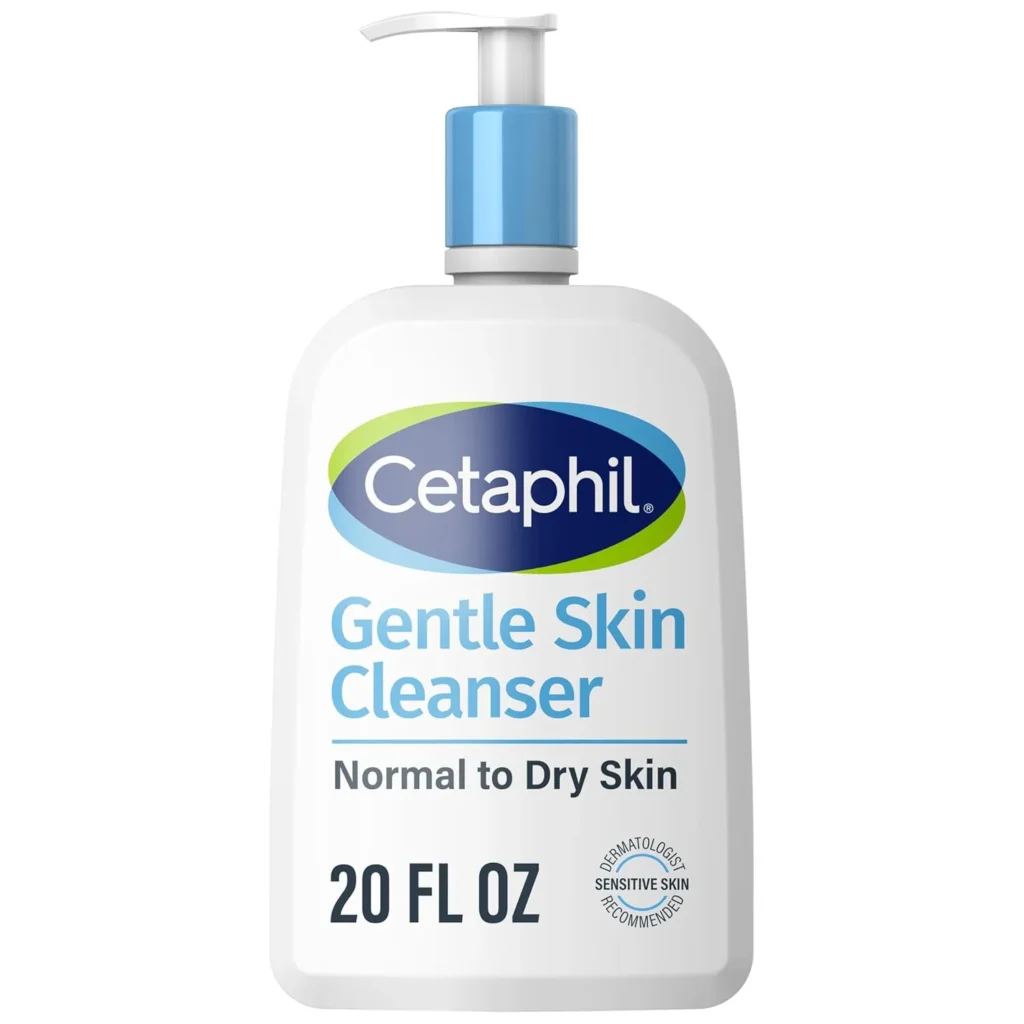
1. Cetaphil Gentle Skin Cleanser
Country of Origin: USA Best for: Daily cleansing for reactive, dry, or eczema-prone skin
Cetaphil’s original cleanser has been recommended by dermatologists for over 70 years. It uses a mild, soap-free formula that removes dirt and makeup without disrupting the skin’s natural pH or moisture barrier.
Pros:
- No fragrance, no parabens, no sulfates
- Can be used with or without water
- Suitable for rosacea and eczema-prone skin
- Very affordable and widely available
Cons:
- Doesn’t remove heavy makeup as effectively as oil-based cleansers
- Some users find it leaves a slight film if not rinsed thoroughly
If you’ve tried multiple cleansers and keep reacting, this is a logical and low-risk place to start.
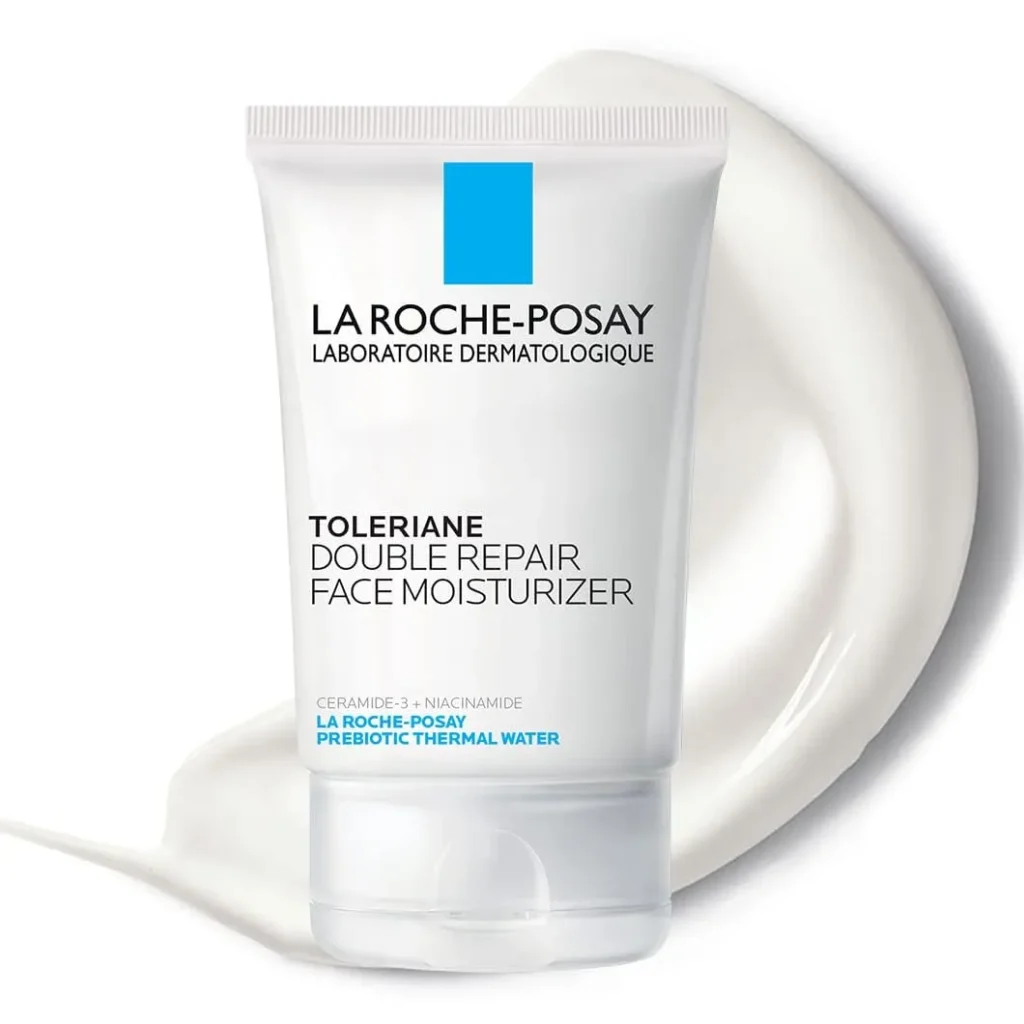
2. La Roche-Posay Toleriane Double Repair Face Moisturizer
Country of Origin: France Best for: Dry to combination sensitive skin, compromised skin barrier
This moisturizer combines ceramides, niacinamide, and glycerin — three ingredients with strong evidence for barrier repair and hydration. It’s oil-free, fragrance-free, and non-comedogenic, making it suitable for a wide range of sensitive skin types.
Pros:
- Restores the skin barrier with prebiotic thermal water
- Lightweight enough for daytime use
- Non-greasy and absorbs quickly
- Clinically tested on sensitive skin
Cons:
- Higher price point than drugstore alternatives
- May feel too light for very dry or mature skin in winter months
For those rebuilding a damaged skin barrier after over-exfoliation or a bad product reaction, this moisturizer is a reliable choice.
3. CeraVe Hydrating Facial Cleanser
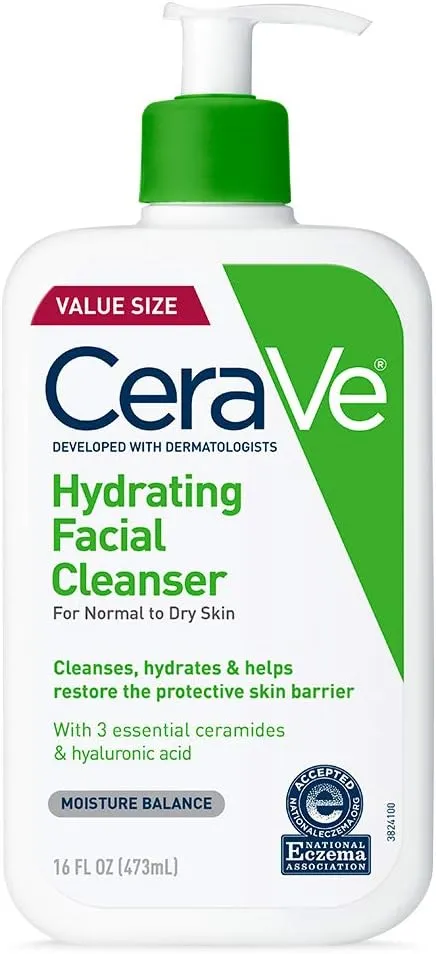
Country of Origin: USA Best for: Normal to dry sensitive skin, first-time skin care routines
CeraVe’s hydrating cleanser includes three essential ceramides plus hyaluronic acid. It cleans without stripping, which is especially important for sensitive skin that tends toward dryness or tightness after washing.
Pros:
- Developed with dermatologists
- MVE delivery technology releases ingredients slowly throughout the day
- Fragrance-free and non-irritating
- Very accessible price point
Cons:
- Not ideal for oily or acne-prone skin — may feel too rich
- Doesn’t lather, which some users find unsatisfying
Used consistently morning and evening, this cleanser helps maintain the moisture balance sensitive skin needs most.
4. Avène Eau Thermale Spring Water Spray
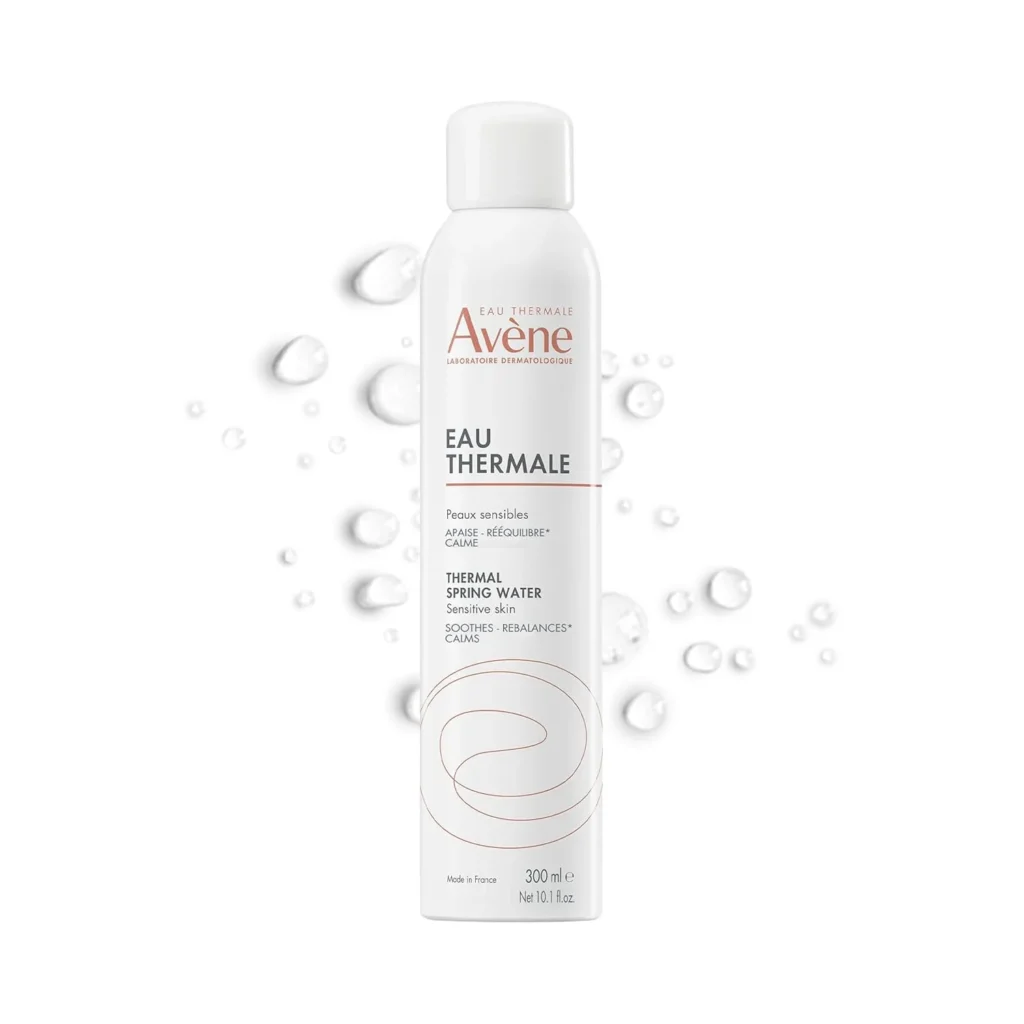
Country of Origin: France Best for: Instant calming of irritated or reactive skin, post-procedure care
Avène’s thermal spring water is drawn from a natural source in the south of France and has been used in dermatology for over 250 years. It contains a unique mineral composition that has demonstrated anti-irritant and anti-inflammatory properties in clinical studies.
Pros:
- Single-ingredient product — nothing to react to
- Immediate soothing effect on reactive or flushed skin
- Safe for use after cosmetic procedures
- Suitable for all ages including infants
Cons:
- Needs to be patted dry or followed by moisturizer to avoid evaporation drawing moisture from skin
- Premium price for what is essentially mineral water
It’s a simple product, but sometimes simplicity is exactly what sensitive skin needs.
5. EltaMD UV Clear Broad-Spectrum SPF 46
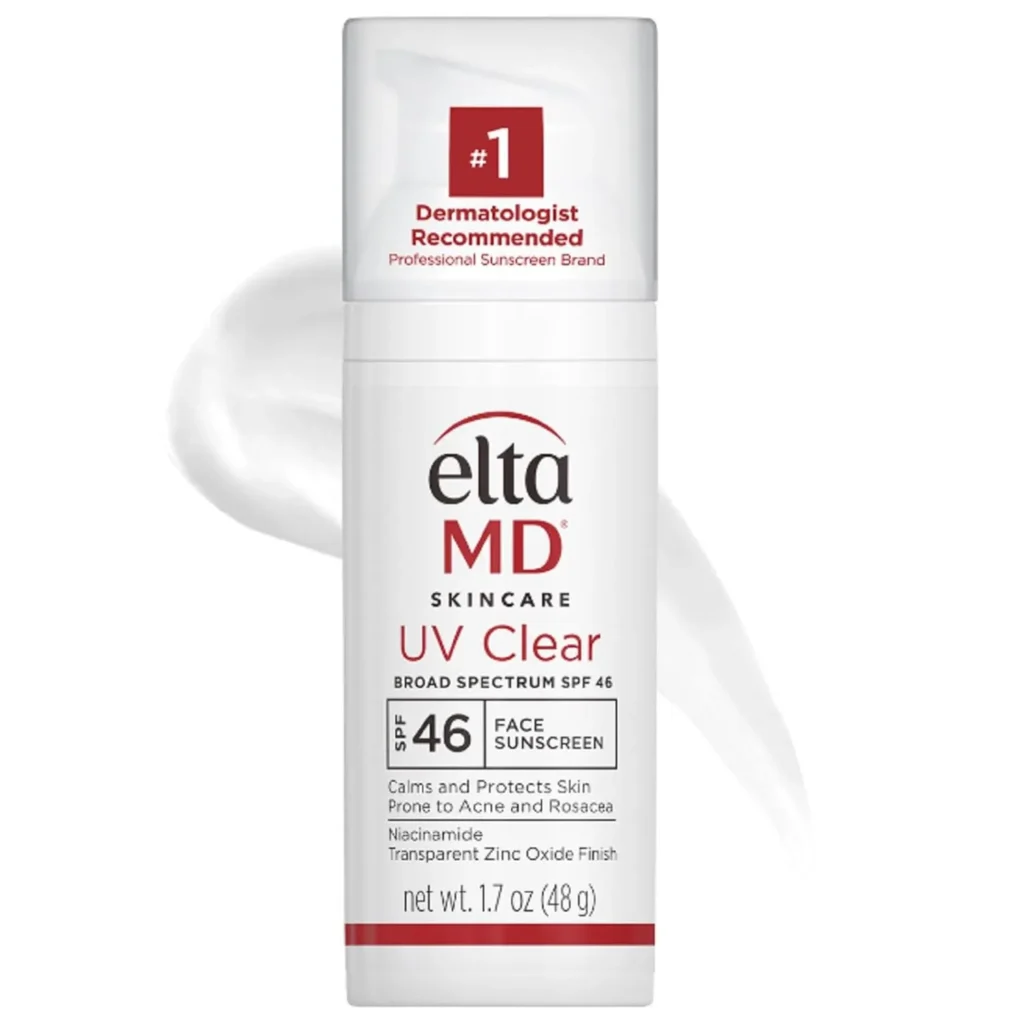
Country of Origin: USA Best for: Sensitive, acne-prone, or rosacea-affected skin requiring daily sun protection
This is one of the most recommended mineral sunscreens in dermatology practices. It uses zinc oxide as its active ingredient — a physical UV filter that sits on top of the skin rather than being absorbed, making it far better tolerated by reactive skin types.
Pros:
- Contains niacinamide to calm redness and support the barrier
- Lightweight, non-greasy finish
- Suitable for rosacea, post-procedure skin, and acne-prone types
- Broad-spectrum UVA/UVB protection
Cons:
- Higher price point than drugstore sunscreens
- May leave a slight white cast on deeper skin tones
Sun protection is non-negotiable for sensitive skin — UV exposure worsens redness, inflammation, and barrier damage. This product makes daily SPF use easier.
Simple Daily Routine for Sensitive Skin
Morning:
- Cleanse with Cetaphil Gentle Cleanser or CeraVe Hydrating Cleanser — use lukewarm water, never hot
- Apply a thin layer of La Roche-Posay Toleriane moisturizer while skin is still slightly damp
- Finish with EltaMD UV Clear SPF 46 — apply generously and allow to absorb before going outside
Evening:
- Double cleanse if you’ve worn SPF or makeup — start with a gentle micellar water, then your regular cleanser
- Spray Avène thermal water if skin feels reactive or tight after cleansing
- Apply your moisturizer and allow skin to rest — avoid layering multiple actives at night until your skin is stable
Keep the routine simple. Sensitive skin benefits most from fewer, better-chosen products.
Choosing the Right Products Based on Your Skin Profile
Sensitive and dry: Prioritize ceramide-rich moisturizers and cream-based cleansers. Avoid anything with alcohol high on the ingredient list.
Sensitive and oily: Look for gel-based, oil-free formulas. Niacinamide is your best active — it regulates sebum and calms redness without irritating.
Sensitive with rosacea: Mineral sunscreen is essential. Avoid chemical exfoliants and fragranced toners. La Roche-Posay and Avène both have dedicated rosacea lines.
Sensitive and acne-prone: Use non-comedogenic products only. Introduce salicylic acid very slowly if needed, and never on the same days as other actives.
Sensitive and post-procedure: Strip your routine to the bare minimum — cleanser, barrier moisturizer, mineral SPF. Let skin recover before reintroducing anything else.
FAQ
How do I know if a product is safe for sensitive skin? Look for fragrance-free, hypoallergenic, and dermatologist-tested on the label. Always patch test new products on your inner arm or jaw for 24–48 hours before applying to your full face.
Can I use any actives like retinol or acids with sensitive skin? Yes, but carefully. Start with the lowest concentration available, use only 1–2 nights per week, and always follow with a barrier-supportive moisturizer. Never layer multiple actives at once.
Why does my skin react even to products labeled “for sensitive skin”? Because sensitive skin is individual. “Sensitive skin” on a label doesn’t mean it suits every sensitive skin type. Reading the full ingredient list is more reliable than marketing claims alone.
Is natural or organic always better for sensitive skin? Not necessarily. Many natural ingredients — like essential oils, citrus extracts, and certain plant botanicals — are common irritants. Synthetic, well-tested ingredients can be far gentler.
How long before I see improvement in my skin? With the right routine, most people notice less reactivity within 4–6 weeks. Barrier repair takes time — expect 8–12 weeks of consistency before making judgments about what’s working.
Final Thoughts
Sensitive skin asks for patience more than it asks for expensive products. The most effective approach is a simplified routine built around barrier support, consistent sun protection, and the discipline to introduce new products one at a time.
Progress is real, but it’s gradual. Don’t switch products every few weeks based on what’s trending — give your skin time to respond before drawing conclusions.
Every person’s skin is different. Results from any product will vary depending on your skin’s baseline, lifestyle, diet, climate, and overall health. This article is informational only and is not a substitute for advice from a licensed dermatologist. If your skin condition is severe or persistent, professional guidance is always the right step.
Build trust with your skin slowly. It will respond.