Top 5 Hair care products for long hair
Long hair is beautiful, but it comes with real challenges. The longer your hair grows, the older your ends become — and the harder it is to keep every strand hydrated, strong, and tangle-free. More people are searching for targeted hair care solutions because generic products simply don’t address what long hair actually needs. Whether you’re dealing with breakage, dryness, or slow growth, understanding what your hair requires is the first step toward making smarter choices.
Table of Contents
What Makes Hair Care for Long Hair Different
Long hair isn’t just “more hair.” The ends of waist-length hair can be two to six years old. That age means natural oils from your scalp struggle to travel the full length of the strand, leaving mid-lengths and ends chronically dry and vulnerable.
Products formulated for long hair focus on moisture retention, strengthening the hair shaft from within, and reducing mechanical damage — the kind caused by brushing, styling, and simply moving through your day. The goal isn’t a quick fix. It’s building resilience over time so your hair can grow longer without constantly breaking off.
Key Benefits of Using the Right Long Hair Products
- Reduced breakage at the ends, where hair is most fragile
- Improved moisture balance along the full length of the strand, not just the roots
- Less tangling, which means less damage during detangling
- Stronger hair structure through protein and keratin support
- Scalp health, which directly influences the quality of new growth
- Heat protection, critical for anyone who styles regularly
Best Hair care products for long hair
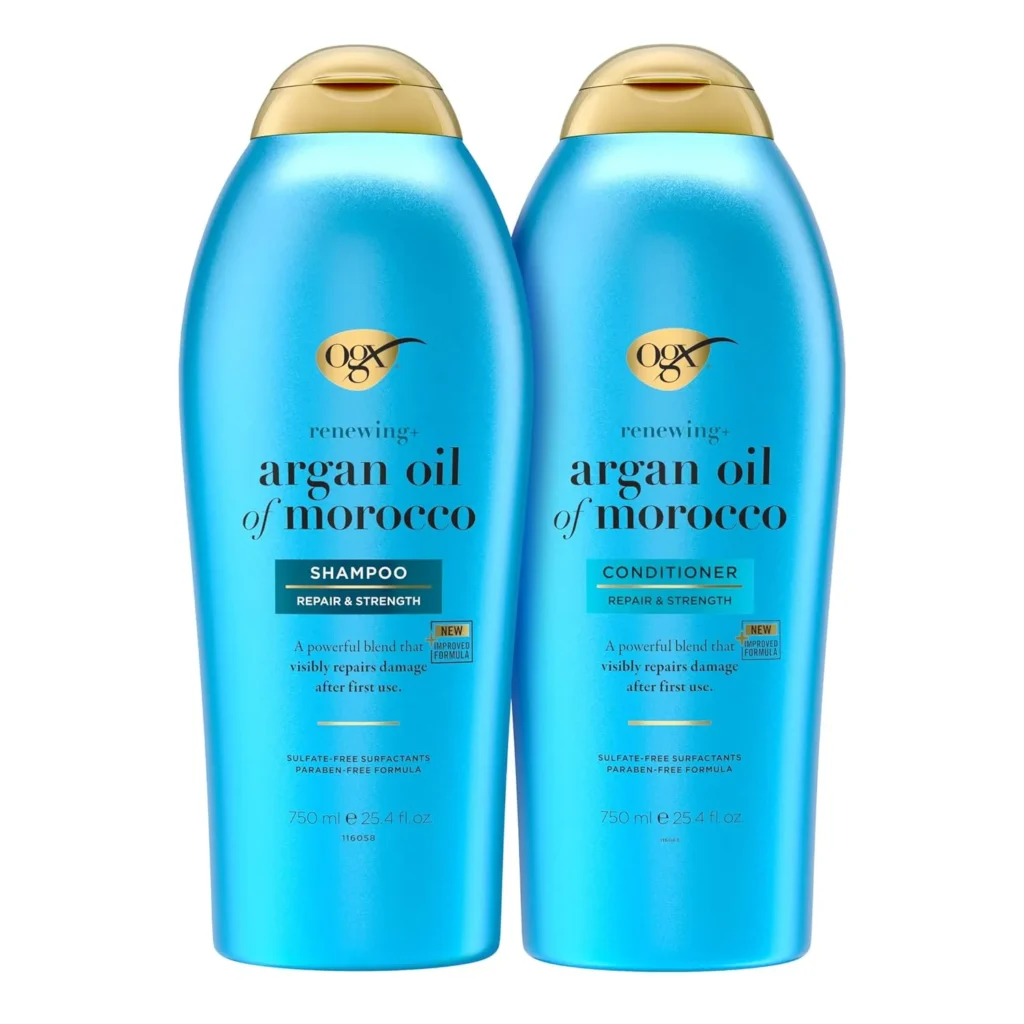
1. OGX Argan Oil of Morocco Shampoo & Conditioner
Country of Origin: United States Best for: Dry, frizzy, or color-treated long hair
This duo uses argan oil — a lightweight oil rich in fatty acids and vitamin E — to smooth the hair cuticle and restore shine without weighing hair down. It’s sulfate-free, which matters for long hair because harsh sulfates strip moisture that long strands can’t afford to lose.
Pros:
- Affordable and widely available
- Sulfate-free formula that preserves color
- Works well as a daily-use system
Cons:
- May not provide enough protein for highly damaged or chemically processed hair
- Fragrance can be strong for sensitive users
If you’re looking for an accessible entry point into moisture-focused care, this is a solid place to start.
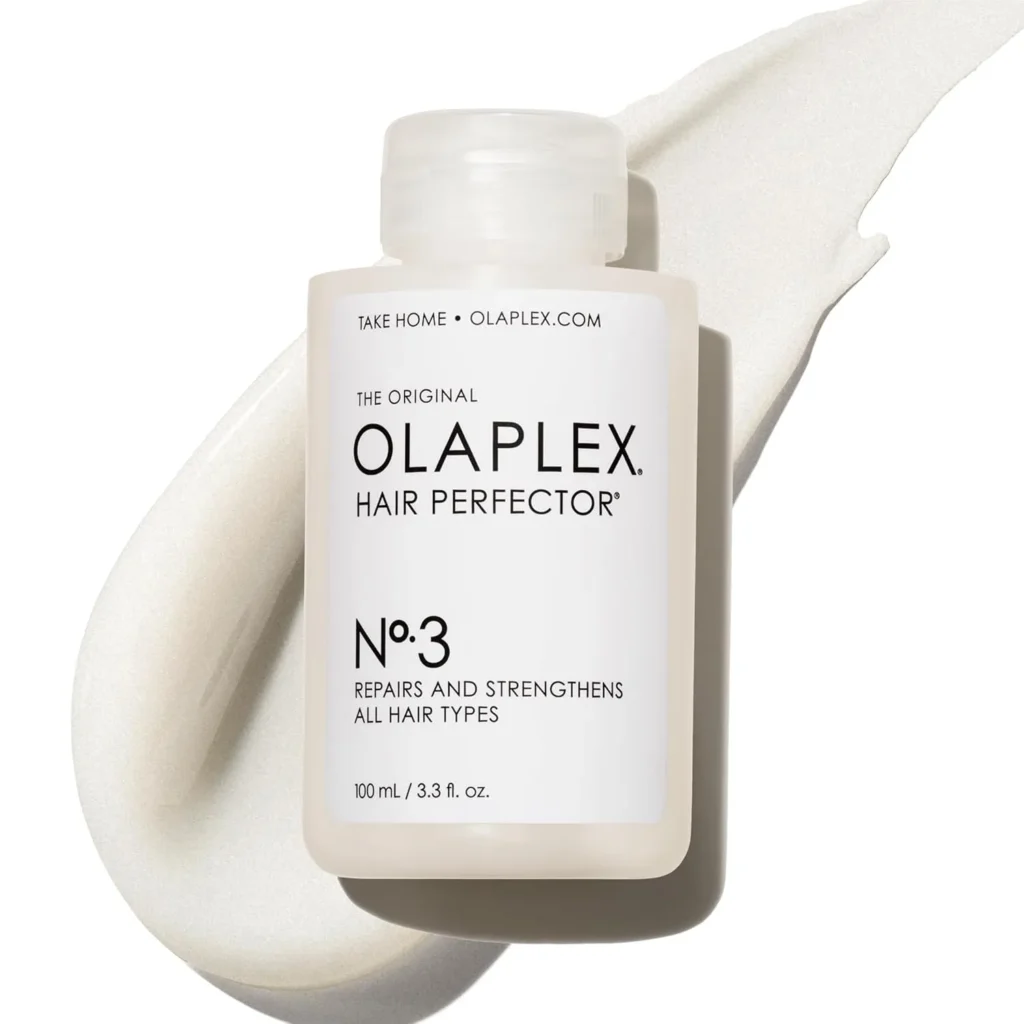
2. Olaplex No. 3 Hair Perfector
Country of Origin: United States Best for: Chemically treated, bleached, or heat-damaged long hair
Olaplex works differently from most conditioners. It uses a patented bond-building technology (bis-aminopropyl diglycol dimaleate) that reconnects broken disulfide bonds inside the hair shaft — the structural links that give hair its strength. This isn’t a coating product. It actually repairs from within.
Pros:
- Clinically supported bond repair technology
- Visible improvement in texture after consistent use
- Works on all hair types
Cons:
- Higher price point than standard treatments
- Requires consistency — one use won’t transform damaged hair
- Not a substitute for professional treatment in severely damaged cases
For anyone with long, compromised hair, this treatment earns its reputation through results rather than marketing.
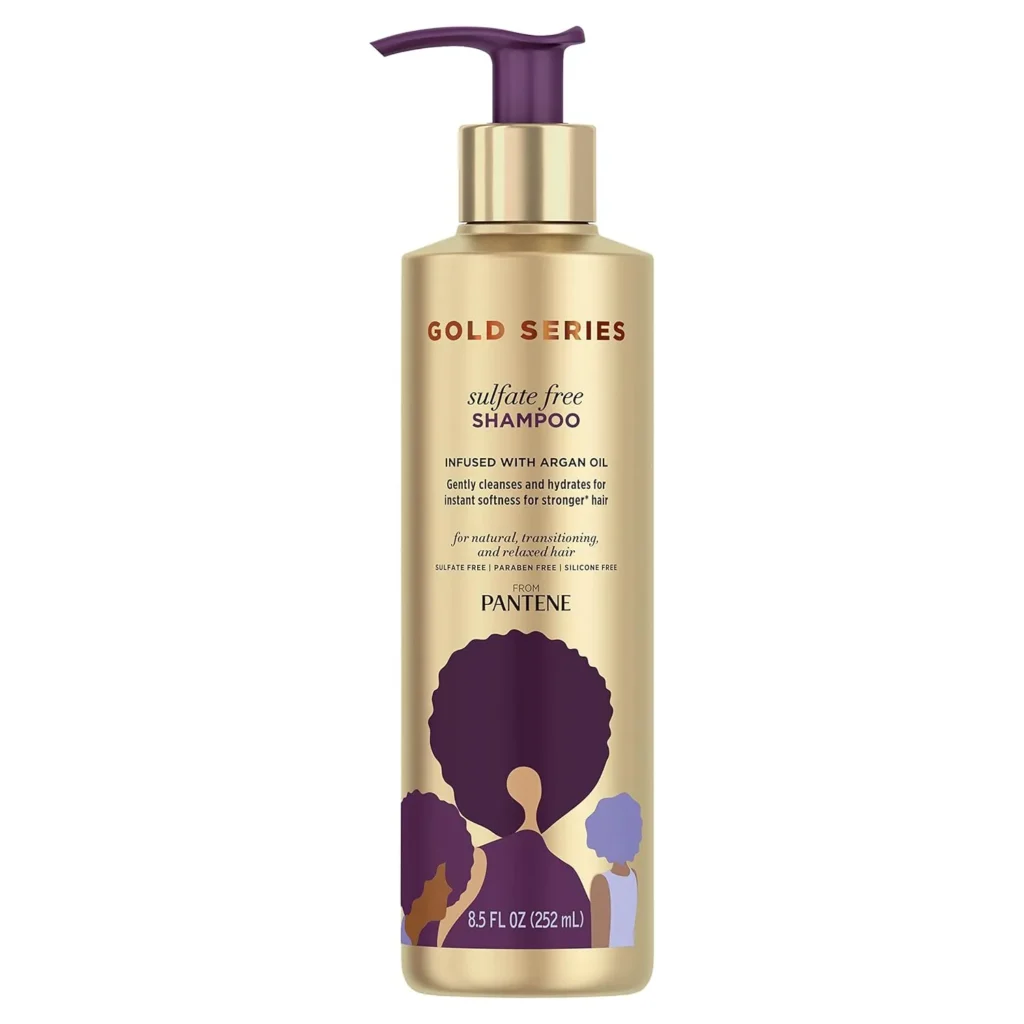
3. Pantene Gold Series Sulfate-Free Shampoo
Country of Origin: United States (formulated for textured and natural hair) Best for: Long natural, coily, or thick hair prone to dryness
This line was specifically developed with dermatologists and is formulated for denser, more textured hair types that need intense moisture without buildup. It uses a castor oil base alongside a conditioning complex that helps with detangling and softness.
Pros:
- Designed for high-porosity and textured hair
- Improves manageability, which reduces damage from detangling
- Reasonably priced for the quality
Cons:
- Can feel heavy on fine or thin long hair
- Some users need to clarify more frequently to prevent buildup
If your long hair is natural or textured and constantly thirsty for moisture, this line delivers without the premium price tag.
4. Moroccanoil Treatment (Original)
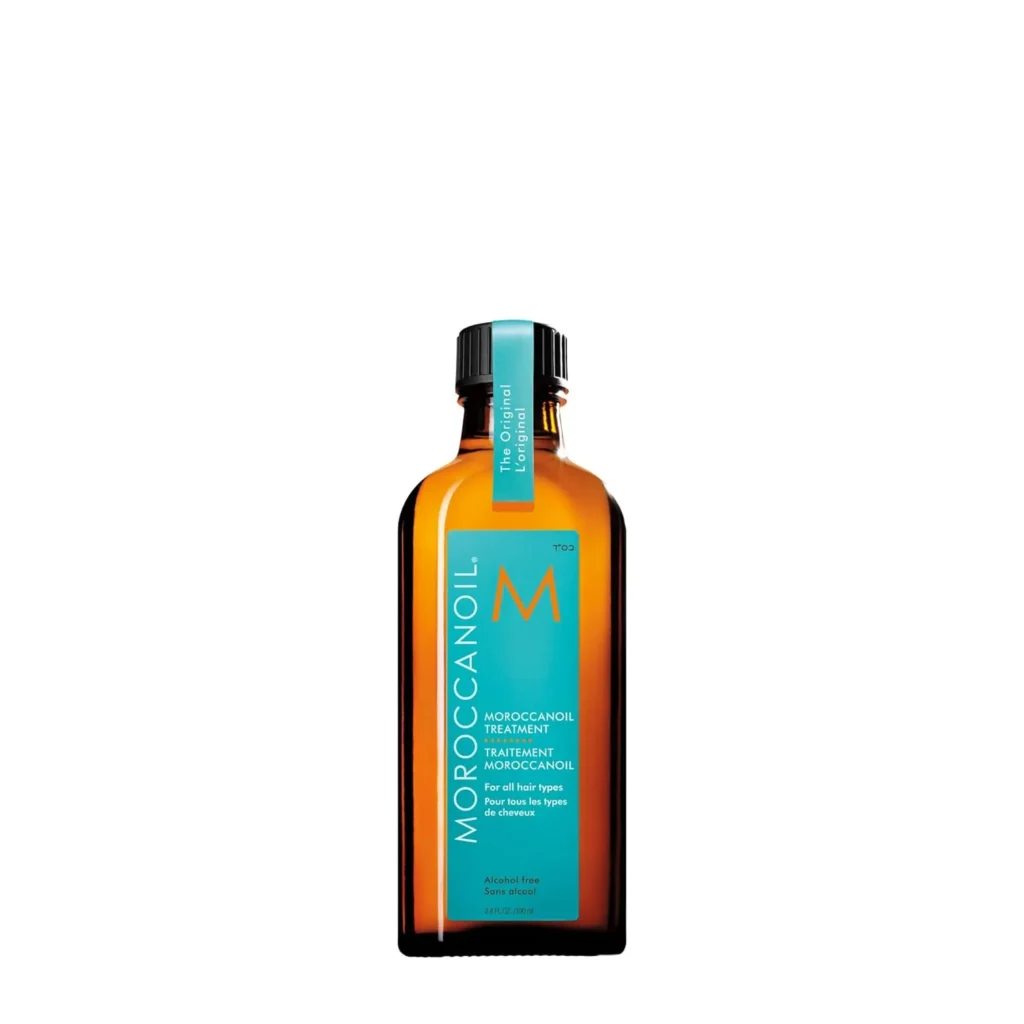
Country of Origin: Canada/Israel (internationally distributed) Best for: All long hair types needing frizz control and smoothness
Moroccanoil Treatment is a finishing oil applied to damp or dry hair. It’s not a wash-out product — it’s a styling and treatment oil that absorbs quickly and reduces drying time, frizz, and roughness along the hair length. It works because argan oil fills the gaps in a dry or damaged cuticle, creating a smoother surface.
Pros:
- Works on both wet and dry hair
- A small amount goes a long way
- Consistent results across different hair textures
Cons:
- Premium price for a small bottle
- Can feel greasy if overused on fine hair
Applied correctly, this product earns its place as a finishing step in almost any long hair routine.
Simple Daily Routine for Long Hair
Step 1 — Detangle Before Washing Use a wide-tooth comb on dry hair before getting in the shower. This prevents excessive breakage when hair is wet and most fragile.
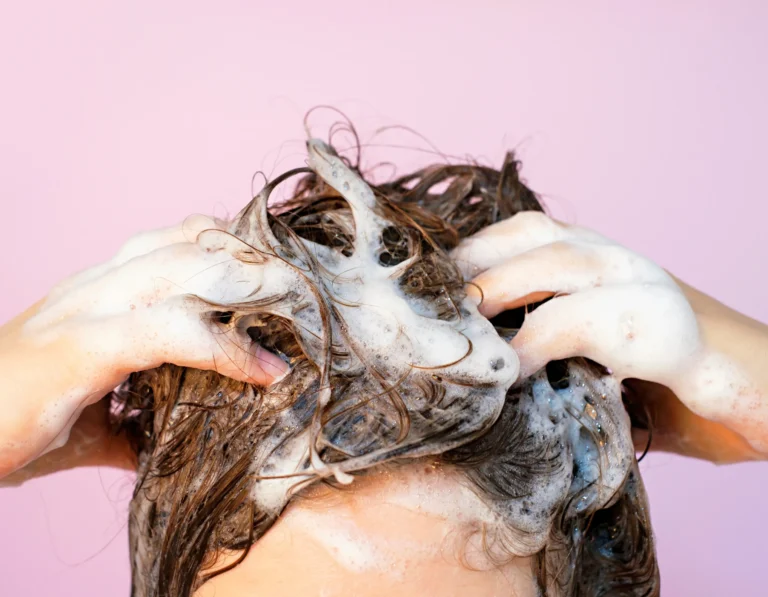
Step 2 — Shampoo the Scalp Only Focus shampoo on your roots and scalp. Let it rinse through the lengths rather than scrubbing ends directly.
Step 3 — Condition from Mid-Length to Ends Apply conditioner from the ears down. Leave it on for 2–5 minutes before rinsing.
Step 4 — Weekly Deep Treatment Once a week, use a bond-repair or deep moisture mask in place of your regular conditioner. Leave it on for 10–20 minutes.
Step 5 — Finish with a Light Oil or Serum On damp hair, apply a small amount of finishing oil to your mid-lengths and ends before air drying or diffusing.
Choosing the Right Product for Your Hair Type
Fine or thin long hair: Look for lightweight, volumizing formulas. Avoid heavy oils or butter-based products at the root.
Thick or coarse long hair: You need richer, more emollient products. Don’t be afraid of heavier creams and oils.
Color-treated or bleached hair: Bond repair products like Olaplex are worth the investment. Always use sulfate-free shampoos.
Natural or textured long hair: Prioritize moisture and slip. Look for products with castor oil, shea butter, or aloe vera.
Sensitive scalp: Avoid fragrance-heavy formulas and sulfates. Stick to gentle, minimal-ingredient products.
FAQ
Q: How often should I wash long hair? Most people with long hair benefit from washing 2–3 times per week. Overwashing strips natural oils that protect your ends.
Q: Is trimming really necessary if I want to grow my hair longer? Yes. Removing split ends every 8–12 weeks prevents splits from traveling up the shaft, which causes more length loss over time.
Q: Can I use the same products on my roots and ends? Not always. Your scalp produces oil and needs different care than your dry, older ends. Using lightweight products at the root and richer ones at the ends gives better results.
Q: Are expensive products always better? No. Price doesn’t always reflect performance. What matters is whether the ingredients match your hair’s specific needs.
Q: How long before I see results from a new hair care routine? Realistically, allow 4–8 weeks of consistent use before judging a new routine. Hair changes slowly.
Final Thoughts
Long hair rewards patience and consistency more than it rewards expensive products. The right routine — even a simple one — done regularly will outperform an elaborate routine done inconsistently. Start with what your hair actually needs, not what’s trending.
Results vary based on hair type, health, and consistency of use. This article is for informational purposes only and is not a substitute for professional hair care advice.