Best Hair Care Products for Natural Hair in 2026
Managing natural hair — whether it’s coily, kinky, or tightly curled — takes more than a basic wash-and-go routine. The right products can mean the difference between brittle, dry strands and hair that’s genuinely healthy over time. With an overwhelming number of options on the market, this guide is here to cut through the noise and help you make informed, confident choices — without the hype.
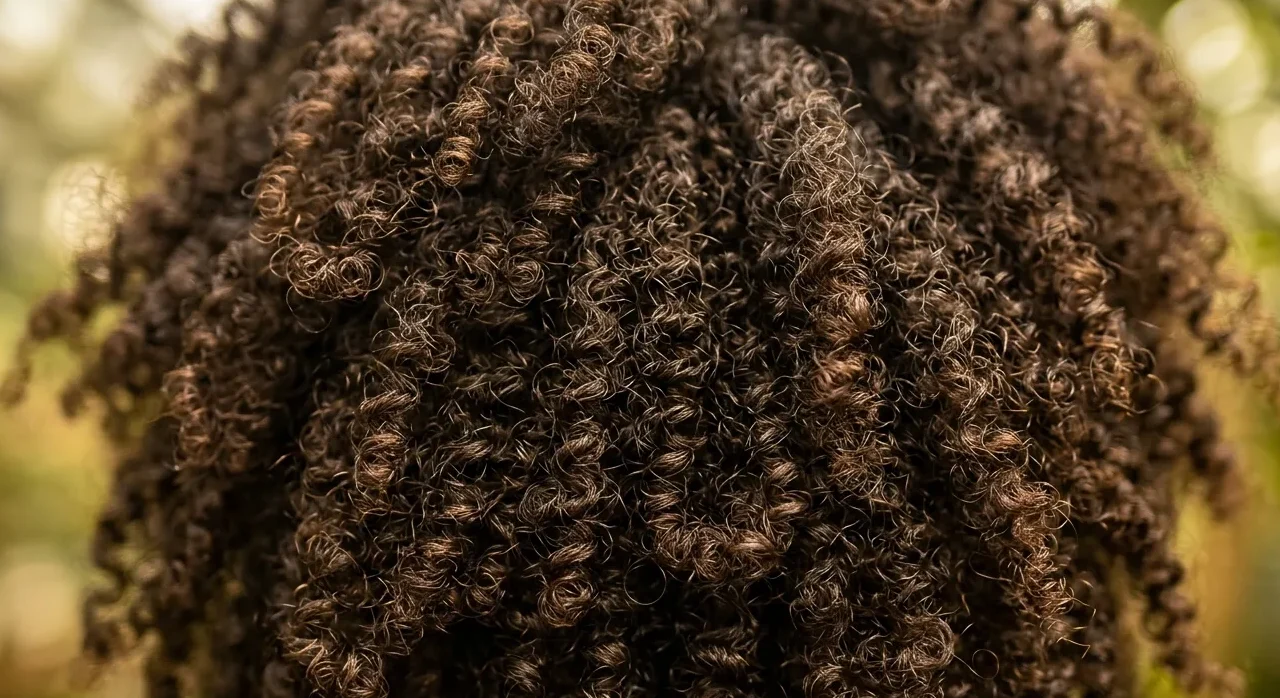
Table of Contents
What Makes Natural Hair Care Different
Natural hair has a tightly coiled or curved structure that makes it harder for the scalp’s natural oils to travel down each strand. This isn’t a flaw — it’s simply how this hair type works. Because of that structure, natural hair tends to lose moisture faster than straight hair types.
Products made for natural hair are designed to compensate for this. They focus on moisture retention, reducing friction between strands, and strengthening the hair shaft gradually. The best ones don’t just coat the hair temporarily — they support long-term hydration and elasticity with consistent use.
Key Benefits of Using the Right Products
Using products formulated for your hair type makes a real, measurable difference over time. Here’s what you can realistically expect:
- Improved moisture retention, reducing dryness and breakage at the source rather than masking it
- Enhanced curl definition without stiffness or heavy product buildup
- Fewer single-strand knots and mid-shaft splits caused by friction and dryness
- Better scalp health, addressing dryness or excess oil that can slow hair growth
- Stronger hair over time, especially when protein and moisture are kept in balance
- Easier detangling, which reduces mechanical damage during wash day and styling
Best Hair Care Products for Natural Hair
None of these are miracle workers. Consistent use and a good routine matter more than any single product. These recommendations cover different hair needs and price points.
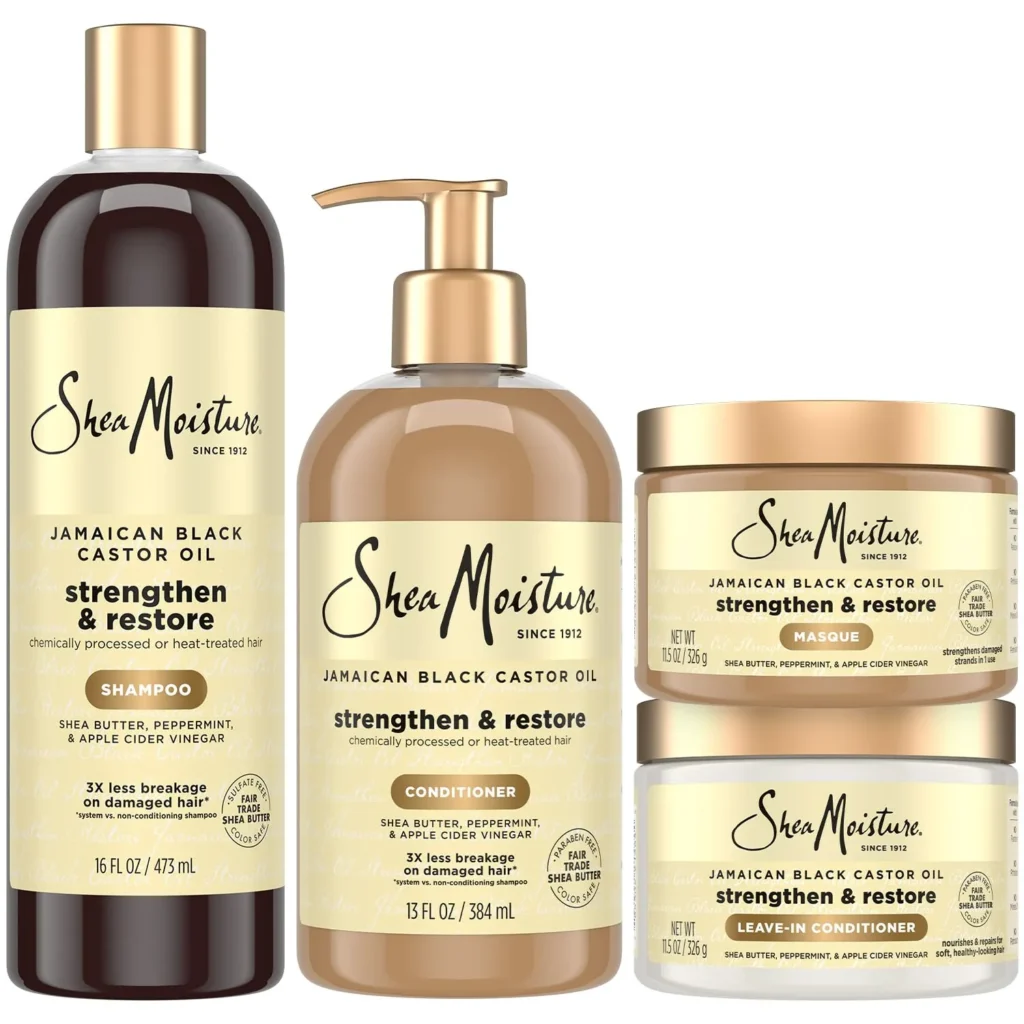
SheaMoisture Jamaican Black Castor Oil Shampoo — USA
Best for: Weak, brittle, or heat-damaged natural hair
This shampoo combines Jamaican black castor oil with apple cider vinegar and peppermint oil. Castor oil is nutrient-rich and supports scalp health while helping reduce shedding. The apple cider vinegar helps balance scalp pH and clears buildup without stripping moisture. It lathers modestly — which is actually a good sign, as it indicates a low sulfate formula.
Pros: Sulfate-free, strengthens over time, affordable, and suitable for color-treated hair. Cons: Low lather can feel unfamiliar, the scent is strong, and it may not fully remove heavy styling products.
If breakage is your main concern, this is a sensible place to start before investing in more intensive treatments.
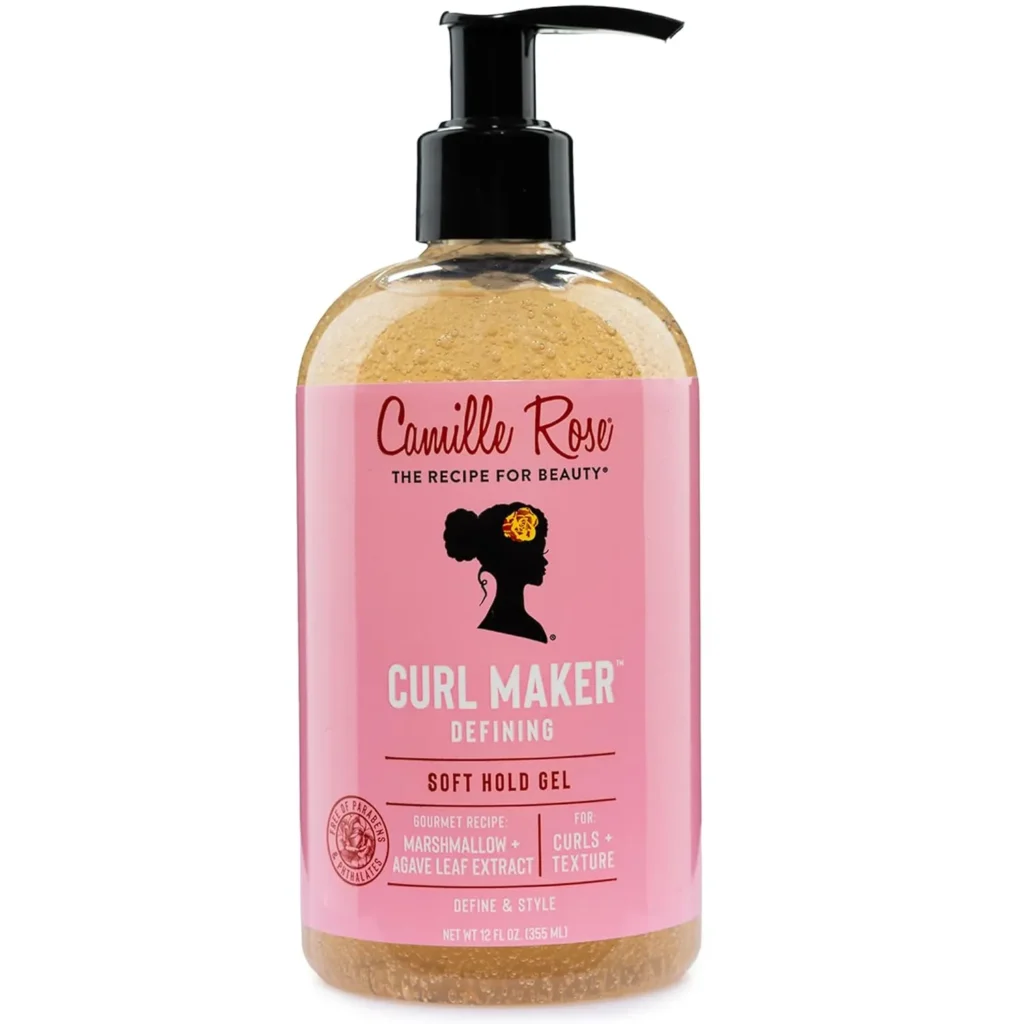
Camille Rose Naturals Curl Maker — USA
Best for: Type 3c–4c hair needing definition without crunch
A gel-cream hybrid made with aloe vera, marshmallow root, and honey. Aloe seals in moisture, marshmallow root softens and adds slip, and honey acts as a humectant — drawing moisture from the air into the hair shaft. The result is soft, flexible definition without the stiff finish of a traditional gel.
Pros: No drying alcohol, works well on wash-and-go styles, and layers well with other leave-ins. Cons: Can cause buildup without regular clarifying, heavier formula is less ideal for fine natural hair, and the price is mid-to-high.
Worth trying if traditional gels have left your hair feeling stiff or plastic-like.
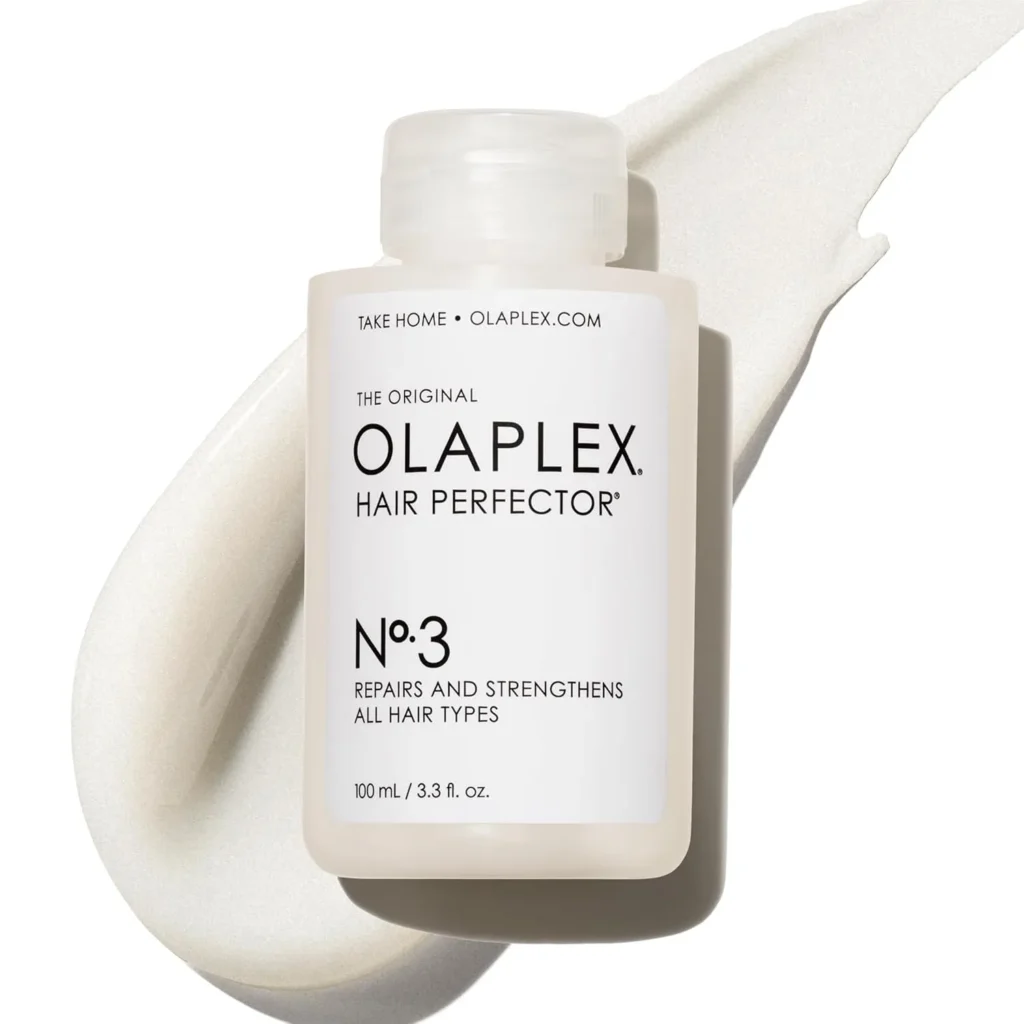
Olaplex No. 3 Hair Perfector — USA
Best for: Chemically processed or color-treated natural hair
Olaplex works differently from most conditioning treatments. It contains a bond-building technology that works at a structural level — reconnecting broken disulfide bonds inside the hair shaft. This is particularly useful for natural hair that’s been relaxed, colored, or regularly heat-styled. It’s used before shampooing as a repair treatment, not a moisturizer.
Pros: Clinically supported repair technology, works on all textures, and elasticity improves noticeably after 2–3 consistent uses. Cons: One of the pricier options, it doesn’t provide moisture on its own, and results build gradually rather than immediately.
If chemical processing has left your natural hair fragile, this is one of the few treatments backed by real science.
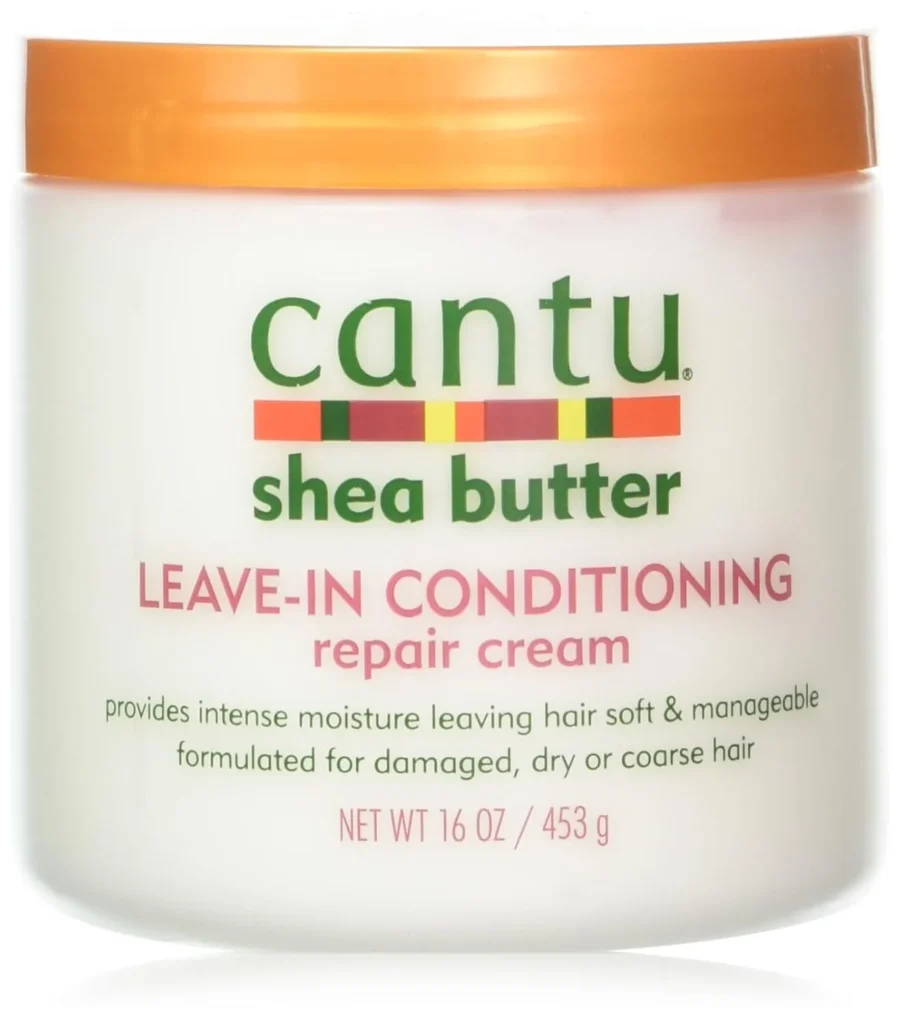
Cantu Shea Butter Leave-In Conditioning Repair Cream — USA
Best for: Everyday moisture maintenance on all natural hair types
Built around shea butter, one of the most dependable emollients for dry or coarse hair. It seals the cuticle while adding softness and reducing frizz. Light enough for daily use and works well as a base before applying stylers. It fits naturally into the L.O.C. method — liquid, oil, cream — which many naturalistas use to layer moisture effectively.
Pros: Very affordable for the quantity, works on dry or damp hair, and free of sulfates, parabens, and mineral oil. Cons: Can feel heavy on fine or low-porosity hair, and the fragrance may irritate sensitive scalps.
A dependable everyday option, especially for those building a routine on a budget.
A Simple Weekly Routine
Step 1 — Pre-poo (optional): Apply a light oil like coconut or olive oil to dry hair 30 minutes before washing. This reduces moisture loss during shampooing.
Step 2 — Shampoo: Use a sulfate-free shampoo once a week or every ten days. Massage the scalp, not the ends.
Step 3 — Deep condition: Alternate between a moisture-based and a protein deep conditioner week by week. Leave it on for 15–30 minutes, with a little heat for better absorption.
Step 4 — Detangle: Use a wide-tooth comb or your fingers while the conditioner is still in. Always work from tip to root.
Step 5 — Apply leave-in: On damp hair, apply your leave-in cream and seal with a light oil before styling.
Step 6 — Protect at night: Sleep on a satin pillowcase or wear a satin bonnet. This single habit can significantly reduce morning dryness and breakage over time.
Choosing the Right Product for Your Hair
If your hair has low porosity, it resists moisture absorption. Use lighter leave-ins, apply products on warm or steamed hair, and avoid heavy butters that sit on top without penetrating.
If your hair has high porosity, it absorbs moisture quickly but loses it just as fast. Richer creams and heavier sealing oils work better, and regular protein treatments help maintain strength.
If you have fine natural hair, skip thick butters and heavy gels. Mousse-style definers and lightweight leave-ins will give you hold without weighing your curls down.
If you have a sensitive scalp, stick to fragrance-free and alcohol-free formulas. Avoid synthetic dyes and ingredients like menthol, which can cause irritation with prolonged use.
Frequently Asked Questions
How often should I wash natural hair? Most people do well washing once a week or every ten days. Washing too frequently strips moisture. Waiting too long causes buildup. Find a schedule that keeps your scalp comfortable and your hair hydrated.
Is protein treatment always necessary? Not for everyone. If your strands feel mushy or stretch excessively before snapping, you likely need more protein. If your hair feels stiff and breaks quickly with little stretch, you need more moisture. Use protein based on what your hair is showing you, not as a routine habit.
Can hair products cause scalp problems or breakouts? Yes. Products with heavy mineral oil or petrolatum that migrate to the hairline can clog pores. Fragrance is also one of the most common causes of scalp irritation. Check ingredient lists carefully if you’re prone to either issue.
What’s the difference between a leave-in and a deep conditioner? A leave-in stays in your hair and provides daily moisture. A deep conditioner is a treatment you rinse out after 15–30 minutes. Both serve different purposes and most natural hair routines benefit from using both.
How long before I see real results? Most people notice softer hair and less breakage within 4–6 weeks of a consistent routine. Structural improvements from bond-building treatments typically take 2–3 months. Consistency matters more than any one product.
Final Thoughts
Natural hair care isn’t about finding the perfect product — it’s about understanding what your hair actually needs and building a routine you can maintain. The products in this guide are starting points, not guarantees.
Start with the basics. Add products one at a time so you can see what’s genuinely helping. Give any new routine at least a month before drawing conclusions.
The best results come from consistency, not from chasing whatever is trending.
Please note: Results vary from person to person. Hair type, water quality, climate, and routine consistency all play a role. This article is for informational purposes only and is not a substitute for advice from a licensed dermatologist or trichologist if you’re experiencing significant hair loss or scalp conditions.