Is Coconut Oil Good for Your Hair?
If you’ve spent any time browsing beauty blogs or scrolling through hair care tips, you’ve almost certainly come across coconut oil being praised as a miracle ingredient. It’s affordable, natural, and easy to find — but does it actually live up to the hype? The answer is yes, but with some important nuances. Here’s everything you need to know about using coconut oil on your hair.
Table of Contents
What Makes Coconut Oil Special?
Not all oils are created equal, and coconut oil stands out for one key reason: its molecular structure. Coconut oil is rich in lauric acid, a medium-chain fatty acid that has a small molecular size. This allows it to actually penetrate the hair shaft rather than just sitting on top of it like most other oils do.
When you apply most oils to your hair, they coat the outside of the strand and add shine. Coconut oil goes a step further — it absorbs into the cortex of the hair, the inner layer, and nourishes from the inside out. This is what makes it genuinely different and genuinely effective for many people.
The Real Benefits of Coconut Oil for Hair
It reduces protein loss. One of the most well-documented benefits of coconut oil is its ability to prevent protein loss from the hair. Hair is made of a protein called keratin, and everyday activities like washing, brushing, and heat styling can strip it away. Studies have shown that coconut oil, applied both before and after washing, significantly reduces this protein loss compared to mineral oil or sunflower oil.
It deeply moisturizes. Dry, brittle hair loves coconut oil. Because it penetrates the shaft, it hydrates from within rather than just adding a surface layer of moisture. This makes it particularly helpful for people with dry, coarse, or curly hair types that tend to lose moisture quickly.
It tames frizz and adds shine. Even when used as a light surface treatment, coconut oil smooths down the outer layer of the hair cuticle, which reduces frizz and reflects light more evenly — giving your hair a healthy, glossy appearance.
It soothes the scalp. Coconut oil has natural antifungal and antibacterial properties, largely thanks to its lauric acid content. This makes it a useful remedy for a dry, itchy, or flaky scalp. It can help calm irritation and even combat mild dandruff when used as a scalp massage oil.
It protects against heat and environmental damage. Using a small amount of coconut oil before heat styling creates a light barrier between your hair and the heat source. It won’t replace a proper heat protectant, but it does add an extra layer of protection against daily damage from styling tools and environmental factors like sun exposure and pollution.
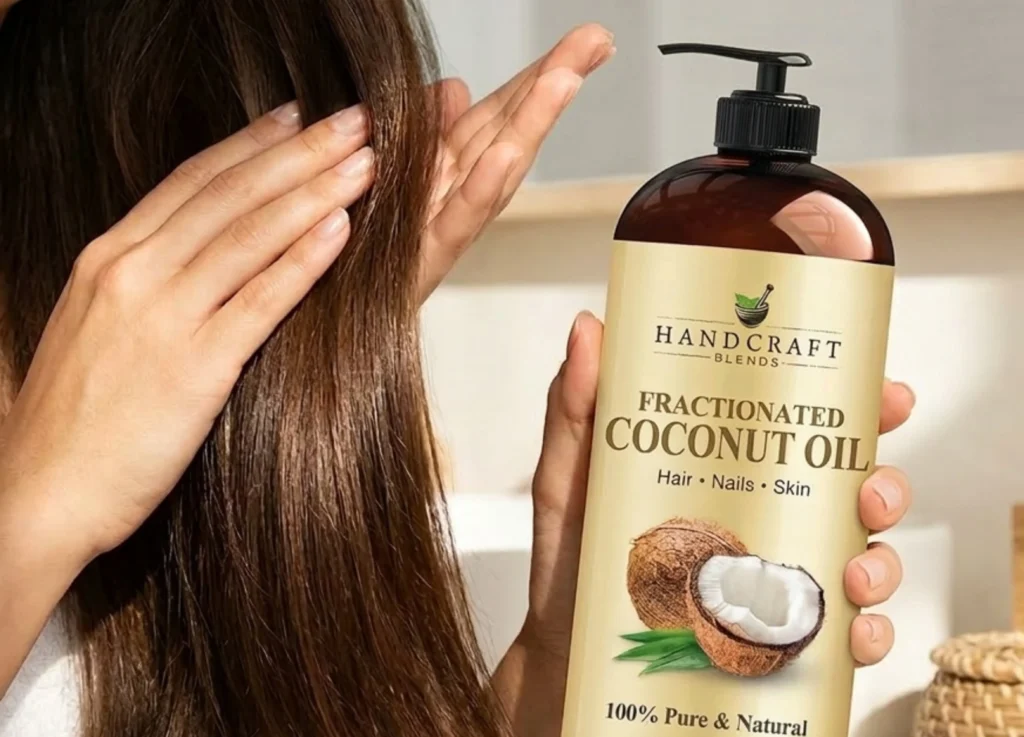
Who Benefits Most from Coconut Oil?
Coconut-oil works best for people with dry, thick, coarse, or curly hair. These hair types tend to be naturally more porous and protein-hungry, which means they absorb coconut oil beautifully and respond with softness, shine, and improved manageability.
People with color-treated or chemically processed hair can also benefit greatly. These processes often leave hair damaged and stripped of natural proteins, and coconut oil can help restore some of that lost strength and moisture.
Who Should Be Careful with Coconut Oil?
Coconut-oil is not universally perfect for every hair type, and this is where many people go wrong.
If you have fine or low-porosity hair, coconut oil may actually cause more harm than good. Low-porosity hair has tightly closed cuticles that make it difficult for products to absorb. Instead of penetrating the shaft, the oil just builds up on the surface, leaving hair feeling greasy, heavy, and limp. If your hair feels worse after using coconut oil, this is likely why.
People who are prone to scalp buildup or oily scalps should also use it sparingly. Applying too much oil to an already oily scalp can clog follicles and lead to breakouts or increased scalp issues.
The golden rule: always start with a very small amount and observe how your hair responds over time.
How to Use Coconut Oil Correctly
Getting the benefits from coconut oil is all about how and when you apply it.
As a pre-wash treatment: Apply coconut-oil to dry hair from mid-length to ends about 30 minutes to an hour before shampooing. This is one of the best uses because it protects the hair during the washing process when strands are most vulnerable to protein loss. You can even leave it overnight for a deeper treatment.
As a deep conditioning mask: Warm a tablespoon of coconut oil between your palms and apply it generously throughout your hair. Cover with a shower cap and leave on for at least an hour — or overnight. Then wash out thoroughly with shampoo.
As a light finishing serum: Take just a tiny amount — we’re talking a pea-sized drop — rub it between your fingers, and smooth it over the ends of dry hair to tame flyaways and add shine. Less is always more here.
As a scalp treatment: Massage a small amount directly into the scalp using your fingertips. Leave it on for 20 to 30 minutes before washing. This is especially helpful for dry scalp or dandruff concerns.
Tips to Get the Best Results
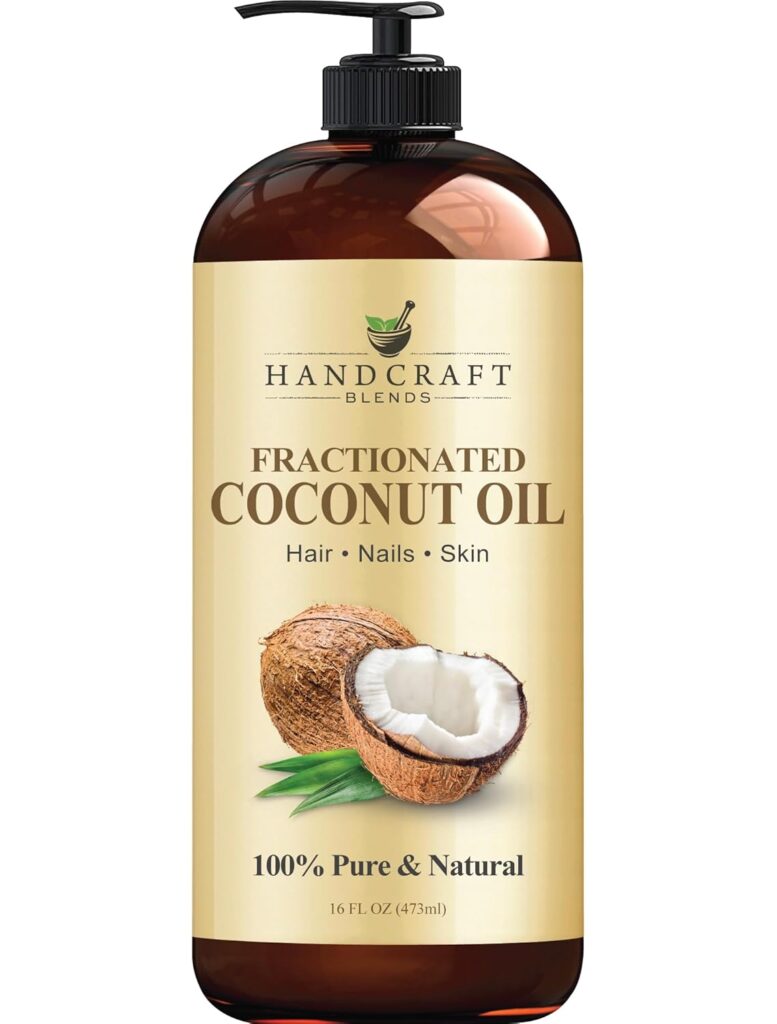
Always use virgin or extra virgin coconut oil — unrefined versions retain more of the natural nutrients and are far more effective than refined coconut oil, which has been processed and stripped of some beneficial compounds.
Warm the oil slightly before applying. Coconut oil is solid at room temperature and melts easily. A slightly warm oil spreads more evenly and absorbs better.
Don’t overdo it. One of the most common mistakes is using too much. A little goes a very long way, especially on fine hair.
The Bottom Line
Coconut oil is genuinely good for your hair — but it’s not a one-size-fits-all miracle cure. For dry, thick, curly, or damaged hair, it can be a total game-changer, delivering deep moisture, reduced breakage, a healthier scalp, and beautiful shine. For fine or low-porosity hair, it’s best used sparingly or skipped altogether.
Like any beauty ingredient, the key is understanding your own hair type and using it in the way that works best for you. When used correctly, coconut oil is one of the most affordable and effective natural treatments you can add to your hair care routine.
Have you tried coconut-oil on your hair? Everyone’s hair is different — experiment, pay attention to how your hair responds, and adjust from there. Your best hair days might just be a jar of coconut oil away