What is the Best natural skin care moisturiser
Your skin is your body’s largest organ, and keeping it properly hydrated isn’t just about vanity—it’s about health. Yet many conventional moisturisers contain synthetic fragrances, parabens, and petroleum derivatives that can disrupt your skin’s natural barrier over time. More people are now turning to natural skin care moisturisers, seeking products that work with their skin rather than against it. If you’re researching alternatives that prioritise gentle, recognisable ingredients, you’re not alone. This guide will help you understand what makes natural moisturisers different and how to choose one that actually works for your skin type.
Table of Contents
What Makes Natural Moisturisers Different
Natural skin care moisturisers rely on plant-based oils, butters, and extracts that your skin recognises and absorbs more readily than synthetic alternatives. Instead of sitting on the surface, ingredients like jojoba oil, shea butter, and hyaluronic acid from botanical sources penetrate deeper to support your skin’s moisture barrier.
The key difference isn’t just what’s included—it’s what’s left out. Natural formulations avoid harsh preservatives, synthetic fragrances, and silicones that create a temporary “slip” but don’t address underlying dryness.
These products work gradually. They don’t promise overnight transformation, but they do support your skin’s natural repair processes, leading to sustained improvement in texture, elasticity, and hydration over weeks of consistent use.
Key Benefits of Natural Moisturisers
- Supports skin barrier function without clogging pores or disrupting pH balance
- Reduces sensitivity by eliminating common irritants found in conventional products
- Provides lasting hydration through ingredients that mimic your skin’s natural sebum
- Gentler on reactive skin, including eczema-prone and rosacea-prone complexions
- Environmentally conscious formulations that break down naturally
- Compatible with all skin types when properly matched to individual needs
Best Natural Skin Care Moisturisers
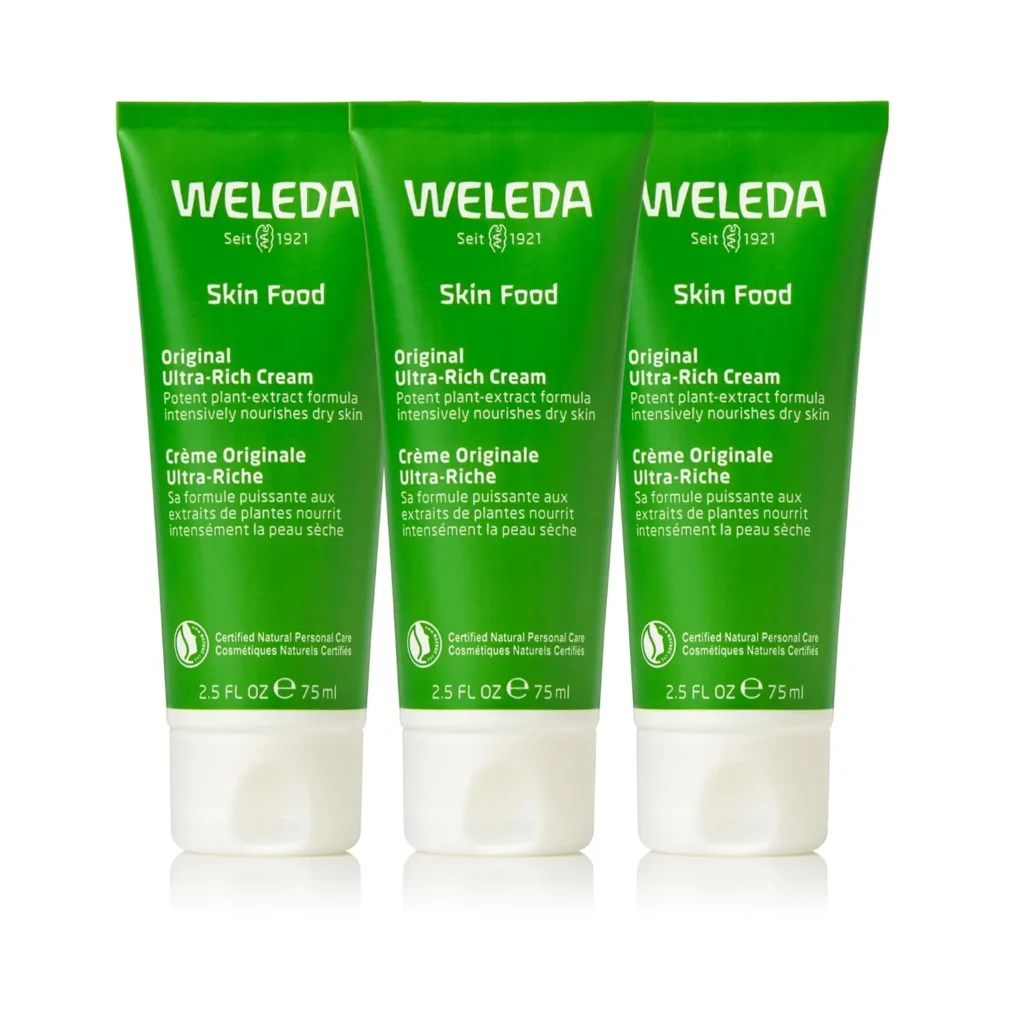
1. Weleda Skin Food Original (Switzerland)
Best for: Extremely dry patches, rough elbows and knees, winter skin protection
This cult-favourite balm contains sunflower seed oil, pansy extract, and chamomile in a rich, concentrated formula. It’s been unchanged since 1926 because it works—penetrating deeply without leaving a greasy residue once absorbed.
Pros:
- Multi-purpose (face, body, hands, even hair ends)
- A little goes a long way
- Certified natural by NATRUE
Cons:
- Strong herbal scent (not for fragrance-sensitive users)
- Too heavy for oily or acne-prone facial skin
Weleda Skin Food works best when applied to slightly damp skin after a shower, allowing the water to help distribute the product more evenly.
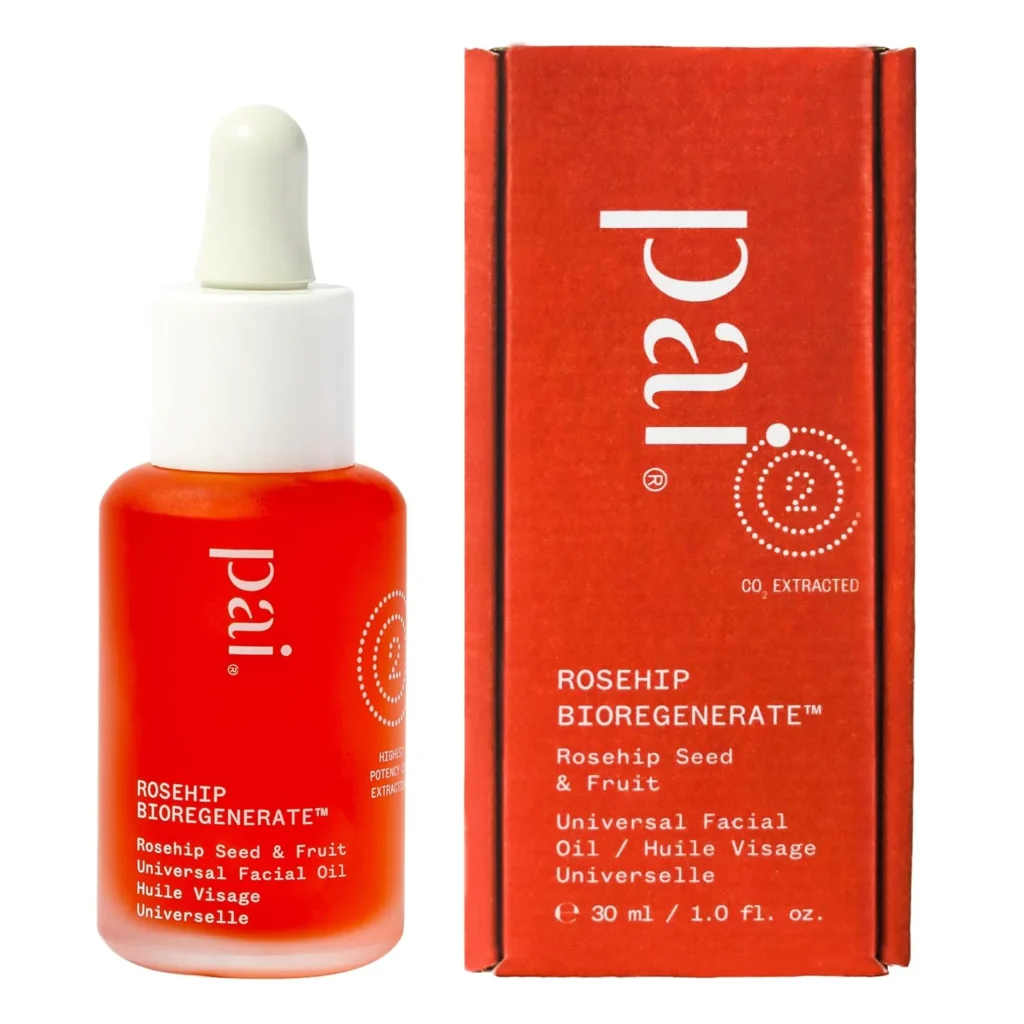
2. Pai Skincare Rosehip BioRegenerate Oil (UK)
Best for: Mature skin, scarring, hyperpigmentation, and fine lines
This organic rosehip seed oil is CO2-extracted to preserve omega fatty acids and vitamin A. It absorbs quickly despite being an oil, making it suitable for layering under sunscreen or makeup.
Pros:
- Clinically proven to reduce scarring and wrinkles
- Pure single ingredient (just rosehip oil)
- Certified organic and vegan
Cons:
- Must be used consistently for 8-12 weeks to see results
- Can oxidise if not stored properly (keep away from light)
For best results, press 2-3 drops into clean skin morning and night. Your skin should feel soft but not slick within minutes.
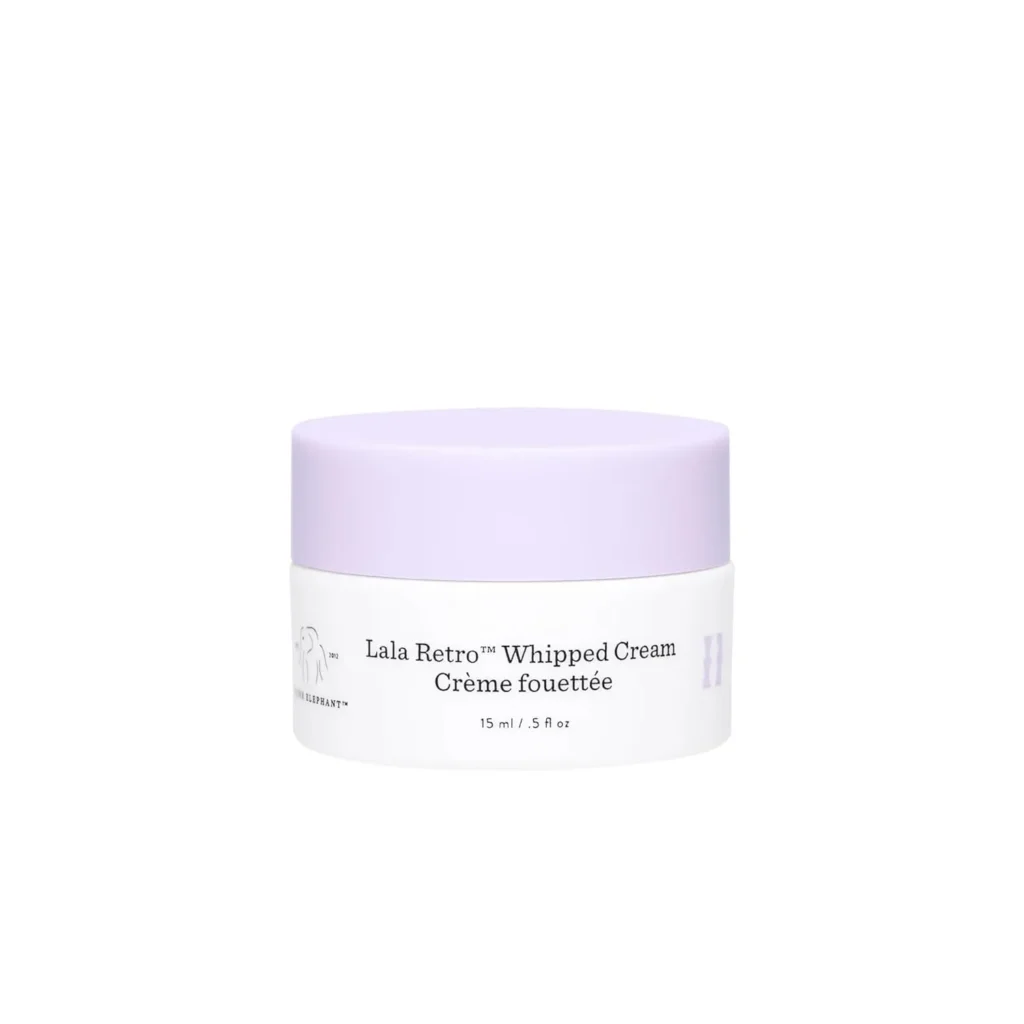
3. Drunk Elephant Lala Retro Whipped Cream (USA)
Best for: All skin types needing rich moisture without heaviness
This ceramide-rich moisturiser contains six rare African oils plus plant ceramides that mimic your skin’s natural lipid structure. The whipped texture feels indulgent but absorbs completely.
Pros:
- Fragrance-free and essential oil-free
- Strengthens compromised skin barriers
- Works well under makeup
Cons:
- Higher price point than other natural options
- May be too rich for very oily T-zones in summer
Apply to damp skin for maximum absorption, or mix with a facial oil for extra nourishment during colder months.
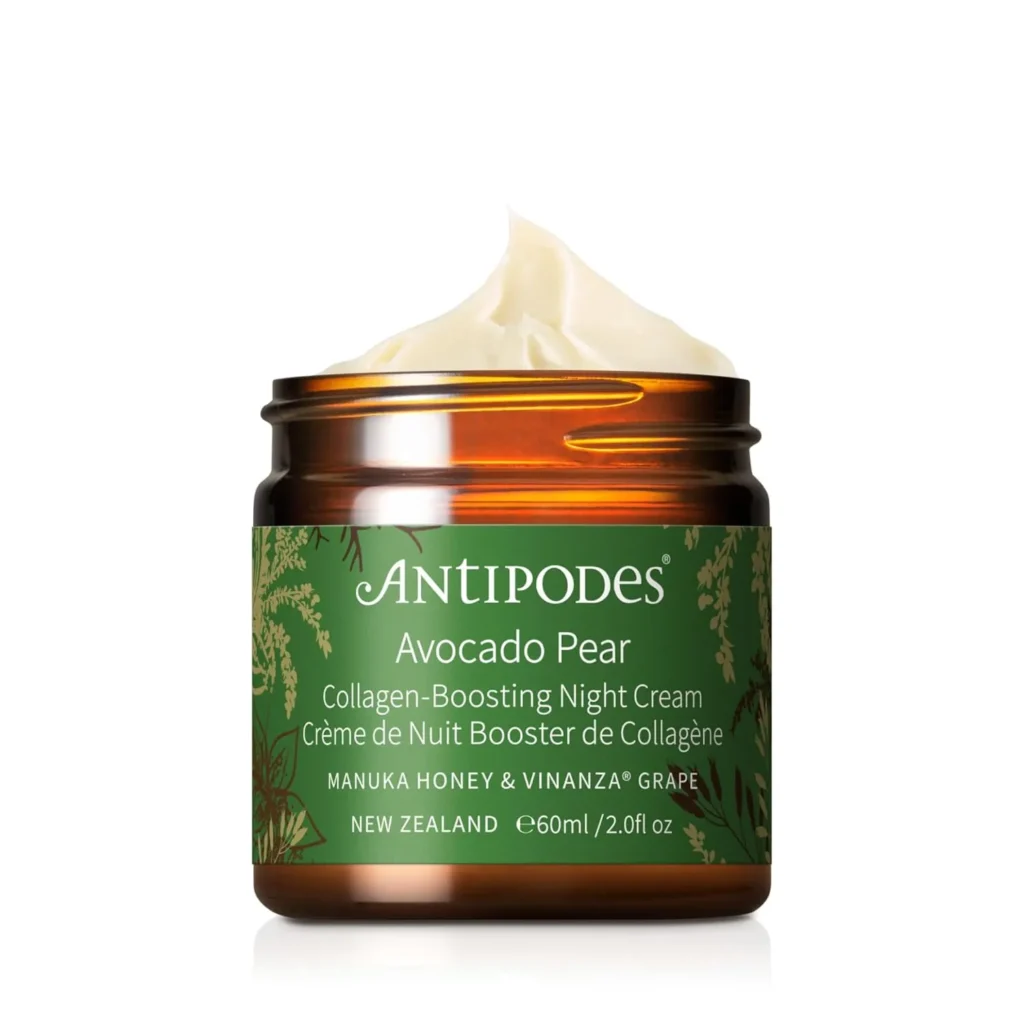
4. Antipodes Avocado Pear Nourishing Night Cream (New Zealand)
Best for: Dry, mature skin needing overnight repair
Avocado oil and Vinanza grape seed extract deliver essential fatty acids while you sleep. This cream is particularly effective for skin that feels tight or uncomfortable by evening.
Pros:
- Certified organic ingredients
- Sustainable packaging
- Noticeably plumper skin by morning
Cons:
- Too heavy for daytime use in humid climates
- Contains essential oils (avoid if sensitive)
Use as the final step in your nighttime routine, allowing 5 minutes for absorption before touching your pillowcase.
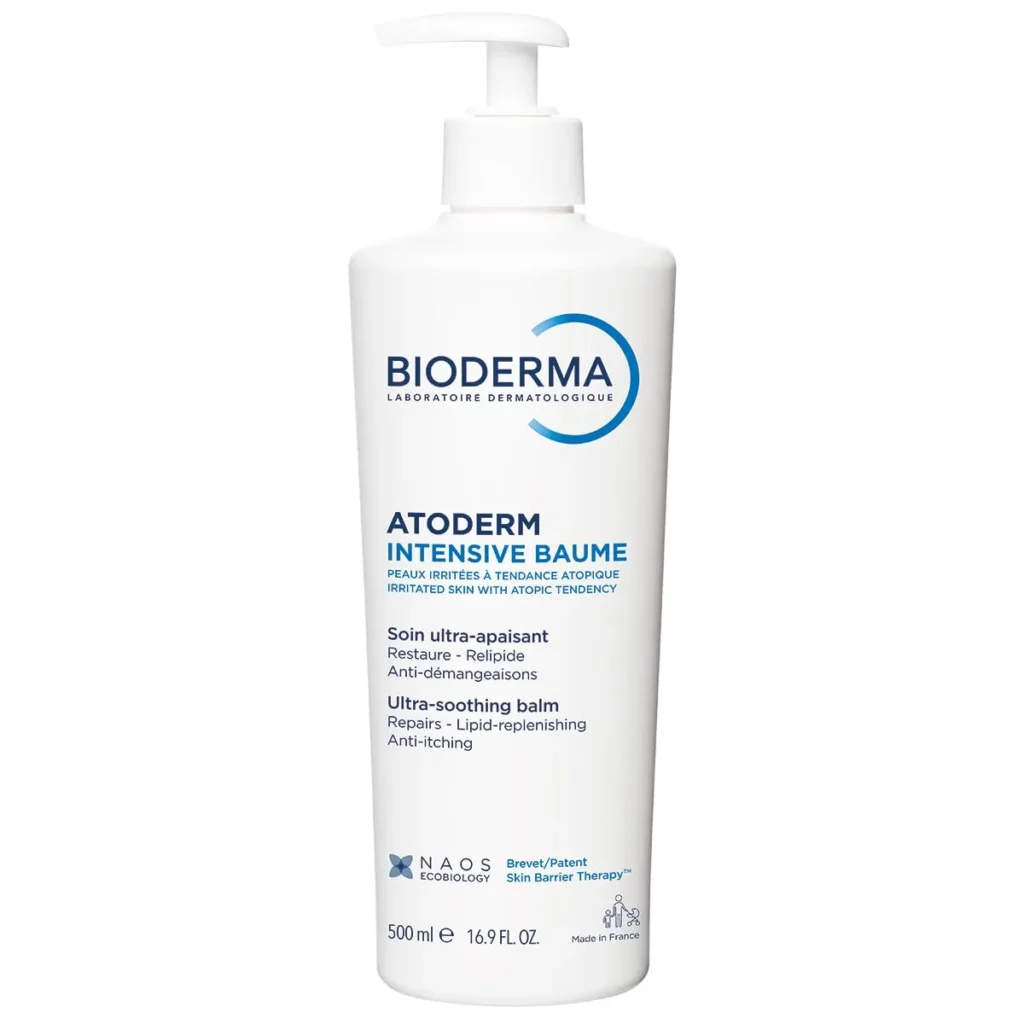
5. Bioderma Atoderm Intensive Baume (France)
Best for: Eczema-prone skin, dermatitis, severe dryness
Though technically more pharmaceutical than purely “natural,” this fragrance-free baume uses lipigenium technology to restore the skin’s protective film. It’s developed with dermatologists specifically for reactive skin.
Pros:
- Immediate relief for itching and tightness
- Safe for babies and adults
- Non-comedogenic despite rich texture
Cons:
- Less “botanical” than other options on this list
- Tube packaging isn’t as eco-friendly
Apply liberally to affected areas twice daily, especially after bathing when skin is most vulnerable.
Simple Daily Moisturising Routine
Morning:
- Cleanse with lukewarm water (hot water strips natural oils)
- Apply toner or hydrating mist while skin is still damp
- Press 2-3 drops of facial oil or a pea-sized amount of cream into skin
- Wait 2 minutes before applying sunscreen
Evening:
- Remove makeup and cleanse thoroughly
- Apply any treatment serums to clean skin
- Layer moisturiser over serums while face is slightly damp
- Use a richer formula or add facial oil if skin feels dry overnight
Weekly: Consider using your moisturiser as a 10-minute mask once or twice per week—apply a thick layer, let it penetrate, then tissue off excess.
Choosing the Right Natural Moisturiser
For dry skin: Look for shea butter, avocado oil, or ceramides. Choose balms or creams over lotions.
For oily or combination skin: Lightweight options with jojoba oil or squalane absorb quickly without adding shine. Avoid heavy butters.
For sensitive or reactive skin: Prioritise fragrance-free formulas with minimal ingredient lists. Chamomile and oat extracts soothe inflammation.
For mature skin: Seek rosehip oil, peptides from botanical sources, or vitamin C from kakadu plum. These support collagen production naturally.
For acne-prone skin: Non-comedogenic oils like hemp seed or rosehip won’t clog pores. Avoid coconut oil and thick butters on facial skin.
Frequently Asked Questions
Do natural moisturisers expire faster than conventional ones? Yes, typically within 6-12 months of opening. Natural preservatives like vitamin E and rosemary extract are less aggressive than synthetic alternatives. Check for changes in smell or texture, and store products in cool, dark places.
Can I use body moisturiser on my face? Not ideal. Facial skin is thinner and more sensitive. Body moisturisers often contain fragrances or thicker emollients that can clog facial pores or cause irritation.
Will switching to natural products cause a “purging” period? Unlikely with moisturisers alone. Unlike active ingredients (retinol, acids), moisturisers shouldn’t cause breakouts. If irritation occurs, you may be sensitive to a specific ingredient like essential oils.
Are natural moisturisers safe during pregnancy? Most are, but avoid products with essential oils like rosemary or clary sage unless approved by your healthcare provider. Stick to simple formulas with minimal ingredients.
How long before I see results? Hydration improves within days, but deeper benefits like improved texture or reduced fine lines take 4-8 weeks of consistent use. Natural ingredients work gradually but sustainably.
Final Thoughts
Natural skin care moisturisers aren’t magic, but they are effective when matched to your specific needs and used consistently. The best product is the one you’ll actually use twice daily, not the one with the longest ingredient list or highest price tag.
Pay attention to how your skin feels throughout the day. Tightness, flaking, or excessive oil production all signal that your current routine needs adjustment. Give any new product at least three weeks before deciding it’s not working—your skin needs time to adapt.
Remember that results vary based on climate, diet, stress levels, and genetics. What works beautifully for someone else might not suit you, and that’s completely normal. Trust your skin’s feedback over marketing claims, and don’t hesitate to adjust your routine seasonally or as your needs change.