What is the best cleanser for dry skin
Washing your face shouldn’t leave your skin feeling like sandpaper. Yet for people with dry skin, that tight, uncomfortable pulling sensation after cleansing is frustratingly common. The problem isn’t cleansing itself—it’s using the wrong type of cleanser that strips away the natural oils your skin desperately needs.
Dry skin requires a different approach. You need a cleansers that effectively removes dirt, makeup, and sunscreen without disrupting your already fragile moisture barrier. With so many products claiming to be “gentle” or “hydrating,” finding one that actually delivers can feel like guesswork. This review focuses on cleansers that have proven formulations for dry skin, backed by solid ingredients and real user results.

Table of Contents
What Makes a Cleanser Right for Dry Skin
The biggest mistake people with dry skin make is choosing foaming cleansers. That satisfying lather comes from harsh surfactants—typically sulfates—that strip your skin’s protective lipid layer along with dirt and oil.
Dry skin-friendly cleansers use gentler cleansing agents or rely on oils and creams that dissolve impurities without aggressive scrubbing action. The best formulas also contain ingredients that actively add moisture back during the cleansing process, not just after.
Your moisture barrier is a complex structure of lipids, ceramides, and natural moisturizing factors. A good cleanser for dry skin respects this structure, removing only what needs to go while preserving or even reinforcing what keeps your skin hydrated and comfortable.
Key Benefits of the Right Cleanser
- Cleanses without that tight, stripped feeling immediately after rinsing
- Maintains skin’s natural pH balance to support barrier function
- Removes makeup and sunscreen without requiring harsh rubbing
- Reduces flakiness and rough texture over consistent use
- Minimizes redness and irritation common with dry, sensitive skin
- Creates a better foundation for serums and moisturizers to absorb
Best Cleansers for Dry Skin
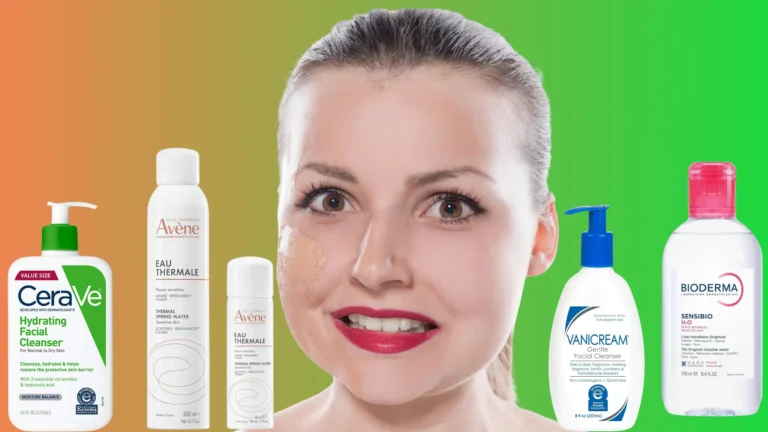
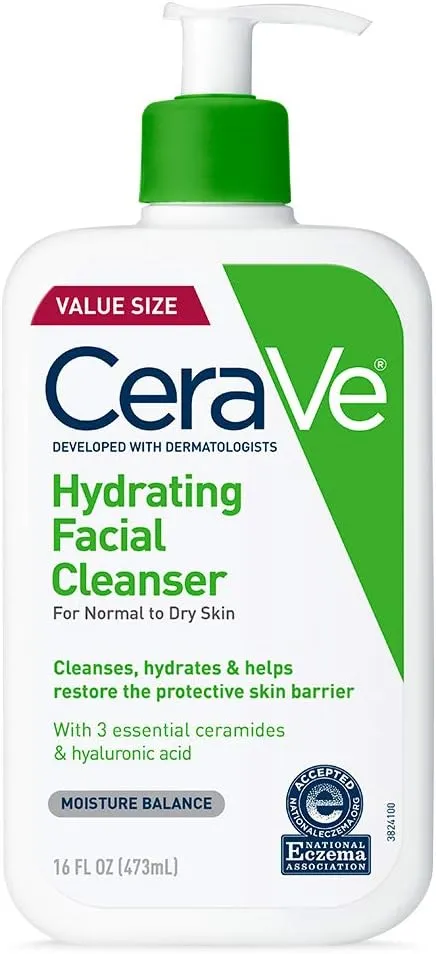
CeraVe Hydrating Facial Cleanser
Best for: Very dry skin needing daily barrier support
This dermatologist-developed cleanser has become a gold standard for dry skin. It combines three essential ceramides with hyaluronic acid in a creamy, non-foaming formula that cleanses while actively rebuilding your moisture barrier.
Pros:
- Contains ceramides 1, 3, and 6-II that repair barrier damage
- Hyaluronic acid provides hydration during cleansing
- Creamy texture doesn’t strip or foam
- Fragrance-free and non-comedogenic
- Excellent value for the size and quality
Cons:
- Doesn’t remove waterproof makeup in one pass
- Thicker consistency requires thorough rinsing
- Some find it leaves a slight film (which can be a plus for very dry skin)
If your skin feels uncomfortable within minutes of washing, this cleanser provides the barrier support you need while still effectively cleansing.
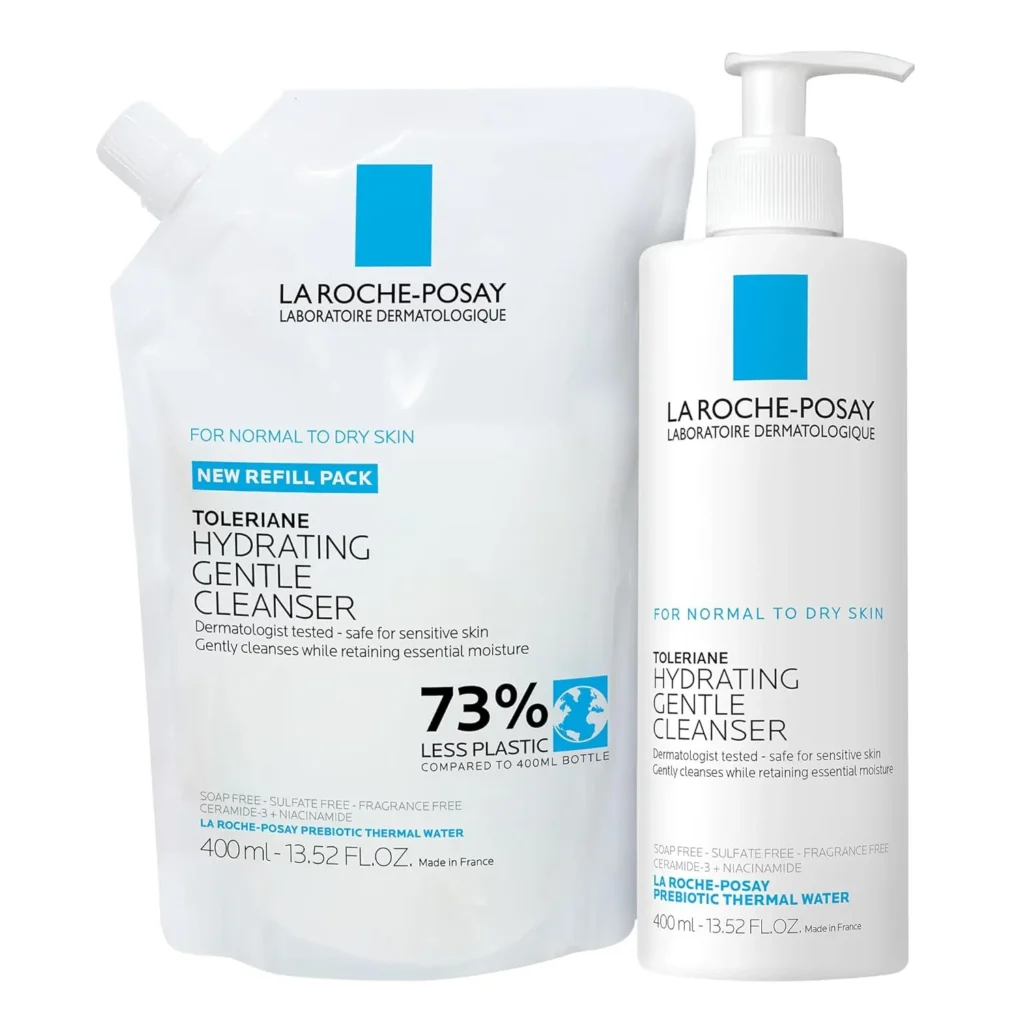
La Roche-Posay Toleriane Hydrating Gentle Cleanser
Best for: Dry, sensitive skin prone to reactions
This milky cleanser is formulated for skin that’s both dry and reactive. It uses a minimal ingredient list with La Roche-Posay’s signature thermal spring water and ceramide-3 for gentle but effective cleansing.
Pros:
- Extremely gentle formula suitable for eczema-prone skin
- Prebiotic thermal water supports skin’s microbiome
- No parabens, fragrance, or sulfates
- Removes light makeup without irritation
- Recommended by dermatologists for post-procedure care
Cons:
- Higher price point than drugstore alternatives
- May require double cleansing for heavy makeup
- Smaller bottle size
When your skin reacts to seemingly everything, this cleanser offers reliable gentleness without sacrificing proper cleansing.
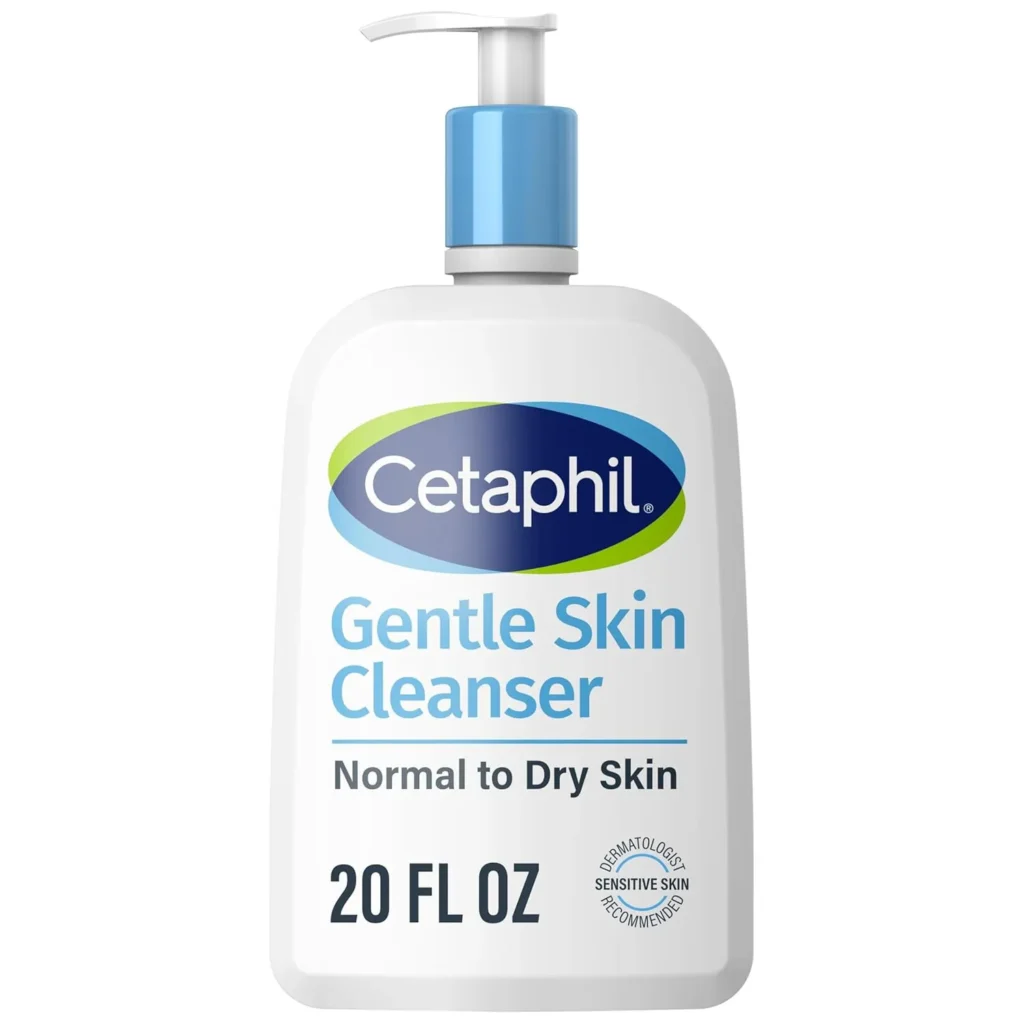
Cetaphil Face Wash, Daily Facial Cleanser
Best for: Budget-friendly option for mild to moderate dryness
A longtime dermatologist favorite, this classic cleanser has been trusted for decades. It’s a straightforward, effective formula that cleanses without unnecessary extras or potential irritants.
Pros:
- Very affordable and available everywhere
- Simple formula reduces risk of irritation
- Can be used with or without water
- Gentle enough for twice-daily use
- Suitable for both face and body
Cons:
- Basic formulation lacks barrier-repairing ingredients
- Slightly soapy feel doesn’t appeal to everyone
- Not the best for removing makeup
This is your reliable, no-frills option when you need something that simply won’t make your dryness worse.
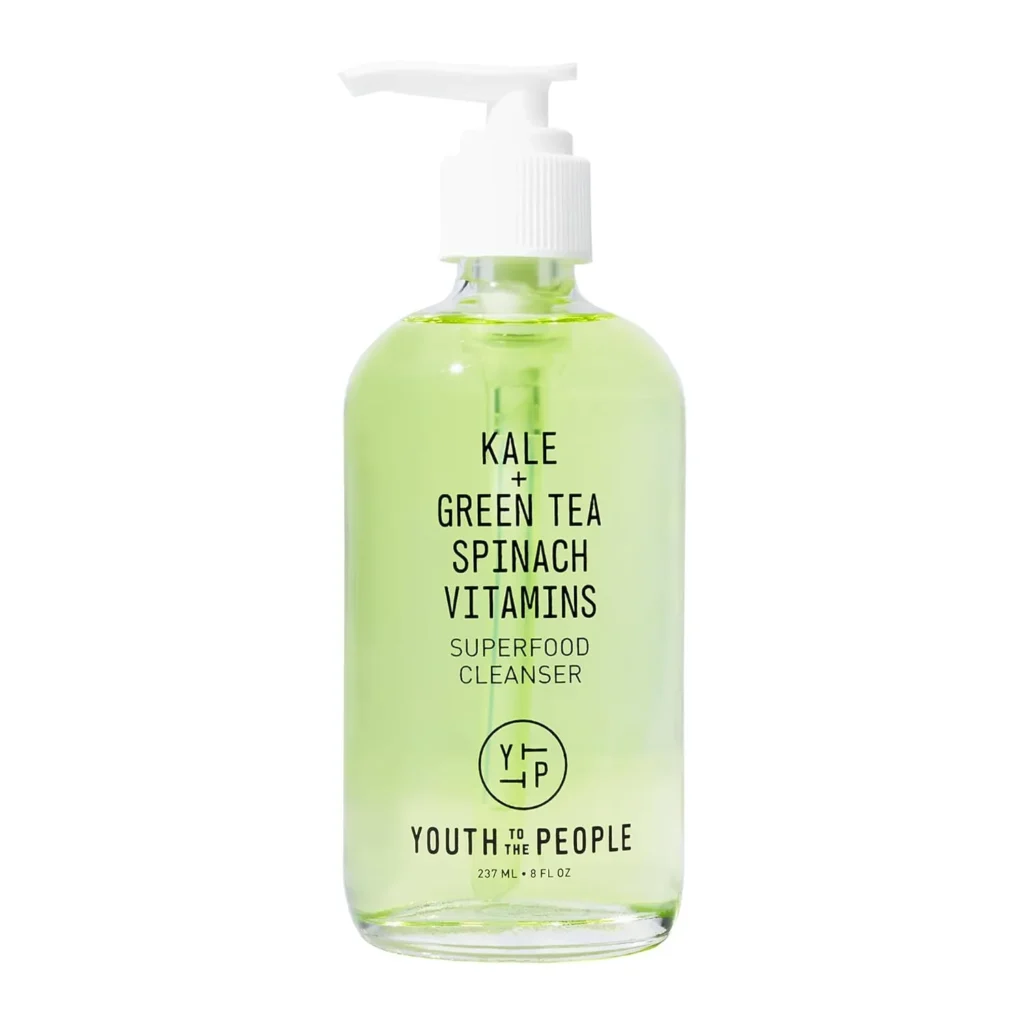
Youth to the People Superfood Antioxidant Cleanser
Best for: Dry skin wanting plant-based ingredients with gentle exfoliation
This gel-to-cream cleanser uses cold-pressed antioxidants from kale, spinach, and green tea. It’s designed for dry skin that also deals with dullness or uneven texture.
Pros:
- Rich in vitamins C, E, and K from whole plant extracts
- Removes makeup and impurities without stripping
- Subtle natural scent from ingredients (no added fragrance)
- Vegan and cruelty-free
- pH-balanced formula
Cons:
- Significantly more expensive than drugstore options
- Green color may stain washcloths
- May be too rich for combination skin types
If you prefer clean beauty formulations and your dry skin also looks tired or dull, this cleanser delivers gentle cleansing with a brightening boost.
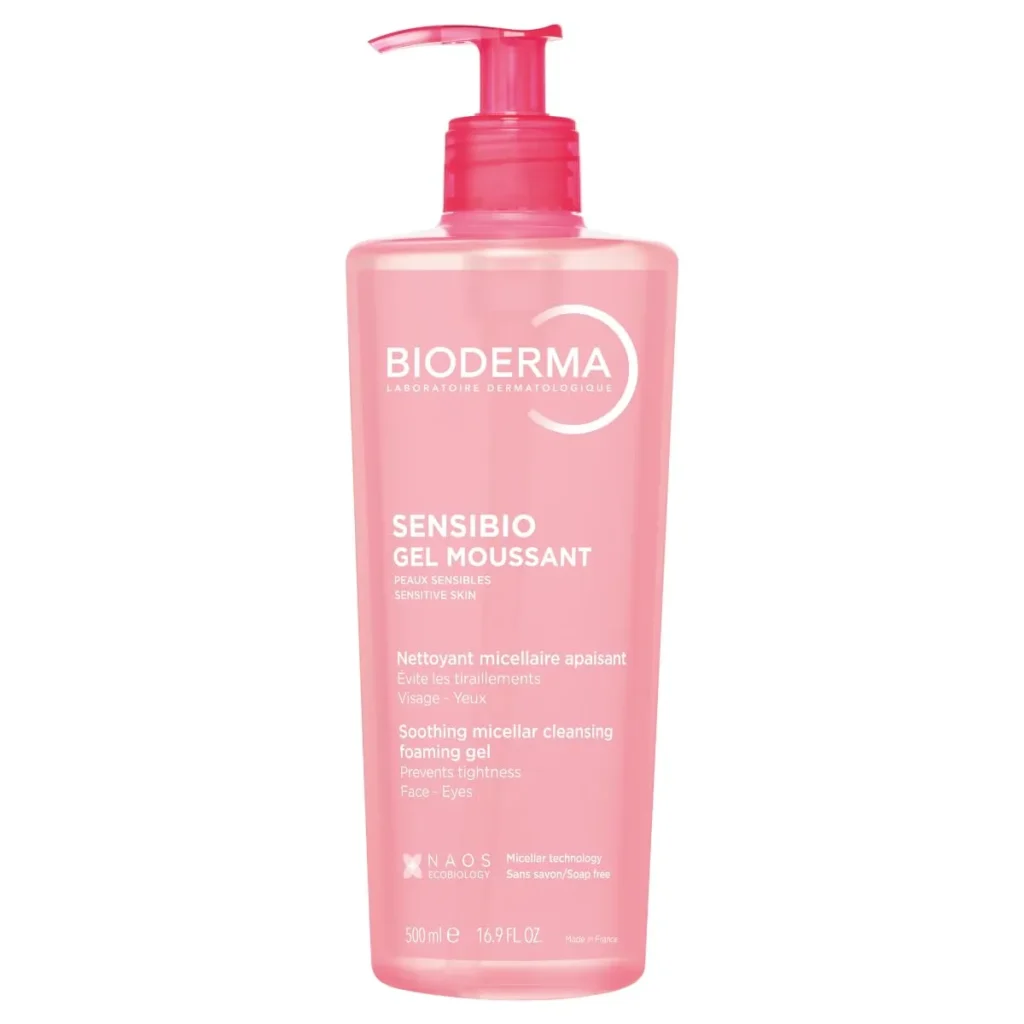
Bioderma Sensibio Mild Cleansing Foaming Gel
Best for: Dry skin that still prefers a light foam texture
Most foaming cleansers are terrible for dry skin, but Bioderma created one that actually works. It produces a soft lather without sulfates, using ultra-mild surfactants and a patented DAF complex for tolerance.
Pros:
- Foams gently without sulfates or soap
- Respects skin’s natural pH
- Cucumber extract soothes irritation
- Ophthalmologist-tested for eye area safety
- Rinses completely clean
Cons:
- More expensive than mass-market options
- Light foam may not feel “cleansing enough” for some
- Can be hard to find in physical stores
For those who psychologically need some foam but have dry skin, this is the rare cleanser that delivers both.
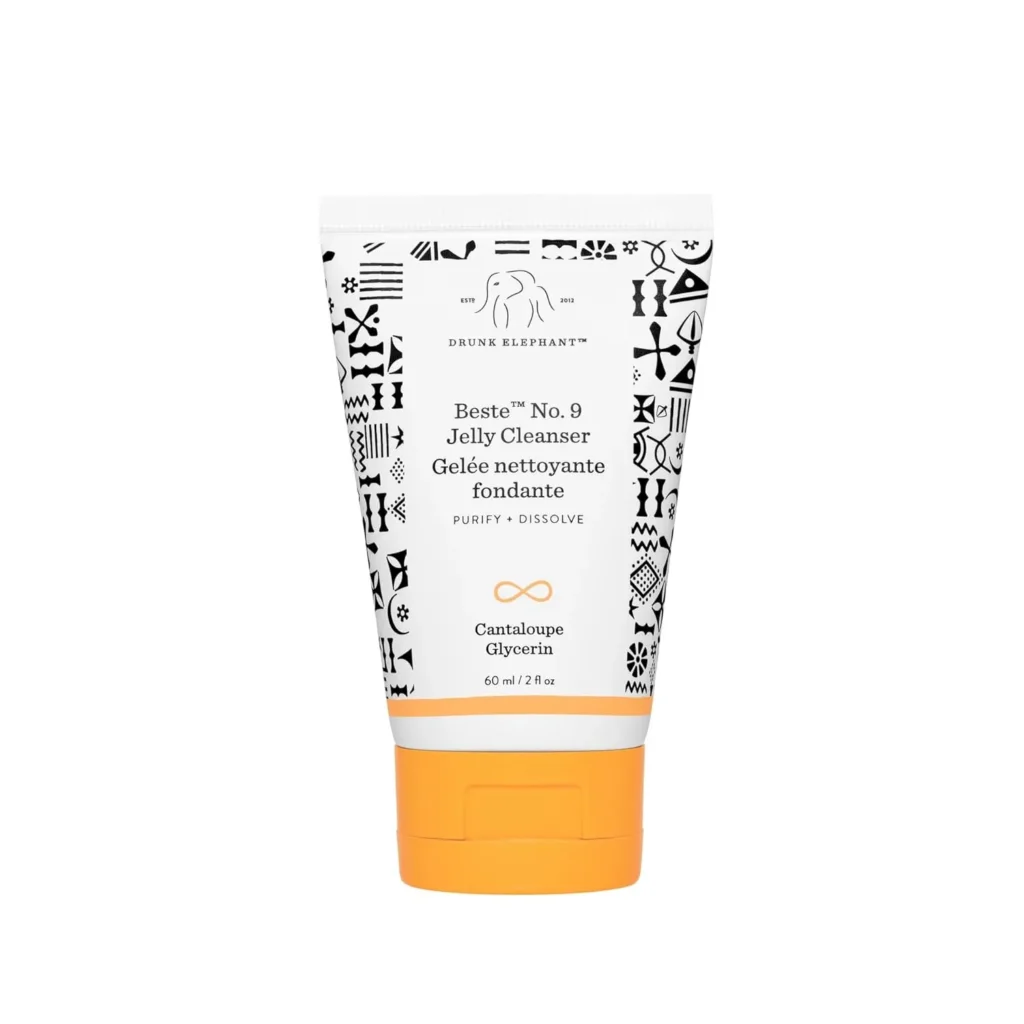
Drunk Elephant Beste No. 9 Jelly Cleanser
Best for: Dry skin dealing with sensitivity and breakouts simultaneously
This bouncy gel cleanser removes makeup and buildup while supporting your skin barrier with marula oil and glycerin. It’s formulated at an ideal pH and completely free of the brand’s “Suspicious 6” ingredients.
Pros:
- Unique jelly texture spreads easily and rinses clean
- pH of 5.5 matches healthy skin
- Virgin marula oil provides omega fatty acids
- Free of essential oils, silicones, and fragrance
- Works for sensitive, dry, and combination skin
Cons:
- Premium price point
- Smaller bottle for the cost
- Jelly texture isn’t for everyone
When you’re dealing with the contradiction of dry, sensitive skin that still breaks out, this cleanser balances all three concerns effectively.
How to Use Your Cleanser Properly
Step 1: Start with lukewarm water, never hot. Hot water strips oils faster and worsens dryness.
Step 2: Apply cleanser to damp skin using gentle circular motions. No harsh scrubbing needed.
Step 3: Spend 30-60 seconds massaging the product in. This gives it time to dissolve impurities.
Step 4: Rinse thoroughly with lukewarm water. Leftover cleanser can cause irritation.
Step 5: Pat dry with a soft towel—never rub. Apply your next product while skin is still slightly damp.
For makeup removal, consider double cleansing: first with an oil cleanser or micellar water, then with your regular gentle cleanser.
Choosing Based on Your Specific Dry Skin Type
Extremely Dry/Flaky: Choose creamy, non-foaming cleansers with ceramides. Look for formulas you can use without water if needed.
Dry + Sensitive: Stick with minimal ingredient lists and fragrance-free formulas. Avoid anything with essential oils or botanical extracts.
Dry + Mature: Select cleansers with added antioxidants and peptides that support aging skin while cleansing.
Dry + Acne-Prone: Find gel or jelly cleansers that are oil-free but still hydrating. Avoid harsh acne washes with salicylic acid or benzoyl peroxide as your main cleanser.
Seasonal Dryness: In winter, switch to creamier formulas. In humid months, you might tolerate lighter gel cleansers.
Frequently Asked Questions
Should I cleanse twice a day if I have dry skin?
Morning cleansing can be optional for dry skin—rinsing with water may be enough. Always cleanse at night to remove sunscreen, makeup, and daily buildup. Listen to your skin.
Can I use oil cleansers on dry skin?
Absolutely. Oil cleansers are excellent for dry skin because they dissolve makeup and sebum without stripping. Follow with a gentle second cleanser if you prefer, but many find oil cleansing alone sufficient.
Why does my skin feel tight after cleansing?
That tight feeling means your cleanser is too harsh. It’s removing your skin’s protective oils along with dirt. Switch to a creamier, non-foaming formula immediately.
Do I need a separate makeup remover?
For heavy or waterproof makeup, yes. Use micellar water or an oil cleanser first, then follow with your regular gentle cleanser. This prevents over-scrubbing with harsh cleansers.
How long before I see improvement in my dry skin?
With the right cleanser, you should feel a difference immediately—no tightness after washing. Visible improvements in texture and flakiness typically appear within 2-3 weeks of consistent use.
Final Thoughts
The right cleanser won’t cure dry skin on its own, but the wrong one can sabotage even the best moisturizing routine. Your cleanser is the foundation—it should support your skin barrier, not attack it.
Start by eliminating any foaming or “deep cleaning” products from your routine. Choose a creamy or milky formula with barrier-supporting ingredients, and give it at least two weeks of consistent use before judging results.
Remember that dry skin is often a combination of genetics, environment, and routine. Your cleanser is one piece of the puzzle, working alongside your moisturizer, climate control, and overall skincare approach.
Individual results vary based on your specific skin condition and external factors. What works beautifully for one person’s dry skin might not be ideal for yours—pay attention to how your skin feels and adjust accordingly.