What is the best face Primer in 2026
You’ve probably seen makeup tutorials where the artist starts with primer—and skips right past explaining why. If you’ve ever wondered whether face primer is marketing hype or actually makes a difference, you’re not alone. The truth is, primer creates a smooth base that helps makeup apply evenly, last longer, and look more natural throughout the day. As skincare-makeup hybrids gain popularity, modern primers now offer benefits beyond just extending wear—they can hydrate, blur texture, control oil, and even protect skin. For anyone frustrated with makeup that fades by noon or settles into fine lines, understanding how primer works is the first step toward better results.
Table of Contents
What Makes Face Primer Different from Moisturizer
Many people assume moisturizer alone prepares skin for makeup. While hydration is essential, primer serves a different purpose.
Primers contain ingredients like silicones, polymers, or botanical extracts that create a thin, grippy layer between skincare and makeup. This barrier helps foundation adhere better and prevents oils from breaking down your base throughout the day.
Unlike moisturizers that absorb into skin, primers sit on the surface to fill in pores, smooth texture, and create an even canvas. Some formulas also contain light-reflecting particles that blur imperfections or mattifying agents that control shine.
The long-term benefit isn’t just better makeup application—using primer can actually reduce the amount of foundation you need, which means less product settling into pores and potentially fewer breakouts over time.
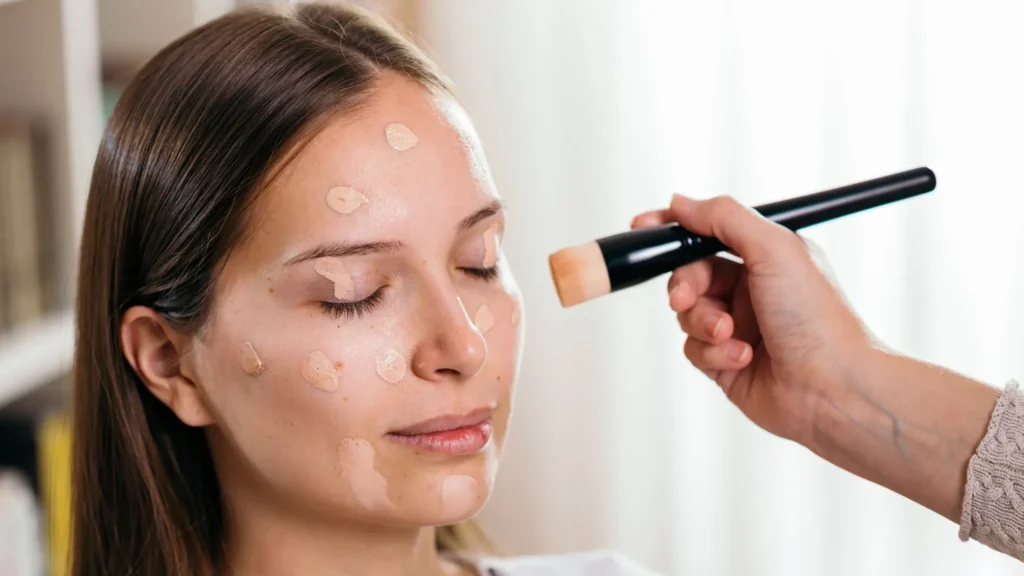
Key Benefits of Using Face Primer
Extends makeup wear: Creates a barrier that prevents natural oils from breaking down foundation, keeping your look fresh for 8+ hours.
Smooths skin texture: Fills in enlarged pores, fine lines, and uneven patches so makeup glides on seamlessly instead of catching on rough spots.
Reduces foundation use: A smooth base means you need less product to achieve full coverage, making your foundation last longer.
Controls oil or adds hydration: Targeted formulas address your specific skin concern—mattifying primers absorb excess sebum while hydrating versions prevent dry patches.
Minimizes touch-ups: Properly primed skin holds makeup in place, meaning fewer midday corrections and less disruption to your base.
Best Face Primers by Skin Concern
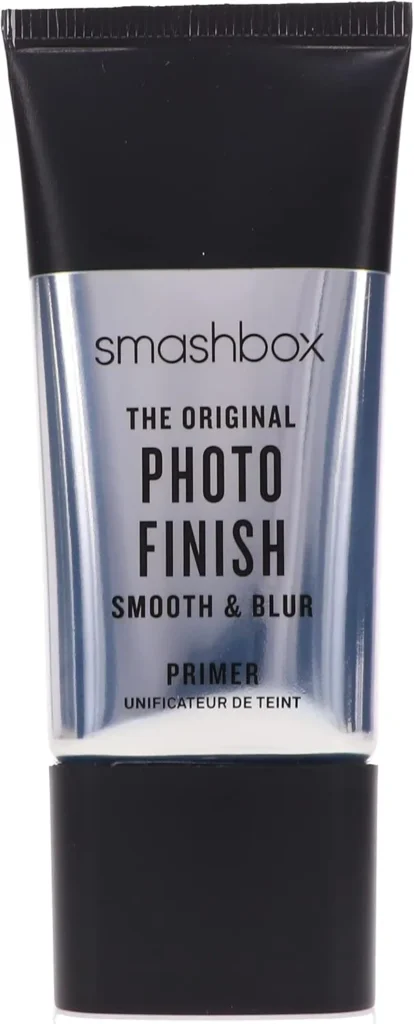
Smashbox Photo Finish Primer
Best for: All skin types seeking universal smoothing and extended wear
This silicone-based formula became a professional makeup artist staple for good reason. It creates an invisible layer that grips foundation while blurring pores and fine lines.
The lightweight gel texture spreads easily and doesn’t leave a greasy or tight feeling. It works under any foundation formula—liquid, powder, or cream.
Pros:
- Truly universal formula works with all skin types
- Doesn’t interfere with skincare ingredients
- No added fragrance or color
Cons:
- Silicone texture takes getting used to
- Higher price point than drugstore options
- Not ideal if you prefer completely natural formulas
If you’ve never used primer before and want a reliable option that won’t complicate your routine, this is a safe starting point that delivers noticeable results.
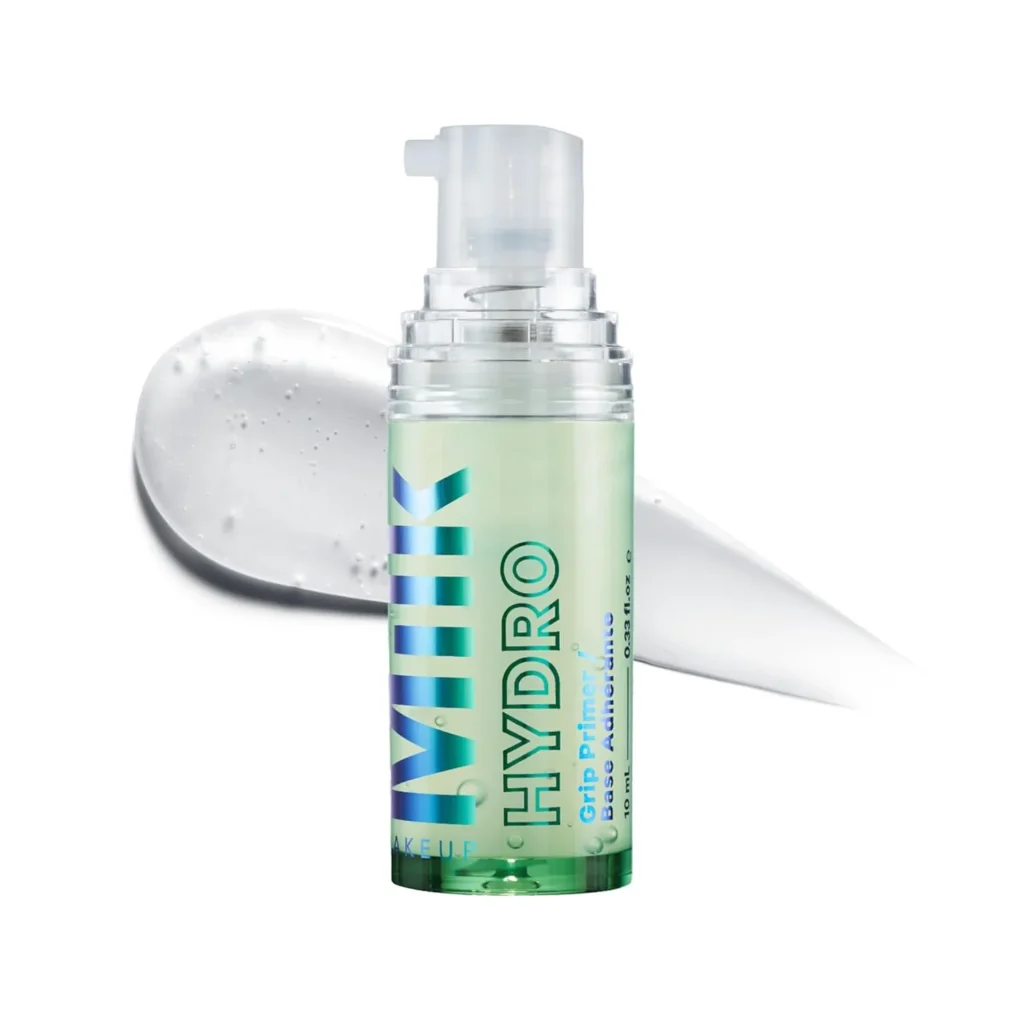
Milk Makeup Hydro Grip Primer
Best for: Dry or dehydrated skin that needs grip plus moisture
This gel-cream hybrid contains hyaluronic acid and blue agave extract to hydrate while creating a tacky base that locks makeup in place.
The formula feels cooling on application and provides an instant plumping effect. It’s particularly effective for those who struggle with foundation clinging to dry patches.
Pros:
- Combines skincare benefits with makeup prep
- Works beautifully with dewy foundation finishes
- Clean, vegan formula
Cons:
- Tacky texture isn’t for everyone
- Can feel heavy in humid climates
- More expensive per ounce
For anyone whose makeup looks flaky or patchy due to dryness, this primer addresses the root cause while improving wear time.
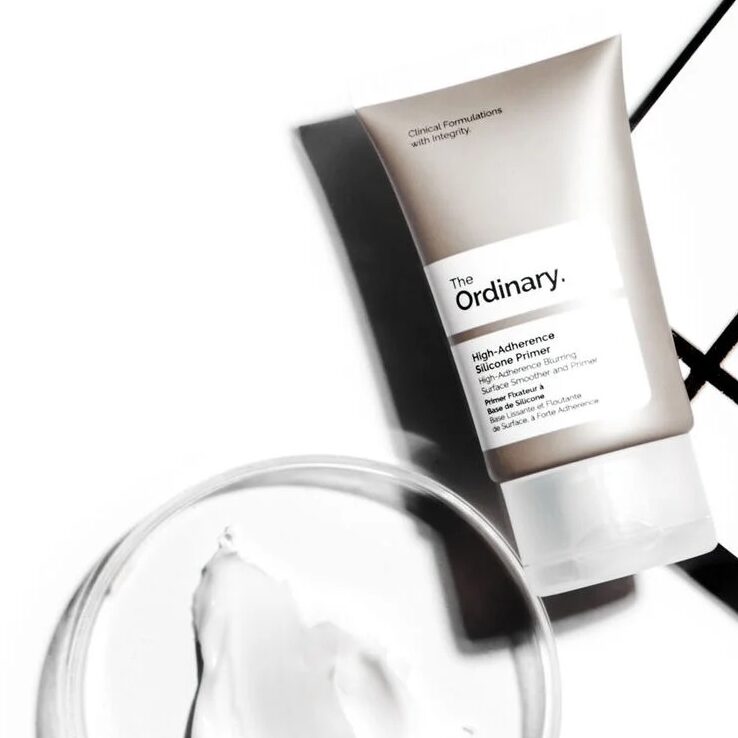
The Ordinary High-Adherence Silicone Primer
Best for: Budget-conscious shoppers wanting effective pore-filling results
This straightforward formula focuses on one job: creating a smooth, gripping surface for makeup. The silicone base fills in texture without added bells and whistles.
It’s fragrance-free, color-free, and works exactly like high-end silicone primers at a fraction of the cost.
Pros:
- Extremely affordable
- No-nonsense formula without unnecessary additives
- Large size lasts months with daily use
Cons:
- Very basic—no added skincare benefits
- Silicone-heavy formula may feel too slippery initially
- Minimal instructions on the packaging
If you want to test whether primer makes a difference in your routine without significant investment, this is an excellent low-risk option.
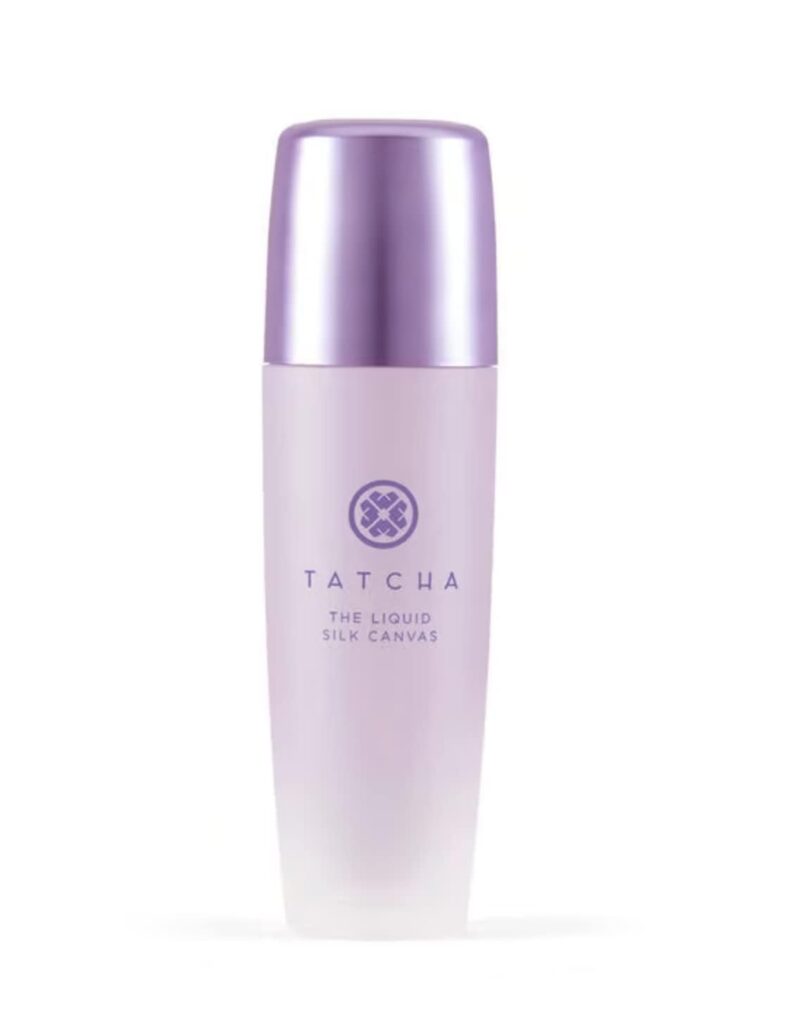
Tatcha The Silk Canvas Primer
Best for: Mature skin or those concerned with blurring fine lines and texture
This luxurious formula uses silk powder and botanical extracts to create a soft-focus effect while controlling oil. It’s particularly effective on textured or aging skin.
The velvety finish blurs imperfections without using heavy silicones, making it suitable for sensitive skin that reacts to traditional primers.
Pros:
- Beautiful texture that feels like skincare
- Blurs without looking artificial
- Works well on sensitive skin
Cons:
- Premium price point
- Small size doesn’t last as long
- Subtle oil control may not suit very oily skin
For those who want primer that feels pampering and addresses visible signs of aging, this formula delivers a noticeably refined finish.
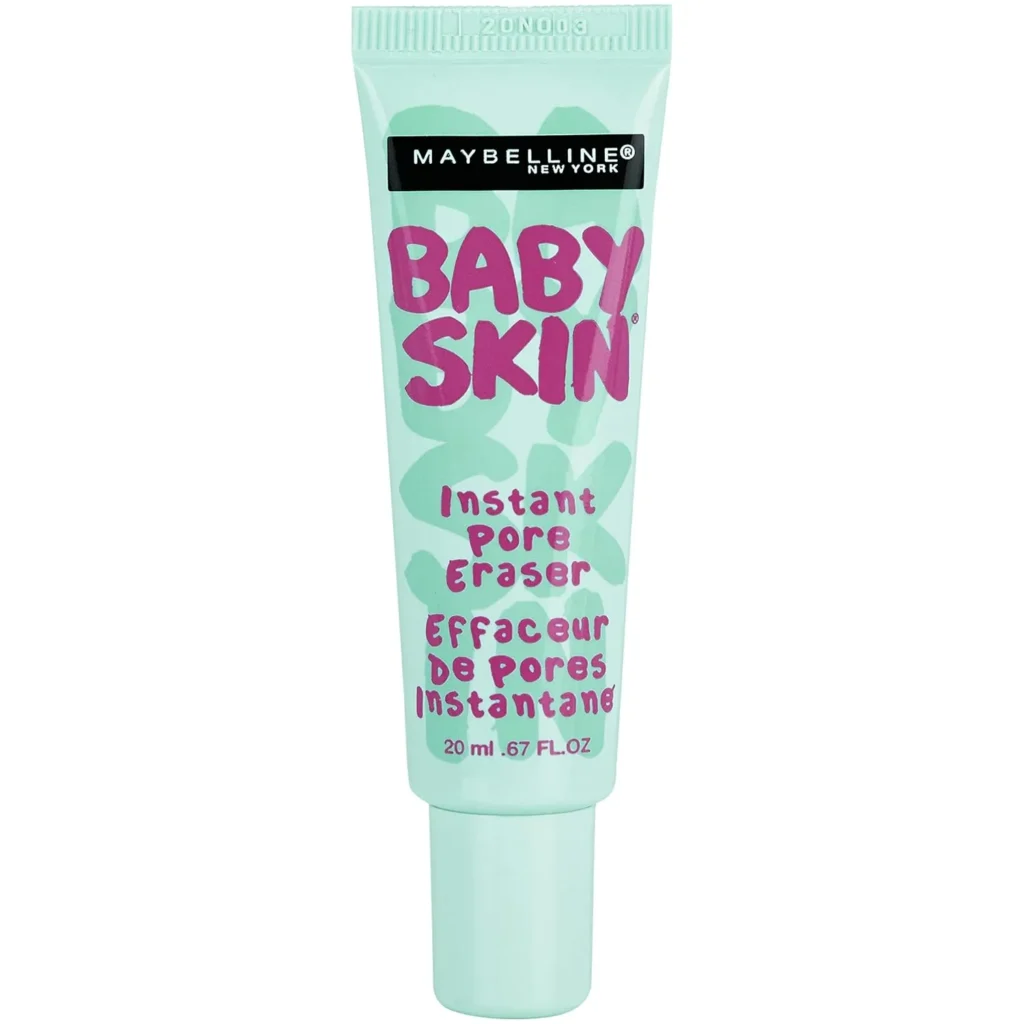
Maybelline Baby Skin Instant Pore Eraser
Best for: Oily skin needing affordable pore-blurring and shine control
This drugstore hero offers impressive pore-filling results at an accessible price. The formula contains mattifying agents that keep shine at bay without drying out skin.
It works best when applied only to the T-zone or areas with visible pores rather than the entire face.
Pros:
- Excellent value for performance
- Genuinely blurs large pores
- Widely available in drugstores
Cons:
- Small tube runs out quickly with full-face application
- Can emphasize dry patches if over-applied
- Fragrance may bother sensitive users
If you’re dealing with oily skin and enlarged pores on a budget, this primer punches well above its price point.
How to Apply Primer Correctly
Step 1: Complete your full skincare routine and wait 2-3 minutes for products to absorb. Primer works best on dry, not damp, skin.
Step 2: Dispense a pea-sized amount onto the back of your hand. A little goes a long way—using too much creates a slippery base.
Step 3: Dot primer on the center of your face—forehead, nose, cheeks, and chin. Avoid applying directly to very dry areas around the eyes initially.
Step 4: Blend outward using fingertips, a brush, or sponge. Press gently into skin rather than rubbing aggressively.
Step 5: Wait 60 seconds before applying foundation. This allows the primer to set and creates the best grip.
Step 6: Use targeted primers on specific zones if needed—mattifying on the T-zone, hydrating on cheeks.
Choosing the Right Primer for Your Skin
Oily or acne-prone: Look for oil-free, mattifying formulas with silica or clay. Avoid heavy, creamy textures that add extra slip.
Dry or mature: Choose hydrating primers with hyaluronic acid, glycerin, or botanical oils. Gel-cream textures work best.
Combination: Apply different primers to different zones, or choose a balanced formula that doesn’t heavily mattify or hydrate.
Sensitive: Avoid fragrance, alcohol, and heavy silicones. Opt for minimal ingredient lists and soothing botanicals.
Large pores: Silicone-based primers physically fill pores. Apply with pressing motions rather than rubbing.
Redness or discoloration: Consider color-correcting primers—green neutralizes redness, peach counters dark circles.
Frequently Asked Questions
Do I really need primer if I have good skin?
Primer isn’t about fixing problem skin—it’s about improving makeup performance. Even clear skin benefits from extended wear and smoother application. However, if you wear minimal makeup or have naturally smooth texture, you might skip it on casual days.
Can primer clog pores or cause breakouts?
Some formulas can, especially heavy silicone-based ones if you’re acne-prone. Choose non-comedogenic options and always remove primer thoroughly with a proper cleanser at night. The product itself doesn’t cause breakouts, but inadequate removal can.
Should I use primer every day?
Only on days when you wear makeup. Primer is designed to work with foundation, not as standalone skincare. On makeup-free days, stick to your regular skincare routine.
Does expensive primer work better than drugstore options?
Not necessarily. Many affordable primers contain the same core ingredients as luxury versions. The main differences are often texture, added skincare benefits, and packaging. Start with budget options and upgrade if you want specific features.
How long does primer last on skin?
Most primers extend makeup wear for 8-12 hours. Effectiveness depends on your skin type, climate, and the foundation you’re using. Extremely oily skin or humid conditions may require touch-ups regardless of primer.
Final Thoughts
Face primer works best when you view it as a practical tool rather than a mandatory step. Not every face needs primer every day, but understanding how it functions gives you control over your makeup results.
Start with samples or affordable options to determine whether primer makes a meaningful difference for your specific concerns. Pay attention to how your makeup looks at hour six—that’s when primer truly proves its value.
Remember that primer enhances makeup performance but can’t replace good skincare or proper foundation matching. Results vary based on individual skin chemistry, climate, and application technique. Consistency matters more than the specific brand you choose, so find a formula that feels comfortable and works with your routine rather than against it.