
What is The Best Hand Cream for Dry Skin?
Dry, cracked hands aren’t just uncomfortable—they’re often painful and can interfere with daily tasks. Whether it’s frequent handwashing, cold weather, or naturally low moisture levels, many people struggle to find a hand cream that actually works beyond the first hour. The right formula makes a real difference, but with so many options promising instant relief, it’s hard to know which ones deliver lasting results. This guide breaks down what actually helps dry skin and which products are worth considering.
Table of Contents
What Makes Hand Creams for Dry Skin Different
Not all hand creams are created equal. Products designed for genuinely dry skin work on two levels: they add moisture and help your skin hold onto it.
The most effective formulas combine humectants (which draw water into the skin) with occlusives (which seal that moisture in). Ingredients like hyaluronic acid, glycerin, and urea attract hydration, while shea butter, ceramides, and dimethicone create a protective barrier.
The goal isn’t just immediate softness—it’s repairing the skin barrier over time so your hands naturally retain more moisture. This takes consistent use, but the difference becomes noticeable within days, not weeks.

Key Benefits of Using the Right Hand Cream
- Reduces cracking and peeling by restoring the skin’s protective layer
- Soothes irritation from overwashing or exposure to harsh chemicals
- Prevents moisture loss throughout the day, not just right after application
- Improves skin texture with regular use, making hands feel smoother
- Protects against environmental damage like wind, cold, and dry air
What is the Best Hand Cream for Dry Skin
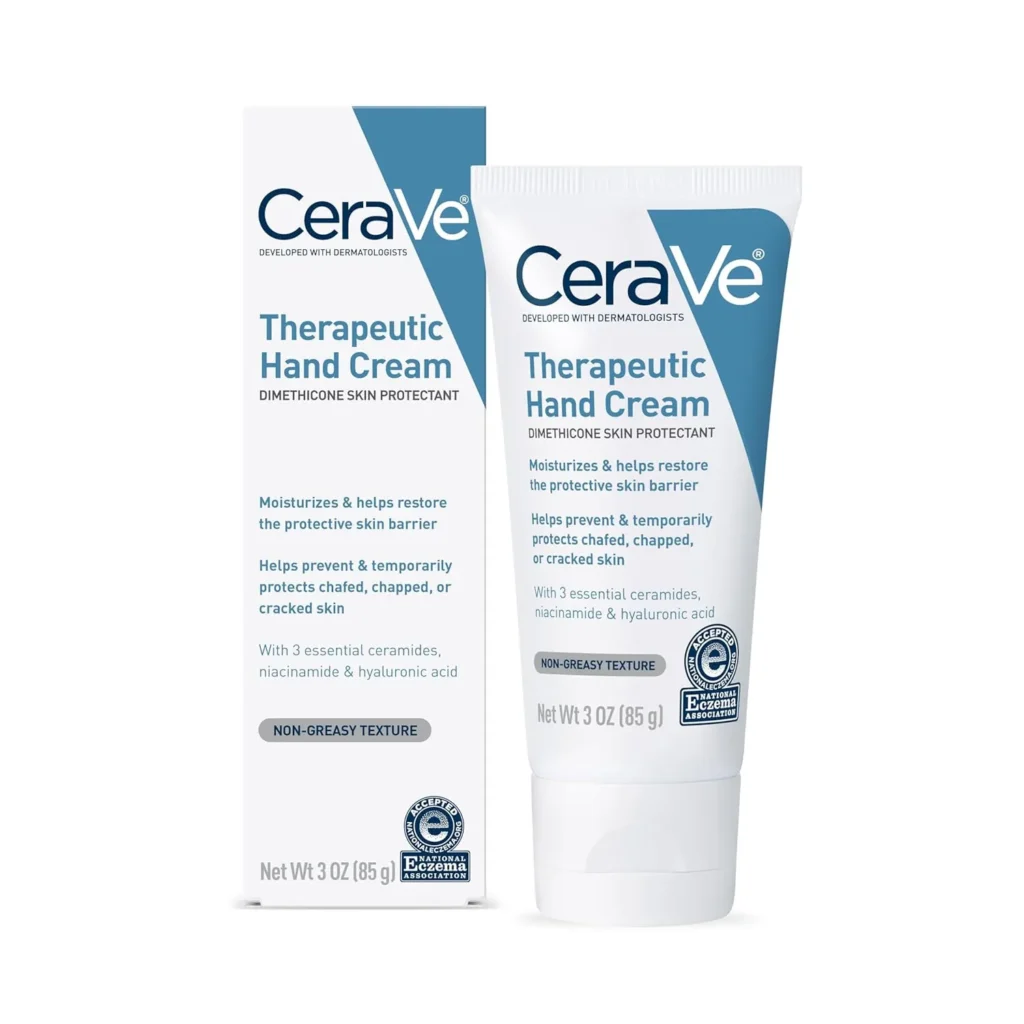
1. CeraVe Therapeutic Hand Cream
Best for: Very dry, rough hands that need barrier repair
This formula focuses on ceramides—lipids that naturally occur in healthy skin but deplete in dry conditions. It also contains hyaluronic acid for hydration and niacinamide to calm irritation.
The texture is rich but absorbs relatively quickly, making it practical for daytime use.
Pros:
- Non-greasy despite being deeply moisturizing
- Fragrance-free and suitable for sensitive skin
- Affordable and widely available
Cons:
- May take a few days to show noticeable improvement
- Some users find it slightly heavy for summer use
If your hands feel tight and uncomfortable by midday, this is a solid option to try consistently for at least a week.
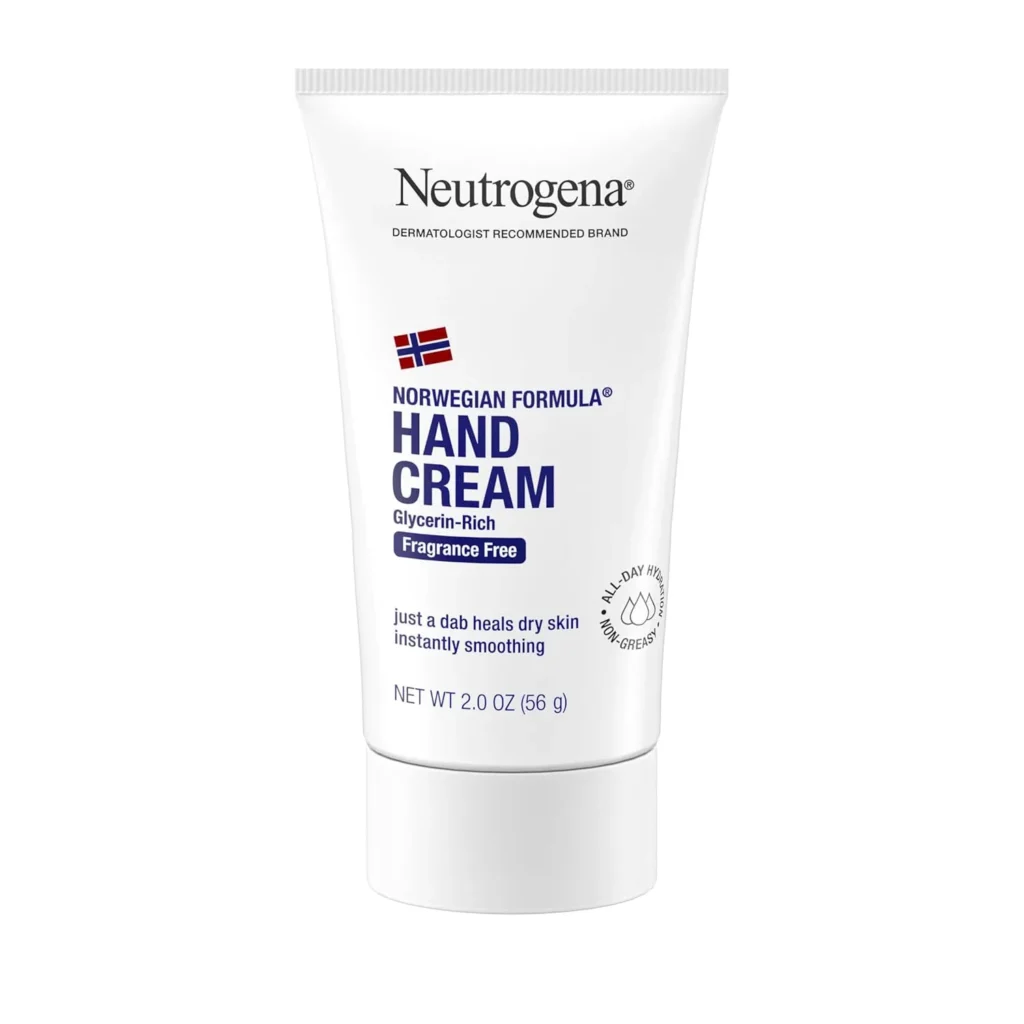
2. Neutrogena Norwegian Formula Hand Cream
Best for: Severely dry, chapped hands needing concentrated relief
This is one of the most concentrated hand creams on the market. A small amount goes a long way, and the glycerin-based formula is designed to work even in extreme dryness.
It’s particularly helpful for people whose hands are exposed to water or cleaning products frequently.
Pros:
- Extremely effective for stubborn dryness
- Long-lasting—doesn’t require constant reapplication
- Unscented and hypoallergenic
Cons:
- Very thick texture that takes time to absorb
- Can feel greasy if you use too much
This works best as an overnight treatment or when you can let it fully absorb without needing to touch anything immediately.
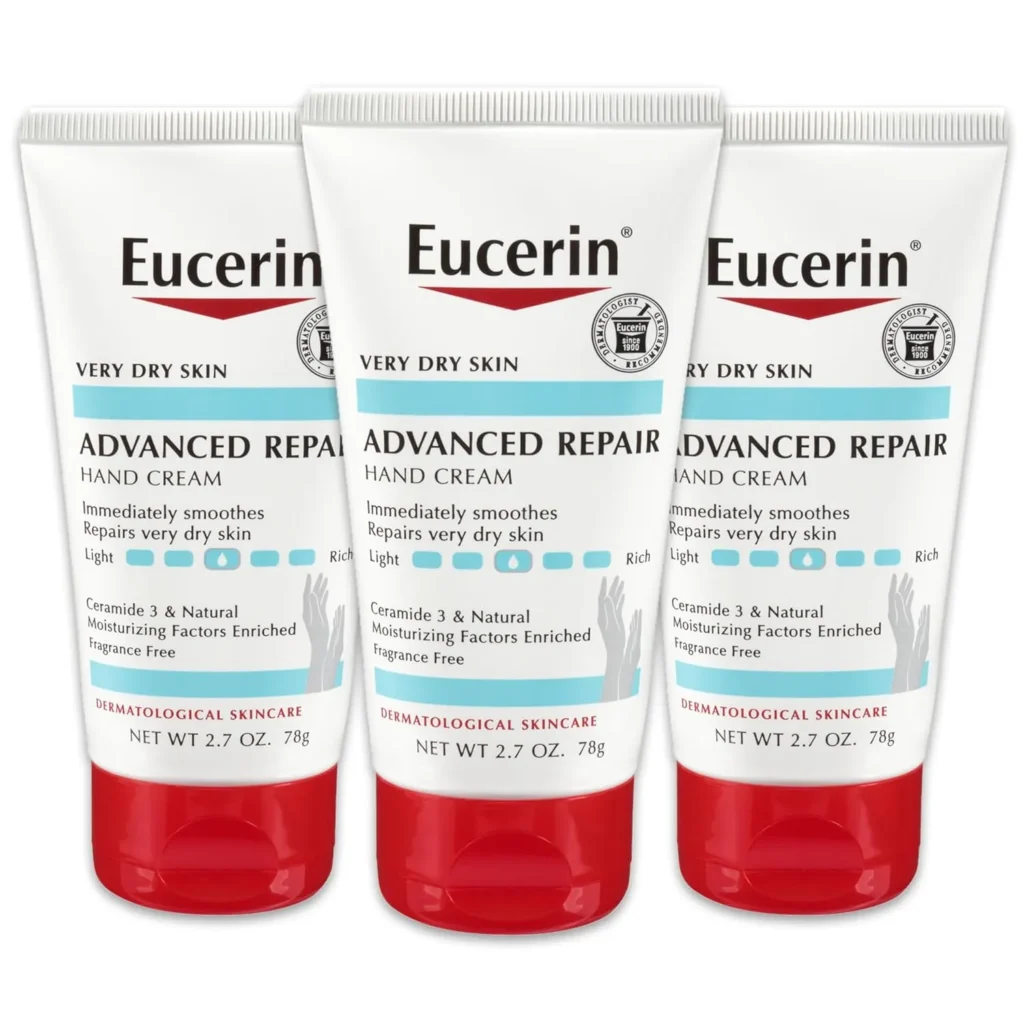
3. Eucerin Advanced Repair Hand Cream
Best for: Dry hands with rough patches or minor irritation
Eucerin’s formula combines ceramides with natural moisturizing factors that mimic what healthy skin produces naturally. It’s designed for people who need more than basic hydration but don’t want a heavy cream.
The fragrance-free formulation makes it appropriate for sensitive or reactive skin.
Pros:
- Gentle enough for daily use
- Absorbs faster than most repair creams
- Clinically tested for compromised skin barriers
Cons:
- Slightly more expensive than drugstore alternatives
- May need reapplication in very dry climates
If you’re looking for something between a regular lotion and an intensive treatment, this strikes a good balance.
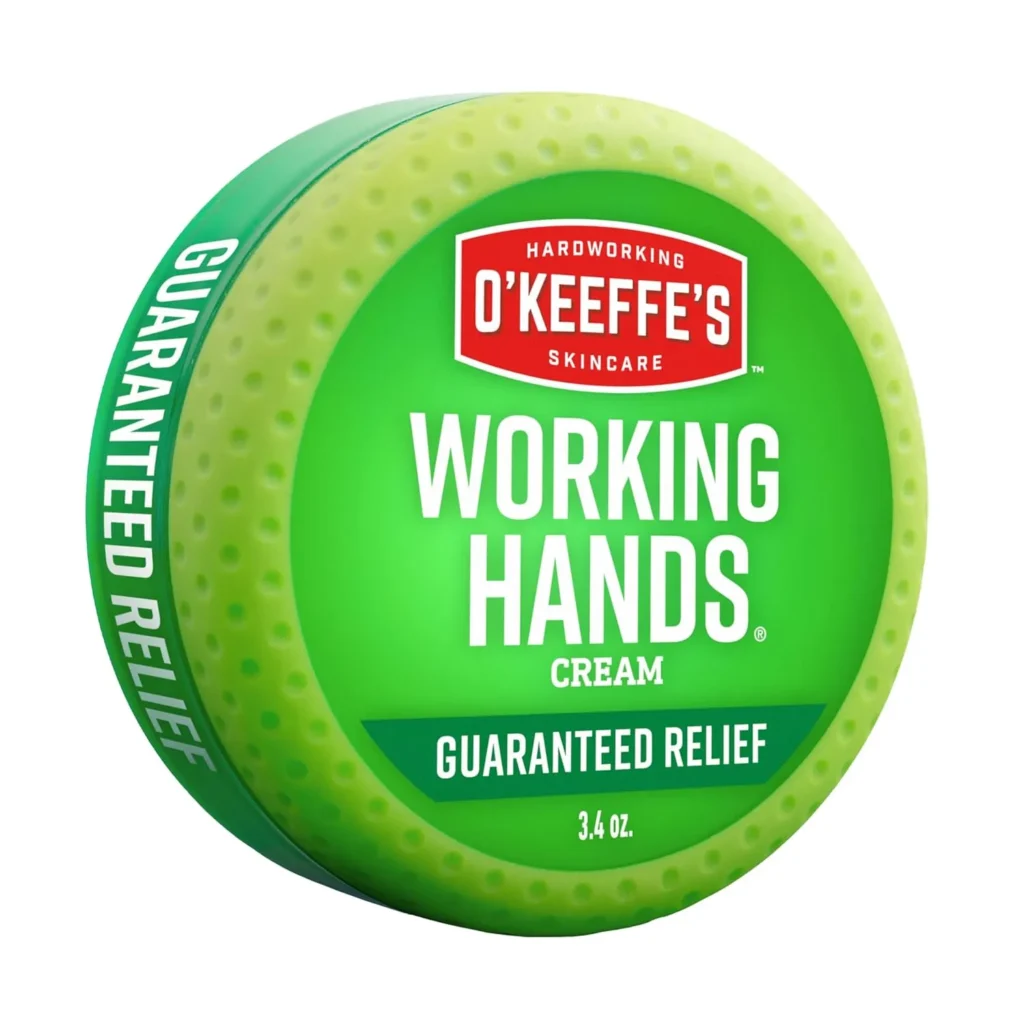
4. O’Keeffe’s Working Hands Hand Cream
Best for: Hands exposed to manual labor, water, or harsh conditions
Originally developed for people in demanding jobs, this cream creates a protective layer that lasts through handwashing. The formula is paraben-free and relies on glycerin and allantoin to heal and protect.
It’s particularly popular among healthcare workers and those who wash their hands dozens of times daily.
Pros:
- Holds up remarkably well against water exposure
- Noticeable improvement within days
- Comes in a concentrated jar—a little goes far
Cons:
- Texture is quite thick and may feel waxy initially
- Not ideal if you prefer lightweight creams
For hands that face constant stress, this delivers the kind of protection that actually lasts.
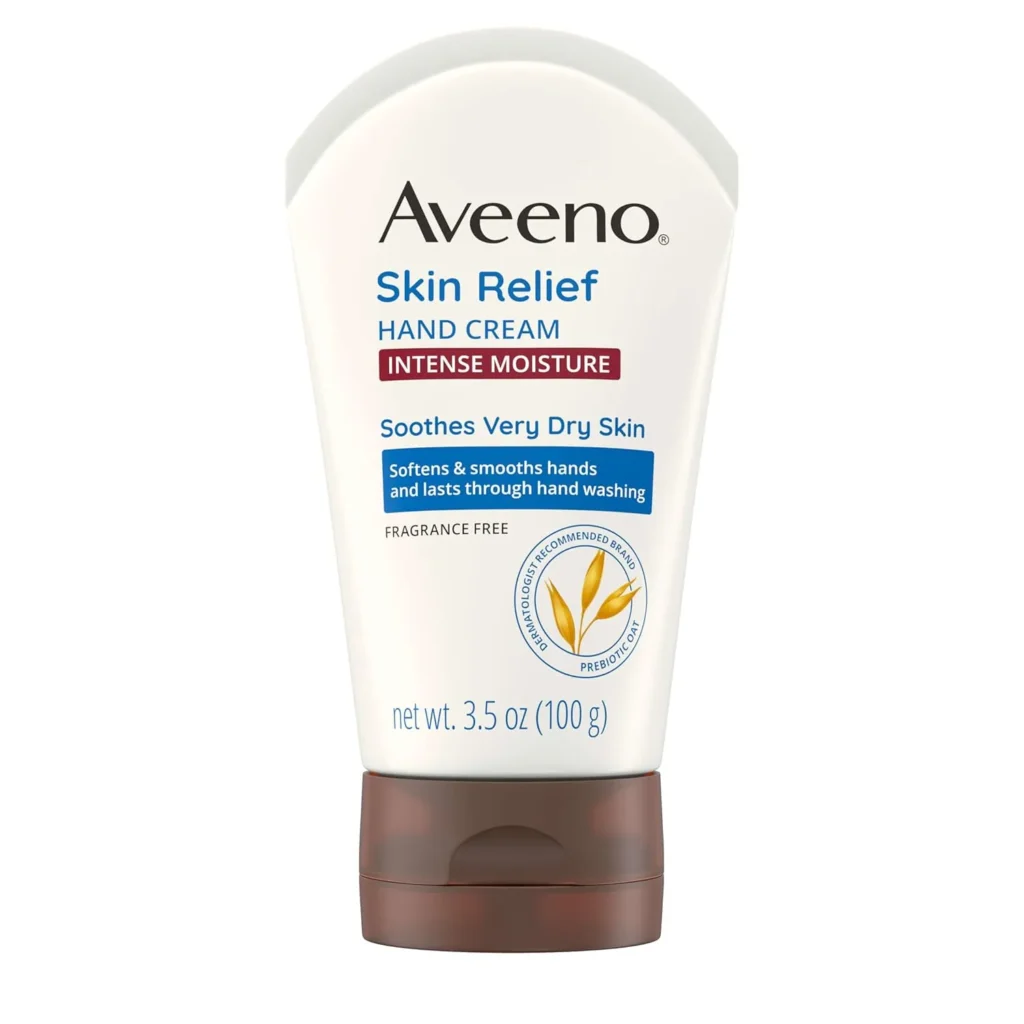
5. Aveeno Skin Relief Hand Cream
Best for: Dry, itchy hands that feel irritated
This formula features colloidal oatmeal, which is known for soothing inflammation and calming reactive skin. It’s lighter than most intensive repair creams but still provides meaningful hydration.
It’s a good choice if dryness comes with discomfort or sensitivity.
Pros:
- Soothes itching and redness quickly
- Fragrance-free and dermatologist-recommended
- Absorbs well without leaving residue
Cons:
- May not be enough for severe cracking
- Works best when applied multiple times daily
If your dry hands also feel uncomfortable or inflamed, this offers gentle relief without irritation.
How to Use Hand Cream Effectively
Step 1: Wash your hands with lukewarm water and a gentle, soap-free cleanser. Pat dry—don’t rub.
Step 2: Apply hand cream while your skin is still slightly damp. This helps lock in moisture.
Step 3: Use a pea-sized amount and massage it in thoroughly, focusing on knuckles, fingertips, and cuticles.
Step 4: Reapply after washing your hands or whenever they feel tight.
Step 5: Before bed, apply a thicker layer and consider wearing cotton gloves overnight for deeper absorption.
Consistency matters more than quantity. Regular, smaller applications work better than one heavy dose.
Choosing the Right Hand Cream for Your Needs
For very dry, cracked skin: Look for thick creams with ceramides, shea butter, or petrolatum. Overnight treatments work best.
For frequent handwashing: Choose formulas that resist water and create a lasting barrier—glycerin-based products are ideal.
For sensitive or reactive skin: Stick with fragrance-free, hypoallergenic options. Avoid products with alcohol or synthetic dyes.
For daytime use: Pick something that absorbs quickly and doesn’t leave residue, so you can use your phone or keyboard comfortably.
For aging hands: Consider creams with antioxidants like vitamin E or niacinamide to address texture and tone alongside dryness.
Frequently Asked Questions
How long does it take for hand cream to work?
Most people notice softer hands within 24–48 hours. Significant improvement in cracking or roughness typically takes 5–7 days of consistent use.
Can I use body lotion on my hands instead?
You can, but hand creams are formulated to withstand more washing and environmental stress. Body lotions may not provide enough protection.
Should I use hand cream if my hands aren’t visibly dry?
Yes. Prevention is easier than repair. Regular use maintains your skin barrier before problems develop.
Is it safe to use hand cream on cracked skin?
Generally yes, but avoid products with fragrance or alcohol if you have open cracks, as they may sting. Look for healing ingredients like allantoin or panthenol.
Do expensive hand creams work better?
Not necessarily. Ingredient quality matters more than price. Many affordable drugstore options perform as well as luxury brands.
Final Thoughts
Finding the right hand cream isn’t about buying the most expensive option or the one with the longest ingredient list. It’s about understanding what your skin needs and being consistent with application.
Dry hands improve with regular care, but results won’t be instant. Give any product at least a week of twice-daily use before deciding if it works for you.
Remember that everyone’s skin responds differently. What works beautifully for one person might not suit another, and that’s completely normal. Start with one product, use it properly, and adjust from there.
Individual results vary based on skin type, climate, and underlying conditions. If dryness persists despite consistent use of quality products, consider consulting a dermatologist to rule out eczema or other skin conditions.