The Truth About Tanning Oil in 2026
Let’s be honest — there’s nothing quite like that warm, sun-kissed glow after a great beach day. But if you’ve ever spent hours in the sun only to come home looking the exact same shade as when you left, you already know the frustration. That’s exactly where tanning oil comes in.
Tanning oil is one of the most popular sun and skincare products on the market today — and for good reason. It’s designed to speed up your natural tanning process so you get that golden color faster, with less time baking under the heat. But like any skin product, the details matter: the right formula for your skin type, how to use it safely, and which products are actually worth your money.
In this complete guide, we’ll cover everything — how tanning oil works, whether it actually delivers real results, the best options in 2026, and how to protect your skin while still achieving that beautiful tan you’re after.
Table of Contents
What Is Tanning Oil?
Tanning oil is a specially formulated product designed to enhance and accelerate your skin’s natural tanning process when exposed to sunlight or UV rays. Unlike regular sunscreens or moisturizers, tanning oils are made to attract and maximize UV radiation, so your skin produces melanin — the pigment responsible for that bronze, golden color — more quickly.
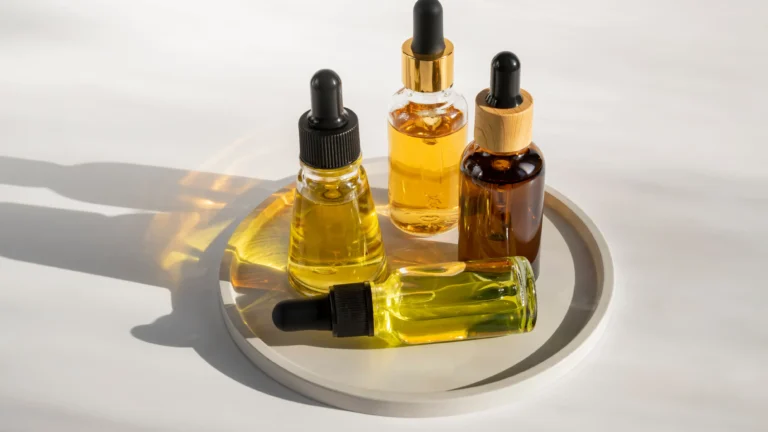
Most tanning oils contain a blend of natural carrier oils like coconut oil, avocado oil, or argan oil, sometimes combined with bronzing agents, light SPF filters, and skin-nourishing ingredients. The result is a product that multitasks: it helps you tan faster while also keeping your skin hydrated and soft.
The key difference from sunscreen: Sunscreens are designed to block or reduce UV radiation to protect your skin. Tanning oils are designed to enhance UV absorption to speed up tanning. Some hybrid products offer both — a low-SPF tanning oil — but they serve very different primary purposes. Knowing this distinction is important before you pick a product.
How Does Tanning Oil Work?
This is one of the most common questions people ask — and the answer is simpler than you might think.
When UV rays from the sun hit your skin, they stimulate melanocytes — the specialized cells responsible for producing melanin. More melanin means darker, more visible pigmentation, which we experience as a tan. Tanning oil works by increasing the absorption of UV rays into the skin, which triggers a stronger melanin response and faster color development.
The oils used in these products create a thin, reflective layer on the surface of your skin that acts almost like a lens, concentrating UV light where it counts. Some tanning oils also contain DHA (dihydroxyacetone), a colorless sugar that reacts with amino acids in the outer layer of your skin to create a temporary bronzed tone — this is the science behind the “sunless” bronzing agents found in many modern formulas.
Quick answer: Tanning oil works by enhancing UV absorption into your skin, stimulating melanin production, and sometimes using bronzing agents like DHA for instant color. The combination speeds up your tan noticeably compared to tanning without any product at all.
Does Tanning Oil Really Work?
Short answer: yes — but with important caveats.
Tanning oil genuinely does help you tan faster. If you’ve ever noticed that people who apply oil before sunbathing seem to get a deeper, quicker color than those who don’t, it’s not just in their heads. The science backs it up. By enhancing UV absorption and providing a moisturizing base, tanning oils produce a more even, longer-lasting tan compared to going without any product.
That said, tanning oil is not a magic solution. Here’s the honest picture:
What it does well: It speeds up the tanning process, helps create a more even color, keeps your skin soft and moisturized throughout the process, and many formulas add an immediate bronzed glow from bronzing agents — so you look better right away, not just after hours in the sun.
Where it falls short: Most traditional tanning oils offer little to no SPF protection, which means increased UV exposure and a higher risk of skin damage with prolonged use. Results also vary depending on your natural skin tone, UV sensitivity, and the specific product you choose. If you burn easily, tanning oil alone is unlikely to change that equation.
The bottom line: tanning oil is a real, effective product — it just works best when you understand what it can and cannot do.
Best Tanning Oils in 2026: Top Picks
The market is full of options, from budget drugstore bottles to luxury formulas. Here are the main categories worth knowing, and what to look for in each:
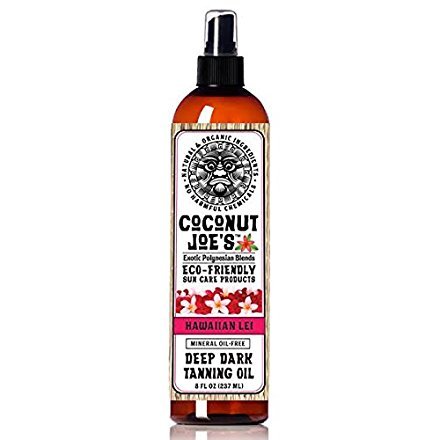
1. Coconut-Based Tanning Oils
Coconut oil is the most classic base ingredient in tanning products — and it earns that reputation. It’s rich in fatty acids that nourish skin, lightweight on the skin’s surface, and naturally enhances UV absorption. Products built around coconut oil tend to be fragrant, affordable, and deeply hydrating.
Best for: Dry skin types and people who prefer natural formulas. Pros: Deeply moisturizing, pleasant tropical scent, widely available at most price points. Cons: Typically low SPF, can feel heavy or pore-clogging for oily skin types.
2. Argan Oil-Based Formulas
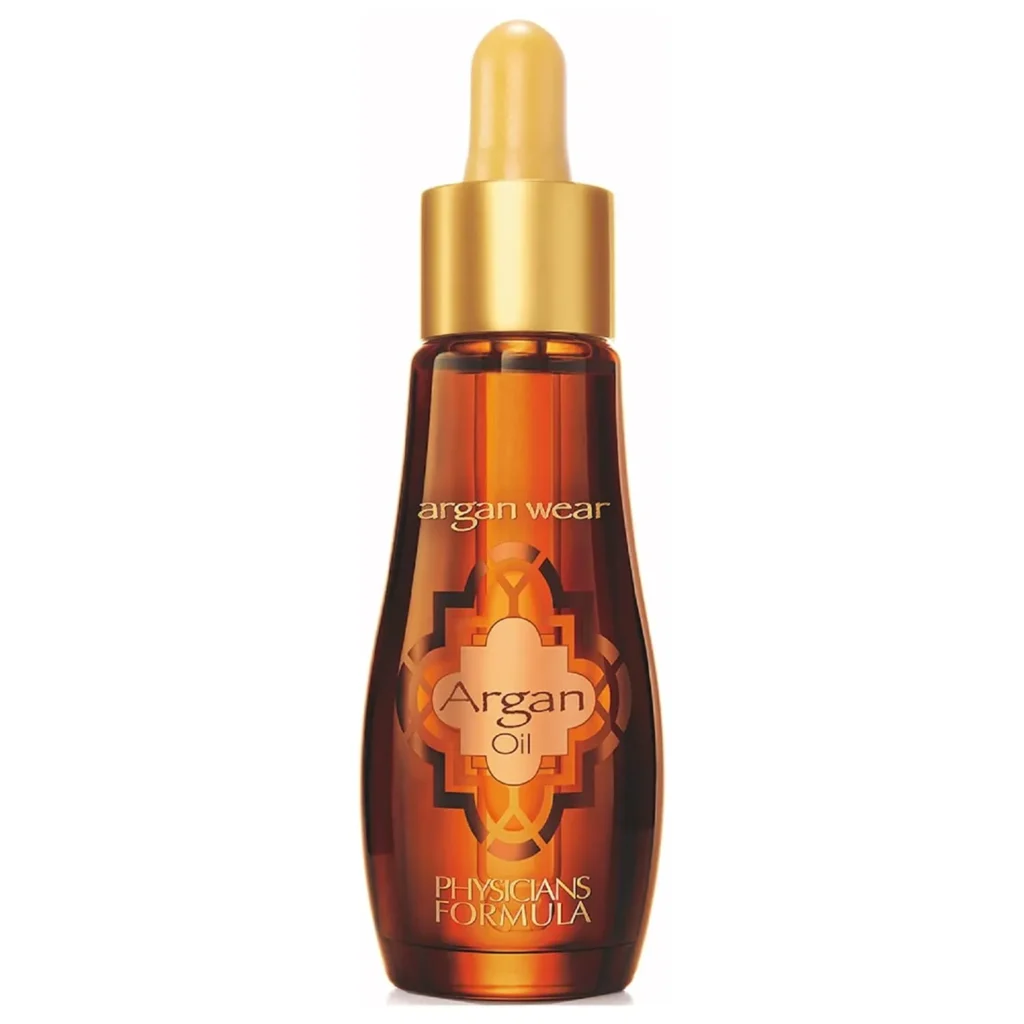
Argan oil — sometimes called “liquid gold” — is packed with vitamin E, antioxidants, and essential fatty acids. Tanning products built on argan oil are particularly good for people concerned about premature aging, since argan provides some antioxidant protection against free radical damage caused by UV exposure.
Best for: Anti-aging focus, dry or mature skin. Pros: Luxurious feel, absorbs quickly without heavy residue, antioxidant-rich. Cons: Typically pricier than coconut oil-based alternatives.
3. Low-SPF Tanning Oils (SPF 4–15)
These hybrid products offer the best of both worlds — they enhance your tan while still providing a minimal layer of UV protection. If you’re concerned about skin damage but still want to speed up your tanning, a low-SPF tanning oil is a sensible middle ground for people with moderate skin tones.
Best for: Medium skin tones wanting some protection alongside faster tanning. Pros: Balance between tanning speed and basic protection. Cons: SPF 4–15 still allows significant UV exposure — not sufficient alone for fair or sensitive skin.
4. Bronzing Tanning Oils
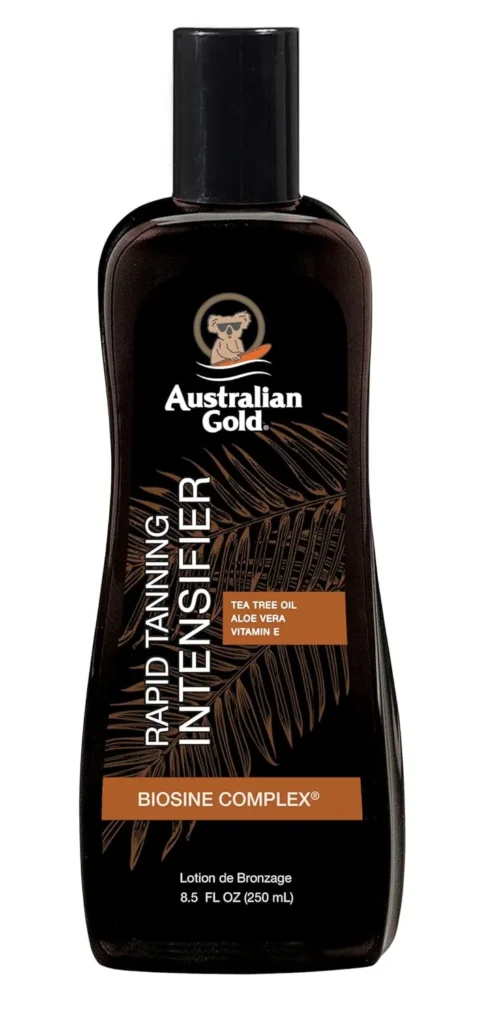
Bronzing tanning oils contain immediate bronzers — usually DHA or cosmetic colorants — that give you an instant visible glow while also accelerating your real tan underneath. These are ideal for anyone who wants visible results right away, not just after hours in the sun.
Best for: People who want instant color and continued real tan development over time. Pros: Instant visible bronzing, great for beach events or holidays where you want to look good fast. Cons: Can transfer onto clothing, towels, and car seats — wear dark colors on tanning days.
5. Natural & Organic Tanning Oils
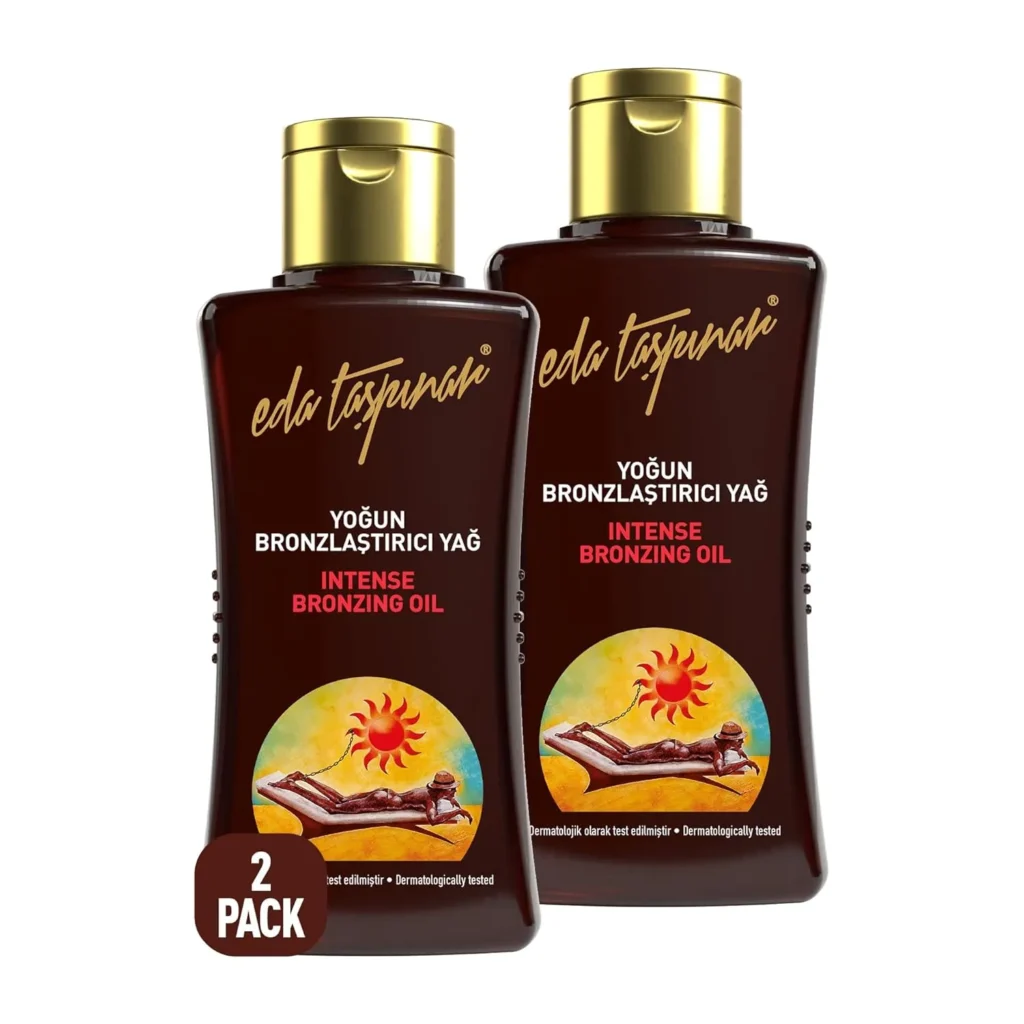
For those who prefer clean beauty with minimal synthetic chemicals, natural and organic tanning oils are an excellent option. These typically blend several nourishing base oils — avocado, rosehip, jojoba, carrot seed oil — alongside natural bronzing ingredients and sometimes a minimal SPF.
Best for: Sensitive skin, clean beauty enthusiasts, people wary of synthetic additives. Pros: Gentle on skin, chemical-free formula, often vegan and cruelty-free. Cons: May not be as fast-acting as synthetic formulas, and natural SPF levels are generally unreliable.
6. Water-Resistant Tanning Oils
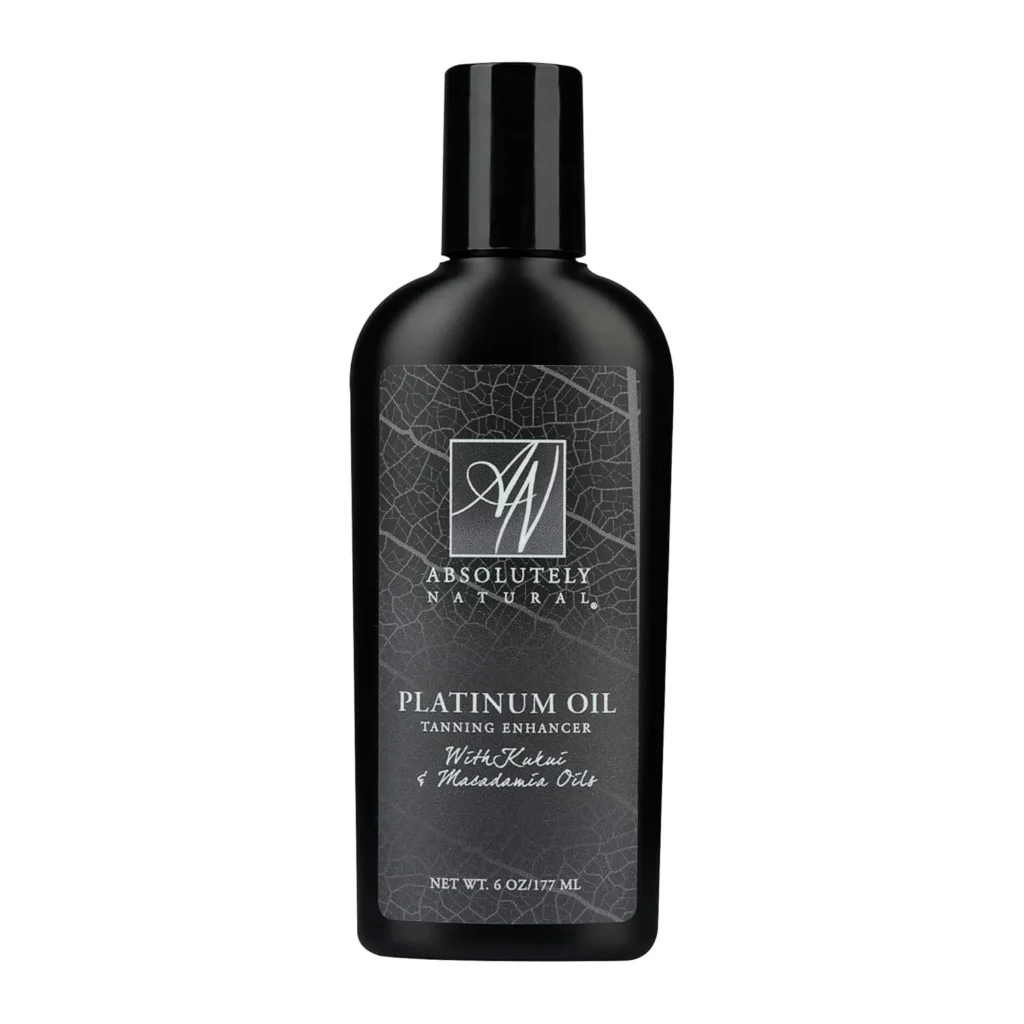
If you’re spending a day at the beach or pool, a water-resistant formula is practically essential. These products stay on your skin longer even when you’re swimming or sweating, ensuring consistent tanning results throughout the day without constant reapplication.
Best for: Beach days, pool sessions, active outdoor activities. Pros: Long-lasting, more reliable coverage through water exposure. Cons: Still require reapplication after extended time in the water — no product is fully waterproof.
Best Oils to Tan Faster: Natural vs Commercial
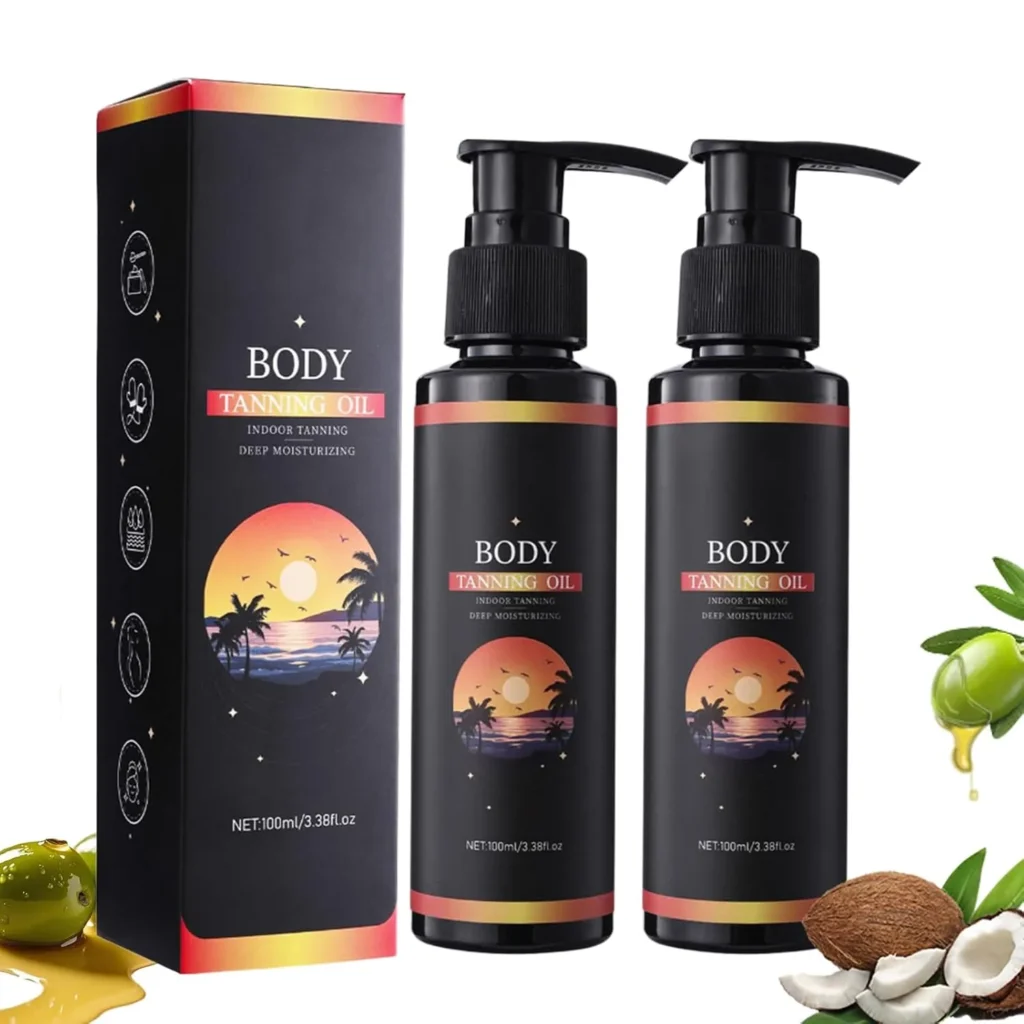
Not all tanning oils come in a branded bottle. Many people swear by single-ingredient natural oils as effective tanning aids — and some of them genuinely work. Here’s how natural oils compare:
Coconut oil is the most popular natural option. It naturally enhances UV absorption, provides deep hydration, and has a mild natural SPF of around 4. A solid choice for everyday tanning, especially for dry skin.
Baby oil (mineral oil) is one of the strongest UV enhancers available — it attracts UV rays very effectively and produces a deep, fast tan. The catch: it offers absolutely zero SPF protection, making it one of the riskier options. If you use it, keep sessions very short and pair it with sunscreen on sensitive areas.
Carrot seed oil is rich in beta-carotene, which gives skin a natural warm, golden tone and adds a subtle bronzing effect over time. It’s often used as a natural self-tanner ingredient and is gentle enough for most skin types.
Avocado oil is deeply nourishing and particularly suited to sensitive or dry skin. It adds a gentle enhancement to UV absorption without being as aggressive as coconut or mineral oil.
Olive oil is the oldest home remedy in the tanning book. It contains antioxidants and provides mild UV enhancement, but the SPF protection is very low and inconsistent. Use it cautiously and always with additional SPF on your face.
The honest comparison: natural oils can definitely enhance your tan, but commercial tanning oil products tend to produce faster, more even results because they include additional bronzers, anti-aging compounds, and sometimes measured SPF factors that pure oils simply don’t provide. For best results, look for commercial tanning oils that use natural carrier oils as their base — you get clean ingredients plus reliable performance.
Tanning Oil for Fair Skin: What You Need to Know
If you have fair skin, the idea of using tanning oil deserves extra thought — and extra caution. Fair skin contains less melanin, which means it burns more easily, absorbs more UV damage per minute of exposure, and takes significantly longer to develop any visible tan.
The honest truth: People with very fair or Type I skin — those who always burn and rarely or never tan — should avoid traditional tanning oil entirely. The risk of sunburn, long-term UV damage, and increased skin cancer risk significantly outweighs the cosmetic benefit of a temporary tan. This isn’t an overstatement; it’s what the dermatology community consistently recommends.
For everyone else with fair to medium-fair skin, here’s how to approach it safely:
Choose a tanning oil with SPF 15 or higher as an absolute minimum. Always apply a separate SPF 30–50 sunscreen as a base layer before your tanning oil, especially on your face, chest, and shoulders. Limit initial sun exposure to 15–20 minutes per side — your goal is building gradually over multiple sessions, not rushing the result. Avoid peak UV hours between 10 AM and 4 PM, when radiation is at its strongest. And consider bronzing tanning oils with DHA as a compromise — they give you visible color without needing as much actual sun exposure.
For very fair complexions, the safest path is self-tanning products or gradual tanning lotions that work through DHA chemistry rather than UV exposure. A beautifully applied self-tan always beats the long-term cost of sun damage.
Is Tanning Oil Safe?
Let’s be straightforward about this: tanning oil used alone, without additional SPF protection, is not considered safe from a dermatological standpoint — particularly for prolonged or frequent use.
UV radiation (both UVA and UVB) is the primary driver of premature skin aging, wrinkles, dark spots, and skin cancer. Tanning oils increase UV penetration into the skin, which means they also increase the rate of UV-related cellular damage. Repeated unprotected tanning accumulates this damage over time, even on sessions where you don’t visibly burn.
That said, the reality is that many people do use tanning oils responsibly as part of a balanced approach to sun exposure. The key is minimizing unnecessary risk rather than pretending there is none.
Here’s how to do it smarter: Always apply SPF 30+ sunscreen on your face, chest, and shoulders even when using tanning oil on the rest of your body. Keep sessions to 20–30 minutes per side for most skin types. Wear UV-protective sunglasses and a hat to protect your face. Reapply your tanning oil every 1–2 hours or after swimming. Avoid tanning on days when the UV index is 8 or higher. Moisturize thoroughly after every session to support skin recovery. And if you tan regularly, schedule an annual skin check with a dermatologist — it’s one of the simplest things you can do for your long-term health.
Tips for Faster and Safer Tanning
A few practical changes can make a meaningful difference to both your results and your skin health:
Exfoliate 24 hours before tanning. Removing dead skin cells creates a smoother surface for a more even tan that lasts longer. Skip this step and you’ll often end up with patchy, fast-fading color.
Apply to completely dry skin. Shower and dry off fully before applying your tanning oil. Oil doesn’t absorb well over wet or damp skin, and you’ll waste product while getting uneven application.
Be generous and thorough. Don’t rush the application. Cover often-missed spots: behind the knees, inner elbows, the back of the neck, and the tops of feet.
Rotate every 15–20 minutes. Consistent position changes ensure you develop even color on all sides rather than tanning one area more heavily than others.
Stay hydrated throughout. Drinking water keeps your skin healthier from the inside and helps your tan develop more evenly and last longer.
Tan in the morning or late afternoon. Before 10 AM or after 4 PM, UV intensity is lower while still being effective for tanning. This simple timing shift meaningfully reduces your cumulative UV exposure.
Moisturize daily after tanning. Hydrated skin holds a tan longer. Apply a good body moisturizer every day — even on days you’re not in the sun — to maintain your color and keep skin looking healthy.
Common Mistakes to Avoid
Even experienced tanners make these errors regularly. Avoid them and your results — and your skin — will thank you.
Skipping sunscreen entirely. Using tanning oil with no SPF on long sun days is one of the fastest ways to end up with a painful burn instead of a tan. Always apply at minimum SPF 30 to your face and chest.
Applying to unprepped skin. If you skip exfoliation, the oil sits on dead skin cells rather than healthy skin — resulting in patchy, uneven color that fades in days rather than weeks.
Using too little product. A thin, rushed application won’t give you even coverage. Take your time and use enough oil to fully coat each body area before heading outside.
Going too long on your first session. Trying to get a full deep tan in one afternoon is both ineffective and risky. Build your tan gradually over multiple sessions — 20 minutes per side to start, increasing slowly from there.
Not reapplying throughout the day. Tanning oil — especially non-water-resistant formulas — washes off with sweat and swimming. Reapply every 1.5–2 hours to maintain consistent results.
Using expired product. Oils go rancid, and expired formulas can irritate or even harm skin. Always check the expiry date before applying anything, especially products that have been sitting in a bag or cabinet since last summer.
Applying tanning oil to your face. The skin on your face is far more sensitive than your body, more prone to breakouts from oils, and much more vulnerable to hyperpigmentation and UV-related aging. Always use a separate, dedicated SPF face sunscreen on your face — never body tanning oil.
Frequently Asked Questions
Does tanning oil work without sun? Traditional tanning oils only work in the presence of UV light — from the sun or a tanning bed. However, products containing DHA (a bronzing agent) do produce visible color through a chemical reaction with your skin, even without sun exposure. If you want a tan without UV, choose a product specifically with self-tanning or DHA ingredients, or use a dedicated self-tanner.
Can I use tanning oil with sunscreen? Yes — and you should. The recommended approach is to apply a broad-spectrum SPF 30+ sunscreen first, let it absorb fully for a few minutes, and then apply your tanning oil on top. This gives you a protective base while still allowing the oil to enhance your tan. Reapply both every 1.5–2 hours.
How long does it take to tan with tanning oil? Most people notice a visible difference within 1–2 sessions of around 30–60 minutes of sun exposure each. The exact timeline depends on your natural skin tone, the UV index that day, time of day, and the specific product. Fair skin may take several sessions, while olive or medium skin tones often see results after just one.
Is tanning oil bad for your skin? The oil itself isn’t inherently harmful — most formulas contain nourishing ingredients. The concern is that tanning oil increases UV exposure, which accelerates skin aging and raises the risk of UV damage with repeated unprotected use. Used in moderation, with adequate SPF protection and sensible session lengths, the risk is manageable for most adults.
What’s the difference between tanning oil and self-tanner? Tanning oil requires UV exposure — it speeds up your natural tanning process. Self-tanner works completely independently of the sun, using DHA to create temporary skin color through a chemical reaction. Self-tanners are always the safer option for fair skin or anyone trying to minimize UV exposure.
Can I use tanning oil on my face? Most dermatologists say no. Facial skin is more sensitive, more prone to clogged pores, and far more susceptible to hyperpigmentation and UV-related aging. Use a dedicated SPF face sunscreen on your face instead, and let your body tan naturally.
How often can I use tanning oil? Daily tanning is not recommended. Limit sessions to 2–3 times per week at most, with adequate SPF protection and recovery days in between. Moisturize thoroughly on off days to maintain your tan and keep skin healthy.
Conclusion
Tanning oil really does work — and when used correctly, it can deliver that golden, sun-kissed glow faster than tanning without any product at all. The key is choosing the right formula for your skin type, pairing it with appropriate SPF protection, and being honest with yourself about the importance of UV safety.
Whether you’re drawn to natural coconut oil-based formulas, instant bronzing accelerators, or clean organic options, the best tanning oil for you is the one that matches your skin tone, your tanning goals, and your approach to safety. Fair skin? Go for higher-SPF options or consider DHA bronzers as a safer route. Dry skin? Prioritize deeply moisturizing formulas. Want instant results? A bronzing oil gives you visible color the moment you apply it.
Take the time to understand what’s in your product, follow the usage guidelines, and don’t skip sun protection. The best tan is one that looks great now and doesn’t cost you your skin health later.
Choose smart. Tan safely. Enjoy the sun.