Top 5 organic skin care brands
Organic skincare uses plant-based ingredients grown without synthetic pesticides, GMOs, or harsh chemicals. Unlike conventional products that may rely on silicones and petrochemicals for quick cosmetic fixes, organic formulas work gradually by nourishing the skin barrier and supporting its natural regeneration process.
The key difference is cumulative benefit. These products won’t erase wrinkles overnight, but they strengthen skin health over weeks and months. Organic ingredients like plant oils, botanical extracts, and natural acids provide vitamins, antioxidants, and fatty acids that conventional ingredients often lack.
Table of Contents
Key Benefits of Choosing Organic Skincare
- Lower risk of irritation: Fewer synthetic fragrances and preservatives mean reduced chance of allergic reactions
- Environmental sustainability: Organic farming practices protect soil health and water systems
- Nutrient-dense formulations: Plant ingredients retain more bioactive compounds when grown organically
- Transparent ingredient lists: Certified organic brands must meet strict labeling standards
- Long-term skin health: Focus on prevention and maintenance rather than aggressive correction
Top 5 Organic Skin Care Brands
1. Pai Skincare
Best for: Sensitive, reactive, and eczema-prone skin
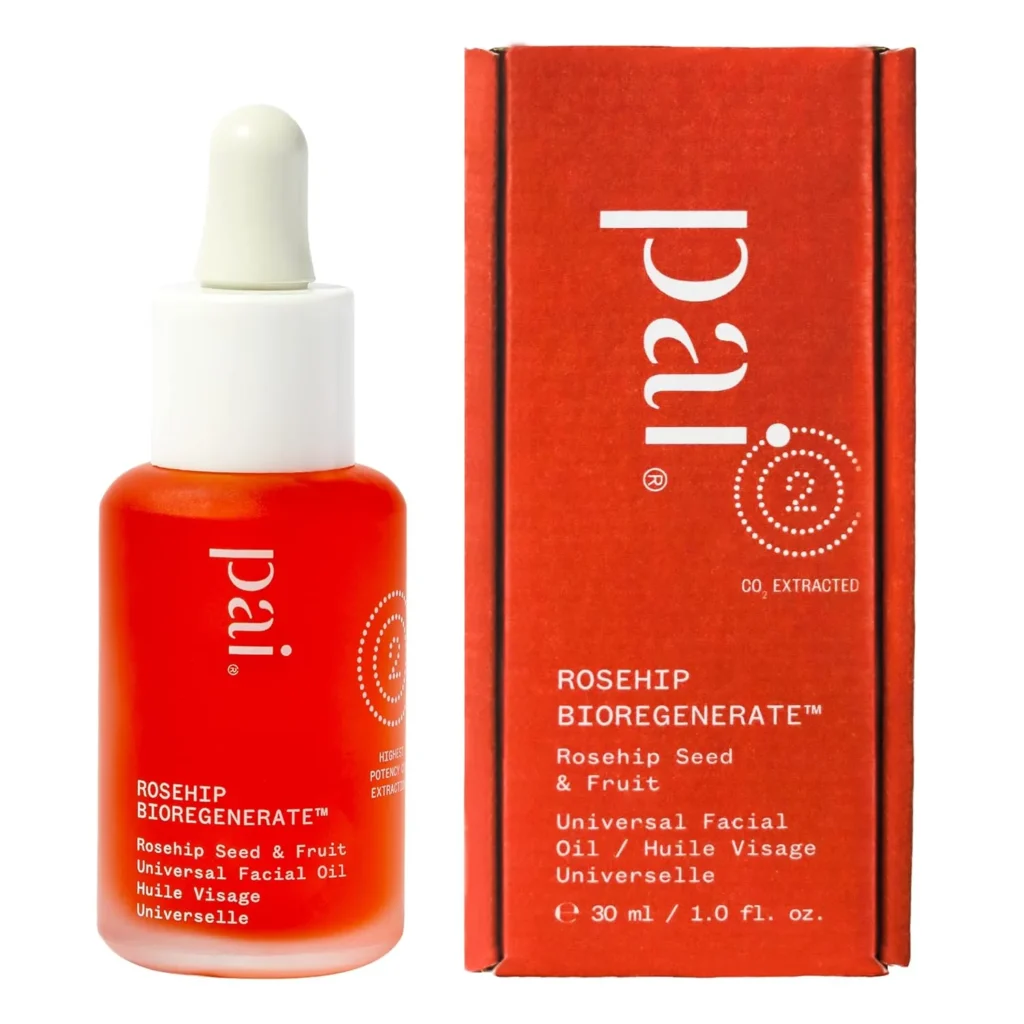
Pai was specifically created for people who react to everything. Their formulas are certified organic and designed with a “less is more” philosophy, using minimal ingredients at therapeutic concentrations.
The brand’s Rosehip BioRegenerate Oil is backed by clinical studies showing improvement in scarring and pigmentation. What sets Pai apart is their commitment to safety testing on sensitive skin types before launch.
Pros:
- Certified by the Soil Association (stricter than many organic standards)
- All products suitable for sensitive skin
- Transparent about ingredient sourcing
Cons:
- Higher price point than mass-market brands
- Limited availability in physical stores
- Simple packaging may not appeal to luxury seekers
If your skin has a history of reacting poorly to conventional products, Pai offers a genuinely safe starting point with proven results.
2. Tata Harper
Best for: Anti-aging and brightening without synthetic actives
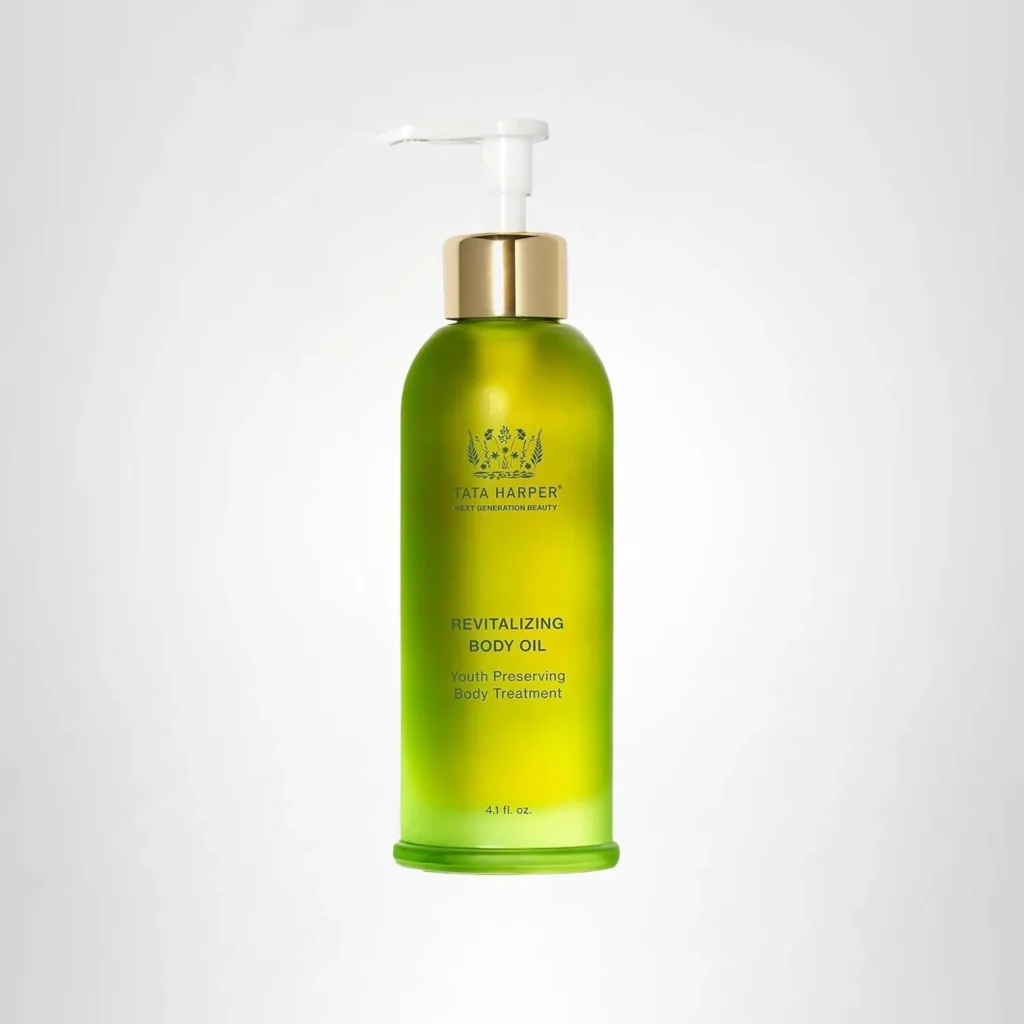
Tata Harper operates her own farm in Vermont, controlling every step from seed to bottle. This vertical integration allows for incredibly fresh formulations with high concentrations of active botanicals.
Their Resurfacing Mask uses natural AHAs from pomegranate enzymes and white willow bark to gently exfoliate without the harshness of synthetic peels.
Pros:
- 100% natural and up to 99% organic ingredients
- Farm-to-face transparency
- Luxurious textures that rival conventional high-end brands
Cons:
- Premium pricing (among the most expensive organic options)
- Strong botanical scents may not suit everyone
- Some products require refrigeration
For those willing to invest in organic luxury that performs like conventional high-performance skincare, Tata Harper delivers.
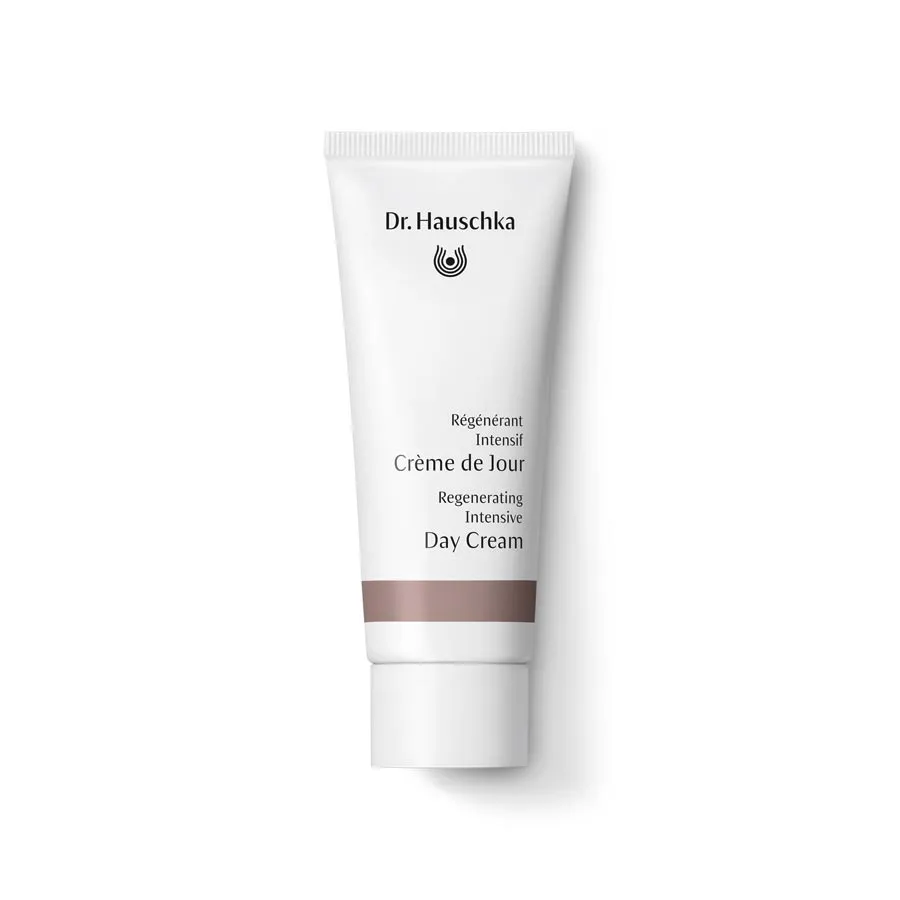
3. Dr. Hauschka
Best for: Holistic skin health and mature skin types
With over 50 years in organic skincare, Dr. Hauschka follows anthroposophic principles—using biodynamic farming and rhythmic processing methods to maximize plant potency.
Their Rose Day Cream is a cult favorite that balances oil production rather than stripping or over-moisturizing. The brand’s philosophy centers on teaching skin to regulate itself.
Pros:
- NATRUE certified organic
- Dermatologically tested formulas
- Sustainable glass packaging
Cons:
- Adjustment period as skin “learns” to self-regulate
- Some products have strong herbal scents
- Philosophy may seem unconventional to some users
If you’re looking for a brand with deep roots in organic formulation and a holistic approach, Dr. Hauschka offers time-tested reliability.
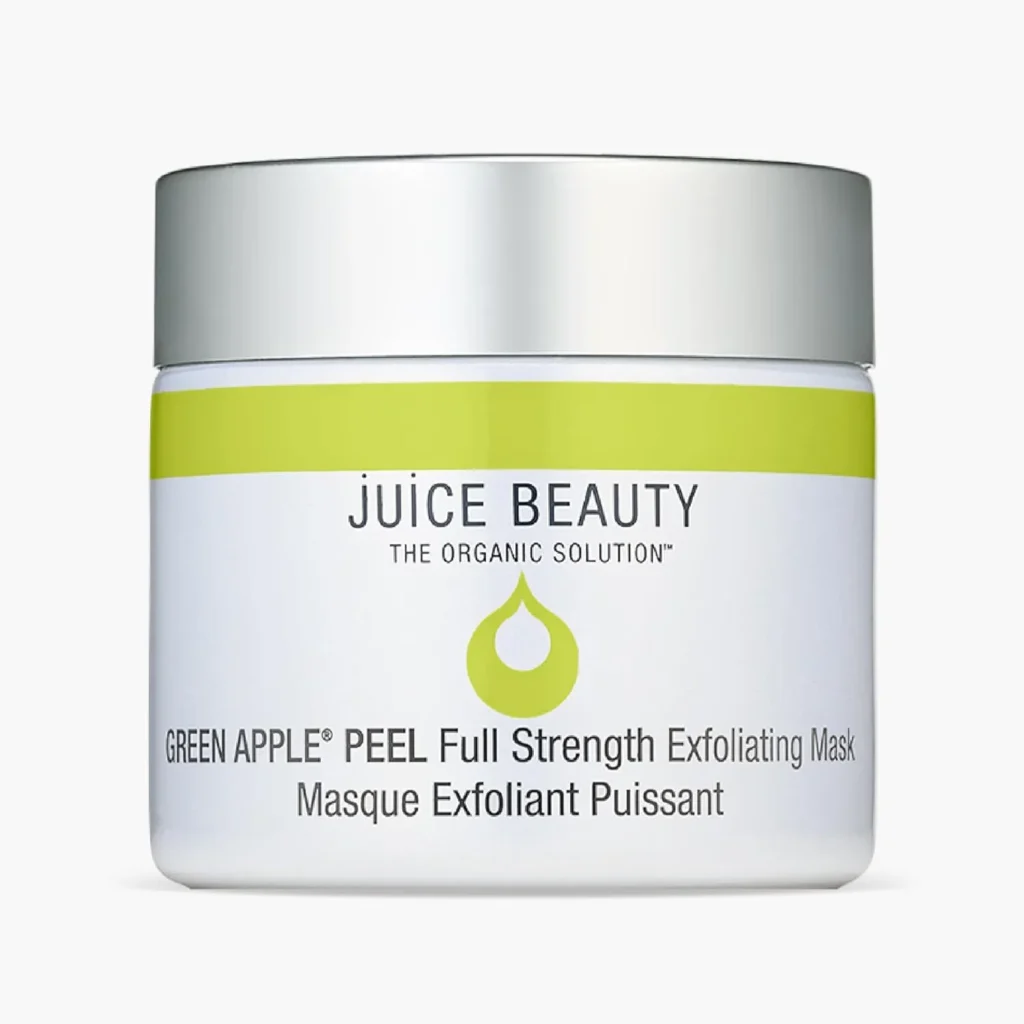
4. Juice Beauty
Best for: Results-driven organic skincare with clinical backing
Juice Beauty bridges the gap between organic and clinical performance. They use organic fruit juices as their base instead of water, concentrating antioxidants in every formula.
Their Stem Cellular Anti-Wrinkle Moisturizer uses fruit stem cells and vitamin C to address aging signs, with clinical studies supporting their efficacy claims.
Pros:
- USDA certified organic
- Clinical testing and before/after documentation
- Wide product range for different concerns
Cons:
- Some products contain organic alcohol which may dry sensitive skin
- Fruit base can feel sticky in humid climates
- Mid-to-high price range
For those who want organic certification but won’t compromise on visible results, Juice Beauty offers the best of both worlds.
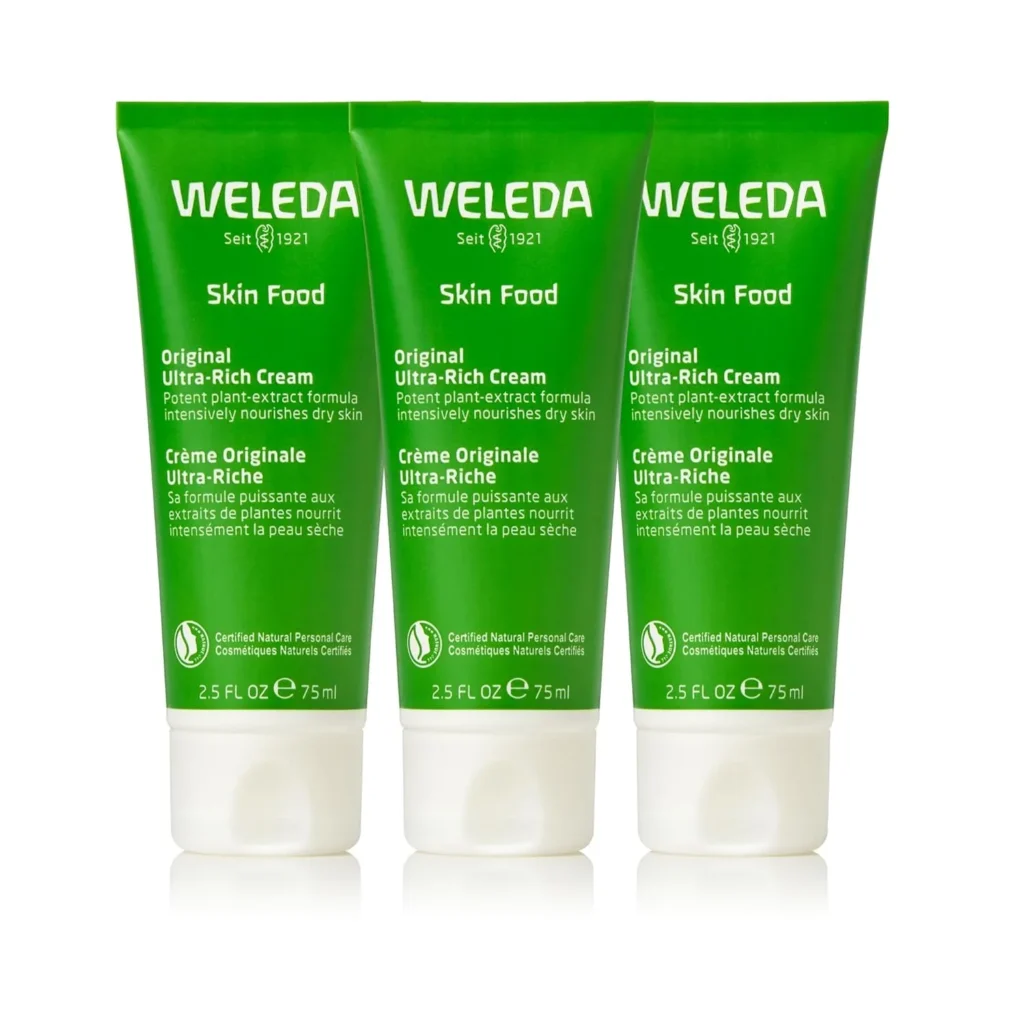
5. Weleda
Best for: Affordable organic skincare for the whole family
Weleda makes certified organic skincare accessible. Available in drugstores and mainstream retailers, they offer quality formulations at prices that don’t require a second mortgage.
Their Skin Food is an iconic multi-purpose balm used by everyone from models to outdoor enthusiasts for intense moisture and skin repair.
Pros:
- Budget-friendly without sacrificing organic certification
- Wide availability globally
- Products suitable for babies, children, and adults
Cons:
- Some formulas feel heavy or greasy on oily skin
- Limited options for specific skin concerns like acne
- Basic packaging lacks luxury appeal
Weleda proves that organic doesn’t have to mean expensive, making it an excellent entry point for organic skincare beginners.
How to Build an Organic Skincare Routine
Step 1: Start Simple Begin with just a cleanser and moisturizer to see how your skin responds to organic formulas.
Step 2: Introduce Gradually Add one new product every 2-3 weeks to monitor for any reactions.
Step 3: Layer Correctly Apply thinnest to thickest: toner, serum, oil, cream.
Step 4: Be Patient Allow 6-8 weeks to see meaningful changes. Organic ingredients work with skin’s natural cycle.
Step 5: Adjust Seasonally Your skin’s needs change with weather—organic oils in winter, lighter lotions in summer.
Choosing the Right Brand for Your Skin Type
Dry/Mature Skin: Dr. Hauschka or Tata Harper offer rich, nourishing formulas with anti-aging benefits.
Sensitive/Reactive Skin: Pai is specifically designed for your concerns with minimal ingredient lists.
Oily/Combination Skin: Juice Beauty’s lighter textures and fruit-based formulas absorb quickly without greasiness.
Budget-Conscious: Weleda provides certified organic quality at accessible prices.
Results-Focused: Tata Harper or Juice Beauty if you want clinical performance from organic ingredients.
Frequently Asked Questions
Do organic skincare products expire faster? Yes, typically within 6-12 months after opening. Natural preservatives are less aggressive than synthetic ones. Store in cool, dark places and watch for changes in smell or texture.
Can organic skincare treat acne effectively? Certain organic ingredients like tea tree oil, willow bark, and niacinamide can help manage acne, but severe cases may require dermatological treatment. Organic products work best for prevention and maintenance.
Is “organic” the same as “natural” in skincare? No. “Natural” is largely unregulated, while “organic” requires third-party certification proving ingredients were grown without synthetic pesticides or GMOs. Look for USDA, COSMOS, or Soil Association certification.
Will switching to organic cause my skin to “detox”? The concept of skin “detoxing” is a myth. If you experience breakouts when switching, it’s more likely purging from active ingredients or a reaction to new botanical components. True allergic reactions require discontinuing use.
Are organic products safe during pregnancy? Most are safer than conventional products, but avoid essential oils and retinol alternatives like bakuchiol without consulting your doctor. Brands like Weleda and Pai offer pregnancy-safe lines.
Final Thoughts
Switching to organic skincare is a personal choice that goes beyond skin deep—it’s about aligning your beauty routine with your values. These five brands represent different philosophies and price points, but all deliver on the promise of clean, effective formulations.
Results from organic skincare require patience and consistency. Your skin won’t transform overnight, but over time, many users report fewer reactions, improved texture, and a healthier overall appearance. Remember that everyone’s skin responds differently, and what works beautifully for one person may not suit another.
Start with one product from a brand that matches your concerns and budget, then build from there as you learn what your skin truly needs.